A background check doesn’t, by itself, establish whether a cleaning company is licensed or insured. Businesses considering background-checked cleaning staff in Sacramento should assess screening, work history, insurance, and scheduling separately. Each answers a different question about who will work on-site and how the service may fit.
It’s reasonable to want more than a reassuring label when staff will be working in your workplace. Experience can offer useful context: Sacramento cleaner Pam, for example, has completed 1,343 cleanings, while Christina has completed 579. Those records describe work history, but they don’t tell you what screening a particular company conducts.
This article explains what background checks and work-history details can tell you, how licensing and insurance fit into the decision, and what affects same-day or next-day cleaning availability. It also covers how commercial janitorial and office cleaning services support workplaces that need consistent, organized care.
Key Takeaways
- Use cleaner profiles and documented work history as context for experience, while recognizing they don’t establish what screening a company performs.
- Separate questions about background checks from licensing and insurance; each addresses a different part of your decision.
- For same-day or next-day service, understand how timing, the cleaning scope, and scheduling affect what can be arranged.
- Prepare focused questions about vetting, staff experience, and service arrangements before booking.
- For workplaces that need ongoing care, commercial janitorial and office cleaning can provide a structured approach to maintaining shared spaces.
Cleaner profiles and work history
Cleaner profiles offer useful context, but their details measure different things. Sacramento cleaner Pam has completed 1,343 cleanings and logged 3,676 service hours. Christina has completed 579 cleanings and logged 1,962 service hours. Those figures show recorded service activity, not the screening steps behind a profile.
Other Sacramento profiles describe experience in years. Rebecca B. lists four years of cleaning experience. Hetielle M. lists five years of housekeeping experience. Krystl H. lists three years of cleaning experience. Katrina W. lists 10 years of housekeeping experience. Cynthia P. lists three years of cleaning experience, while Myranda P. lists nine.
These measures aren’t interchangeable. A cleaning count describes completed jobs; service hours describe time spent working. A listed number of years describes stated experience. For example, Katrina’s 10 years and Pam’s 3,676 hours provide different kinds of context. Neither figure alone explains how consistently a cleaner handled a particular task.
Read each profile in a few deliberate steps:
- Identify whether the profile reports completed jobs, hours, or years of experience.
- Match the experience to your actual needs, such as recurring office care or detailed house cleaning.
- Look for descriptions of duties that resemble your space, rather than relying only on a large total.
- Compare the profile with the service scope, including rooms, surfaces, and expected cleaning tasks.
When evaluating background-checked cleaning staff in Sacramento, distinguish work history from screening. A profile may indicate experience, while a background-check process concerns vetting. A high job count does not prove a check was completed. Likewise, a good cleaning result depends on clear tasks, preparation, and execution, not simply years of experience.
Consider the difference between a home and a workplace. A house-cleaning profile may emphasize kitchens, bathrooms, or household routines. An office profile is more relevant when it describes desks, shared areas, or recurring maintenance. The key question is whether the experience matches the setting and work you need.
Use profile details to guide a practical conversation. Ask what the listed service-hour total represents and which tasks the cleaner has handled. If a profile gives only years of experience, request examples of comparable work. This turns a quick impression into a useful basis for discussing fit.
Treat numbers as context, not a ranking system. Pam’s recorded hours and Rebecca B.’s listed years cannot be compared directly. Relate each detail to the cleaning scope, work setting, and records available for review. This keeps experience distinct from screening and from any promise about results.
Same-day and next-day availability
Same-day and next-day cleaning depend on the requested work and the schedule. A short, defined task differs from a full-site reset. Cleaning one meeting room, for example, requires a different plan from preparing an entire office. The arrival window, site access, and scope all affect scheduling, so don’t treat them as a promise of immediate service.
Start by listing the essential work. Separate urgent needs from tasks that can wait. If a spill affects one corridor, describe the area and surfaces involved. If the entire workplace needs attention before opening, explain the full scope. Clear details help a cleaning service understand the request and plan realistically.
Scheduling also depends on site arrangements. The cleaning team needs access to the space and a clear description of any restrictions. Note, for example, whether the building requires check-in or certain rooms must remain undisturbed. Share your preferred arrival window and completion deadline to make the scheduling conversation useful.
For a same-day request, prepare these details before arranging service:
- List the areas requiring attention, such as restrooms, a lobby, or offices.
- Describe the reason for urgency, such as a scheduled visitor or an unexpected mess.
- Identify access instructions, restricted rooms, and any site-specific requirements.
- Separate essential tasks from work that can be scheduled later.
Next-day planning also benefits from clear details. An office preparing for a morning meeting can identify the room, shared surfaces, and completion time. Recurring weekly service is different: it schedules planned visits, while an urgent request addresses a specific need. Clear priorities help distinguish the two.
For ongoing care, match the work to your workplace’s routine. A team with daily foot traffic may prioritize shared areas, while a quieter office may organize tasks around its regular use. Specify which spaces need attention, how often they need service, and which tasks can happen outside busy periods. This creates a practical plan without assuming every request needs immediate attendance.
Before settling on timing, compare the deadline with the task list. A quick surface clean and a detailed reset are different assignments. Discuss the scope and schedule together to keep expectations aligned. If the deadline is flexible, say so. If an event sets it, name the event and identify the rooms that matter most.
Background-check and vetting requirements
A “background-checked” label can refer to different screening processes. For a Sacramento workplace, ask what the term means in practice. Does screening confirm identity, review criminal-history records, or include other steps? These questions concern the company’s process, not a universal checklist. A clear answer should describe the steps without implying that every company uses the same methods.
Distinguish screening from broader staff vetting. A background check concerns records reviewed through a defined process. Vetting may also include how a company selects, trains, and assigns cleaners. Ask, for example, whether staff receive site instructions before entering an office. This explains how the company prepares staff beyond what a check may cover.
Use a focused sequence when discussing screening:
- Ask which checks are performed and who completes them.
- Clarify whether the process applies to every assigned cleaner.
- Ask how staff identity is matched with the person arriving on-site.
- Find out how the company handles changes to the assigned team.
- Ask what information it can share about its process.
Make the discussion specific. If a new cleaner is arriving, ask how your site can identify that person as assigned staff. If a regular cleaner is replaced, ask how the company communicates the change. Clear procedures help managers know who is expected and whom to contact about access.
Screening records and work history serve different purposes. A cleaner’s profile may describe experience, while screening describes a review process. Don’t treat one as a substitute for the other. If you’re comparing background-checked cleaning staff in Sacramento, ask for a plain-language explanation of both, then consider whether the process fits your site’s access and responsibilities.
Ask how often information is reviewed or updated. A monthly schedule may be relevant if a company describes one, but don’t assume every provider uses that interval. The important point is understanding the actual process and how updates are handled. If a staffing change affects an upcoming visit, ask how it will be communicated and whether the appointment needs to change.
Relate the answers to your site. A clinic reception area, shared office, and restricted staff room have different access expectations. Explain which spaces cleaners enter and what instructions apply. Ask who handles concerns about assignments or entry. A concrete example, such as a cleaner arriving outside the agreed window, can clarify how to raise an issue.
Keep a brief record of the company’s answers. Note the stated screening steps, assignment process, and contact method. This gives managers a consistent reference when staff or schedules change. It also grounds expectations in the process described, rather than assumptions based on a profile label.
Background-checked cleaning professionals
A screening record and cleaning ability answer different questions. A background check relates to vetting; practical performance is shown in the work. A screened cleaner may still need clear instructions for a conference room. Discuss both the person’s preparation and the expected tasks. Neither a profile nor a check alone describes every part of the service.
Describe the space before discussing the work. Reception areas, private offices, and shared breakrooms have different surfaces and routines. Point out delicate equipment, frequently touched areas, and rooms with restricted access. These details establish boundaries, reduce guesswork, and help the cleaning professional understand where careful handling matters most.
Turn general expectations into observable tasks. For an office visit, a written checklist might identify these priorities:
- Wipe agreed-upon desks and shared surfaces.
- Clean the identified breakroom counters and sink.
- Empty designated bins and leave restricted areas untouched.
- Report a spill or damaged item through the agreed contact.
A checklist supports consistency without assuming every visit is identical. A meeting room used for a client presentation, for example, may need extra attention beforehand. A routine visit can follow the standard task list, while a deep clean may cover additional areas or buildup. Define that scope separately so everyone understands what the visit includes.
Good workplace preparation includes practical communication. Provide entry instructions, identify the on-site contact, and explain how to report an issue. If a cleaner finds a broken container near a desk, the reporting procedure should be clear. Explain any special surface-handling requirements before work begins. Specific instructions support careful work and consistent expectations.
Review the outcome against the agreed tasks, not an undefined promise of perfection. Check whether the named surfaces were addressed and restricted rooms left untouched. If a task was missed, record the location and detail. This gives the next conversation a clear basis and separates a correctable service issue from screening questions.
For recurring workplace care, keep the task list accessible and update it when rooms change use. A newly designated meeting space may need different attention from a storage area. Share revisions with the person coordinating the work. Clear scope, orderly access, and direct communication help ensure the work fits the needs of that environment.
What should I ask before booking a background-checked cleaning service in Sacramento?
Use the booking conversation to clarify screening, staffing, scope, and timing. Ask direct questions and compare the answers with your workplace’s needs. An office with restricted rooms, for example, needs clear access procedures. A general assurance alone won’t explain who enters, what they clean, or how staffing changes are handled.
Begin with the screening process. Ask what “background-checked” means in practice, which checks are conducted, and whether the process covers each assigned cleaner. Ask how the company identifies the person arriving at your site. If staffing changes before a visit, find out how the change is communicated. These questions distinguish a defined process from a label.
Next, clarify the work. Describe the areas, surfaces, and tasks to be covered. Ask what the agreed scope includes and how special requests are handled. If a conference room needs attention before a client meeting, for example, identify the room and priority tasks. Confirm how changes to the task list are recorded so expectations remain clear.
Use this checklist during your discussion:
- What screening steps apply to the people assigned to my site?
- How will I know who is scheduled to arrive?
- Who handles access instructions and restricted areas?
- Which tasks are included in the requested cleaning scope?
- How are schedule or staffing changes communicated?
- Who should receive a report about a missed task or site concern?
Ask about experience in settings similar to yours. A cleaner familiar with offices may understand shared work areas, while other sites involve different routines. Request examples of comparable tasks instead of relying on a broad experience claim. Then explain your priorities, such as careful handling around equipment or keeping a room closed.
Discuss scheduling with specific details. State whether you need a one-time visit or recurring service, and explain your preferred timing. If a meeting sets the deadline, name the event and rooms involved. Ask how the schedule is coordinated and what happens if the assigned cleaner changes. Clear timing and scope make the plan easier to understand.
Finally, summarize the answers before booking. Record the screening explanation, assigned-person process, task list, access notes, and contact person. A written summary might specify that a storage room remains off-limits. This gives everyone a shared reference if the schedule or cleaning requirements change.
For Sacramento workplaces, a useful next step is to discuss your office cleaning needs and describe the space, tasks, and schedule you have in mind.
Cleanit Maintenance Systems: Commercial Janitorial
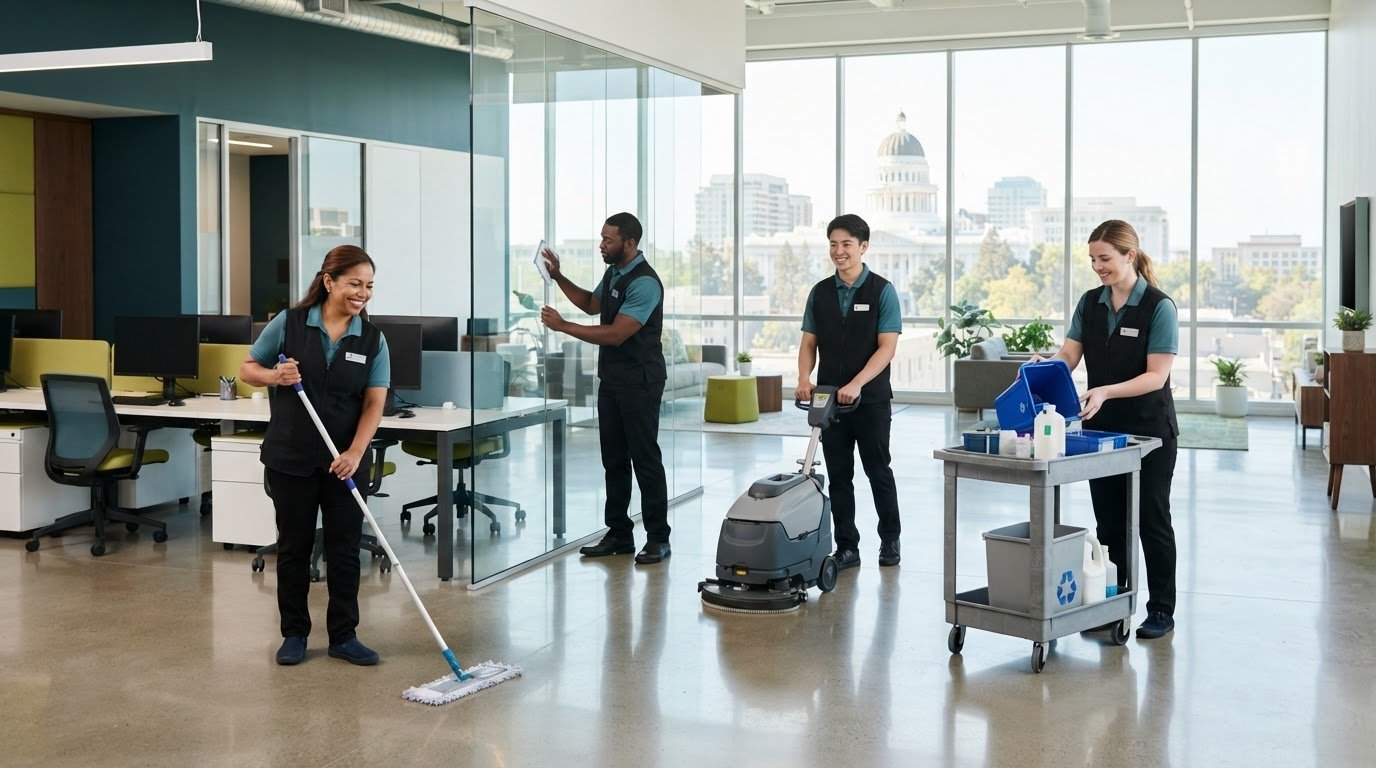
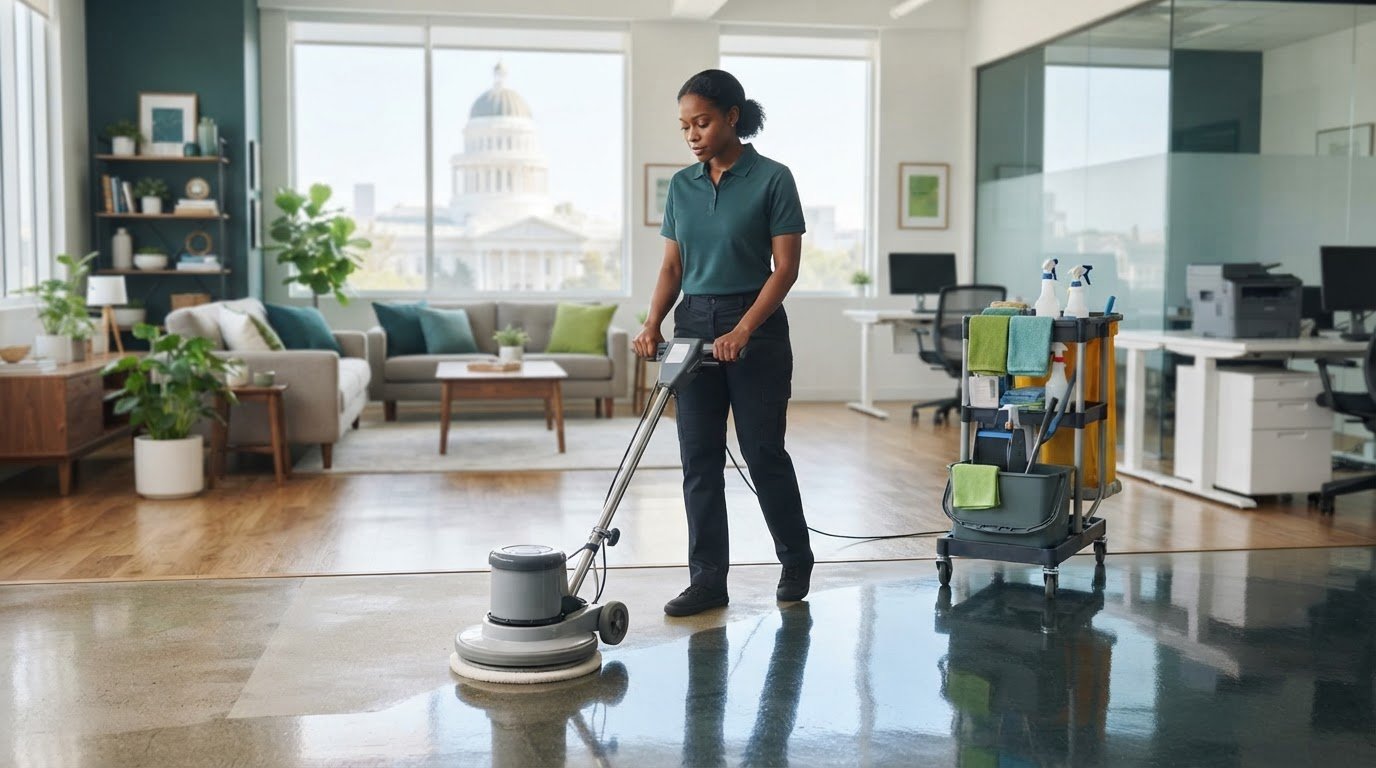
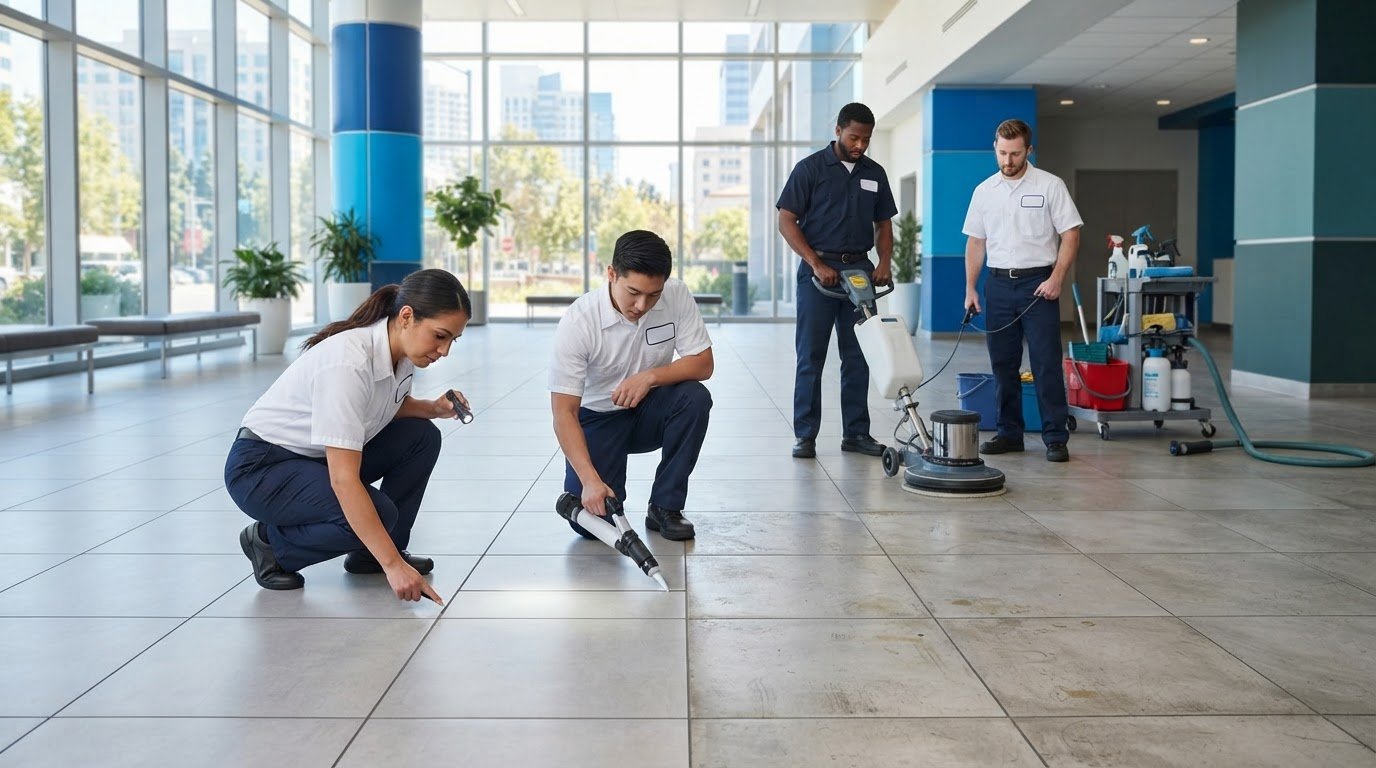
Cleanit Maintenance Systems provides commercial janitorial care for workplaces that need organized, ongoing cleaning. Its office and daily cleaning services support routine care for shared areas, workspaces, and other agreed priorities. Day porter services are also available for workplaces that need daytime cleaning support.
For a Sacramento business, start by outlining the space, cleaning tasks, and preferred service pattern. This helps establish a scope suited to the workplace, whether you need ongoing office care or day porter support. Include questions about screening, site access, and staff assignments in your broader provider discussion.
Contact Cleanit Maintenance Systems to discuss commercial janitorial needs for your workplace.
Set a Clear Standard for Your Workplace
Choosing background-checked cleaning staff in Sacramento is one part of building a dependable workplace routine. Define what your site needs: which areas require attention, how staff should access them, and what communication will keep daily operations orderly. A clear scope gives your cleaning partner a practical starting point and helps your team understand what to expect.
Cleanit Maintenance Systems provides commercial janitorial, office cleaning, and daily cleaning services for workplaces seeking consistent facility care. Identify your team’s priorities, from maintaining shared spaces to supporting a regular cleaning schedule. Bringing those priorities into the conversation helps shape a service plan around your workplace rather than a generic checklist.
When you’re ready to discuss your facility’s needs, contact Cleanit Maintenance Systems. A thoughtful conversation is a straightforward way to plan your next step and keep your workplace moving forward with confidence.
Frequently Asked Questions
Are you licensed and insured?
A background check doesn’t establish whether a cleaning company is licensed or insured. These are separate matters; assess them through the company’s current documentation rather than inferring them from staff screening. For a Sacramento workplace, keep the questions distinct: what staff vetting involves, what coverage applies to the service, and which business credentials are relevant to the work.
Who will my maid be?
For commercial cleaning, the relevant question is which cleaner or team will enter your workplace. “Maid” usually refers to household cleaning, while workplace service involves defined business spaces and access needs. Before a visit, establish how the assigned person will be identified and how your site handles substitutions. For example, reception staff can follow an agreed process to recognize expected cleaning staff.
Which Sacramento cleaning companies use background-checked staff?
Cleanit Maintenance Systems provides commercial janitorial services in the Greater Sacramento area, but its service description alone doesn’t establish a particular screening process. A company’s background-check claim should be supported by a clear explanation of what it means. Compare the stated process with the access needs of your workplace, such as whether cleaners enter offices, storage rooms, or shared work areas.
What background checks do Sacramento cleaning services perform?
Screening processes vary, so don’t assume every Sacramento cleaning service performs the same checks. Ask what records or information the process covers, whether it applies to each assigned person, and how the company describes the result. A general statement that staff are “screened” doesn’t explain which steps were taken or how assignments are managed.
How can I verify a cleaner's background check in Sacramento?
Ask the company to explain its screening process and what information it can provide about the assigned cleaner. Be specific: who is covered, what the process includes, and how the company confirms that the person arriving matches the assignment. A profile or work-history total doesn’t prove screening. Also establish how your site contact will be told who is coming.
Do Sacramento cleaning companies provide insurance, bonding, and liability coverage?
Don’t treat insurance, bonding, and liability coverage as interchangeable terms. Ask which protections apply to the service and what documentation describes them. Connect your question to the work: for example, clarify how coverage relates to cleaning at a commercial site. A background check addresses staff vetting, not coverage, so review each topic separately.
What happens if a background-checked cleaner damages or takes something?
A background check doesn’t determine how a company handles a damage or loss report. Record what happened, when it was noticed, and which area or item was involved. Preserve relevant details, such as an access log or photographs, if available. Then use the company’s established reporting channel and ask how the incident will be documented and addressed.
How do Sacramento cleaning companies screen and train their staff?
Screening and training are separate processes, and companies may describe them differently. Ask what screening steps apply, how cleaners learn site-specific instructions, and how task expectations are communicated. A workplace may require staff to avoid a restricted room or follow a particular entry procedure. Clear answers show how staff preparation connects to your facility’s daily routines.