

If you’re wondering how to convince your boss to hire a cleaning service, start with a clear record of what isn’t getting done. Note recurring problems such as overflowing bins, floors that need attention, or cleaning tasks without a consistent owner. Specific examples make the issue easier to assess than a broad request for a new expense.
It’s reasonable for a decision-maker to ask whether outside cleaning is necessary, how much it could disrupt operations, and what the workplace would gain. A practical proposal answers those concerns with evidence from your own office, not assumptions. You don’t need to claim that a cleaning service will solve every operational challenge. Show where current routines fall short and what a consistent cleaning plan could cover.
This article explains how to document workplace needs, connect them to operational priorities, and propose a manageable trial with clear review criteria. You’ll also learn how to address cost and scheduling concerns and outline a scope for regular office upkeep, floor care, or day porter support. The goal is to help your boss evaluate professional cleaning as operational support, not simply another line item.
Key Takeaways
- Learn how to convince your boss to hire a cleaning service by building your request around observable workplace needs.
- Separate recurring janitorial tasks from periodic needs such as carpet or floor care to define a practical scope.
- Compare staff-led cleaning, an adjusted internal routine, and professional service based on your office’s needs.
- Use a one-page proposal to outline the issue, evidence, scope, timing, decision needed, and review criteria for a defined trial.
- Explore commercial janitorial and day porter services from Cleanit, a privately owned Greater Sacramento business operating locally for more than 30 years.
Start With Workplace Issues to Hire a Cleaning Service
A messy shared kitchen, dusty meeting-room surfaces, or floors that need regular attention can become a source of frustration, especially when no one owns the task or the schedule is unclear. Raise the issue calmly and specifically. A request grounded in what you’ve observed is easier for a manager to consider than a general complaint that the office is “too dirty.”
If you’re deciding how to convince your boss to hire a cleaning service, begin with a short evidence log. Note what you see, where it happens, how often it recurs, and what staff currently do about it. The goal isn’t to criticize colleagues. It’s to establish whether the current routine matches the workplace’s needs.
A workplace cleaning business case connects documented conditions to a specific operational need.
Keep the log simple enough to maintain for a short period. Useful details include:
- Location: shared kitchen, restroom, meeting room, reception area, or high-traffic floor.
- Condition: describe what is visible, such as a full waste bin or a floor that needs attention.
- Timing and frequency: record the date, approximate time, and whether the issue has appeared before.
- Current responsibility: note scheduled cleaning duties or steps employees take, such as wiping a counter after use.
For example, “Meeting room table had visible marks before the 10 a.m. client meeting on Tuesday” is more useful than “the meeting rooms are always dirty.” The first entry is dated and neutral. It gives a manager something concrete to compare with the room’s schedule and current cleaning responsibilities.
Which workplace cleaning issues are worth documenting?
Focus on recurring conditions in shared spaces or tasks that require staff to pause their usual work. Record the place, the observable issue, its frequency, and any response already made. Keep facts separate from interpretations: a dusty vent is observable; a claim that it caused illness requires evidence. Use dated examples and avoid naming or blaming individuals. This makes the record fair, focused, and useful for deciding what needs attention.
How can you connect cleaning needs to daily operations?
Explain the practical effect without overstating it. A meeting room that needs a quick reset before use can create an extra task; a shared kitchen that repeatedly needs attention may leave staff unsure who is responsible. If you include employee feedback, gather it appropriately and summarize it accurately, without presenting one person’s view as everyone’s experience.
Match the request to your site. A Sacramento office with frequent visitors, busy shared areas, or flooring that needs periodic care may have different priorities from a smaller workplace. Cleanit provides office cleaning services for commercial workplaces, and your observations can help define the areas and tasks to discuss.
Build a Cleaning-Service Business Case Your Boss Can Evaluate
Once you have workplace observations, turn them into a proposal your manager can assess. Keep the logic clear: summarize the issue, define the tasks, compare possible approaches, and explain how the arrangement could be reviewed. The aim isn’t to claim that outsourcing will automatically save money or improve performance. It’s to show how a defined cleaning scope could address a documented operational need.
A useful cleaning proposal pairs a clearly defined scope with a practical way to review whether it fits the workplace.
Separate regular upkeep from occasional maintenance. Emptying waste bins or maintaining shared areas may call for recurring attention, while carpet cleaning or floor care may be periodic. Specify the spaces and tasks that matter, then propose a reasonable frequency for management to consider. Avoid turning every possible cleaning task into one oversized request.
Present your case in a sequence that makes decisions easier:
- Summarize the issue: identify the recurring condition and the areas it affects.
- Define the scope: distinguish routine tasks from periodic needs and state the frequency you propose for each.
- Outline options: describe the current arrangement, possible adjustments to it, and professional service as alternatives to assess.
- Set a review method: suggest observations that could help management decide whether the proposed scope is suitable.
Choose review criteria connected to the original issue. A manager might assess whether specified areas are maintained as planned, whether the schedule suits room use, or whether employees still need to step away from their usual duties to handle recurring cleaning tasks. These are questions to evaluate, not promised outcomes.
What belongs in a manager-ready cleaning proposal?
Keep the document brief and evidence-led. Include the affected spaces, dated observations, desired tasks and frequency, and the operational reason for the request. Mark assumptions clearly. If you believe staff spend time on cleaning, include that only when you can support it with an existing schedule or reliable time records. Otherwise, describe the current duties without assigning an unverified cost or time value.
For example, state that a meeting space needs a reset between scheduled uses only if you have observed or recorded that need. Then distinguish the confirmed condition from the proposed response. This helps your boss judge the request on its merits and refine the scope without having to untangle facts from predictions.
How should you discuss the budget without guessing?
Costs depend on the scope and schedule, so don’t present an invented estimate. Ask management to compare the defined proposal with current internal arrangements and the budget available for workplace upkeep. If staff responsibilities or existing cleaning arrangements are documented, include them as context, not as proof of savings. Keep the discussion centered on fit: which tasks need consistent attention, and what arrangement can reasonably cover them?
That measured approach is central to how to convince your boss to hire a cleaning service: make the need visible, keep the request proportionate, and leave room to assess the arrangement. For a Sacramento workplace, Cleanit provides commercial cleaning services that can be part of a discussion about a defined scope. Discuss your workplace cleaning needs.
Address Your Boss’s Concerns About Outsourcing Office Cleaning
Questions about outsourcing are reasonable. A manager may want to know whether employees can handle the work, whether a cleaning schedule will interrupt operations, and how the organization can tell if the arrangement fits. There isn’t one right model for every office. Compare how each option matches the documented needs, staff responsibilities, and priorities of your workplace.
Use a simple comparison to keep the conversation balanced. Adapt the examples to your office rather than treating them as a recommendation for every site.
| Approach | Needs it may address | Internal effort | Consistency considerations | Questions for management |
|---|---|---|---|---|
| Staff-led cleaning | Incidental tidying and small shared-space tasks | Employees handle duties alongside their regular work | May depend on individual habits and available time | Which tasks are reasonable to assign, and who owns them? |
| Adjusted internal routine | Defined tasks that can fit an existing workplace schedule | Requires clear responsibilities and a workable routine | A written schedule can clarify ownership; completion still needs to be monitored | Can the routine cover the identified spaces and frequency? |
| Professional cleaning service | A defined recurring janitorial scope or specific periodic needs | Requires coordination around access, scope, and timing | Tasks and schedule can be set out for review | Does the proposed scope fit operational priorities and budget? |
This comparison separates the options without assuming that professional service automatically costs less or improves performance. It also makes trade-offs visible. If a task is occasional and easy to handle, an internal routine may be enough. If responsibilities remain unclear or recurring tasks need a defined schedule, management can consider a scoped commercial cleaning arrangement.
Is hiring a cleaning service better than assigning tasks to staff?
It depends on the work and how it fits employees’ roles. Putting away personal items or wiping up after using a shared kitchen is incidental tidying. Scheduled attention to office areas, floors, and other recurring janitorial tasks is a different responsibility. A fair proposal distinguishes the two, then lets management weigh staff duties and workplace needs. That’s a practical starting point for how to convince your boss to hire a cleaning service without dismissing the internal approach.
How can you respond to budget and disruption concerns?
Acknowledge both concerns directly. Bring the discussion back to the documented need and a bounded scope, rather than making unverified claims about savings or results. Propose discussing timing around the organization’s operating schedule, including which areas need attention and when they’re in use. A review period is another option: management can assess whether the scope and coordination suit the office, then decide whether to adjust, continue, or return to an internal routine.
Clear coordination matters. Identify who will communicate schedule or access requirements and how questions about the agreed scope will be handled. Cleanit’s commercial office cleaning services can be framed around the workplace’s specific needs, giving the decision-maker a clear basis for comparison instead of a blanket request to outsource.
Turn Your Request Into a Short, Low-Friction Cleaning Proposal
A concise proposal gives your manager something specific to review instead of asking for an open-ended commitment. Keep it to one page, connect each request to a documented workplace need, and make clear what decision you’re seeking. You can propose an assessment or a defined trial, but frame it as a way to evaluate fit, not as a promise that conditions will improve.
Use this structure to keep the request focused:
- Issue: State the recurring concern and the work area it affects.
- Evidence: Add a few dated, neutral observations that show the pattern.
- Scope: Identify the areas and tasks that need attention, separating routine upkeep from occasional needs.
- Timing: Suggest a schedule for discussion that takes the organization’s operating hours and space use into account.
- Decision needed: Specify whether you’re asking to review options, consider a defined trial, or approve another next step.
- Review criteria: Note what management could observe, such as whether the agreed tasks are addressed and whether the schedule fits how the office is used.
If the issue is recurring upkeep, daily cleaning services are one possible format to consider. The appropriate scope depends on the areas and tasks your workplace needs covered; don’t propose a frequency simply because it sounds comprehensive.
What should a one-page request include?
Make the page easy to scan. Put the issue and evidence first, then list the affected areas, tasks, and proposed timing. Separate confirmed observations from assumptions, and leave room for management to adjust the scope or schedule. End with a clear review approach, so the decision-maker can assess how the arrangement fits without relying on unsupported claims about savings, productivity, or health.
A defined trial can be assessed against the agreed scope. For example, management could review whether the listed areas received the planned attention and whether the timing worked around room use. The review may lead to a change in tasks, schedule, or approach. That flexibility makes the request easier to discuss while keeping the final assessment grounded in workplace observations.
How do you raise the request in a constructive conversation?
Ask for a brief conversation at a suitable time rather than presenting the proposal as an unexpected demand. Lead with the operational need, share the one-page summary, then invite your manager’s questions. Keep the focus on tasks and workplace requirements, not criticism of coworkers or current arrangements. A calm, collaborative tone gives management room to explain budget or scheduling constraints.
You might say: “Could we set aside a few minutes to discuss a recurring office upkeep issue? I’ve summarized the areas, observations, and a possible scope on one page. Would you be open to reviewing whether this approach fits our needs and schedule?” Adjust the wording to match your workplace and be ready to hear what constraints should shape the proposal.
For a Sacramento workplace, a focused conversation can help turn documented needs into a cleaning scope for management to consider. Discuss your Sacramento workplace cleaning needs as a practical next step.
Explore Sacramento Commercial Cleaning as a Practical Next Step
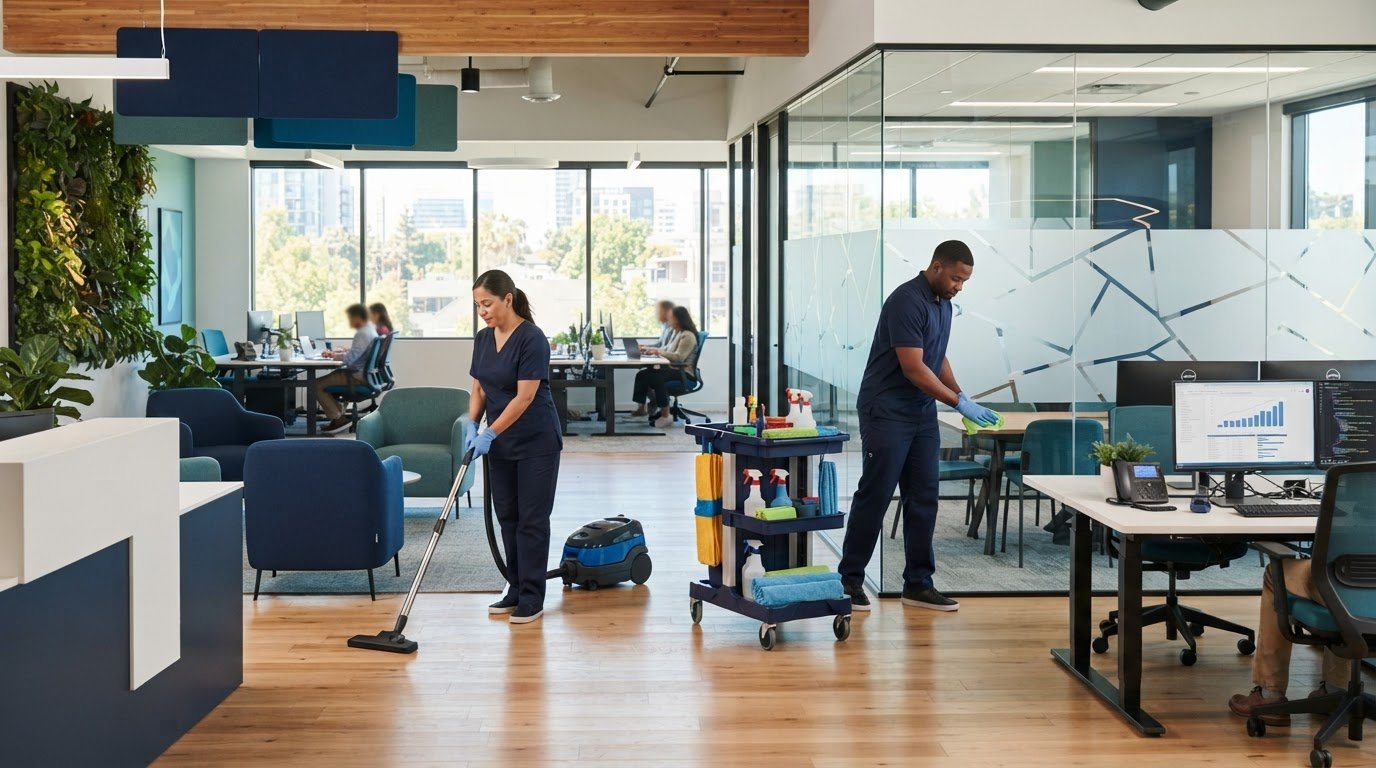
Once your boss is open to reviewing the request, match the workplace need with a service scope that makes sense for the facility. Commercial janitorial support can cover recurring office upkeep, while day porter service may suit workplaces that need attention to shared areas during the workday. Neither needs to be treated as an all-or-nothing package. Start with the spaces and tasks your evidence points to.
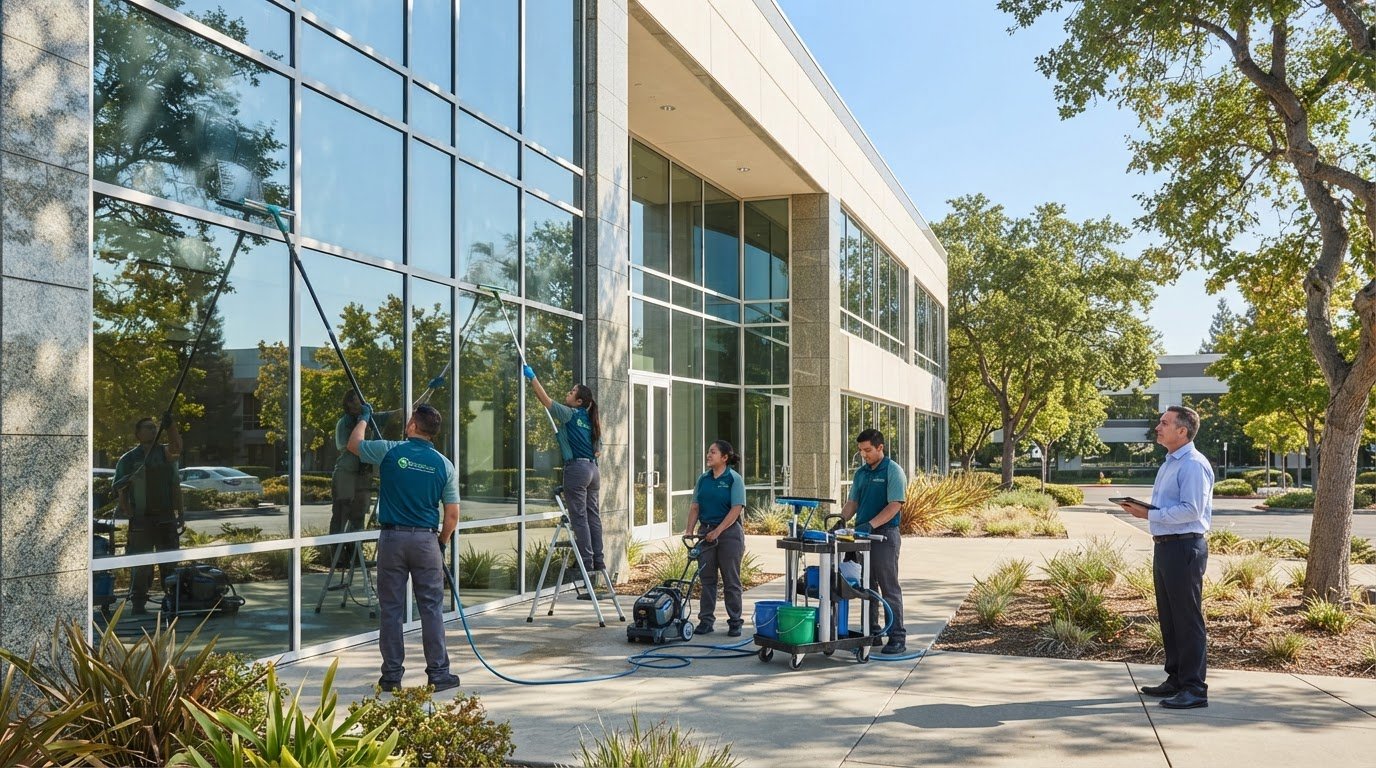
Cleanit Maintenance Systems provides commercial janitorial cleaning services in the Greater Sacramento area. The privately owned local business has operated for more than 30 years. Its services include daily office cleaning and day porter support, along with specialized options such as carpet cleaning, window washing, pressure washing, floor restoration, and medical office cleaning. This range gives managers options to consider according to the facility’s needs.
Which commercial cleaning needs can you include in the conversation?
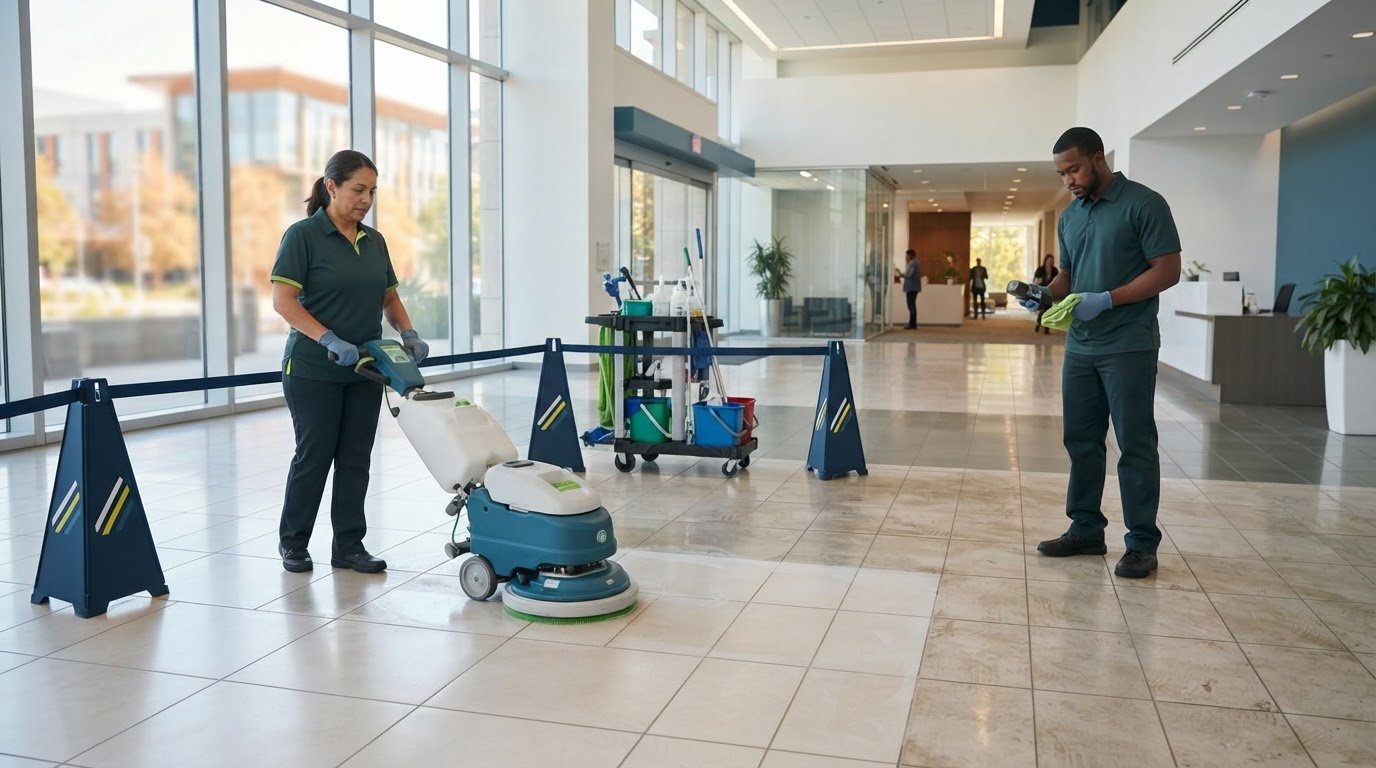
Keep the proposed scope specific to your facility. Cleanit provides office cleaning for workplace upkeep, with daily cleaning or day porter services suited to different patterns of space use. Include specialized work only when it matches a documented need, rather than expanding the request without reason.
- Recurring upkeep: identify the office areas and routine tasks that need scheduled attention.
- Day porter support: consider whether shared spaces need attention during normal workplace activity.
- Floor or carpet care: include these when the condition or maintenance needs of your flooring support the request.
- Window or exterior care: raise window washing or pressure washing when those areas are relevant to the facility’s needs.
Each workplace has its own layout, traffic, and operating requirements. A proposal for a small office may differ from one for a larger commercial facility. Keep the conversation anchored in the spaces your organization uses and the tasks management wants addressed.
How can a local service discussion help move approval forward?
A focused discussion can help translate your observations into a workable scope. Bring the areas of concern, the tasks you’re proposing, and any timing considerations your manager should weigh. For broader facilities or several types of spaces, use the Sacramento commercial janitorial services guide to frame the wider conversation around facility care.
The strongest request stays practical: evidence shows the need, a clear scope defines the work, and an agreed review gives management a way to assess fit. If your workplace is in the Greater Sacramento area, talk with Cleanit about commercial cleaning and discuss a scope that fits your facility.
Make the Next Conversation Easier
A request for cleaning support doesn’t need to settle every detail at once. Start with a focused discussion about the areas that need attention, the scope that would make sense, and what your manager needs to assess before deciding. Staying open to adjustments keeps the conversation constructive and helps turn a recurring concern into a workplace decision with a clear path forward.
If you’re considering how to convince your boss to hire a cleaning service, remember that a thoughtful proposal is an invitation to evaluate options, not a demand for an immediate commitment. Present the workplace need, listen to management’s priorities, and explore an approach that fits the organization.
Cleanit Maintenance Systems provides commercial cleaning services for workplaces in the Greater Sacramento area. To discuss how your documented requirements could translate into a janitorial scope, contact Cleanit about your Sacramento workplace cleaning needs.
Frequently Asked Questions
How do I convince my boss to hire a cleaning service for our office?
Make the decision easier to discuss by connecting your request to a business priority your boss already manages, such as keeping client-facing rooms presentable or clarifying who handles shared-space upkeep. Explain the specific issue, then ask what information would help them assess a solution. For example: “Would a defined cleaning scope be worth reviewing for the areas that need regular attention?” This collaborative approach supports how to convince your boss to hire a cleaning service without making the request adversarial.
What should I include in a proposal for professional office cleaning?
Include the spaces involved, the tasks under consideration, any access or scheduling constraints, and the responsibilities that would remain with employees. Add who within the organization would coordinate questions or provide access, if relevant. These practical details help prevent mismatched expectations. Keep the document easy to scan, and distinguish confirmed workplace requirements from preferences that management may want to discuss.
Is hiring a cleaning service more practical than asking employees to clean?
It depends on whether the tasks can be handled fairly within employees’ roles and whether the workplace needs a dependable routine. Consider how shared responsibilities are currently assigned, whether they’re being completed, and whether they compete with core duties. A blended approach may suit some offices: employees maintain their personal work areas while scheduled janitorial work addresses agreed shared spaces. Management can decide which division of responsibilities fits best.
Can a commercial cleaning service work around our office schedule?
Make scheduling part of the scope discussion rather than an assumption. Identify when rooms are occupied, which areas have regular meetings or visitor use, and any access procedures the organization requires. A Sacramento office can outline its operating pattern and priority spaces so those needs are part of the service discussion. Don’t assume a particular time or schedule before it has been agreed.
How can I estimate whether professional cleaning fits our budget?
Start with the budget process rather than an unsupported price estimate. Ask which department or facilities allocation would cover the work, and gather documented records of current cleaning arrangements or staff time. Compare options only when the task scope and frequency are comparable. If records are incomplete, say so. A transparent summary of what’s known, alongside unanswered budget questions, gives management a sounder basis for deciding what to explore.
What cleaning tasks should a business include in a service request?
Choose tasks based on the facility’s actual use. An office might identify restroom upkeep, shared kitchen attention, meeting-room resets, or care for frequently used floors. Note specialized needs separately, such as carpet cleaning, floor restoration, window washing, or pressure washing, and include them only if they apply. For a Sacramento workplace, a focused request should reflect its own layout, surfaces, and daily activity rather than a generic checklist.
How do I propose a trial period for office cleaning?
Ask management to consider a defined evaluation period and agree in advance on what they’ll review. Choose a few observable criteria tied to the requested work, such as whether designated rooms are ready for their intended use and whether the agreed task list is being followed. Set a check-in and a decision point with your manager. Treat the trial as a way to assess fit, not a guarantee that every concern will be resolved.