What makes an HOA cleaning plan effective is not simply how often a crew visits, but how well the work matches residents’ use of shared spaces. HOA common area cleaning Sacramento boards oversee can include busy entrances, quieter corridors, active amenity areas, and outdoor surfaces that need periodic care. A schedule that treats every area alike can leave important tasks unclear or disrupt residents.
Boards need a defined scope, clear expectations for routine and periodic work, and service timing that respects how residents use shared spaces. With those elements in place, cleaning is easier to coordinate and assess.
This guide explains how to map traffic and cleaning needs across your property, define observable expectations, and distinguish recurring service from day porter support and specialized maintenance. You’ll also learn how to plan around resident activity and review service over time. Cleanit Maintenance Systems provides commercial janitorial services across Greater Sacramento, including daily cleaning, day porter services, and specialized floor and exterior care.
Key Takeaways
- Map shared spaces by resident use and traffic so the cleaning scope reflects the property’s actual needs.
- Set clear, repeatable task expectations that the board can communicate and review consistently.
- Compare cleaning plans by scope, timing, access, specialty tasks, and communication, not just visit frequency.
- Use this HOA common area cleaning Sacramento checklist to organize the area inventory, access arrangements, resident-use patterns, and priorities.
- Consider how daily cleaning, day porter services, and periodic floor or exterior care can address different shared-space needs.
What HOA Common Area Cleaning in Sacramento Should Cover
HOA common-area cleaning is planned janitorial care for indoor and outdoor spaces residents and guests share, with tasks, timing, and service boundaries defined for the property. A clear scope helps the board set consistent expectations without treating every property responsibility as a cleaning task. For HOA common area cleaning Sacramento communities, that distinction makes it easier to plan recurring care around the spaces people actually use.
Cleaning focuses on removing soil, dust, and everyday residue from shared surfaces. The general overview of cleaning covers many settings and methods; an HOA scope narrows that work to a community’s specific areas and needs. Identify repairs, landscaping, pool care, and association management separately so they don’t become vague assumptions in a janitorial plan.
Which shared spaces belong in an HOA cleaning scope?
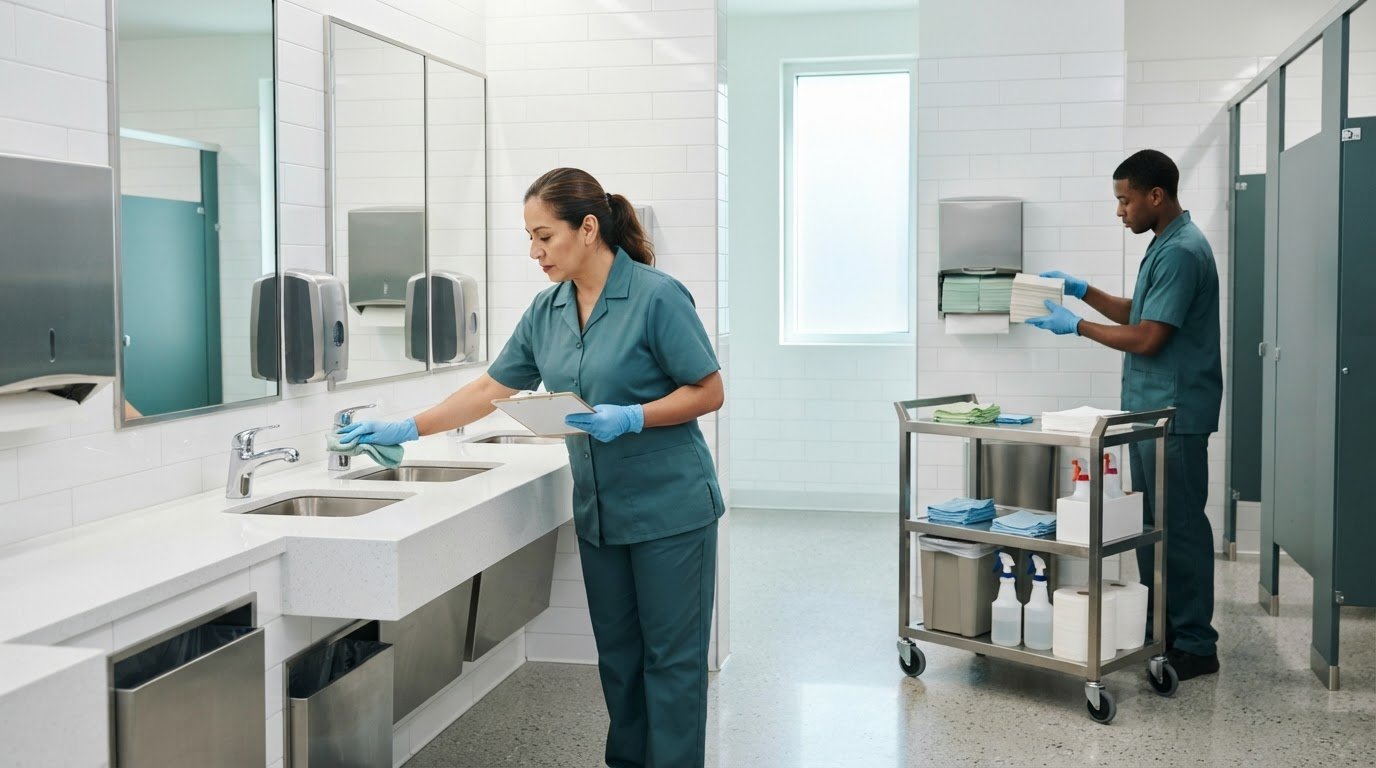
Start with an inventory of spaces used by residents and guests. Depending on the property, this may include lobbies, corridors, elevators, shared restrooms, and community rooms. Add entryways, interior glass, and other routinely used surfaces, then note outdoor common areas such as walkways and shared hard surfaces that need cleaning.
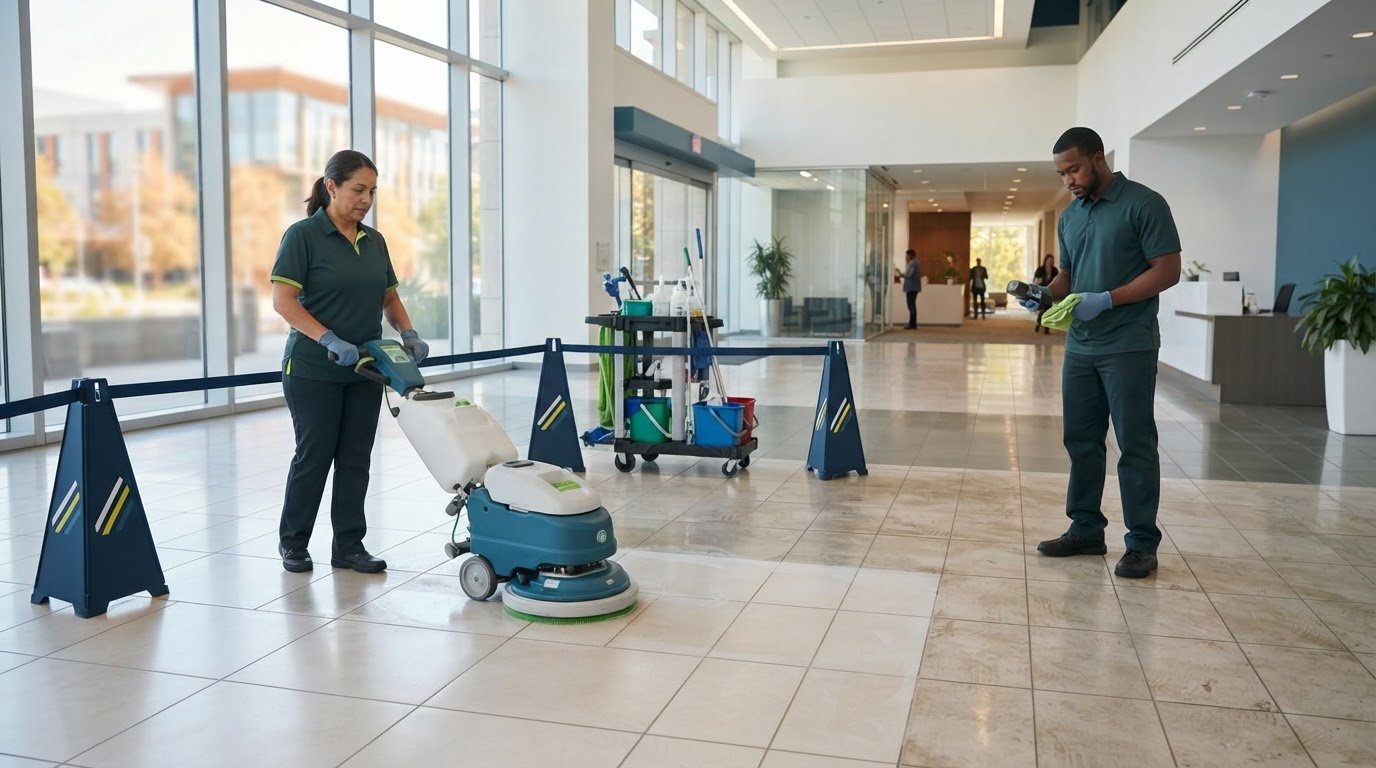
Separate tasks by frequency and type. Routine work might address visible soil and frequently touched surfaces in high-use areas. Carpet cleaning, window washing, floor restoration, and pressure washing can be listed as periodic or project-based care. Name both the area and the task, and distinguish cleaning from repairs, planting, or pool operation.
How Sacramento HOA use patterns shape priorities
Traffic and access help determine which areas need more attention and when work can happen with less disruption. A lobby used throughout the day may need a different service rhythm from a community room booked for occasional gatherings. Consider guest entry, resident movement, shared-space hours, and any access rules that affect the cleaning route.
Property layout matters as well. A site with separate buildings may need a different sequence from one with connected corridors and a central amenity space. Map entrances, shared indoor routes, and outdoor surfaces. Note how staff access each area and which spaces can be handled together. This gives the board a property-specific basis for deciding what needs recurring attention and what is better suited to periodic service.
How a Consistent HOA Cleaning Plan Works
A dependable plan turns a list of shared spaces into work that can be scheduled, communicated, and reviewed. For HOA common area cleaning Sacramento boards can follow a practical cycle: assess the property, define tasks by area, set timing around resident activity, and review the plan when use or priorities change. This keeps expectations tied to the community instead of relying on a broad instruction such as “clean common areas.”
Work through the decisions in order:
- Assess: Record the spaces in scope, their condition, how residents use them, and any access limits.
- Define: Name the task for each area, such as cleaning lobby floors, wiping elevator touchpoints, or cleaning a shared restroom.
- Schedule: Set a suitable recurrence and timing for each task, accounting for resident access and room bookings.
- Review: Compare completed work with the agreed scope, note recurring concerns, and adjust tasks when patterns change.
A recurring checklist turns expectations into repeatable work, helping the board and cleaning team stay aligned from one visit to the next. Keep it specific enough to guide service and simple enough to use. For each item, identify the area, the task, and how often it should be addressed. The checklist gives the board and cleaning team a shared reference for priorities and adjustments without requiring the plan to be rebuilt each time.
Turn shared-space needs into a repeatable task schedule
Group work by area and recurrence rather than giving the whole property one frequency. A regularly used entrance may need routine attention, while carpet cleaning or floor restoration can be planned separately as periodic maintenance. A community room’s needs may follow its bookings, while corridors can use a steadier schedule. Account for access and room reservations so work supports residents instead of interrupting shared-space activity.
Make the difference clear in the task list. Recurring janitorial tasks belong in the regular schedule; periodic floor or carpet work should appear as a separate planned item. This helps everyone see what is expected during a routine visit and what needs separate timing and coordination.
Coordinate scheduled cleaning and day porter support
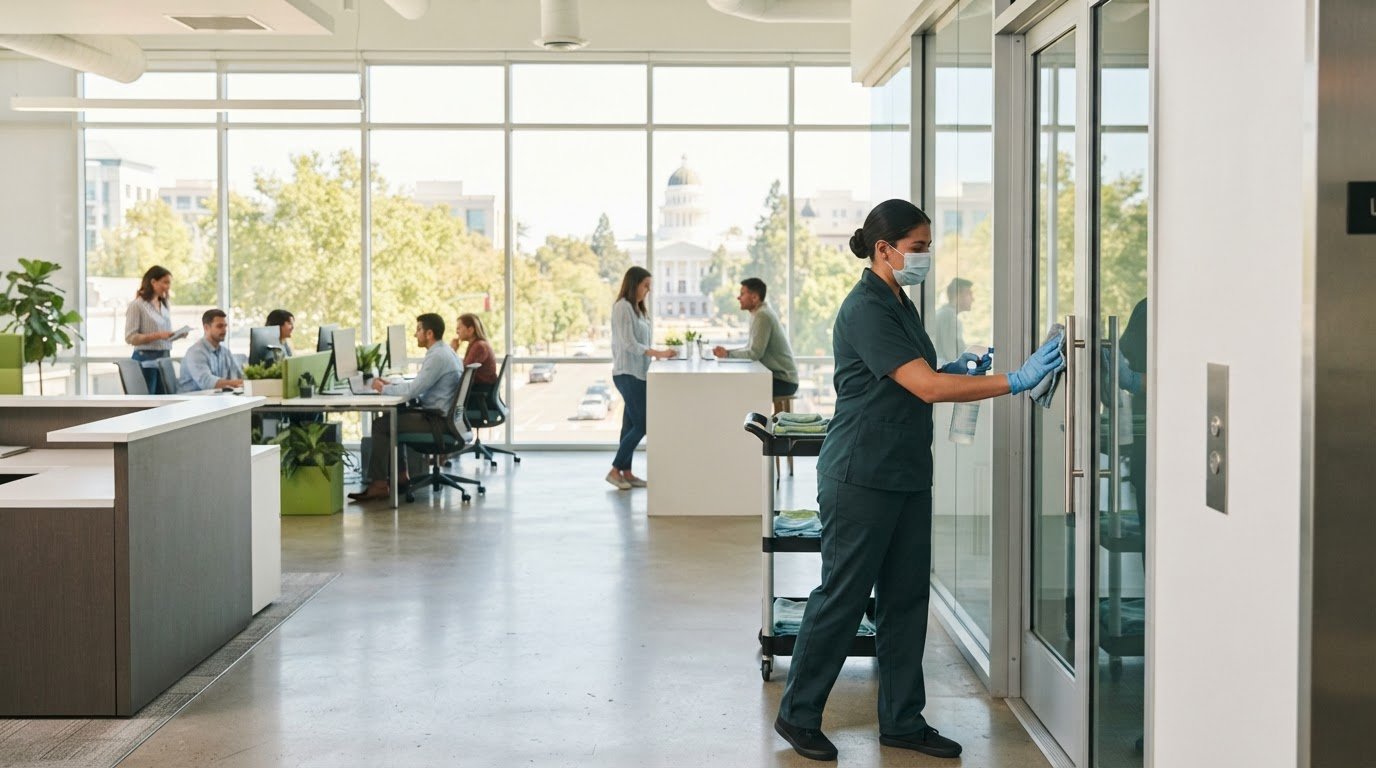
Scheduled janitorial work covers planned tasks at agreed times. Day porter services complement that work by addressing visible needs during occupied periods, including needs that arise between scheduled visits. The right mix depends on the property’s use, access, and priorities, not on applying the same frequency to every community.
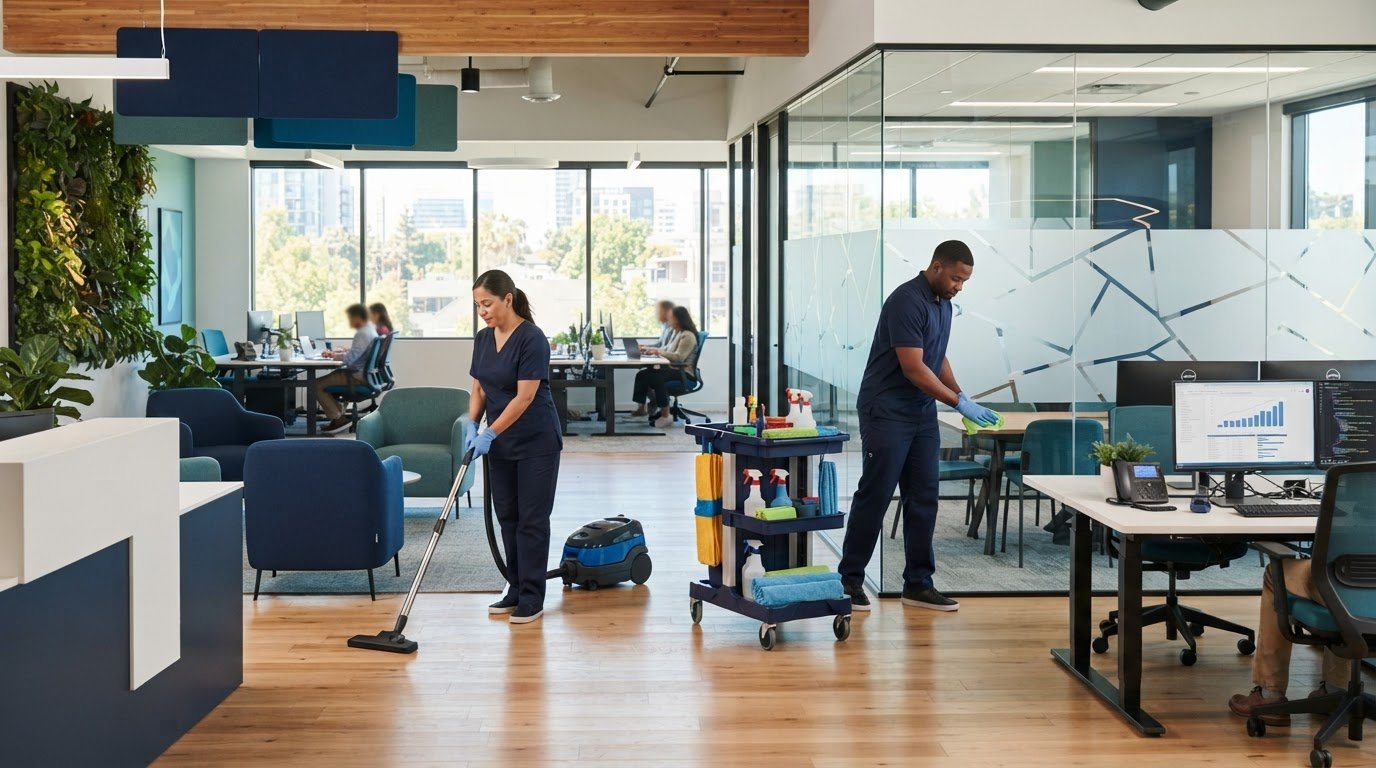
For properties that benefit from recurring upkeep, daily cleaning services can form part of a tailored plan, while day porter support addresses needs during active hours. Keep responsibilities distinct to avoid gaps and overlap. A written schedule and a regular review process help the board maintain clear expectations as resident use changes.
How HOA Boards Can Compare Common Area Cleaning Plans
A useful comparison looks beyond visit frequency and asks what the board can expect in each shared space. For HOA common area cleaning Sacramento communities, the written scope should distinguish recurring janitorial work from periodic specialty care and explain how service fits resident access. That clarity helps boards prioritize needs without treating every possible task as part of one undefined plan.
Review each plan against the same criteria. A side-by-side comparison makes differences easier to discuss and reveals gaps before they become recurring sources of confusion.
| Comparison point | What a clear plan describes |
|---|---|
| Scope clarity | Named areas, tasks, and service intervals, rather than a broad promise to clean common areas. |
| Schedule | Timing that accounts for resident access, shared-space use, and room bookings. |
| Access | How the cleaning route accommodates entry procedures and restricted spaces. |
| Specialty tasks | Which periodic floor or exterior services are planned separately from routine janitorial work. |
| Communication | How the board can report changing priorities and review whether the agreed scope is being addressed. |
What makes a service scope clear and accountable?
A useful scope names each area, the recurring task, and its intended service interval. “Clean the clubhouse” leaves room for different interpretations. Naming the floors, restroom surfaces, and frequently touched areas gives the board and cleaning team a more practical reference. The board can review completed work against that list and share updates when access, resident use, or priorities change.
For broader context on how janitorial programs are structured around facility needs, see commercial cleaning services. Cleanit tailors commercial cleaning plans to a facility’s requirements, connecting the written scope with the spaces and tasks that matter to the property.
Match specialty care to the property’s surfaces
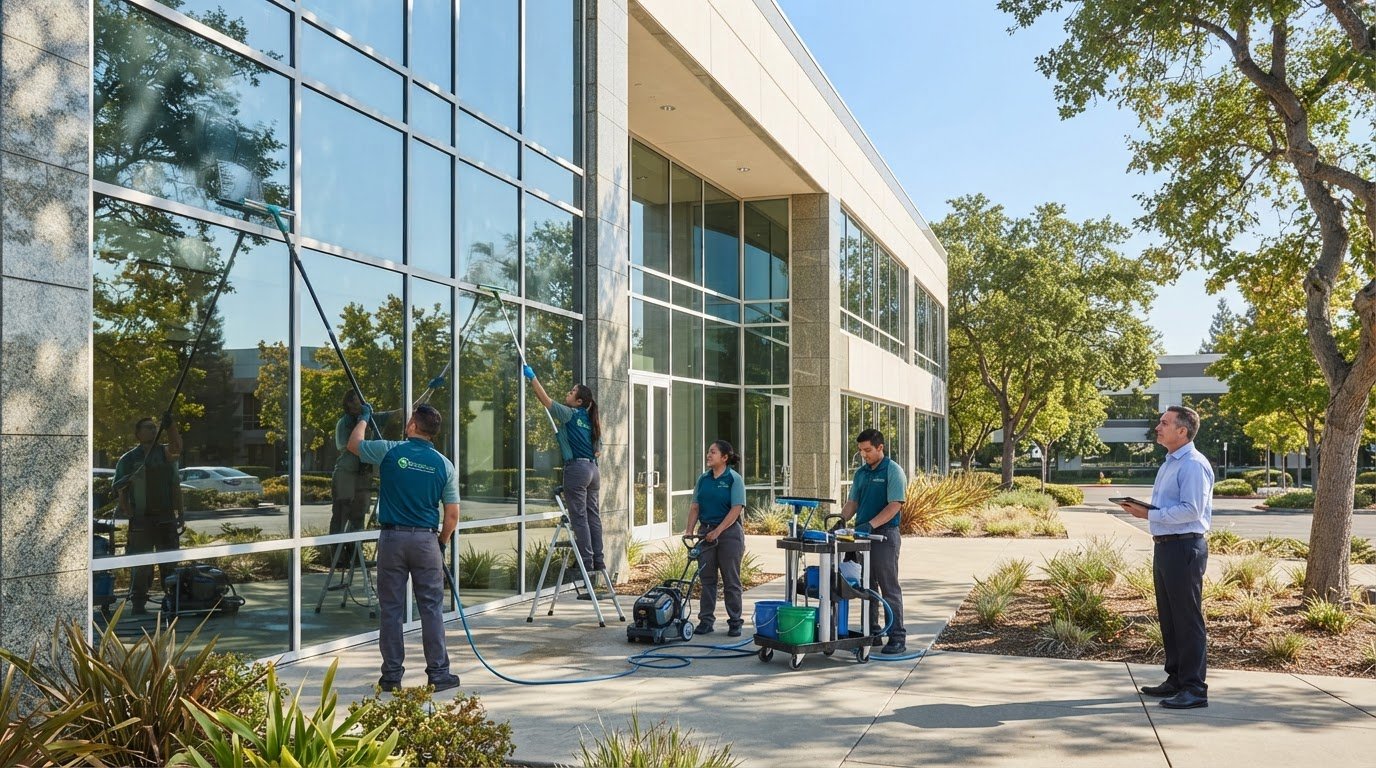
Specialty services address needs that routine janitorial tasks don’t replace. Carpet cleaning is for carpeted areas; floor restoration supports hard-surface floor care; window washing addresses glass; and pressure washing can clean appropriate exterior surfaces. List these as separately scheduled work, tied to the surfaces and priorities at the property.
Planned floor care complements recurring cleaning; it does not replace it. Daily cleaning services support regular upkeep, while periodic specialty tasks address the property’s particular surfaces and needs. If the budget is constrained, prioritize the areas residents use most and the tasks that address visible, recurring concerns. A ranked scope helps the board make deliberate tradeoffs instead of relying on vague coverage or unsupported savings claims.
A Sacramento HOA Checklist for Planning Common Area Cleaning
A well-prepared cleaning plan starts with details the board can document and maintain. Before setting or revising recurring service, build a shared picture of the property: which areas are included, how residents use them, what access is required, and which concerns deserve priority. This preparation helps turn HOA common area cleaning Sacramento needs into a scope that reflects the community rather than a generic schedule.
Use this checklist to organize the discussion:
- Inventory shared areas: List each building, entrance, corridor, elevator, restroom, community room, walkway, and other common space included in the plan.
- Note surfaces: Record flooring types and other surfaces that may call for different routine or specialty care.
- Map access: Document entry points, access procedures, restricted areas, and arrangements needed to reach each space.
- Describe use patterns: Note busy periods, guest access, community-room bookings, and other activity that may affect timing.
- Rank concerns: Identify recurring cleanliness issues and the areas residents or visitors encounter most.
- Separate service types: Distinguish recurring janitorial tasks from periodic carpet, floor, window, or exterior cleaning.
- Record community rules: Capture requirements that affect access, timing, or the use of shared spaces during cleaning.
Prepare the property and service priorities
Review the inventory as a route through the property, not just as a list of rooms. For multi-building communities, note which spaces are in each building and how access between them is arranged. This clarifies sequencing and coverage. Office buildings and complexes also need cleaning plans that account for multiple areas and facility layouts. Keep routine tasks distinct from periodic specialty maintenance.
Set communication and review routines
Name an association contact to coordinate scope updates and share information with the cleaning team. Set a practical review routine that suits the community, such as revisiting the task list when resident use changes or recurring concerns arise. For continuity, record the date of each change, what was revised, and who needs to know. Connecting cleaning with wider property upkeep can also help the board keep responsibilities organized.
A written record is especially useful when board members or property contacts change. Keep the current area inventory, access notes, task schedule, and update history together so decisions don’t depend on informal handoffs. If use of a community room changes, for example, document the new pattern and review whether the cleaning timing still fits.
With a clear inventory and priorities, boards can build a practical plan around the property’s surfaces, layout, and resident activity. Cleanit Maintenance Systems provides commercial janitorial services across Greater Sacramento, including daily cleaning, day porter services, and specialized floor and exterior care.
Cleanit’s Approach to HOA Common Area Cleaning in Sacramento
A useful cleaning plan reflects the spaces residents share, how they use them, and the attention each one requires. Cleanit Maintenance Systems provides commercial janitorial cleaning for shared-space needs across Greater Sacramento, with a scope shaped around the property rather than a one-size-fits-all package. The board’s inventory and priorities provide a practical starting point for separating recurring care from specialty work.
Build a service plan around shared-space needs
Details about each area guide the plan. A community with a frequently used lobby, shared corridors, and reservable rooms may have different priorities from a property with several buildings and extensive shared walkways. Resident activity, access arrangements, surfaces, and recurring concerns help define the tasks and how service fits the community’s routine.
Recurring janitorial work and day porter support serve different needs. Scheduled cleaning addresses tasks in the regular scope, while day porter services provide daytime attention to visible needs during occupied periods. Depending on the property, the plan can also include carpet cleaning, floor restoration, window washing, or pressure washing. These services complement routine upkeep rather than replace it.
Cleanit has operated locally for more than 30 years. Its Greater Sacramento experience informs a steady, service-oriented approach to commercial cleaning, while the specific scope remains tailored to the property. The board can use its area list and service priorities to guide a clear discussion of the work, its timing, and how it supports shared-space use.
Discuss your Sacramento community’s cleaning needs
Before planning service, the board or manager can gather a concise overview of the property: which shared areas need attention, how residents use them, what access arrangements apply, and which concerns should guide priorities. Distinguish regular janitorial tasks from periodic floor or exterior care. These details give the planning conversation a concrete foundation and keep the scope connected to the community’s needs.
Cleanit can develop a tailored commercial cleaning plan that brings together recurring service, day porter support, and relevant specialty care for the property. A clearly defined approach helps the board coordinate shared-space cleaning without adding unnecessary complexity to its responsibilities.
When your board is ready to discuss its community’s priorities and next steps, connect with Cleanit about HOA cleaning.
Make Your HOA Cleaning Plan Work for the Community
A shared-space cleaning plan should remain useful as resident routines, access needs, and community priorities shift. Treat it as a working document: keep the scope clear, share updates with the people responsible for coordination, and revisit it when the property’s needs change. This helps HOA common area cleaning Sacramento boards arrange stay grounded in day-to-day community use.
The next step is a focused conversation about your property. Gather the areas you want covered, the concerns that matter most, and any scheduling or access considerations. Cleanit provides tailored commercial cleaning plans for shared spaces and ongoing property priorities.
Discuss your Sacramento community’s cleaning needs and take a clear next step toward a plan that fits your HOA.
Frequently Asked Questions
What areas are usually included in HOA common area cleaning?
HOA common area cleaning usually covers shared spaces such as building entrances, lobbies, corridors, elevators, community rooms, and shared restrooms. Some communities also include mail areas or indoor amenity spaces if they’re association-managed and part of the agreed scope. Make the boundaries clear by noting which areas are shared, which are private, and whether each space is included in regular service or handled separately.
How often should an HOA schedule common area cleaning?
There’s no single schedule that fits every community. Set service intervals according to how quickly each space becomes soiled, its resident and guest traffic, and the access available for cleaning. For HOA common area cleaning Sacramento boards can start by noting which areas need attention between regular visits, then adjust the schedule if use changes or a recurring concern appears. Reviewing the plan helps keep the frequency useful rather than fixed by habit.
Can HOA cleaning include day porter services?
Yes. Day porter services complement scheduled cleaning when a community needs attention during occupied hours. Define the porter’s role around daytime priorities and keep the recurring janitorial task list distinct. For example, scheduled cleaning can cover planned area care while daytime support addresses visible needs that arise as shared spaces are used. A clear scope keeps responsibilities from overlapping.
What is the difference between janitorial cleaning and HOA maintenance?
Janitorial cleaning addresses cleanliness, such as removing soil from floors or cleaning shared interior surfaces. HOA maintenance covers a wider range of property needs, including repairs and upkeep that aren’t cleaning tasks. If a cleaner notices a damaged fixture or a leak, route that concern through the association’s maintenance reporting process rather than treating it as janitorial work. Clear boundaries help direct each issue to the right person.
Can a cleaning plan cover multiple buildings in one Sacramento community?
Yes. A plan can cover multiple buildings, with each building’s shared spaces and access arrangements documented separately. This accounts for differences in layout, resident use, and the time needed to move between areas. A building-by-building schedule shows where tasks apply and avoids assuming every location needs identical service. One plan can coordinate the community’s work while recognizing each building’s specific needs.
How can an HOA make common area cleaning more accountable?
Make expectations observable: identify the space, describe the task in plain language, and set an intended service interval. Keep a shared record of the current scope and note changes, including who approved or communicated them. A board contact can collect concerns, route them to the right person, and compare follow-up observations with the written expectations. This creates a consistent reference instead of relying on memory or broad instructions.
Does HOA common area cleaning include carpet and floor care?
It can include carpet cleaning and specialized hard-floor care as part of the overall cleaning plan. These tasks can be scheduled separately from routine janitorial visits because they address particular surfaces and maintenance needs. List carpeted rooms, hard-floor areas, and recurring concerns, then distinguish them from everyday cleaning tasks. Cleanit provides carpet cleaning and floor restoration and protection as part of its commercial maintenance services.