What if the best office cleaning schedule isn’t the most frequent one, but the one that fits how your team uses the space? Meeting rooms and shared areas can get untidy during busy days, while hybrid attendance makes daily needs harder to predict. Choosing office cleaning for tech startups in Midtown Sacramento means looking beyond a standard checklist and matching the service plan to your office’s actual activity.
A clean, professional workspace matters to employees and visitors, but cleaning shouldn’t disrupt meetings, focused work, or normal office routines. The right arrangement gives your team clarity about which areas are covered, when service takes place, and how priorities can adapt as attendance changes.
This guide compares cleaning schedules, service scope, and operational considerations to help you choose office cleaning that fits your startup. You’ll learn how daily cleaning and day porter services can support different routines, what to consider for shared spaces and hybrid attendance, and how a clear commercial janitorial plan can reduce coordination for your team. Cleanit Maintenance Systems serves businesses in the Greater Sacramento area with commercial office cleaning and related maintenance services.
Key Takeaways
- Match cleaning frequency to how employees, visitors, and shared spaces use the office, especially when attendance shifts throughout the week.
- Compare recurring office cleaning with day porter support by the tasks and timing each approach is meant to address.
- Set expectations for meeting-room priorities, cleaning windows, and communication to limit disruption to focused work.
- Plan the scope around office layout, floor surfaces, shared-space use, and visitor activity.
- Use these criteria to find office cleaning for tech startups in Midtown Sacramento that fits your workspace and daily routines.
What Midtown Sacramento Tech Startups Need from Office Cleaning
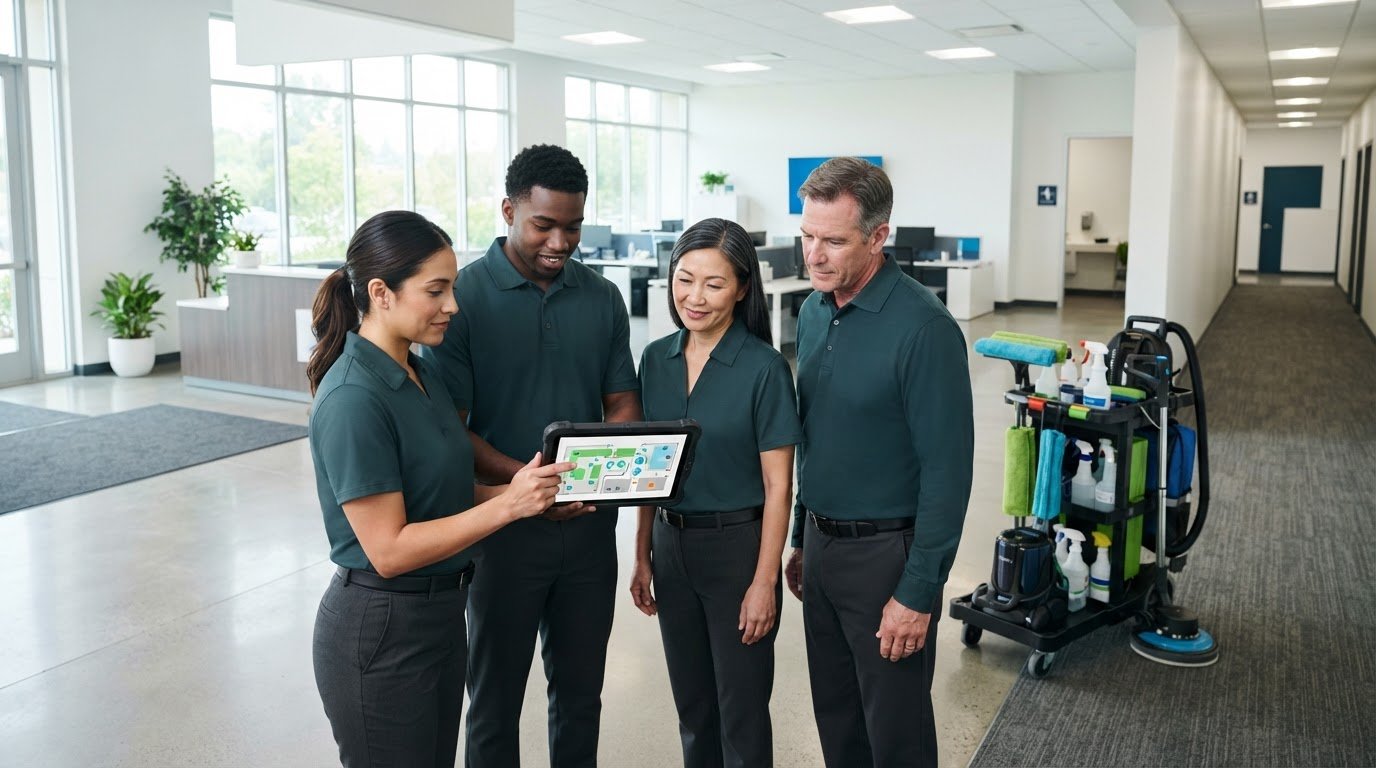
A startup office brings different kinds of activity together: shared work areas, meetings, visitors, and attendance that can shift from day to day. A tidy reception area helps create a positive first impression, while a busy meeting room or break area may need more frequent attention. For office cleaning for tech startups in Midtown Sacramento , start by mapping how people use each space.
Commercial office cleaning is typically organized as recurring service around a workplace’s layout and agreed tasks. That differs from one-time residential cleaning, which is generally planned around a home rather than regular office routines. A clear scope makes it easier to understand what the plan covers, what takes priority, and how the work fits into the business day.
A practical starting scope may include work areas, meeting rooms, a kitchen or break area, and restrooms as applicable. Separate essential recurring tasks from areas that need occasional attention, and make the list reflect the office’s layout. For a broader overview of the field, see Commercial cleaning practices and standards. Cleanit Maintenance Systems provides commercial office cleaning in the Greater Sacramento area.
Which office areas shape a startup cleaning plan?
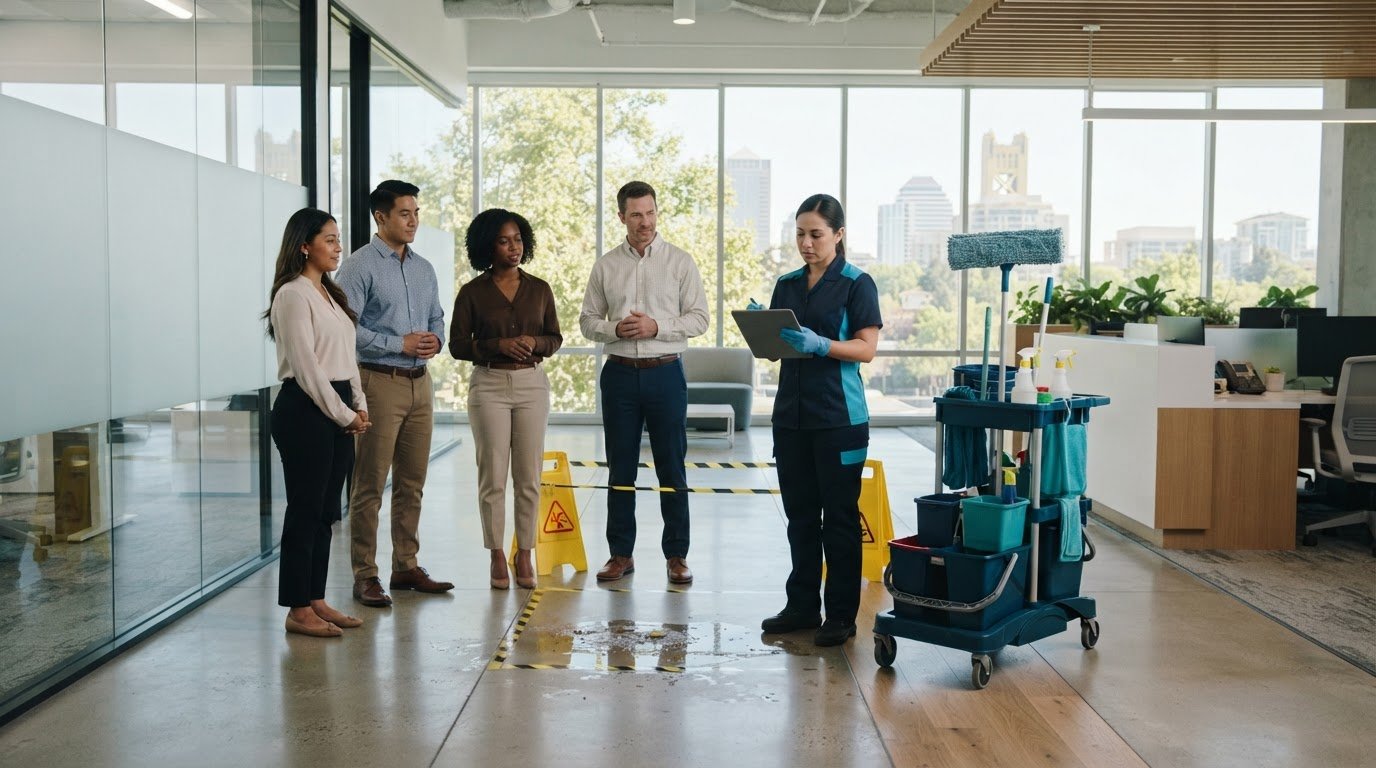
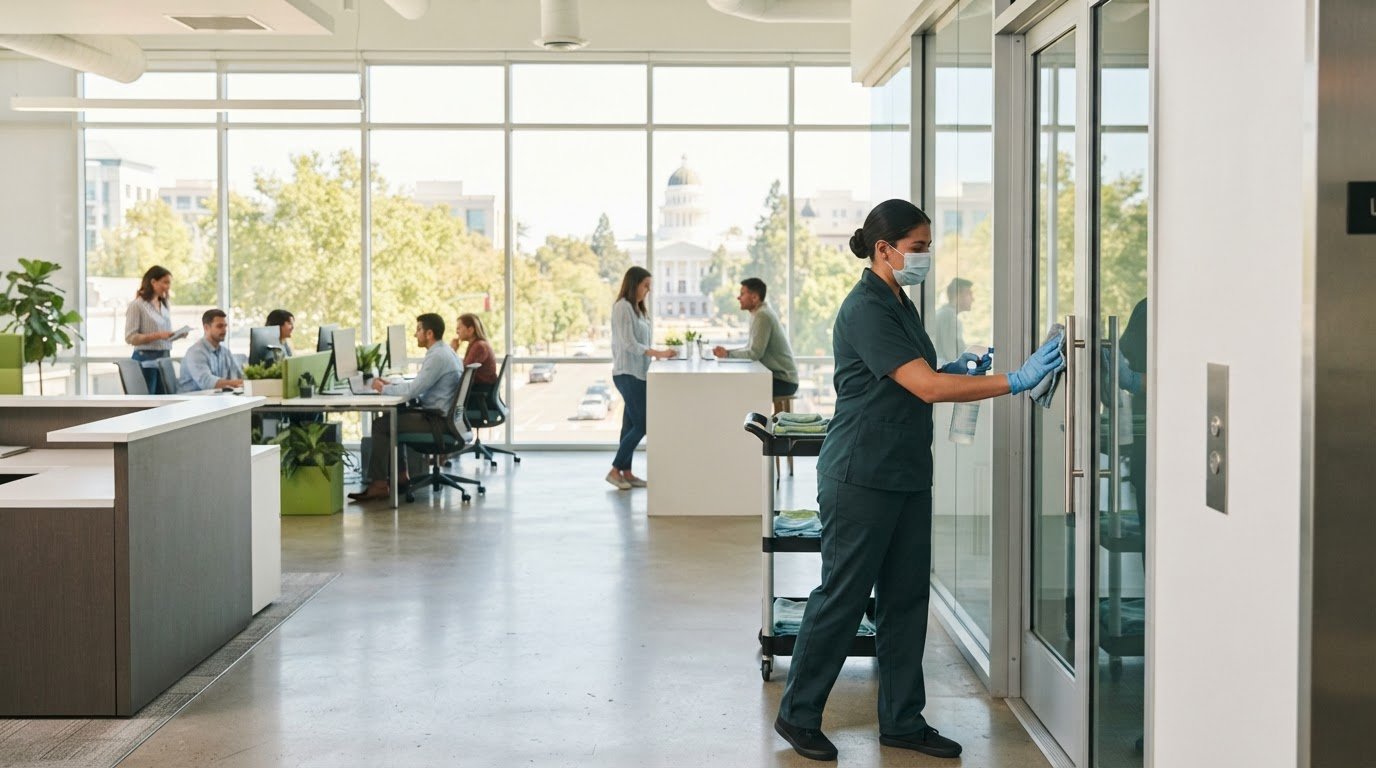
Different spaces see different kinds of use. Meeting rooms may need attention after presentations or client discussions; desks and shared equipment areas may be used by different people throughout the week. Reception areas, restrooms, and break spaces can also draw steady foot traffic. Walk through the office and note the busiest areas, which spaces visitors use, and where activity peaks. Use those observations to prioritize tasks instead of assuming every room needs the same level of attention.
How hybrid work changes cleaning priorities
Hybrid attendance can shift where activity gathers. Shared desks may be used more heavily on in-office days, collaboration areas may fill during team sessions, and meeting rooms may turn over more often when schedules are full. Before setting a service schedule, note the busiest days, recurring meetings, and regular events. These patterns help you discuss which areas need attention and when, without assuming every startup needs the same cleaning frequency.
How to Compare Office Cleaning Schedules and Service Scope
Start with the kind of support your office needs, then set frequency according to observed use and agreed priorities. A schedule that works for a mostly quiet workspace may not suit an office with busy collaboration days, frequent visitors, or regular events. There’s no single cleaning frequency that fits every startup. A simple weekly review of attendance and room use can help your team identify whether priorities have changed.
Recurring cleaning or day porter support: what fits?
Recurring cleaning follows a planned schedule and a defined list of tasks for agreed spaces. Day porter service provides daytime support for office needs as they arise. Recurring cleaning is suited to routine upkeep; day porter service can address visible needs during the workday. Some offices may benefit from one approach, while others may combine them around their routines.
| Service approach | Useful office conditions | Questions to settle in the scope |
|---|---|---|
| Recurring cleaning | Regular upkeep of agreed work areas, meeting rooms, restrooms, and shared spaces. | Which areas and tasks are included? How often should each priority area be serviced? |
| Day porter support | Visible daytime needs in spaces that see ongoing activity, such as reception, meeting rooms, or break areas. | Which needs should be prioritized during the day? How should changing requests be communicated? |
For office cleaning for tech startups in Midtown Sacramento , use actual office patterns to guide the plan. Note which days bring more staff onsite, when meeting rooms turn over, and whether visitor activity creates extra demand in reception. Cleanit Maintenance Systems offers daily office cleaning and day porter services for businesses with different workplace routines.
Build a scope around the way your team uses the office
Replace a vague request for a “full clean” with clear task groups. List work areas, shared spaces, restrooms, and floors separately, then note priorities, exclusions, and rooms that need special coordination. For example, a shared kitchen might need more frequent attention than a low-traffic work area, while floor care depends on the surface and how it is used. A defined scope gives everyone a common reference point. For background on workplace safety considerations, consult OSHA standards for office cleaning.
A commercial janitorial plan works best when expectations are clear and tasks reflect how the office operates. When comparing recurring service with daytime support, consider how each approach addresses your team’s priority spaces and workday needs.
Addressing Startup Concerns: Access, Disruption, and Changing Needs
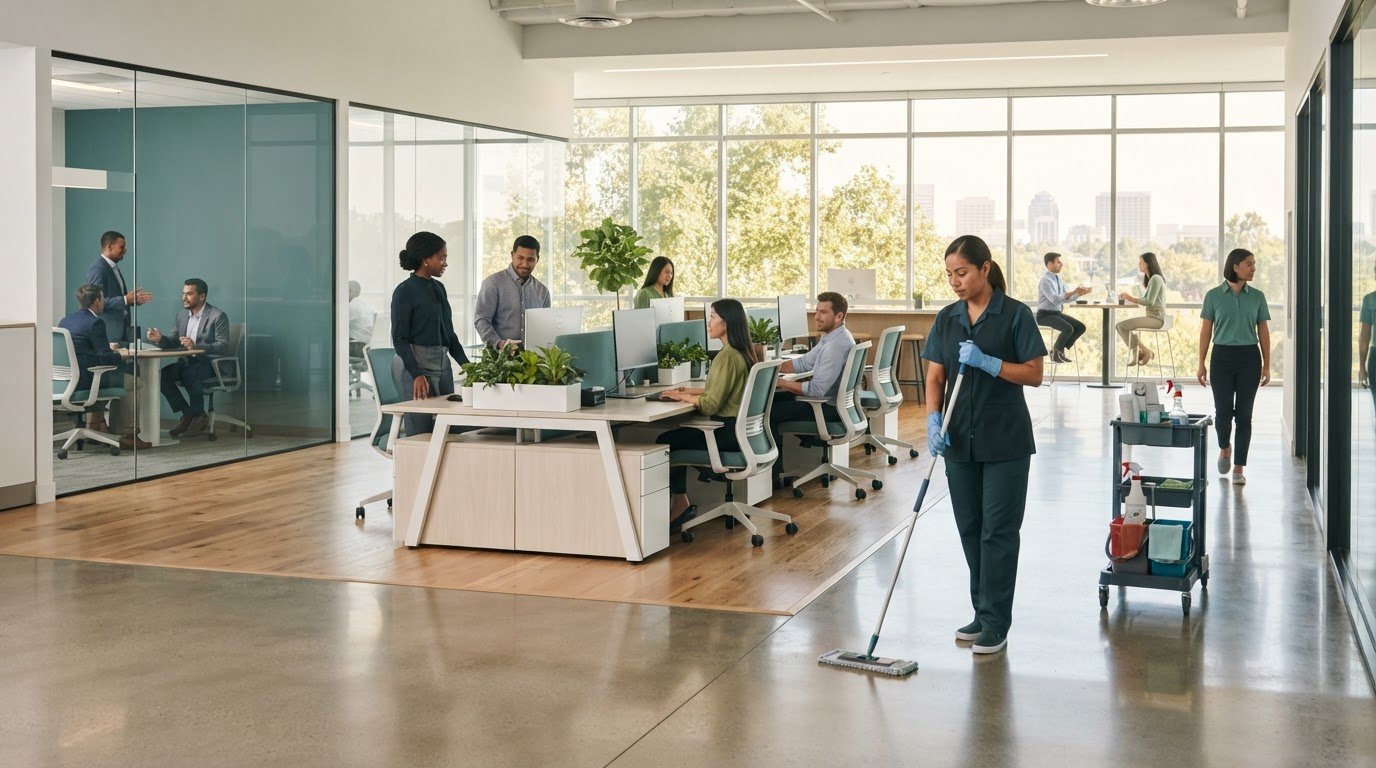
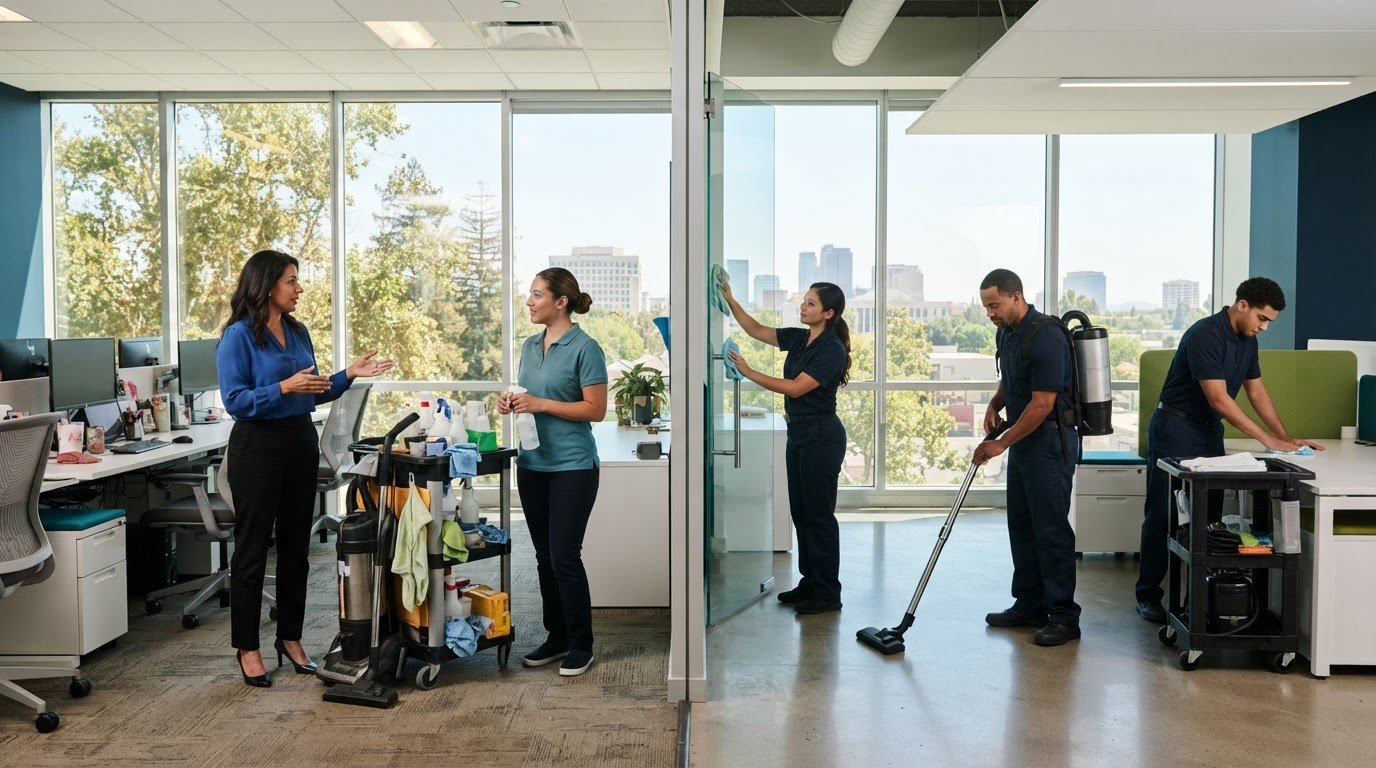
Cleaning should support the workday, not create avoidable friction around it. For office cleaning for tech startups in Midtown Sacramento, coordination starts with sharing how the space operates: when meetings tend to cluster, which areas need quiet for focused work, and what access instructions the cleaning team should follow. Clear expectations help the cleaning plan work around office routines.
How can cleaning fit around meetings and focused work?
Before setting service timing, map meeting-heavy periods and high-focus areas, such as rooms used for calls or concentrated work. Then identify priority spaces where regular attention matters, including reception, restrooms, break areas, and frequently used meeting rooms. A clear list helps guide the work without assuming every task can happen at a particular hour or without any interruption.
Keep access instructions in one current document for the office’s point of contact and cleaning team. Include the areas covered, spaces that require special coordination, and the office’s entry and communication procedures. Record only the instructions needed for the agreed service, and update them when routines change. A shared reference reduces reliance on informal messages and assumptions.
How to plan for changing office occupancy
Attendance patterns can shift as teams change workdays, add meetings, or host more visitors. Review cleaning priorities when those patterns change. A shared workspace used more heavily on certain days may need different attention than a quiet area, while a fuller meeting calendar can affect room turnover and shared surfaces. Keep the plan aligned with actual use rather than applying a fixed routine without review.
Name one staff contact to communicate routine updates, such as a room temporarily out of use, an upcoming event, or a change in visitor activity. Agree on a straightforward way to share updates and how task priorities should be adjusted. This gives cleaning coordination a clear owner instead of leaving it to whoever happens to notice an issue.
Cleanit Maintenance Systems provides commercial office cleaning tailored to workplace needs. A clear discussion of work routines, priority areas, and access instructions can help establish a practical approach for your team. To discuss office cleaning needs with Cleanit, share the details that shape your day-to-day operations.
A Practical Checklist for Choosing Midtown Sacramento Office Cleaning
A useful cleaning plan starts with an accurate picture of the workplace, not a broad label or a polished proposal headline. Before comparing options, gather the details that affect the scope: office size, shared-space use, floor surfaces, visitor activity, and the tasks your team considers essential. This makes it easier to compare what’s actually included and spot gaps before service begins.
What information should a startup prepare?
Walk through the space and note rooms that need routine attention, typical attendance patterns, visitor-facing areas, and periods when cleaning could interrupt work. Record floor types and other maintenance needs for discussion. These details help shape a practical scope for office cleaning for tech startups in Midtown Sacramento .
A five-step selection checklist
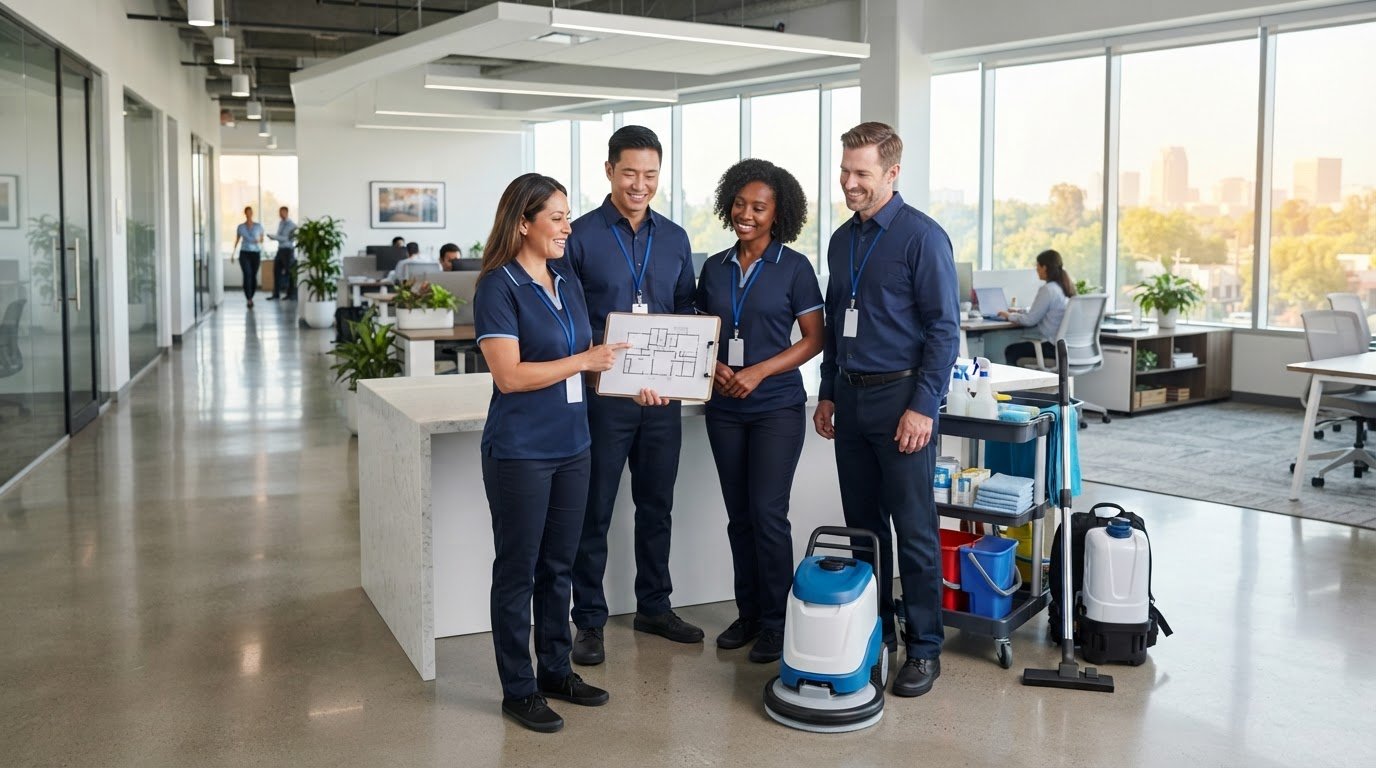
- Map the space. List work areas, meeting rooms, restrooms, break areas, reception, and floor surfaces, along with the approximate office size.
- Identify priorities. Note which shared spaces see the most use and where employees, clients, or candidates are likely to spend time.
- Set timing. Share attendance patterns, recurring events, and periods when cleaning could disrupt focused work or meetings.
- Agree on communication. Choose a staff point of contact and a straightforward way to share routine updates or changes in office use.
- Review the fit. Compare the proposed tasks, spaces, timing, and communication approach against the needs you documented.
How to assess whether a cleaning plan is workable
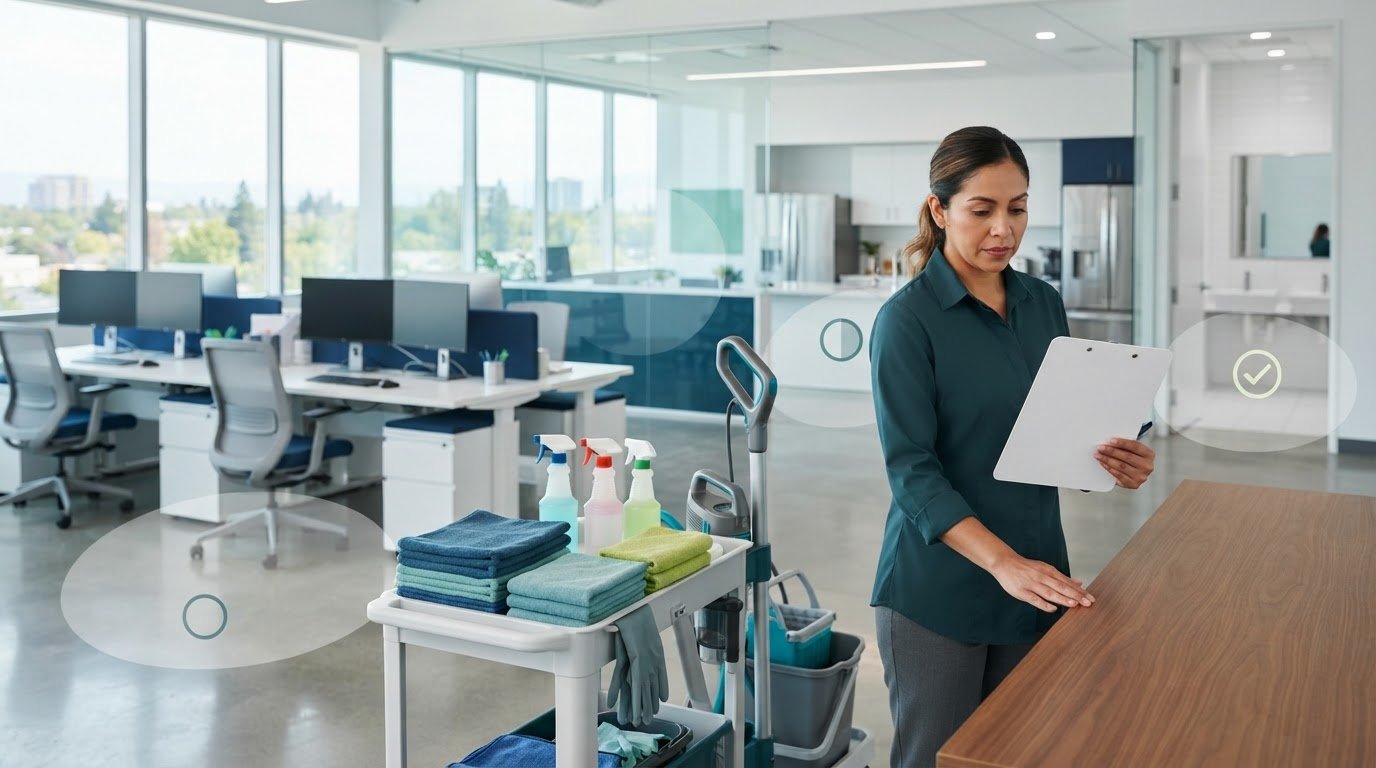
Read the task list closely. It should name the areas covered and describe the work clearly enough for your team to understand expectations. A phrase like “full clean” may sound comprehensive, but details grouped by work areas, shared spaces, restrooms, and floors make the scope easier to evaluate. Look for a schedule and communication process that suit the office’s daily operations, rather than relying on a proposal’s headline wording alone.
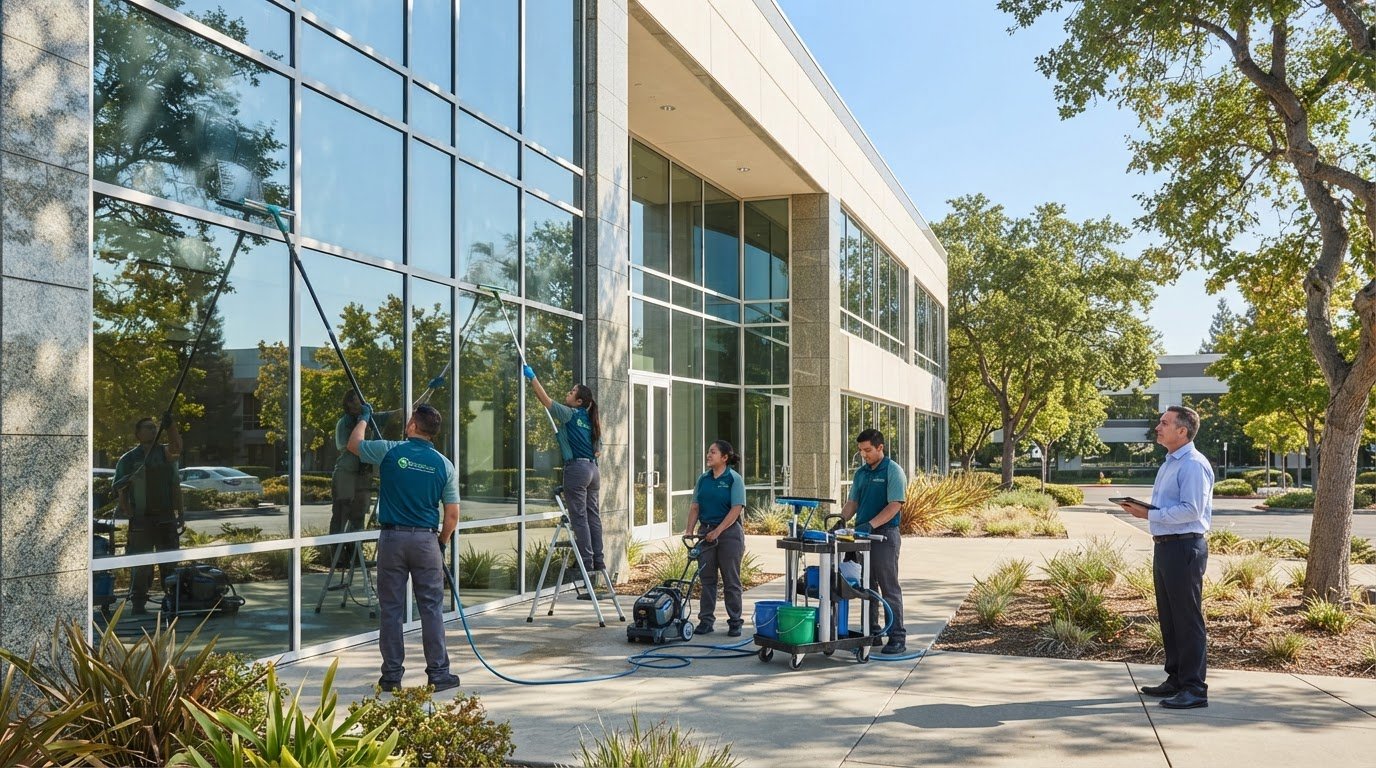
Keep recurring janitorial tasks distinct from occasional maintenance needs. Carpet cleaning, floor restoration, window washing, and exterior pressure washing may require separate planning from routine office cleaning. Cleanit Maintenance Systems provides office cleaning services in Sacramento, with scope shaped around the workplace’s needs.
Once you’ve outlined the space and priorities, discuss your office cleaning needs with Cleanit to explore an approach that fits your startup’s operations.
A Local Cleaning Partner for Your Midtown Sacramento Startup
Cleanit Maintenance Systems is a privately owned commercial janitorial provider serving the Greater Sacramento area. For a Midtown startup, an ongoing local relationship can help keep agreed cleaning tasks organized as the office’s routines evolve, rather than leaving staff to coordinate each need on their own.
What a local commercial cleaning relationship can support
Recurring office cleaning can address the routine tasks and spaces defined in your scope. Daily cleaning services may suit offices that need regular attention, while day porter services can complement that routine when daytime support for shared or visitor-facing spaces is a priority. The right combination depends on the workday: a team with steady use of common areas may value daytime attention, while another may prioritize scheduled care of agreed spaces.
Additional maintenance can be considered according to the office itself. Carpet cleaning may be relevant for carpeted work or meeting areas; floor restoration, window washing, or pressure washing may fit particular surfaces or exterior needs. Keeping these needs distinct from routine janitorial tasks makes the scope easier to understand and manage. Cleanit provides commercial office cleaning in Greater Sacramento, including for businesses planning service around startup operations.
Move from office checklist to a service conversation
A focused discussion can begin with a short outline of your workspace: the areas that need attention, typical attendance patterns, priority tasks, and timing preferences. Mention shared rooms, visitor-facing spaces, and changes in use that could affect the plan. These details give the conversation a practical starting point without requiring your team to arrive with a finished service specification.
For office cleaning for tech startups in Midtown Sacramento, the goal is a dependable arrangement that reflects how your workplace functions and gives your team a clear point of coordination. To share your office cleaning requirements, outline your priorities and discuss an approach suited to your operations.
Build a Cleaning Plan That Works for Your Startup
Dependable office cleaning starts with a clear understanding of how your team uses its space. Define the areas and tasks that matter, choose recurring service or daytime support according to your routine, and agree on timing and communication so the plan can adapt as attendance changes. These steps make office cleaning for tech startups in Midtown Sacramento more practical and easier to coordinate.
Cleanit Maintenance Systems serves the Greater Sacramento area with commercial janitorial, daily office cleaning, and day porter services. This range supports different workplace routines, with a defined scope to help keep cleaning needs organized.
Start a service discussion by sharing your office layout, priorities, attendance patterns, and preferred timing. Discuss office cleaning for your Midtown Sacramento startup with Cleanit, and take a clear next step toward a workspace that feels ready for the people who use it every day.
Frequently Asked Questions
What should office cleaning for a tech startup include?
Start with the spaces your team uses most, such as work areas, meeting rooms, shared spaces, restrooms, and break areas where applicable. For office cleaning for tech startups in Midtown Sacramento, set priorities based on your layout, attendance patterns, and visitor activity. For example, a meeting room used throughout the day may need different attention than a rarely used office. Agree on specific tasks and areas in the service scope so expectations stay clear.
How often should a startup office be cleaned?
There’s no single schedule that suits every startup. Consider how many people use the office, which days are busiest, how often rooms turn over, and how frequently visitors use shared areas. Use those patterns to discuss a recurring schedule and whether daytime support would be useful. A team with frequent in-office collaboration may have different priorities from one with lighter, more variable attendance. Review the plan when occupancy or workspace use changes.
Is day porter service different from regular office cleaning?
Yes. Regular office cleaning covers agreed tasks on a planned, recurring schedule. Day porter services provide daytime support for office needs during operating hours. A startup may choose one approach or consider both, depending on its priorities. Recurring service can organize routine upkeep, while daytime support may suit offices where shared spaces or visitor-facing areas need attention as the workday unfolds. The scope should explain which tasks each approach addresses.
Can office cleaning be scheduled around meetings and hybrid work?
Cleaning timing can be discussed in relation to meeting patterns, focused work periods, and days when more employees are onsite. Before agreeing on a scope, note which spaces are busiest and when cleaning would be most disruptive. For example, a heavily booked meeting room may need different timing considerations than a quiet work area. Clear priorities and a communication routine help align the plan with office operations.
What should I compare when reviewing office cleaning proposals?
Compare the task list, areas covered, proposed schedule, and communication process. Look for descriptions that clarify what happens in shared spaces and other priority areas instead of relying on a broad phrase such as “full service.” Consider whether the plan reflects your office routines and timing needs. Also distinguish recurring janitorial tasks from occasional carpet or floor maintenance, so you can understand the purpose and scope of each part of the proposal.
Do Midtown Sacramento tech startups need a separate cleaning plan?
Not necessarily, but the scope should reflect the actual workplace. A smaller office with frequent meetings may prioritize room turnover and shared areas, while a hybrid workspace may focus on shared desks and changing attendance. Note the rooms, visitor-facing spaces, and routines that shape your needs, then use those details to guide a commercial cleaning discussion. A practical plan is based on how your office operates, not simply on the fact that it’s a startup.
Does Cleanit Maintenance Systems provide commercial office cleaning in Sacramento?
Yes. Cleanit Maintenance Systems provides commercial janitorial and office cleaning in the Greater Sacramento area, including daily cleaning and day porter services. Specialized maintenance includes carpet cleaning, floor restoration, window washing, and pressure washing. For a startup office, begin with the spaces your team uses, its attendance patterns, and the tasks that matter most. This helps establish a service scope suited to the workplace and its routines.