Cleanliness shapes your brand before anyone reads a sign or speaks with your team. How professional cleaning impacts brand image is straightforward: a well-kept space can signal care, reliability, and high standards, while visible neglect can undermine those impressions. Reception areas, meeting rooms, and restrooms all influence how customers and partners experience your business.
Your service may be the focus, but the environment around it also shapes how people feel about their visit. A clean, orderly workplace can reassure customers, support a consistent experience, and help employees focus on their work.
This article explains how commercial cleaning can strengthen credibility, customer trust, loyalty, and brand distinction. It also explores why consistent care matters more than a one-time refresh, which areas most affect perceptions, and how a well-maintained workplace can support your brand standards over time.
Key Takeaways
- Match cleaning priorities to the standards your brand wants customers and partners to recognize.
- Build a consistent cleaning routine around the areas and touchpoints that shape everyday impressions.
- Thoughtful upkeep can make visits more comfortable and encourage customers to return and recommend your business.
- A well-maintained workplace can distinguish your business through visible attention to detail.
- Commercial cleaning support can help maintain standards over time, rather than relying on occasional deep cleans.
Professionalism, credibility, and perceived quality
A clean environment gives customers visible evidence of care before they assess a product or service. That impression can shape whether your business seems organized, dependable, and attentive to its standards.
Public Perceptions of the Cleaning Industry
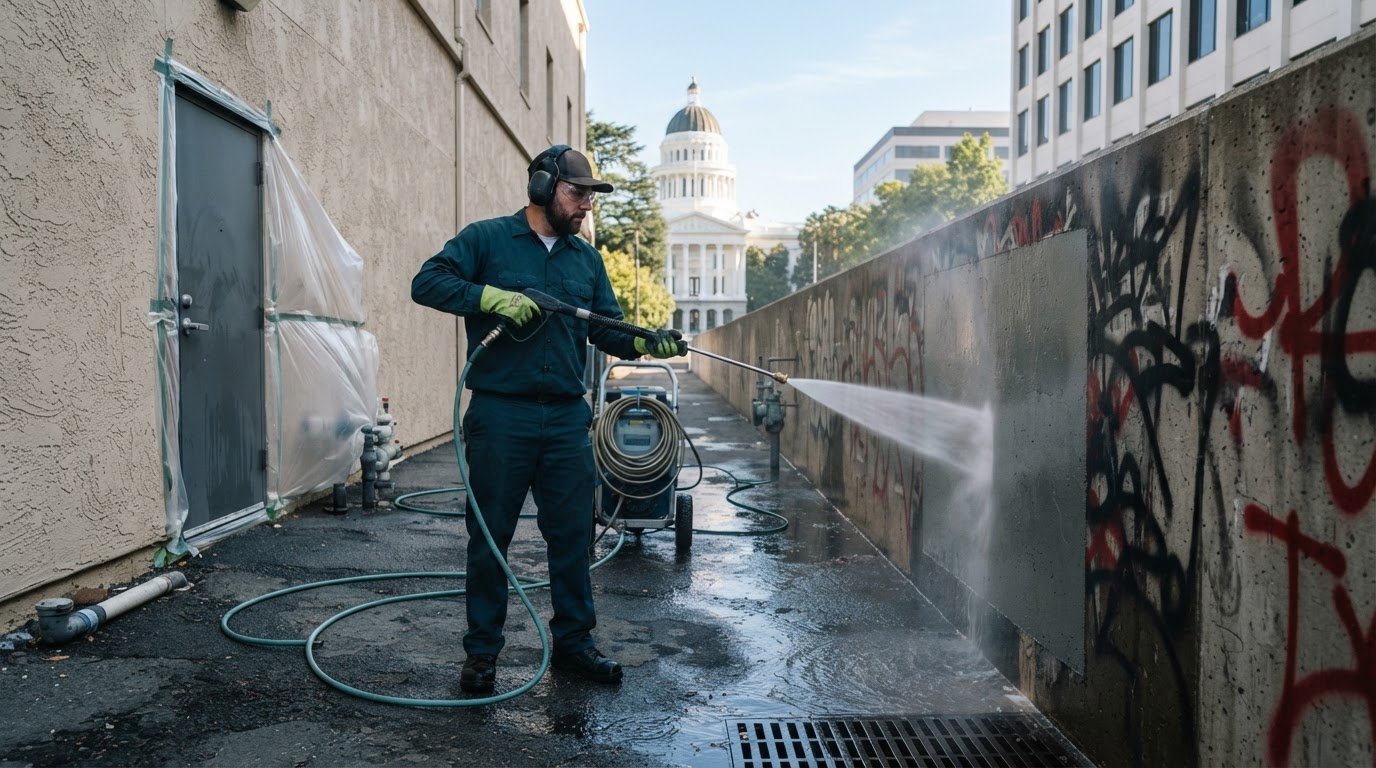
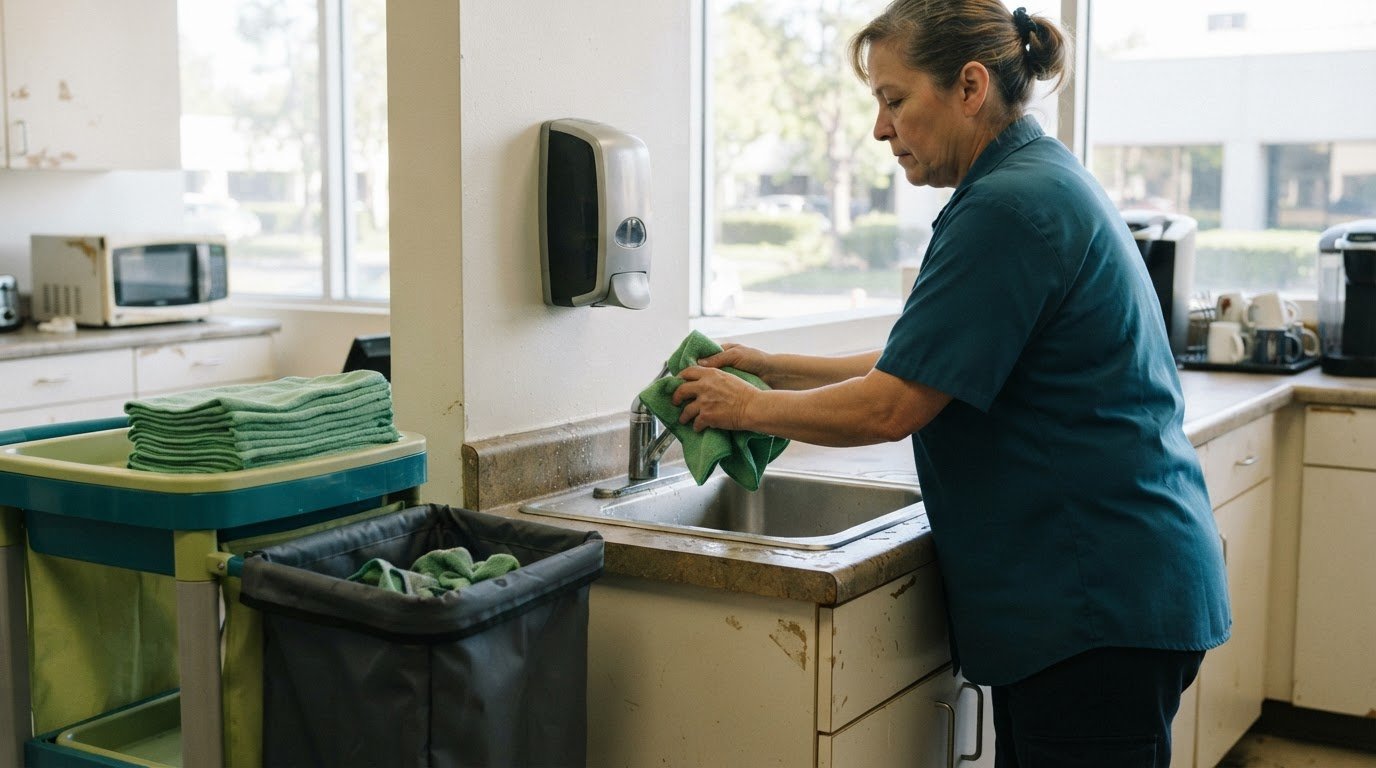
Commercial cleaning keeps business spaces safe and orderly, though much of the work happens behind the scenes. What customers see matters: clean floors, clear entryways, and well-kept shared areas show that maintenance is part of daily operations.
Cleaning may be less visible than customer-facing work, but its results affect how customers experience that work. A receptionist welcoming visitors at a tidy desk presents a more consistent impression than one working beside overflowing bins or dusty surfaces. Respect for the work and care in its results both shape perceptions of professionalism.
Cleanliness and First Impressions
Cleanliness shapes a first impression through the details customers encounter as they enter and move through a business. People may form an initial impression in about seven seconds, so a marked entrance mat, dusty counter, or clean reception area can quickly influence their perception.
Reception areas, meeting rooms, and restrooms often have an outsized effect on customer impressions. In a store, customers also notice clean aisles, display cases, and shelves. These spaces show whether the business cares for its surroundings and the people who use them.
Consider a customer arriving for a meeting: a clear table and orderly room support a professional conversation. A cluttered or dirty room can distract from even a well-prepared presentation. This is one way professional cleaning impacts brand image, by aligning the setting with the quality customers expect from your business.
Reputational Risks of Visible Hygiene Problems
Visible hygiene problems can weaken confidence by making customers question whether the same care goes into your service. A sticky counter, overflowing waste bin, or unattended spill can be more memorable than a polished display or friendly greeting.
In a restroom, an empty soap dispenser or soiled sink can suggest inconsistent upkeep. On a shop floor, dust on merchandise may make products appear neglected. These details do not prove a problem with the business itself, but they can shape customer perceptions and what visitors share with others.
Commercial cleaning helps address these risks by keeping visible areas and frequently touched surfaces in order. The aim is not just to make a space presentable once. Consistent attention prevents small, noticeable problems from becoming a defining part of the customer experience.
How to improve your brand image with commercial cleaning?
Align cleaning routines with the experience you want customers and employees to have. In the United States, workplace safety and chemical-use requirements depend on the tasks, products, and site, so cleaning plans should identify hazards and appropriate controls.
Cleaning Practices That Reflect Brand Positioning
Brand-aligned cleaning maintains spaces in ways that support the standards and values your business communicates. A polished office, for example, may prioritize tidy meeting rooms and clear reception desks, while a sustainability-focused business may also consider waste and resource use.
Make the approach practical by matching routines to each space. Identify high-visibility areas, customer traffic patterns, and surfaces that need regular attention. A reception area in use throughout the day may need touch-ups, while a meeting room may need preparation before visitors arrive. This helps create a consistent experience instead of a clean appearance that varies from room to room.
Sustainability can guide choices without replacing the need for thorough cleaning. Businesses can incorporate recycling, reduce water and energy use, and choose environmentally friendly products where suitable. For example, staff can separate recyclable packaging during routine waste removal and avoid unnecessary water use during floor care. Clear procedures make sustainability part of everyday maintenance, not a claim disconnected from operations.
Cleaning, Employee Productivity, and Brand Reputation
A clean, organized workplace can reduce distractions and support concentration. Clear walkways, orderly shared tables, and maintained work areas make it easier for staff to focus on their tasks. Employees also experience the workplace directly, so its condition can influence how they describe the organization to customers, visitors, and prospective colleagues.
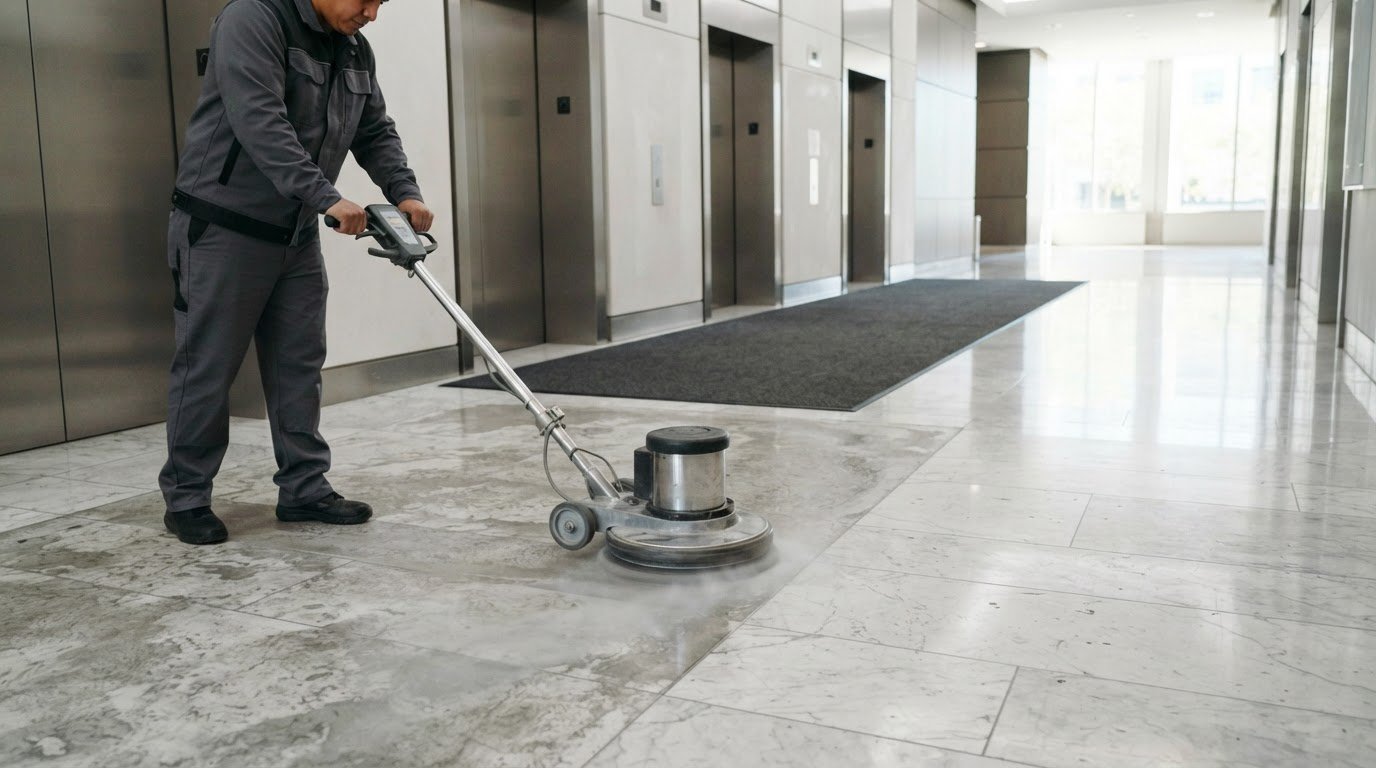
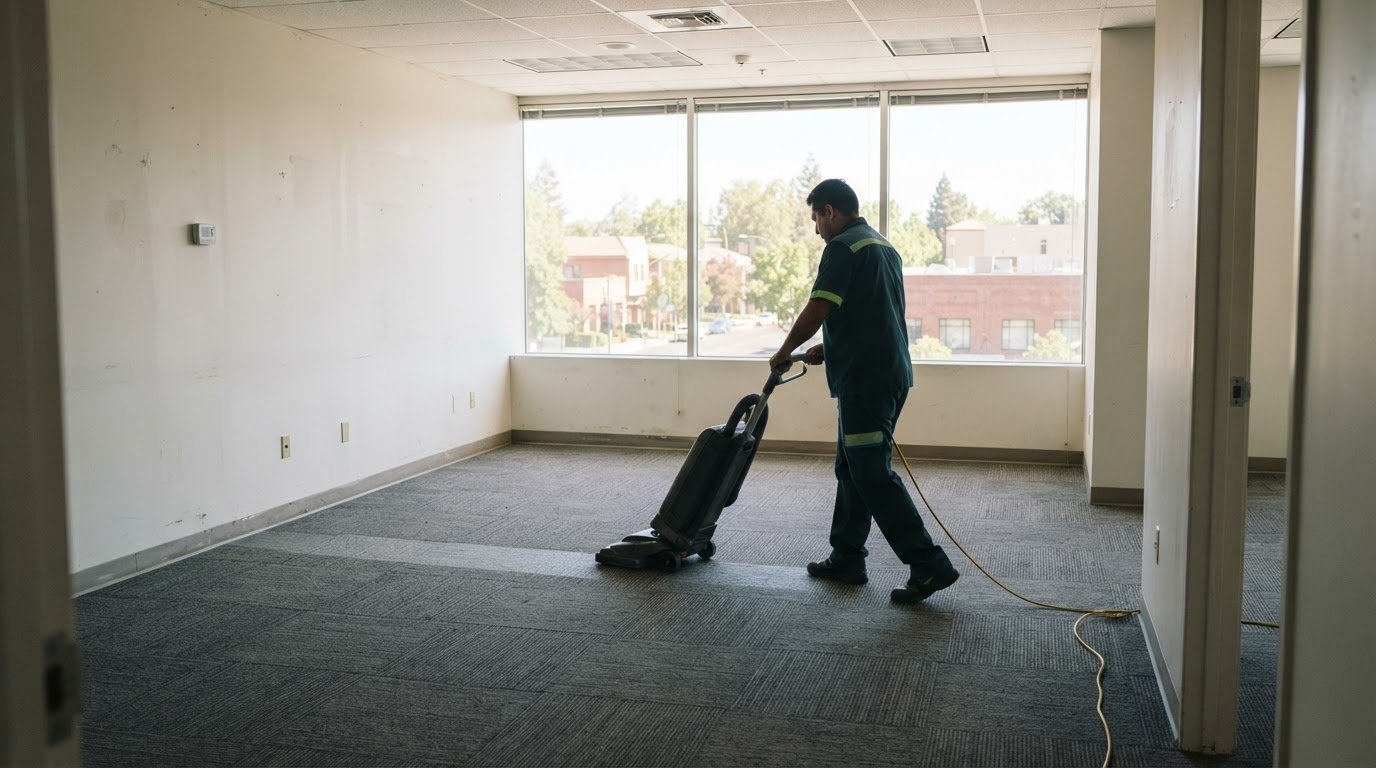
Commercial cleaning supports consistency through scheduled care for work areas and high-touch surfaces. A plan might cover routine tasks during daily visits and schedule deeper floor or carpet care according to use. The right balance depends on foot traffic, room function, and the work performed there. This helps keep maintenance from competing with employees’ core responsibilities.
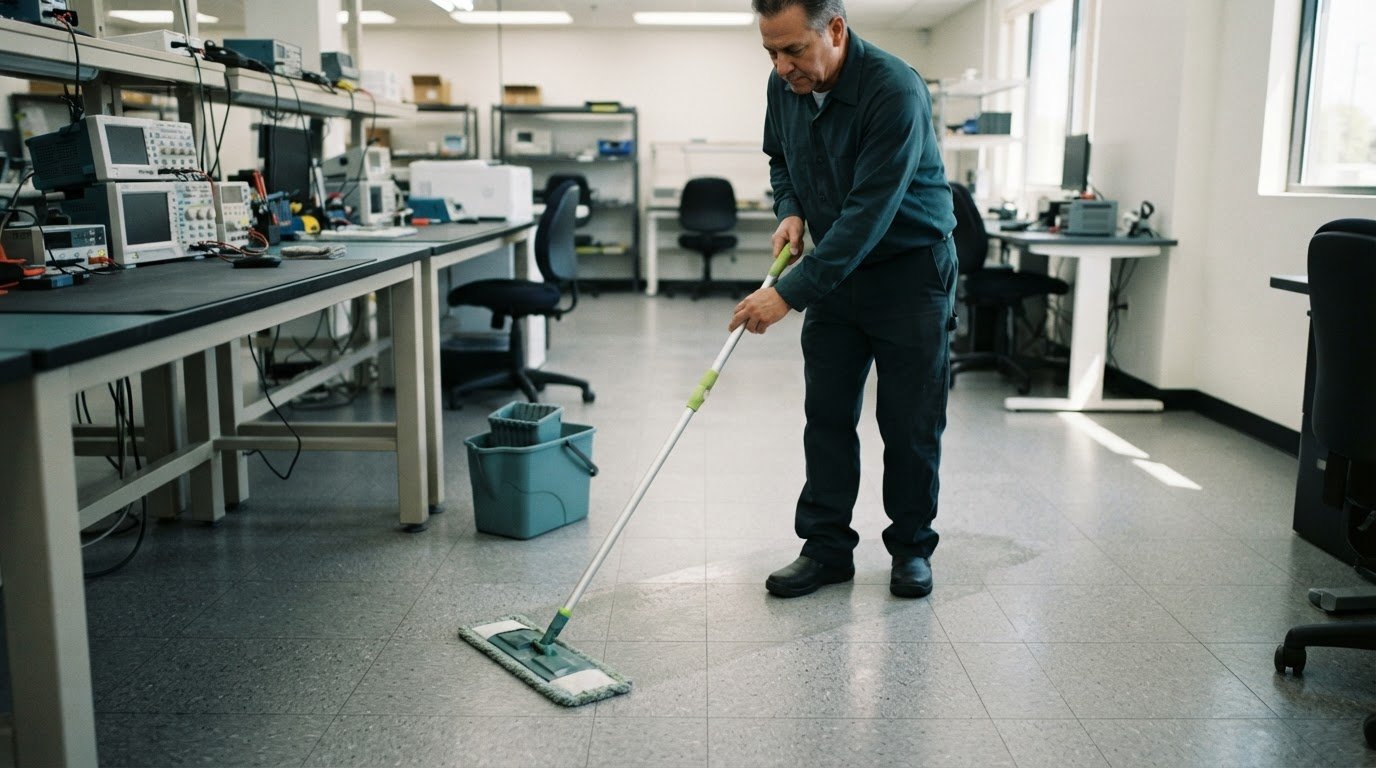
Health and safety considerations belong in the cleaning plan. Cleaning teams should identify the products and tasks involved, follow product directions, and use appropriate handling procedures for each site. A shared office and a laboratory have different conditions, so the cleaning approach must reflect the environment rather than apply one routine everywhere.
When cleaning supports both workplace function and visible presentation, employees can work in a more orderly setting and visitors encounter a consistent standard. For a practical discussion of commercial cleaning needs for your workplace, share which areas see the most activity and what standards matter most to your business.
Customer attraction, loyalty, and brand differentiation
In a retail store, customers experience cleanliness in the aisles, displays, floors, and checkout area. These details can shape satisfaction, comfort, and whether the store feels consistent with its mission.
Customer Trust, Comfort, and Loyalty
Customer trust and comfort grow when facilities look cared for throughout a visit, not just at the entrance. Clean aisles, clear display cases, and well-ordered stock make it easier to browse and find products.
Customers who are satisfied with a business’s cleanliness may be more likely to return and recommend it. A shopper who can move easily through a clear aisle and inspect clean merchandise faces fewer distractions. This experience can distinguish a store through visible attention to customers and detail, rather than claims alone.
Comfort also depends on practical upkeep. Promptly addressing spills helps reduce slip risks, while regular cleaning can help reduce the spread of germs and bacteria. These measures support a more welcoming shopping experience and reinforce the impression that customer wellbeing matters.
Measuring Cleaning’s Impact on Customer Perceptions
Measure cleaning’s impact by comparing customer feedback and observable conditions before and after changes to routines. Satisfaction comments can reveal which parts of a visit most affect trust and intentions to return.
Use a simple, consistent process: record cleanliness-related comments, note recurring concerns by location, and compare them with staff observations. Repeated feedback about a restroom or checkout counter, for example, points to an area for attention. Track whether comments change after adjusting the routine, while keeping other service changes in mind.
There is no named study identified here to quantify the link, but the available market findings connect satisfaction with cleanliness to return visits and recommendations. That relationship gives businesses a practical reason to monitor how customers describe their experience, rather than treating cleaning as separate from service quality.
Retail spaces vary in size, layout, products, and customer footfall, so a cleaning plan should reflect those conditions. A compact shop with a busy entrance may need close attention to its entry floor and checkout surfaces. A store with display cases may prioritize dust-free shelves and clear glass. Matching tasks to customer movement helps keep the whole facility presentable.
To connect cleaning results with brand perception, review customer comments alongside visible standards: clean displays, clear aisles, orderly stock, and attended spills. If customers praise the merchandise but repeatedly mention a neglected area, that contrast points to a useful improvement. Consistent observations help teams refine routines and support the experience customers expect.
Visible consistency can make cleanliness part of a store’s identity. A clean retail space can signal attention to detail and care for customers. Regular cleaning can help reduce the spread of germs and bacteria and lower the risk of slips on unattended spills, supporting customer confidence and safer movement through the store.
Retail cleaning providers can create customized cleaning plans based on a store’s size, layout, products, and customer footfall. Businesses should request a personalized cleaning plan tailored to their specific needs, so cleaning priorities reflect the setting and how customers use it.
Cleanliness as a competitive differentiator
A well-kept business environment can distinguish a brand through visible care for its surroundings. Cleanliness does not replace service quality, useful products, or skilled employees. It supports those strengths by making the setting feel consistent with the standards a business presents. A carefully maintained reception area, for example, can reinforce a professional brand before a visitor meets the team.
The effect comes from details customers encounter throughout a visit, not one polished feature. Clear entryways, clean shared surfaces, orderly seating, and maintained restrooms contribute to a considered experience. A neglected area can interrupt that impression. Consistent standards across spaces help the environment support the same reputation as the service itself.
Cleanliness can also express what a business values. A company that emphasizes precision can reflect that promise through organized work areas and careful upkeep. A wellness business needs visible hygiene practices that support customer confidence. Healthcare and wellness brands are expected to demonstrate strong hygiene standards, making facility care especially relevant to their public image.
To make cleanliness a meaningful differentiator, connect it to the customer experience rather than treating it as a finishing touch. Consider which spaces customers use, what they notice, and which conditions could undermine trust. A client visiting an office may notice an orderly meeting room, while a wellness visitor may pay closer attention to shared surfaces and restrooms. The standard should suit the business.
Consistency gives that difference staying power. A spotless space on opening day does not represent a dependable standard if the same areas are overlooked during ordinary operations. Set clear expectations for visible spaces, assign responsibility for recurring tasks, and address issues when they appear. These steps make the environment a reliable part of the customer experience, rather than a temporary display.
Reputation develops through repeated encounters and the stories customers share. A clean setting can support positive word of mouth by giving visitors fewer visible reasons to question the business’s care. It can also strengthen brand distinction when the environment reflects the company’s mission in a recognizable way. The goal is not to appear cleaner than every competitor, but to make your own standards tangible.
Review the customer journey to see where cleanliness can contribute most. Walk through the space as a visitor would, from entrance to service area and exit. Note transitions, such as a clean lobby leading into an untidy corridor, that weaken the overall impression. Addressing those gaps creates a more coherent experience and makes hygiene part of everyday brand delivery.
Consistency in workplace cleaning
Reliable routines establish a workplace standard customers and employees can recognize. The right schedule depends on how each space is used and what it needs.
Professional and In-House Cleaning Quality
Professional and in-house cleaning differ mainly in how responsibilities, schedules, and work standards are organized. In-house staff may know daily operations well, while professional cleaners can provide a defined cleaning routine. Either approach can support brand consistency when tasks have clear ownership and completion is monitored.
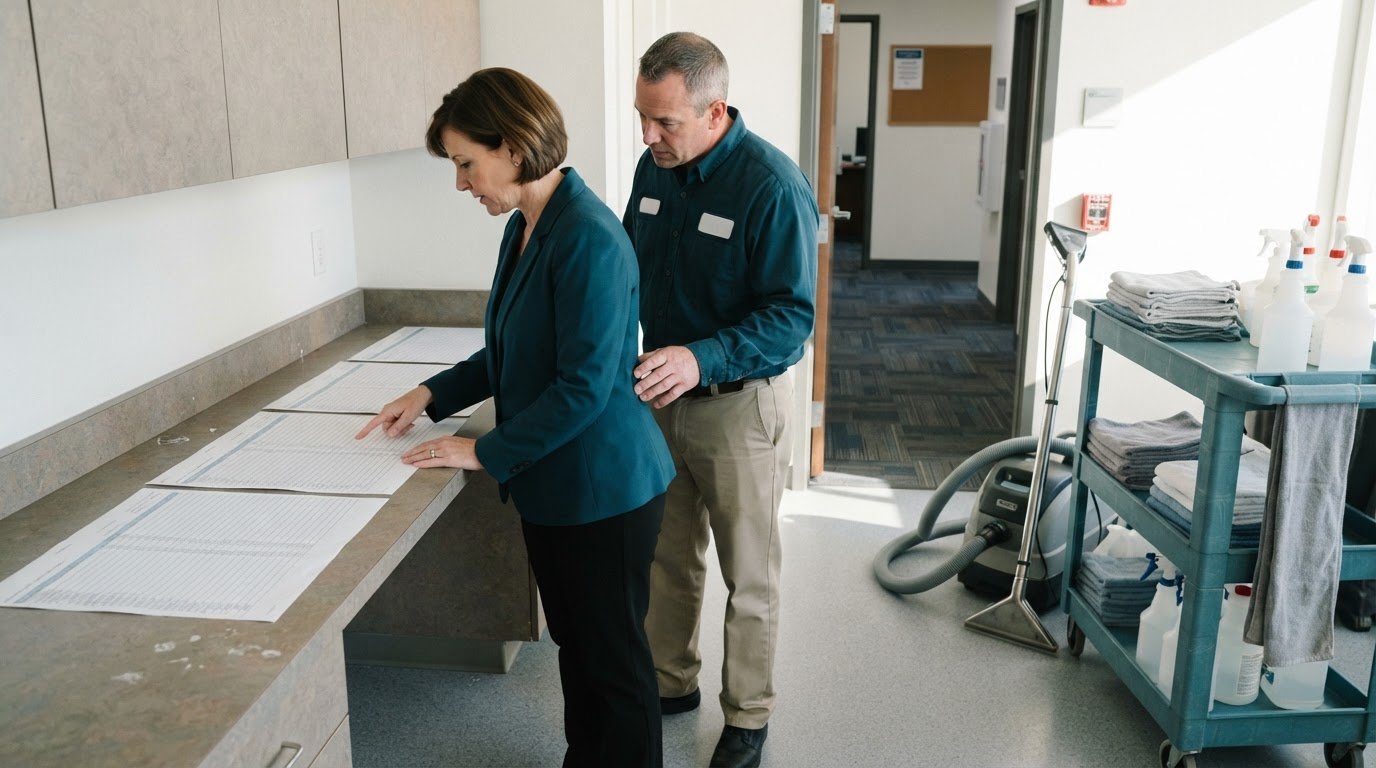
For example, an office team might handle quick desk resets while a scheduled cleaning routine covers shared floors, restrooms, and meeting spaces. Without a clear division of responsibility, tasks can be missed or repeated. Assigning each task helps maintain a consistent standard across the workplace.
Compare results by reviewing the same areas over time, such as the reception floor, kitchen counters, and conference tables. A simple record of completed tasks and recurring issues can show whether the routine meets expectations. Focus on consistent quality, not a method’s label.
Cleaning Frequency and Brand Image
Cleaning frequency should reflect how quickly spaces become dirty and how often people use them. A busy entrance, shared restroom, or customer-facing counter may need attention more often than a lightly used meeting room.
No single schedule suits every business. Foot traffic, workplace type, customer visits, and visible soil all affect the right frequency. A busy office, for example, may need routine attention to shared areas, while a quieter office can prioritize those tasks differently.
Set a baseline schedule, then adjust it as conditions change. A seasonal increase in visitors or a recurring spill near a breakroom may call for more frequent attention to that area. Reviewing these details helps keep standards steady without applying the same frequency everywhere.
Professional cleaning can complement employees’ day-to-day care by covering defined tasks on a recurring schedule. Staff can keep personal work areas orderly while cleaners address floors and shared facilities. Clear roles reduce missed details and help the workplace present a consistent image.
To discuss a routine shaped around your workplace’s activity and priorities, request a cleaning plan.
A consistent retail cleaning schedule helps maintain cleanliness and identify issues promptly. Its value is not just keeping tasks on track: it gives cleanliness and emerging concerns regular attention. That makes upkeep part of ordinary operations, rather than something considered only when a problem becomes obvious.
This approach depends on clear task ownership and ongoing review. A retail workplace can keep its cleaning routine while treating an identified issue as a reason for timely attention. The schedule supports both a clean environment and prompt awareness of matters that need addressing. Regular attention reinforces workplace standards without requiring a different approach for every area.
Cleanit Maintenance Systems
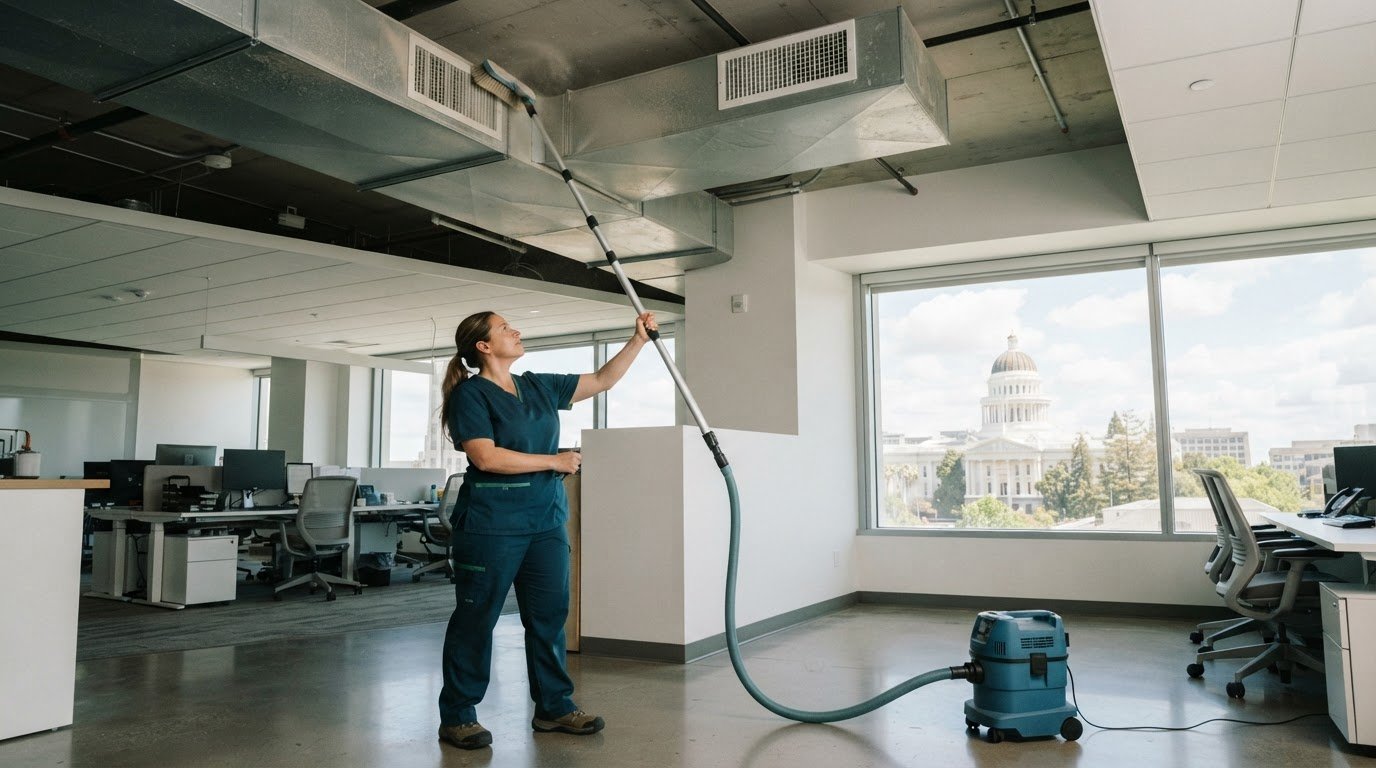
Cleanit Maintenance Systems helps Sacramento businesses maintain a professional, consistent environment through commercial janitorial, office cleaning, daily cleaning, and day porter services. These services support the spaces customers and employees use regularly, helping your workplace reflect the standards you want associated with your brand.
Turn to Cleanit Maintenance Systems when cleaning demands make it difficult to maintain a reliable routine or keep shared spaces presentable throughout the workday. The right approach depends on your facility, its daily activity, and the areas that need ongoing care. Clear priorities help align workplace maintenance with the customer experience.
For a conversation about your workplace cleaning needs, contact Cleanit Maintenance Systems.
Make Your Brand Standards Visible Every Day
Use your brand promise as a practical guide to what your workplace should communicate. Understanding how professional cleaning impacts brand image can help you set standards visitors recognize and employees can maintain. Identify the moments that matter most to your customers, then make those expectations part of regular workplace routines.
Consistency comes from clear priorities, shared responsibility, and attention to details that support a welcoming experience. As your business changes, revisit those priorities so the environment continues to reflect the care and professionalism you want people to associate with your name. A dependable cleaning routine makes that standard easier to sustain.
When you’re ready to discuss a workplace cleaning approach that fits your business, contact Cleanit Maintenance Systems. A considered next step can help turn your brand standards into an everyday experience customers trust.
Frequently Asked Questions
How does workplace cleanliness affect customer perceptions of a brand?
Workplace cleanliness influences whether customers see a business as attentive and well managed. A customer entering a Sacramento office may notice whether the visitor sign-in area is orderly and shared materials are ready to use. These details are part of the service experience, not just its background. Clear, tidy spaces help the setting support the professional impression your staff and customer interactions aim to create.
What cleaning standards do customers expect in retail, hospitality, and office spaces?
Customers expect visible areas to be clean, orderly, and suited to their purpose. In retail, that means presentable merchandise and clear paths; in hospitality, cared-for guest areas and dining surfaces; in offices, reception rooms and shared meeting spaces ready for visitors. For Sacramento businesses, the right routine depends on facility use, customer traffic, and the areas guests encounter during their visit.