

A cleaning proposal can be thorough and still leave management unsure what it is approving. Presenting a cleaning proposal to management works best when the scope, schedule, responsibilities, service commitments, and contract terms are easy to find and understand. Support the plan with relevant examples, then guide decision-makers through it in a clear, measured presentation.
Management needs more than a list of cleaning tasks. Decision-makers need to understand how the service fits the facility, what is included, how quality will be reviewed, and what each party is responsible for. A well-organized proposal makes these details easier to assess and keeps the discussion focused on practical decisions.
This article explains what to include in a commercial cleaning proposal and how to present it with confidence. Learn how to define the scope and schedule, explain quality and feedback processes, use relevant client reviews and case studies, and organize the presentation so decision-makers can follow the plan and identify the next steps.
Key Takeaways
- Connect the proposed cleaning scope to the facility’s day-to-day needs, and make clear what distinguishes the approach.
- Show how service quality will be reviewed and how concerns can be raised and addressed.
- Use relevant client feedback and case studies to make your claims more concrete and credible.
- Organize the proposal so management can quickly understand the scope, schedule, responsibilities, and contract terms.
- Base recommendations on a practical assessment of the workplace, including its spaces, traffic patterns, and cleaning priorities.
What should be included in a commercial cleaning proposal?
Organize the proposal around the decisions management needs to make: introduce the service approach, explain how it will work, and document what approval covers. Use specific examples, clearly labeled comparisons, and details about the workplace instead of broad claims.
-
Differentiating the Company from Competitors
Introduce the cleaning business with a concise overview of the facilities it serves, its relevant experience, and the services proposed. Then describe practical features such as cleaning methods, equipment, communication, and quality reviews. Explain how each relates to the facility’s priorities instead of making unsupported claims of superiority.
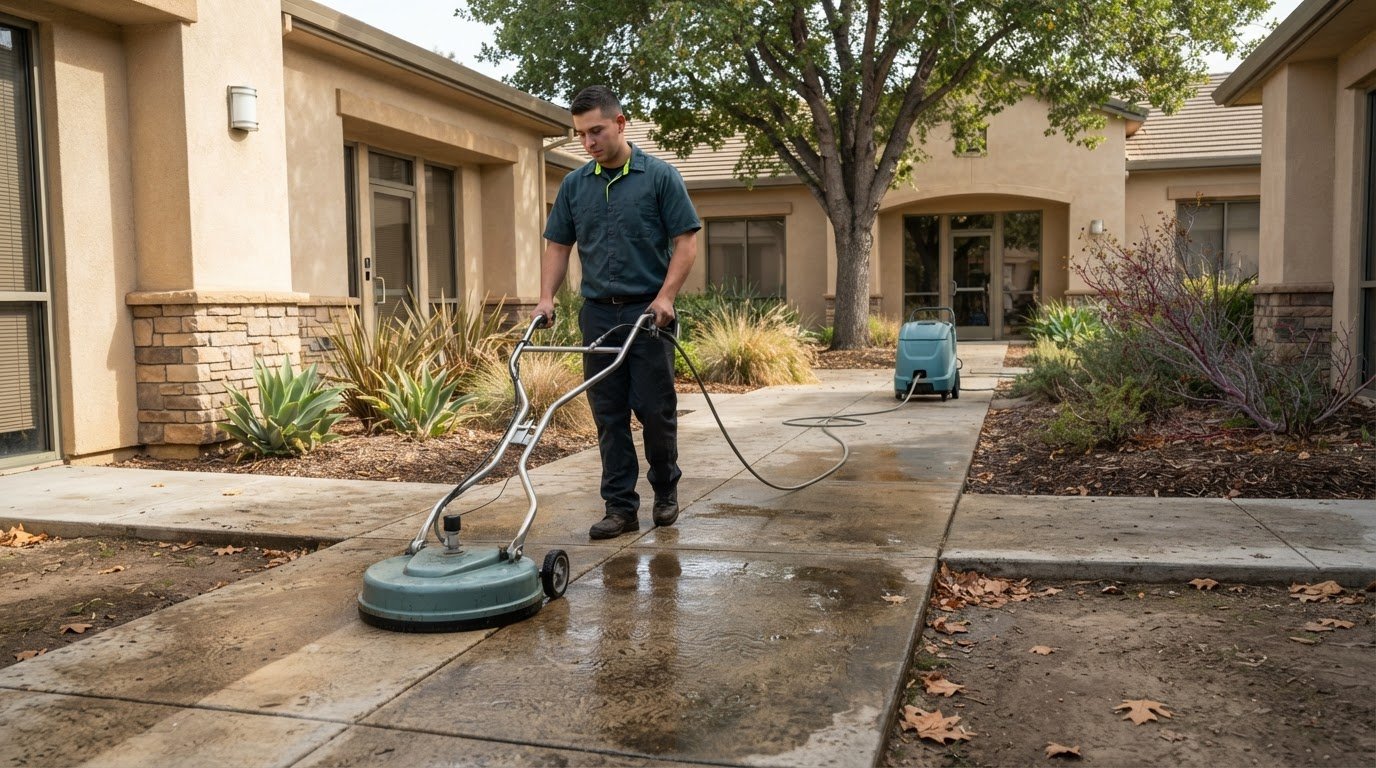
Make comparisons fair and easy to scan. A side-by-side scope can show which tasks are included, how often they occur, and what each approach excludes. Before-and-after photos can illustrate a specific result, such as carpet cleaning or window washing, when they accurately represent completed work. Label the area and task so management can judge the example in context.
-
Addressing Standards and Staffing Needs
Identify the cleaning standards and requirements relevant to the building, then describe how the proposed work aligns with them. The proposal-writing guidance points to OSHA guidelines, EPA-registered disinfectants with proper dwell times, and ISSA 612 Tima and Task Standards as references to address where applicable. Avoid presenting a standard as a legal requirement unless it applies to the facility and task.
Estimate labor by listing each task, its frequency, the areas involved, and the time required. Use those estimates to explain staffing coverage and the proposed schedule. To compare in-house and outsourced cleaning, consider labor, supplies, equipment, supervision, and scheduling responsibilities alongside the scope each approach can reliably cover. Focus on responsibilities and service outcomes, not just one cost figure.
-
Listing Supplies and Equipment
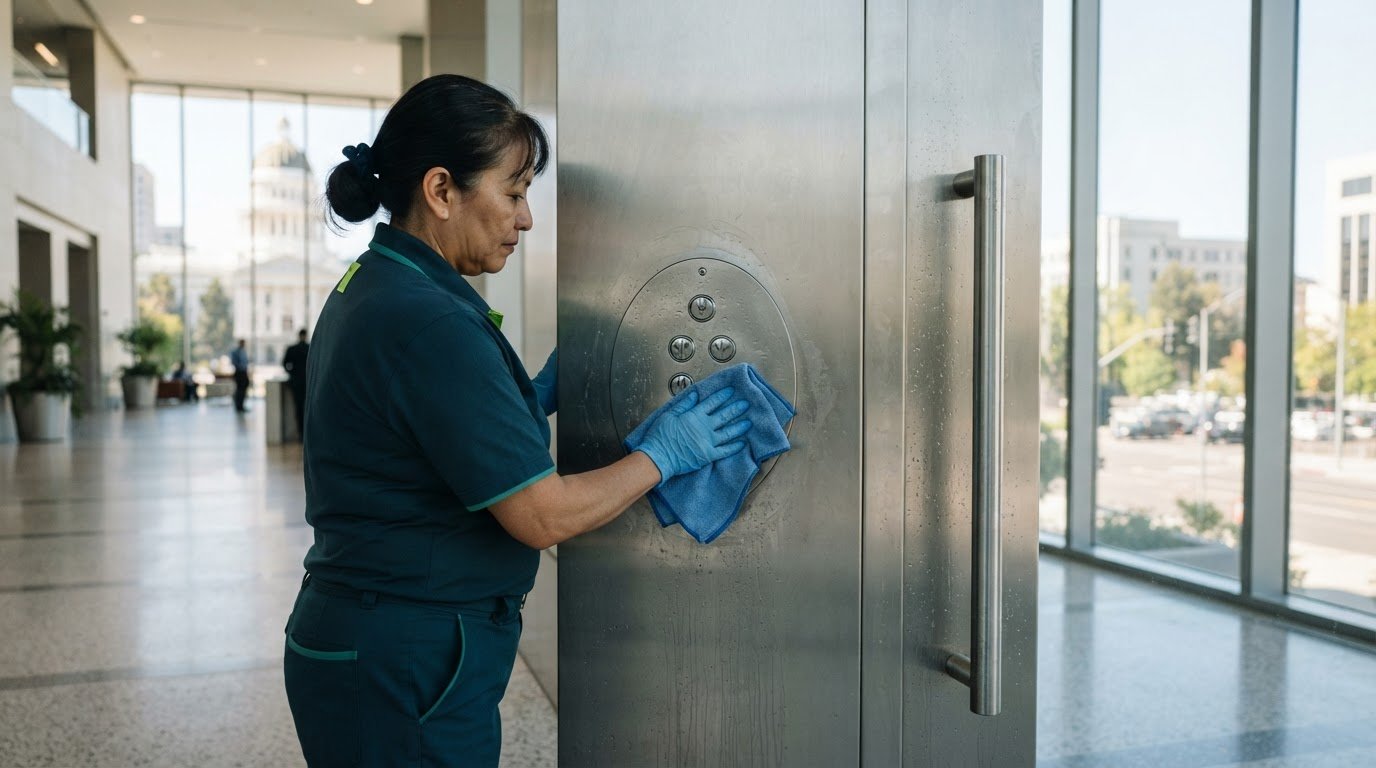
Specify which cleaning supplies and equipment the provider supplies and which the facility supplies. Name items by task, such as floor-care equipment, cloths, cleaning solutions, and tools for glass or shared surfaces. Explain how they support the listed work, and distinguish routine materials from equipment used for periodic tasks.
Make supply details easy to review. For example, a table can pair each task with the required supplies, the responsible party, and any relevant handling instructions. This helps management see what the service includes and prevents gaps between the agreed scope and the materials available on site.
Showing commitment to customer satisfaction
State service commitments clearly and explain how each works in practice. A defined process for feedback, quality reviews, and presenting the company’s service helps management assess the working relationship beyond the task list.
- Describe how quality will be reviewed. State what will be inspected, who will review the work, and how findings will be recorded. Spot inspections can show how quality assurance works in practice. For example, a review form might track restroom supplies, floor condition, and completion of agreed tasks. Explain how a missed item is reported, assigned, and followed up, so management understands the process rather than relying on a broad promise.
- Set out a clear feedback and resolution process. Identify the person or role management can contact, the information needed to describe a concern, and how it enters the service review. For example, a log can record the affected area, date reported, corrective action, and follow-up. Avoid promising response times or outcomes the contract does not define. Clear responsibilities make the process measurable and help both parties address recurring concerns constructively.
- Include relevant customer reviews and references. Choose feedback that relates to the proposed facility’s needs, such as consistent janitorial work in an office. A cleaning proposal can include two or three recent client references with contact information. Get permission before sharing names or comments, and keep quotations accurate and in context. A short review tied to a specific service gives management useful evidence; generic praise offers less insight.
- Customize the proposal’s visual presentation. Use the prospective client’s correct business name, logo when authorized, and facility details discussed during the assessment. A simple visual schedule can show which areas receive attention on each service visit, while a marked floor plan can clarify zones or access points. Keep the provider’s branding professional and consistent, while making the client’s priorities easy to recognize. Customization should clarify the proposal, not make a generic template look personalized.
- Connect each commitment to the contract. Match the stated inspection process, feedback channel, and agreed scope to the contract language. If a sample proposal uses a service guarantee, label it clearly as an example rather than implying it applies automatically. Management should be able to see which commitments are part of the agreement and which are illustrative. To discuss service priorities for a commercial janitorial proposal, contact Cleanit Maintenance Systems.
Using client reviews, case studies, and endorsements as social proof
Choose evidence that reflects the prospective client’s priorities, and connect each example to the proposed work. Relevant details help management decide whether the approach suits the facility.
-
Presenting Reviews and Case Studies
Choose a review or case study that addresses a need identified during the facility assessment. For example, a client concerned about consistent restroom upkeep will learn more from feedback about that task than from a general endorsement. Use accurate quotations and explain the setting, challenge, and work completed. Do not imply that one client’s results guarantee the same outcome elsewhere.
- Build each case study around the client’s needs. Start with the facility’s stated concern, such as uneven cleaning across shared spaces. Describe the service approach and the evidence available afterward, such as completion records or client feedback. Keep the example focused on relevant details. A short, well-matched case study is more useful than a long story unrelated to the proposed scope.
-
Sharing Team Credentials and References
Include credentials or training only when they apply to the proposed work and can be described accurately. Explain how the team’s relevant experience supports the service plan without implying qualifications it does not hold. Share client references with permission and give management enough context to understand the relationship, facility type, and work discussed.
- Explain how communication will work. Name the point of contact by role, describe how routine updates will be shared, and show how service questions will be addressed. For example, a proposal could describe a documented channel for reporting a missed task and reviewing it during regular service discussions. Tie each communication commitment to the agreement so expectations are clear before work begins.
- Follow up with a useful recap. After presenting the proposal, send management a concise summary of its priorities, the recommended scope, and any open decisions. Invite corrections and explain how feedback will inform the agreement. A direct follow-up keeps the discussion focused on the facility’s needs; avoid repeated generic messages that add no new information.
- Adapt templates without losing accuracy. Use a consistent proposal template for clear organization, then tailor the examples, language, and visual details to the prospective client. For a facility with restricted access windows, explain how the proposed schedule accounts for them. Keep testimonials, credentials, and service descriptions specific to the work under consideration, and remove template text that does not apply.
Cleaning proposal structure and presentation
Arrange the proposal so management can move from the service recommendation to a decision. A clear outline also keeps the presentation focused on what the agreement covers.
- Open with a brief executive summary. State the facility’s main cleaning priorities, the proposed service approach, and the decision management needs to make. When presenting a cleaning proposal to management, clarify its purpose before introducing operational details. Put supporting information in later sections. For example, summarize recommended coverage for shared offices, then direct readers to the schedule for task-level detail.
- Organize the scope into clear service categories. Separate routine work from periodic tasks, and label optional services so they are not mistaken for included work. For example, group scheduled work by area, then list periodic floor care separately. If you present three packages, label them basic, standard, and premium, and explain how their services differ. Avoid names that obscure what management receives with each selection.
- Present the schedule and agreement terms together. Show the work schedule alongside facility-access responsibilities, contract length, payment frequency and method, payment date, and any penalties for non-payment. State the cancellation policy and contract terms upfront in direct language. If the agreement proposes a start timeline, explain when work can begin after finalization. Keep terms consistent throughout the proposal and agreement so reviewers do not have to reconcile different versions.
- Use a readable layout for the decision meeting. Apply descriptive headings, short paragraphs, and tables where they clarify comparisons or schedules. Keep the presentation to 15 minutes or less, then leave time for management’s questions. This sequence supports presenting a cleaning proposal to management with a steady focus: show the scope, explain service options, and reserve the final section for terms and next steps.
- Close with a specific decision and next step. Identify what management should approve, who will finalize the agreement, and what happens after approval. Include an estimated start timeline when available, along with any transition responsibilities that affect the schedule. Do not use urgency in place of clarity. A strong closing makes the requested action clear and gives reviewers a practical path from proposal to commercial cleaning service.
Make supply responsibilities explicit in the scope. State which cleaning supplies the provider supplies and which the client supplies, using clear wording that assigns each responsibility to the right party. Put this information alongside the service description, and use the same distinction wherever supplies are discussed. This helps management understand what the proposed service covers and what the client is expected to provide.
Clearly distinguish optional cleaning services from those included in the proposed contract. Use consistent labels in the service overview and schedule, and describe each option separately from included work. Avoid wording that could make an optional task seem part of the agreed scope. When management compares choices, the proposal should make included services and optional additions easy to identify without requiring guesswork. Clear distinctions support a precise review of the scope and the decision being requested.
How to assess a workplace's cleaning needs before proposing services
Start with the facility, then connect observed conditions to a practical scope. A walkthrough, area notes, and clear priorities help shape a proposal around the workplace rather than a standard template.
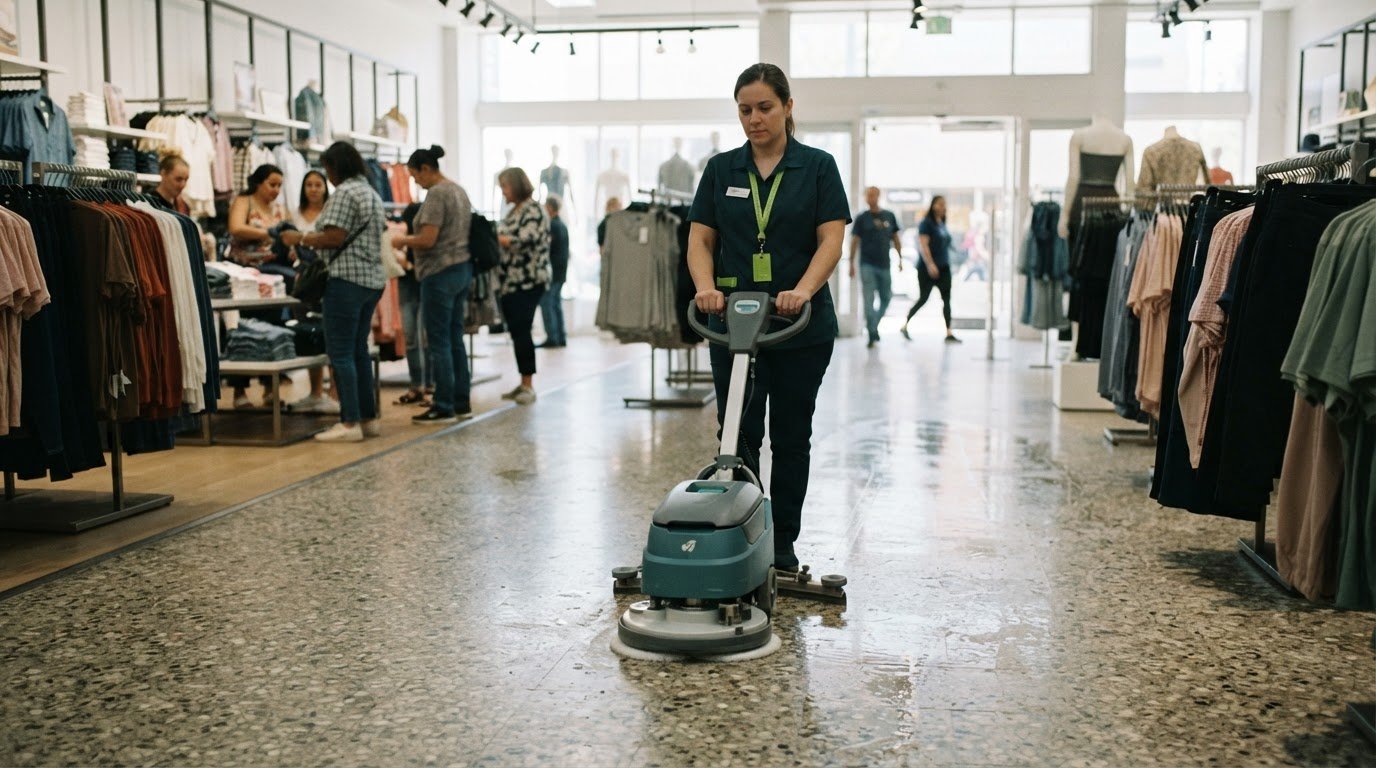
- Map the spaces and their uses. Record the facility’s main areas, such as reception, offices, restrooms, break rooms, corridors, and storage spaces. Note floor and surface types, visible soil, and how each area is used. A carpeted meeting room may need different attention from a tiled entrance with regular foot traffic. This map provides a concrete basis for defining tasks by location.
- Observe how people move through the workplace. Identify busy entrances, shared touchpoints, and rooms whose use changes during the day. An entryway exposed to outdoor soil may need a different cleaning frequency from a lightly used office. Consider when cleaning can take place without disrupting staff, visitors, or facility operations. Record access limits and preferred work windows, then use those details to shape a realistic schedule.
- Ask about the facility’s priorities and pain points. Clarify which cleaning concerns affect daily operations, employee experience, or client-facing spaces. Management may prioritize clean restrooms, tidy meeting rooms, or dependable upkeep of shared areas. Separate essential needs from preferences, and record recurring concerns in plain language. This helps explain why each recommended task belongs in the scope.
- Review existing routines and responsibilities. Establish which tasks onsite staff already handle and where coverage is inconsistent. Note who manages consumables, room access, and requests for attention during operating hours. For example, a reception team may handle quick surface tidying while scheduled cleaning covers floors and restrooms. Clear boundaries reduce overlap and help management understand how the proposed service fits existing workplace practices.
- Translate observations into a tailored scope. Match each facility need with a task, location, and service frequency, then explain the recommendation. A high-traffic entrance might need regular floor attention, while carpet care could be scheduled separately. Record assumptions that affect the plan, including access windows and areas excluded from service. This gives management a clear link between the walkthrough and proposed work.
Use the assessment to build a proposal around actual facility conditions, not generic assumptions. Discuss your workplace cleaning needs as you prepare the next steps.
Cleanit Maintenance Systems
Cleanit Maintenance Systems helps turn workplace priorities into a practical commercial cleaning plan. For Sacramento offices, its services include daily cleaning, day porter services, carpet cleaning, window washing, and floor restoration. Discuss the areas that need attention, the work that fits the schedule, and how responsibilities should be documented to build a proposal around the facility’s operations.
Bring forward the priorities identified during your workplace assessment, such as busy shared spaces or access windows. Cleanit Maintenance Systems can discuss how its commercial janitorial and office cleaning services fit those needs. Contact Cleanit Maintenance Systems to discuss your workplace cleaning requirements.
Turn the Proposal Into a Practical Service Plan
After presenting a cleaning proposal to management, use the decision to begin clear coordination. Confirm the priorities that matter most, identify who will handle each next step, and keep the agreed scope easy to reference as service begins. A well-organized proposal supports a productive working relationship when its commitments stay connected to the facility’s needs.
Cleanit Maintenance Systems provides commercial janitorial, office cleaning, and daily cleaning services for workplaces in the Greater Sacramento area. The right scope depends on the tasks and coverage management wants to put in place, so keep the discussion grounded in the facility’s priorities.
When you are ready to discuss a commercial cleaning plan for your Sacramento workplace, contact Cleanit Maintenance Systems. The conversation can help turn the proposal into a clear, workable decision.
Frequently Asked Questions
How can a cleaning services proposal effectively highlight the unique selling points of a cleaning company?
Connect each selling point to a specific management concern. If predictable coverage matters, explain how the proposed schedule supports it; if sensitive areas need attention, describe the relevant work process. Then support the claim with relevant evidence, such as a client comment or an example of completed work. Avoid vague labels like “best quality.” A useful differentiator is specific, relevant to the facility, and easy for decision-makers to evaluate.
How do I justify a higher cleaning budget to my boss?
Justify the proposed budget by connecting it to documented workplace needs and required service coverage. For example, identify areas that lack consistent attention and tasks the proposal adds. Explain how staffing, frequency, materials, and supervision shape the scope, then compare those responsibilities with the current arrangement. Focus on operational value and trade-offs rather than presenting a higher figure without explaining what management receives.
Is it better to have a fixed monthly fee or pay per service?
A fixed monthly fee can suit a recurring scope with a stable schedule, while per-service billing may fit work requested only as needed. Compare how each arrangement covers routine tasks, extra visits, and scope changes. For example, a facility with regular scheduled cleaning may prefer predictable monthly billing, while occasional carpet care may be priced separately. The agreement should clarify what triggers additional charges and how changes are approved.
Should I ask for a trial period in the cleaning proposal?
A trial period can help management assess a new service relationship before settling into a longer-term arrangement. The proposal guidance recommends a 90-day trial period for a new cleaning vendor. Define the scope during that period, agree on how service quality will be reviewed, and set a decision point for continuing or adjusting the agreement. A trial works best when expectations are documented, rather than treated as an informal test without clear criteria.
What is the best structure for presenting pricing and service packages in a cleaning services proposal?
Present service options side by side, with each package showing its scope, frequency, and exclusions. If offering basic, standard, and premium choices, explain their practical differences rather than relying on labels alone. A proposal can also compare weekly, bi-weekly, and monthly service frequencies. Separate recurring work from optional tasks, and show the pricing basis for each choice so management can see how changes in scope affect the total.