The party may last one evening, but cleanup can follow your staff into the next workday. For office holiday party cleanup in Sacramento, estimates may use a base charge, a per-person rate, or a combination. The total depends on the space, the cleanup needed, and the tasks included.
It’s understandable to want a clear budget and a tidy office without asking employees to stay behind to handle the aftermath. Professional cleanup commonly includes trash removal, surface cleaning, floor care, decoration takedown, and stain treatment, helping restore shared work areas.
This article explains what post-party cleanup can include, how a base fee differs from a per-person charge, and what shapes the scope and cost. It also shows how planning can reduce the workload on staff and help you choose a practical approach for your Sacramento office.
Key Takeaways
- Define which rooms and tasks need attention so the cleanup scope reflects the party rather than a standard office visit.
- Separate a base fee from any per-person charge to understand how the estimate is structured.
- Position trash and recycling bins around the event space to make disposal easier and reduce post-party sorting.
- For a last-minute request, share the event details and priority areas clearly so the cleanup plan can be organized efficiently.
- Consider ongoing office cleaning when you need dependable support beyond a single event cleanup.
Benefits of professional post-party cleanup
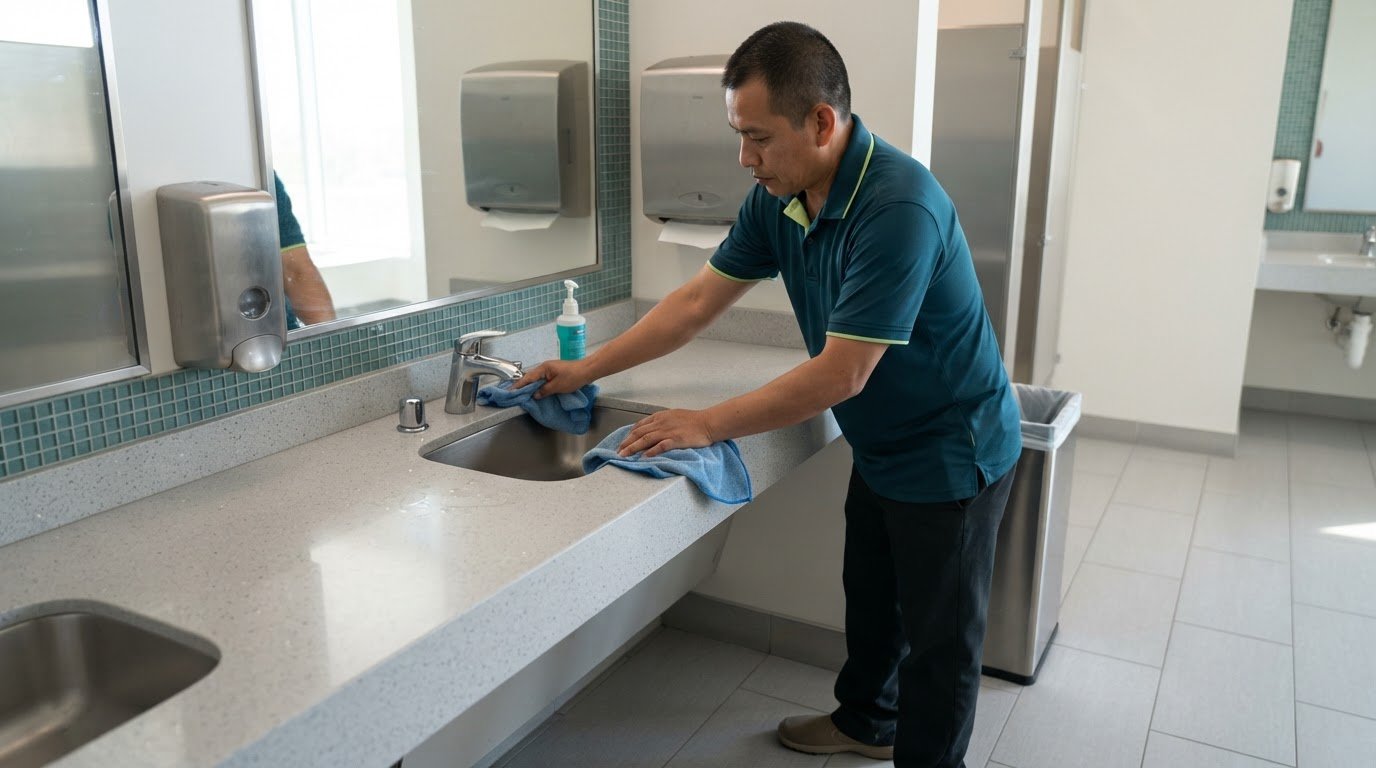
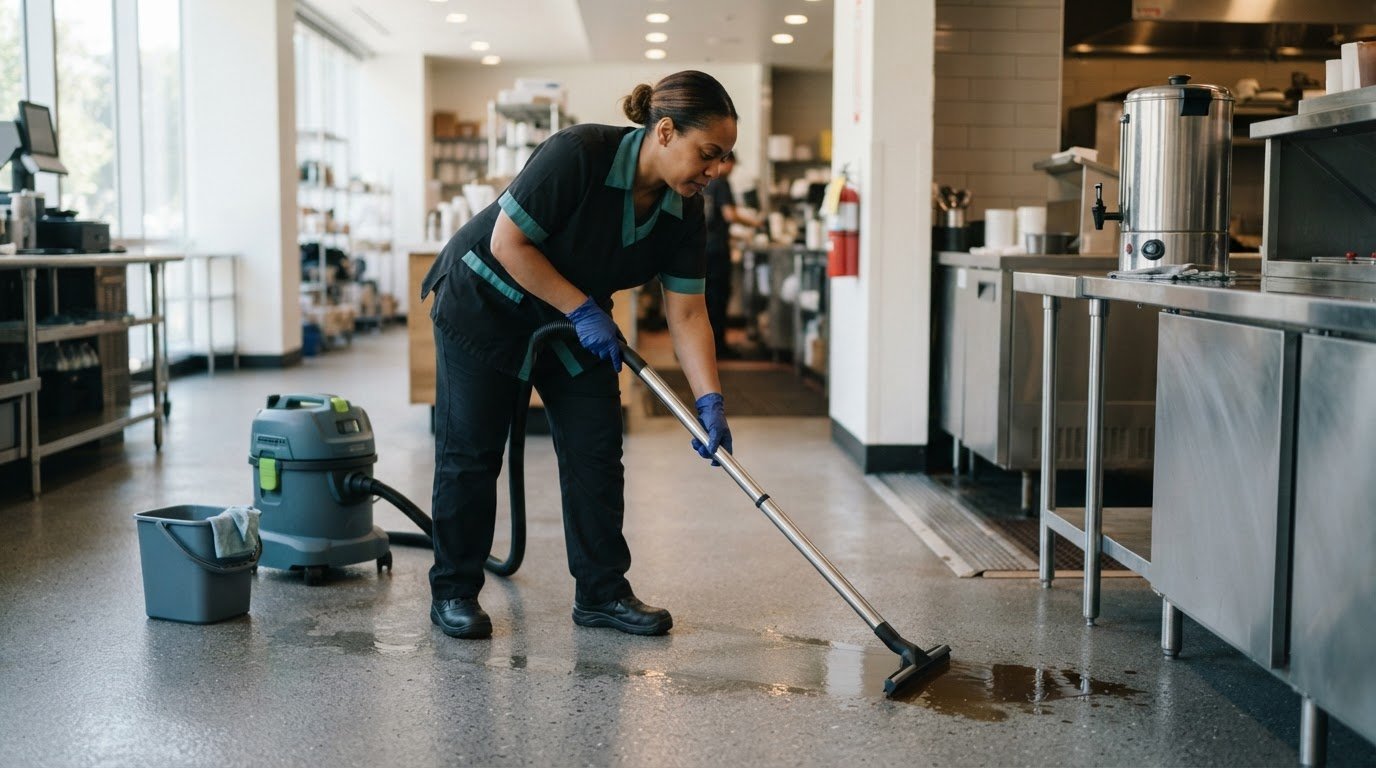
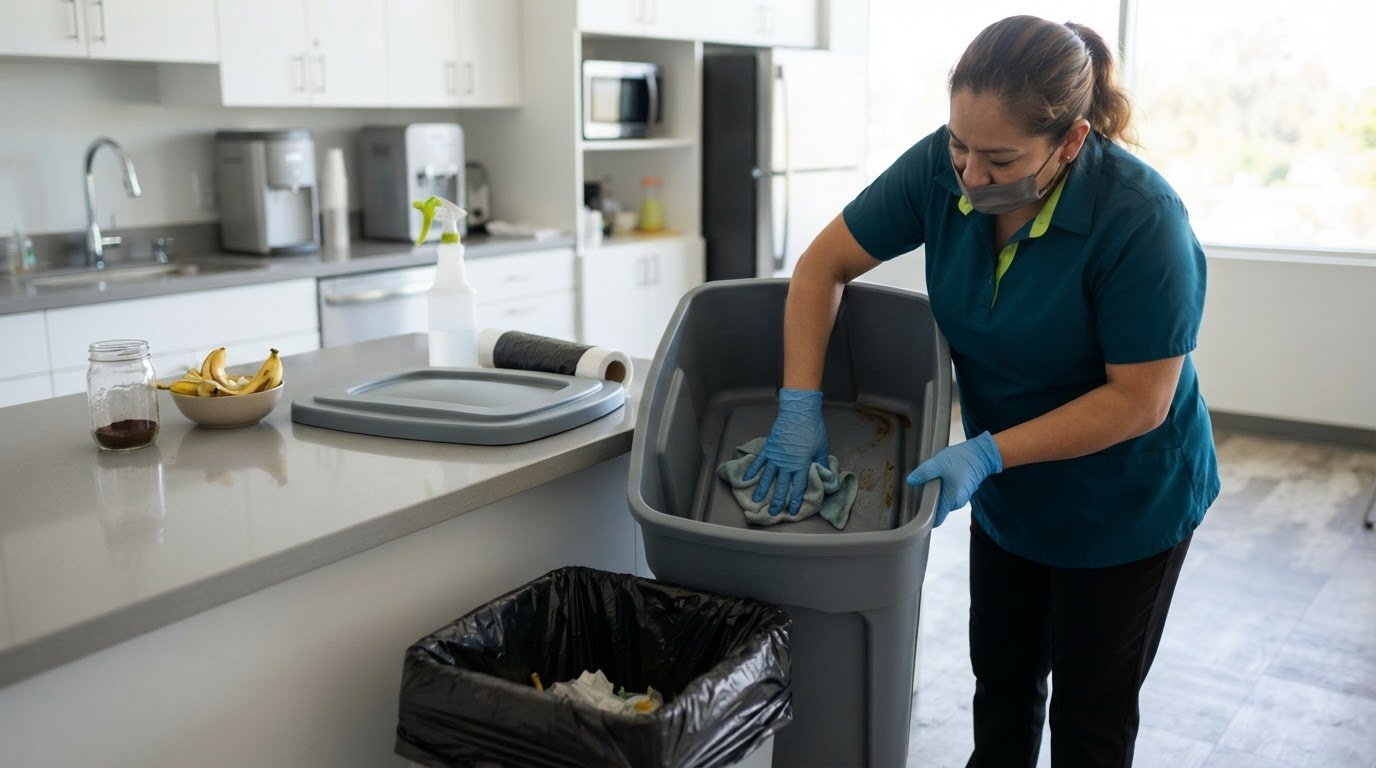
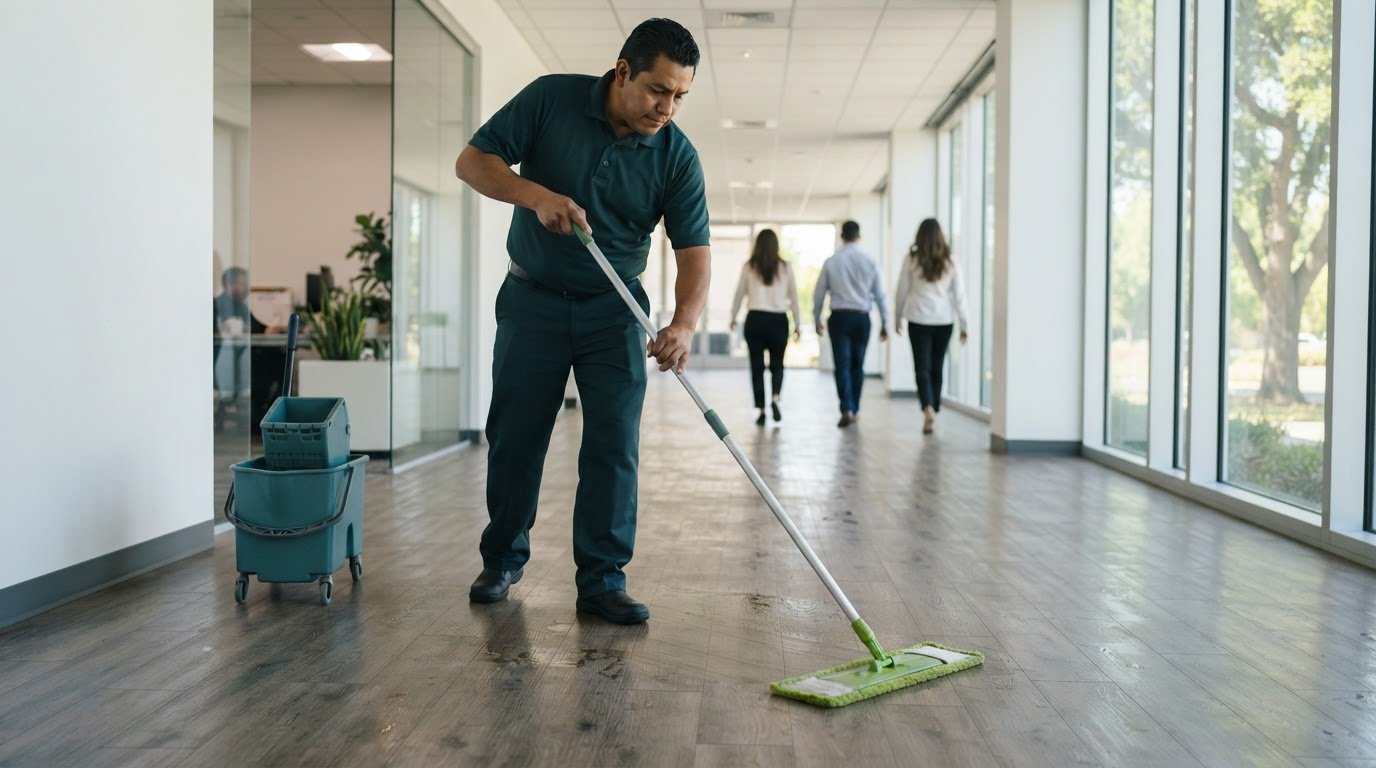
Professional office holiday party cleanup in Sacramento can restore a shared workspace after an event. Tasks may include removing trash, cleaning surfaces and floors, taking down decorations, and treating stains. Each addresses a different part of the room, from food scraps near serving areas to marks on high-traffic flooring. A defined scope separates event cleanup from routine office upkeep.
Time is a practical consideration. Professional cleaners can complete post-party cleanup in a few hours, compared with days for a team handling the work themselves. That difference matters when employees need desks, meeting rooms, or kitchen areas ready for regular use. Rather than assigning staff to sweep, wipe, and collect waste, organizers can leave those tasks to a dedicated cleaning team.
A thorough plan accounts for different cleanup needs instead of treating every surface alike. A dining area, for example, may need different attention from a hallway crossed by guests carrying food and drinks. Common tasks include:
- Trash removal: Clear discarded plates, cups, and packaging from the event area.
- Surface sanitization: Wipe shared tables and counters after food service.
- Floor cleaning: Address crumbs and tracked-in debris across gathering areas.
- Decoration takedown: Remove event decorations so office fixtures and surfaces are accessible.
- Stain treatment: Focus attention on spills or visible marks on flooring and furnishings.
Delegating these steps also clarifies responsibilities. An office manager hosting a gathering can coordinate the event without becoming responsible for every bag, table, and floor afterward. A defined task list gives the cleaning team a practical sequence: collect waste, remove decorations, clean surfaces, then address floors and stains. This prevents cleaning around items that still need to be moved.
Stain treatment is another useful part of post-party cleanup. A drink spill on carpet, for example, needs a different approach from loose food on a hard floor. Including visible spots in the cleanup scope helps ensure they aren’t overlooked among larger tasks. When describing the space, organizers can point out known spill areas and explain their condition.
Professional cleanup can help restore normal office use, especially when the party spans several shared spaces. A clear scope covering trash, surfaces, floors, decorations, and stains defines what “ready for work” means. With cleanup handled separately, employees can focus on their roles instead of spending the next workday restoring the event space.
Efficient cleanup and reduced staff workload
For commercial cleanup in Sacramento, insurance and bonding requirements depend on the building’s access rules and service agreement. Those terms may specify insurance documents or whether bonded staff are required, so include them when arranging access.
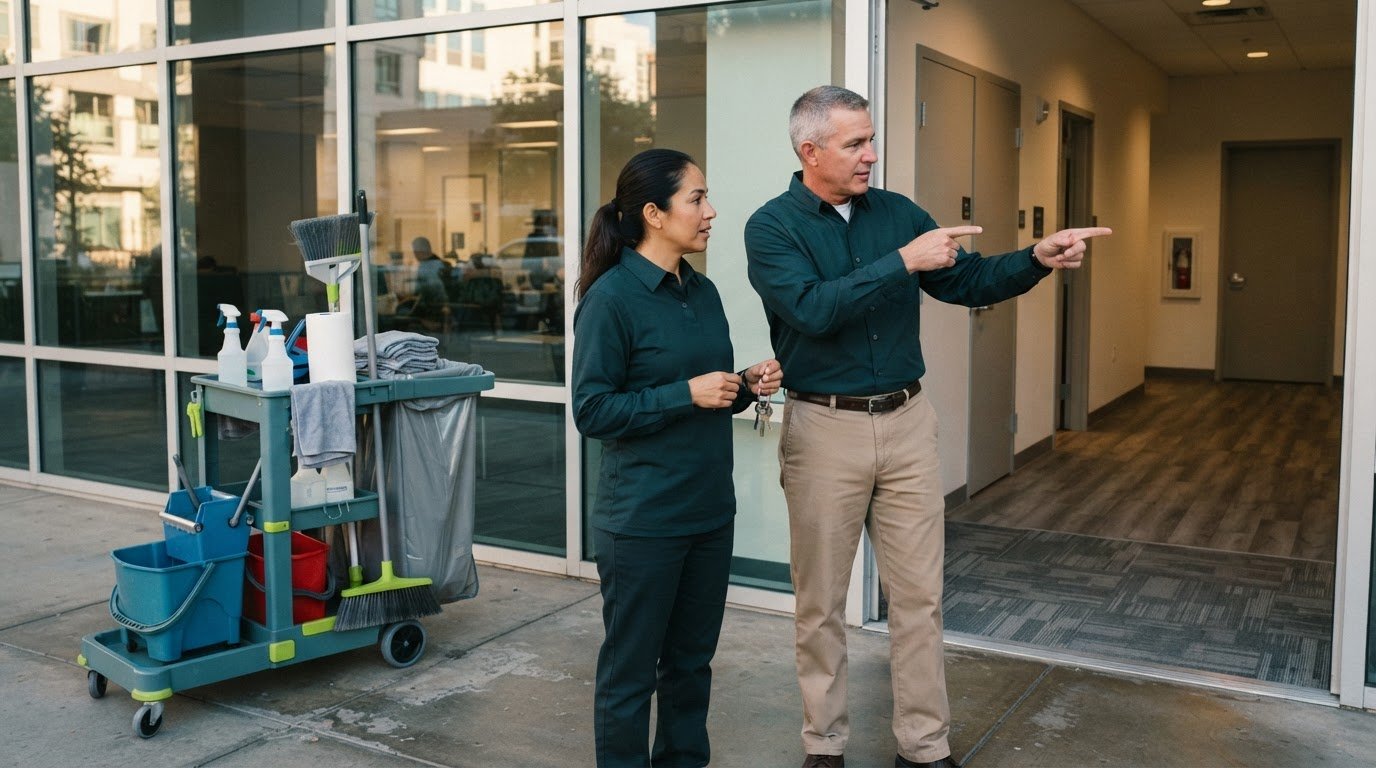
A simple division of responsibilities keeps event hosting from becoming an extra shift for employees. Assign one organizer to share room access details, another to identify catering and drink stations, and leave cleanup tasks to the designated cleaning team. For example, staff can report that refreshments were served in the conference room without being asked to clean it themselves.
During the holiday season, waste tends to collect in predictable places. Put trash and recycling bins near catering tables, drink stations, and room exits. This helps guests sort waste as they leave and reduces the need to collect discarded cups from several areas afterward. Keep bins accessible without blocking doorways or narrowing routes between rooms.
Share a short event map before cleanup begins. Mark the serving area, guest seating, and any rooms used for storage or coat drop-off. Note where leftover catering supplies will remain and which areas need attention first. This helps the cleaning team move through the space in a useful order without interrupting staff to clarify each room.
Staff workload also falls when responsibilities are settled before the party ends. Choose one person to collect reusable decorations and another to handle leftover food according to company procedures. Make clear that employees shouldn’t be expected to move heavy furniture or handle unknown spills. A clear division avoids duplicated effort while other areas go unattended.
- Before hosting: Mark event spaces and place waste bins beside catering and drink areas.
- During the party: Direct guests to the nearest bins and keep pathways clear.
- At closing: Identify retained supplies, decorations, and any priority rooms.
- For the cleanup team: Share access instructions and note areas needing focused attention.
These steps give employees a limited coordination role rather than a cleaning assignment. An office manager, for instance, can point out a spill near the beverage station, then return to preparing for the next workday. A clear handoff also helps prevent forgotten rooms, misplaced decorations, and confusion about leftover supplies.
To organize the handoff, share your office holiday party cleanup Sacramento details for a cleanup plan, including the rooms used, catering locations, access instructions, and priority areas.
Communicate these details clearly with the cleaning team, including where trash and recycling bins are positioned. If the serving area changes, update that guidance so staff and cleaners can find the nearest bins without searching. Keep bin placement consistent with the route guests use to leave the room, while preserving clear access through doorways. This planning detail can make waste easier to collect and help the cleanup team focus on remaining tasks rather than locating discarded items.
After the event, note where bins were difficult to reach or waste collected away from them. Use those observations to adjust placement for the next gathering, keeping the handoff simple and cleanup focused.
Office setup, supplies, and cleanup
Set up each office area with its final use in mind. Leave the main guest seating area clear of supply boxes, for example, and place serving items near the catering station. A simple room plan keeps tables, decorations, and waste containers from obstructing walkways. It also shows the cleaning team which spaces hosted guests and which remained in regular use.
After-hours office cleaning in Sacramento depends on the arranged service time and the building’s access window. Share the party’s end time and entry instructions when booking so the cleaning schedule can be coordinated with the venue.
Prepare supplies before guests arrive. Keep waste and recycling containers visible near food and drink stations, and follow the labels provided by the office or venue. In Sacramento, sort party waste according to those labels rather than assuming every material belongs in recycling. Place spare liners and paper towels near the serving area, where spills and overflowing bins are more likely.
Address spills promptly during the event to help prevent stains. If a drink spills beside a table, place a visible warning nearby while the area is being handled. Keep cleaning supplies intended for the cleaning team in a designated, accessible spot. Don’t leave chemicals or equipment where guests can reach them, and avoid mixing products.
Arrange professional cleanup at least a week in advance during the holidays. This gives the organizer time to describe the office layout, event schedule, and requested tasks. If plans change, update the room list and access details so the scope reflects the actual event rather than an outdated setup.
Before the party, record the spaces that need attention and note any venue restrictions. A compact checklist can cover:
- Rooms: Identify the reception area, kitchen, meeting room, and any spaces closed to guests.
- Supplies: Locate labeled waste containers, spare liners, and paper towels.
- Access: Provide entry instructions and the agreed cleanup window.
- Priority: Mark serving surfaces, carpeted areas, and visible spill locations.
After guests leave, separate reusable decorations and catering items from general waste. Keep table signs and company-owned serving trays together, for instance, rather than leaving them among disposable plates. This protects reusable items and gives the cleaning team clearer working surfaces.
A practical setup connects booking details with the physical office: room use, supplies, access, and waste separation. Organizing these details before guests arrive lets cleanup follow the event’s actual layout and leaves fewer decisions for employees at closing.
Per-person prices and base fees
Holiday party cleanup estimates may use a base fee, a per-person charge, or both. A base fee covers the agreed service scope, while a per-person model ties part of the estimate to the guest count. These are different pricing structures, not interchangeable descriptions. Ask for the scope and pricing method together to understand what the estimate covers.
The price depends on the job and is provided after a quote request. Key cost factors include the office areas used, guest count, amount of waste, and tasks such as floor or stain treatment.
A base fee can suit work with a core set of tasks, regardless of attendance. Cleaning a conference room, for example, may require similar attention to floors and tables whether the party is small or large. The area, access, setup, and requested work define that baseline. A useful quote describes these details instead of leaving “cleanup” undefined.
A per-person charge ties part of the estimate to attendance. More guests may mean more cups, plates, food packaging, and activity around serving tables. But headcount alone doesn’t describe the condition of every room. A gathering in one reception area may create a different workload from a party spread across a kitchen, conference room, and hallway.
For a clear comparison, list the spaces used and tasks expected. Separate routine pickup from additional requests, such as treating a carpet spill or cleaning another room. Note whether decorations, catering materials, and reusable supplies will be removed before cleaning begins. These details help align the quote with the actual needs of your office party.
- Guest count: Provide the expected attendance, and update it if plans change.
- Rooms: Name each space used, including kitchen and reception areas.
- Condition: Identify heavy food service, drink stations, or known spill areas.
- Requested work: List floor care, surface cleaning, and any extra attention.
- Access: Explain the building entry process and cleanup window.
During the holiday season, a written scope can prevent misunderstandings about what a fee includes. An estimate for the reception area, for instance, may not cover an adjoining kitchen unless that room is listed. Review the rooms, tasks, and charge structure together. If the plan changes, such as by adding a meeting room, the revised scope gives both sides a clear basis for updating the estimate.
Use the same details to compare a base-fee structure with a per-person model. That way, your choice reflects the office layout and cleanup needs, not just the guest count.
How to book last-minute holiday party cleanup in Sacramento
A last-minute cleanup request is easier to assess when the event details arrive together. Start with the office address, party date, expected finish time, and rooms used. Name the reception area, kitchen, and conference room, for example, rather than saying only “the office.” Clear information helps define the work and timing in one conversation.
Send the request as soon as the need becomes clear. Holiday schedules fill quickly, and the guidance is to book professional cleanup at least a week in advance. If less time remains, provide the exact event date and desired cleanup window. Don’t assume the party’s end time and the building’s access time are the same.
Describe the condition of each space in practical terms. Mention whether catering used the kitchen, drinks were served near carpet, or decorations remain on tables or walls. Note known spills and areas that must be ready first, such as a meeting room scheduled for use the next morning. These details distinguish priority tasks from optional ones.
Use a short request checklist to keep the booking conversation focused:
- Event details: Provide the date, address, end time, and expected guest count.
- Room list: Identify every area used, including kitchen and shared corridors.
- Cleanup needs: Describe waste, food service, drink spills, and floor concerns.
- Access: Share entry instructions, building restrictions, and the available cleanup window.
- Priorities: Name the rooms or surfaces that need attention first.
Be specific about what should remain in the office. Separate company decorations and reusable serving items from disposable party materials. If catering equipment belongs to a vendor, identify it rather than grouping it with office supplies. This avoids uncertainty about what should be moved during cleanup.
Keep one person responsible for the booking details. That person can consolidate updates if the guest count changes or the party expands into another room. A single, current room list is more useful than separate messages from several employees, especially if access instructions or priority areas change close to the event.
For last-minute office holiday party cleanup in Sacramento, send the event date, room list, access details, and priority tasks together. Request cleanup for your holiday party with those details so the scope can be discussed clearly.
For a late-running event, confirm the cleanup window separately from the party’s finish time. Haggin Oaks says its holiday party events can last until 2 a.m. If your event has a late finish, state when cleaners can enter and whether the building will be accessible then; do not treat the event end time as permission to enter. Include any access instructions with the room list and priority tasks, and update the booking contact if those details change. A clear plan helps everyone distinguish the time guests leave from the time cleanup can begin. If a room needs to be ready first, identify it directly so the request reflects that priority.
Cleanit Maintenance Systems: Office Cleaning
Cleanit Maintenance Systems provides office cleaning and commercial janitorial services for workplaces that need consistent care beyond a single event. After a holiday gathering, ongoing cleaning can help maintain shared work areas, kitchens, and meeting rooms as employees return to their routines. Daily Cleaning Services and Day Porter Services also support regular workplace upkeep.
Consider these services when your office needs an ongoing cleaning plan, rather than help with just one party’s aftermath. The right scope depends on the spaces and tasks your workplace needs addressed.
Contact Cleanit Maintenance Systems to discuss office cleaning for your workplace.
Set Up a Smoother Return to Work
The morning after a company celebration is a useful time to consider how the office will be used next. Identify which spaces need attention first, whether employees will return to shared desks, and whether meetings are scheduled. These priorities help define a successful handoff, beyond simply restoring the party space.
For office holiday party cleanup in Sacramento, base your decision on the condition you need the workspace in and how cleanup fits your team’s next workday. A clear scope helps organizers plan, communicate priorities, and avoid leaving last-minute decisions to employees arriving back at the office.
Keep the process straightforward: choose the priority spaces, share the timing and access details, then arrange the support that fits your office. Contact Cleanit Maintenance Systems to discuss your workplace cleaning needs. With a considered plan in place, your team can close out the celebration and look ahead to a more settled return to work.
Frequently Asked Questions
What office holiday party cleanup services are available in Sacramento, CA?
For Sacramento workplaces, Cleanit Maintenance Systems provides Office Cleaning, Commercial Janitorial, Daily Cleaning Services, and Day Porter Services. These offerings support office and shared-workspace upkeep after a gathering. An office manager can describe the areas used and what needs attention, such as a kitchen or meeting room, to define the relevant cleaning scope.
How should I assess Sacramento commercial event cleanup companies and reviews?
Use the cleanup scope to decide whether a service fits your Sacramento office. Look for clear descriptions of the rooms and tasks involved rather than relying on a general label like “event cleanup.” Reviews may offer context about another customer’s experience, but your office’s layout, access arrangements, and requested work shape its cleaning plan.
Are office party cleanup costs in Sacramento hourly or flat rate?
Cleanup estimates may be structured by the hour, as a flat fee, or through a base charge combined with per-person pricing. The price depends on the job and is provided after a quote request. Factors include the office areas used, guest count, amount of waste, and requested tasks. A clear scope shows how the estimate relates to your event’s actual cleanup needs.
What does a post-party office cleanup service include?
Post-party office cleanup can include collecting event waste, cleaning food-service surfaces, addressing floors, removing decorations, and treating visible stains. A kitchen used for catering may need counter cleaning, while a carpeted meeting area may need focused attention for a drink spill. The specific tasks depend on which office spaces were used and their condition after the event.