

A coating can help protect a commercial floor from spills, chemicals, abrasion, impacts, and heavy traffic, but it must suit the facility’s actual conditions. Protecting a commercial flooring investment also depends on compatible cleaning methods and prompt spill response. Where thermal shock or chemical exposure is part of daily operations, the floor system needs to withstand those demands.
It’s understandable to expect a durable coating to do the hard work. But the equipment and routine used to clean the floor matter too: the right approach removes soil, while an unsuitable method can spread it or leave residue. This guide explains how coatings, cleaning equipment, chemical exposure, thermal shock, and warranty terms affect floor protection and longevity. You’ll also see why choosing equipment for the surface type is a practical part of keeping commercial flooring in good condition.
Key Takeaways
- Match the coating system to the floor’s condition, daily traffic, and exposure risks before work begins.
- Choose cleaning equipment for the flooring surface and the type of soil, rather than relying on a mop alone.
- Consider chemical exposure and sudden temperature changes when determining what a floor system needs to withstand.
- Understand how application, routine care, and warranty terms affect a coating’s long-term performance.
- Use consistent, floor-appropriate maintenance and respond promptly to spills to help limit wear and damage.
1. Can a Floor Coating Protect My Property from Chemicals and Spills?
A suitable floor coating can help shield concrete from spills, abrasion, impacts, and heavy traffic. Protection depends on matching the coating to the floor’s condition and the facility’s daily demands. Before installation, assess the surface for cracks, spalling, uneven joints, and moisture damage. These issues can affect coating performance and create unsafe or inaccessible areas.
Set project objectives before selecting a system. Record where chemicals are used, where spills occur, and whether carts or vehicles cross the floor. A loading area exposed to wheeled traffic may need different performance priorities than an office corridor. Also identify cleaning demands and any thermal shock or static concerns. This assessment turns general durability goals into practical requirements.
How should businesses choose commercial flooring based on traffic and use? Match the floor system to pedestrian and vehicle traffic, likely spills, and the work performed in each zone. For example, a production area handling chemicals needs a system suited to that exposure, while an office entryway has different wear and cleaning demands.
Installation requires careful surface preparation and application. Experienced commercial flooring installers can assess the substrate, address visible defects, and apply the selected coating according to the project requirements. Inexperienced installation work may produce less-than-ideal results, especially where cracks, moisture, or uneven joints were missed before coating.
Phasing work by department, floor, or traffic direction can isolate active work zones while allowing much of a facility to function. Mark and separate each zone with barriers to protect passersby from tools, debris, and wet surfaces. Walk through each completed phase with facility managers to identify adjustments before work moves forward.
How can businesses reduce dirt and moisture damage at entrances? Use a maintained entryway system to capture tracked-in dirt and moisture, then remove debris from the system and nearby flooring promptly. Mats suited to the entrance and traffic pattern help keep grit from spreading farther inside.
Workplace safety planning should address slip resistance, accessible routes, maintenance, and clearly separated work areas. The Americans with Disabilities Act is an accessibility consideration for commercial spaces; suitable coating additives or aggregates can also improve wet-floor traction. To limit scratches, stains, water, and chemical damage, control tracked-in grit, clean spills promptly, and use products suited to the floor.
Commercial concrete coating installation can often be completed in one or two days, depending on the project. Phasing the work by zone can reduce disruption, while resilient products or quick-setting adhesives may allow immediate or next-day occupancy in some installations. Plan timing around the work area, traffic flow, and the required conditions for returning the space to use.
2. Choosing appropriate floor-cleaning equipment
Cleaning equipment should suit both the floor surface and the soil it collects. A vacuum that works well on carpet won’t remove grime from a hard-surface entryway. Start by identifying the floor material, the location, and whether the main problem is dry debris, wet soil, or tracked-in grit. Then choose tools that remove the soil instead of spreading it.
For dry dirt and debris in carpet entryways, a dual-motor vacuum can lift soil from carpet fibers. If wet dirt has built up, use a pile lifter and extractor to restore the entryway system’s function. These tools have different purposes: vacuuming removes dry debris, while pile lifting and extraction target accumulated wet soil.
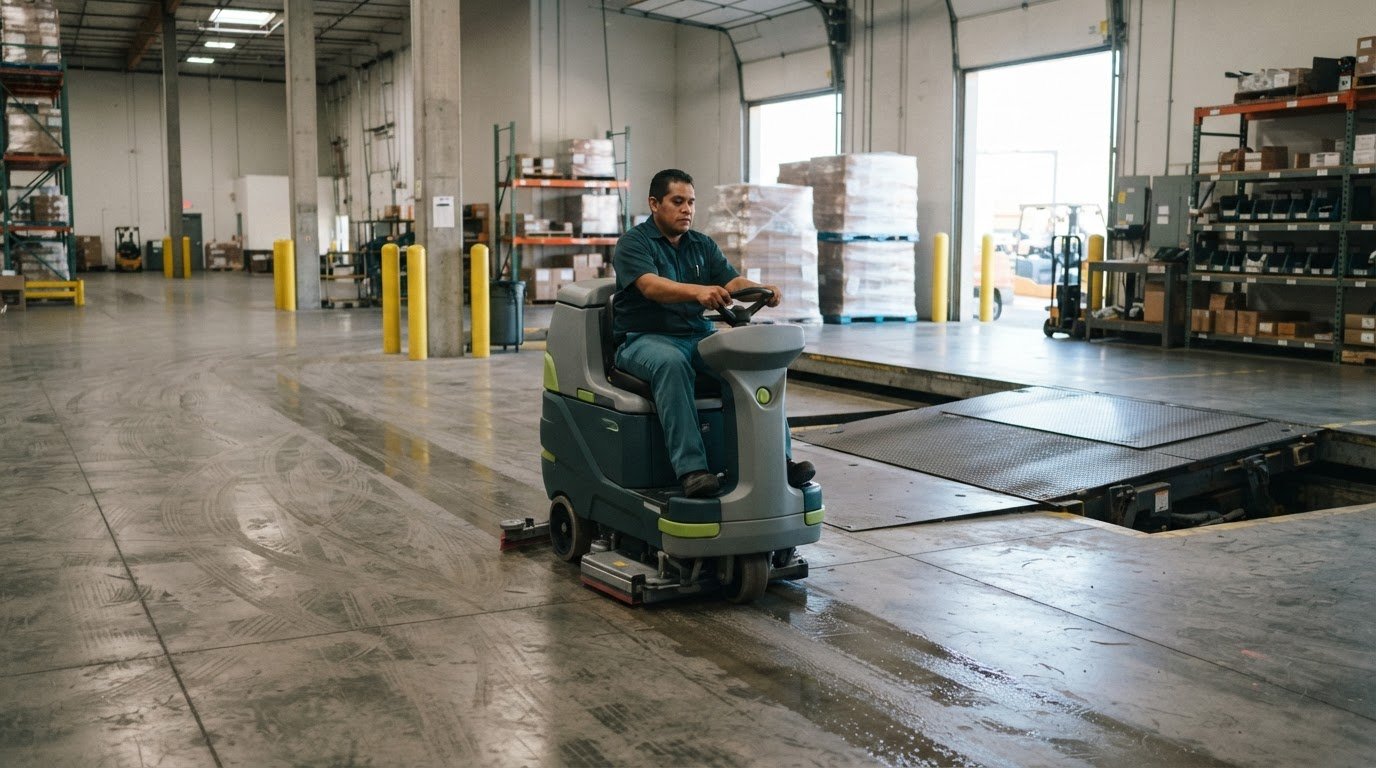
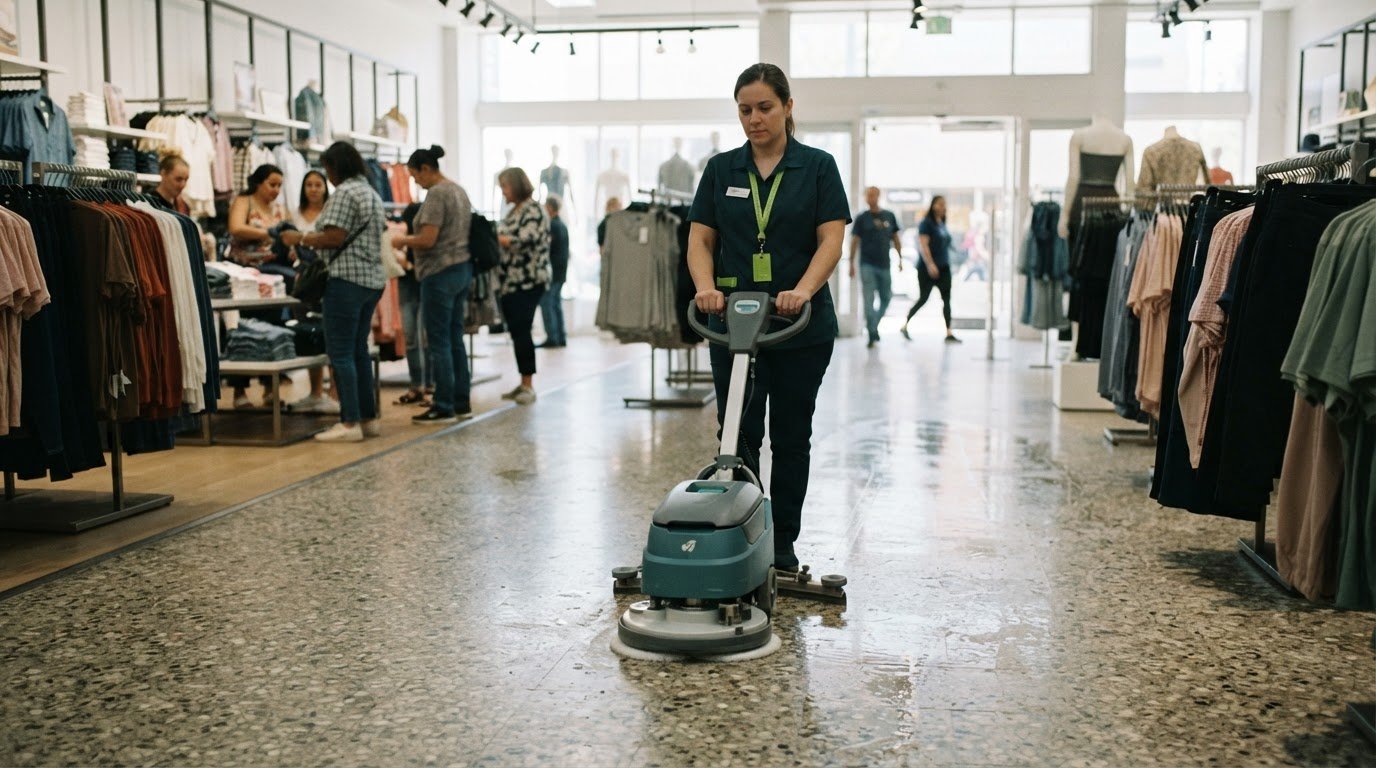
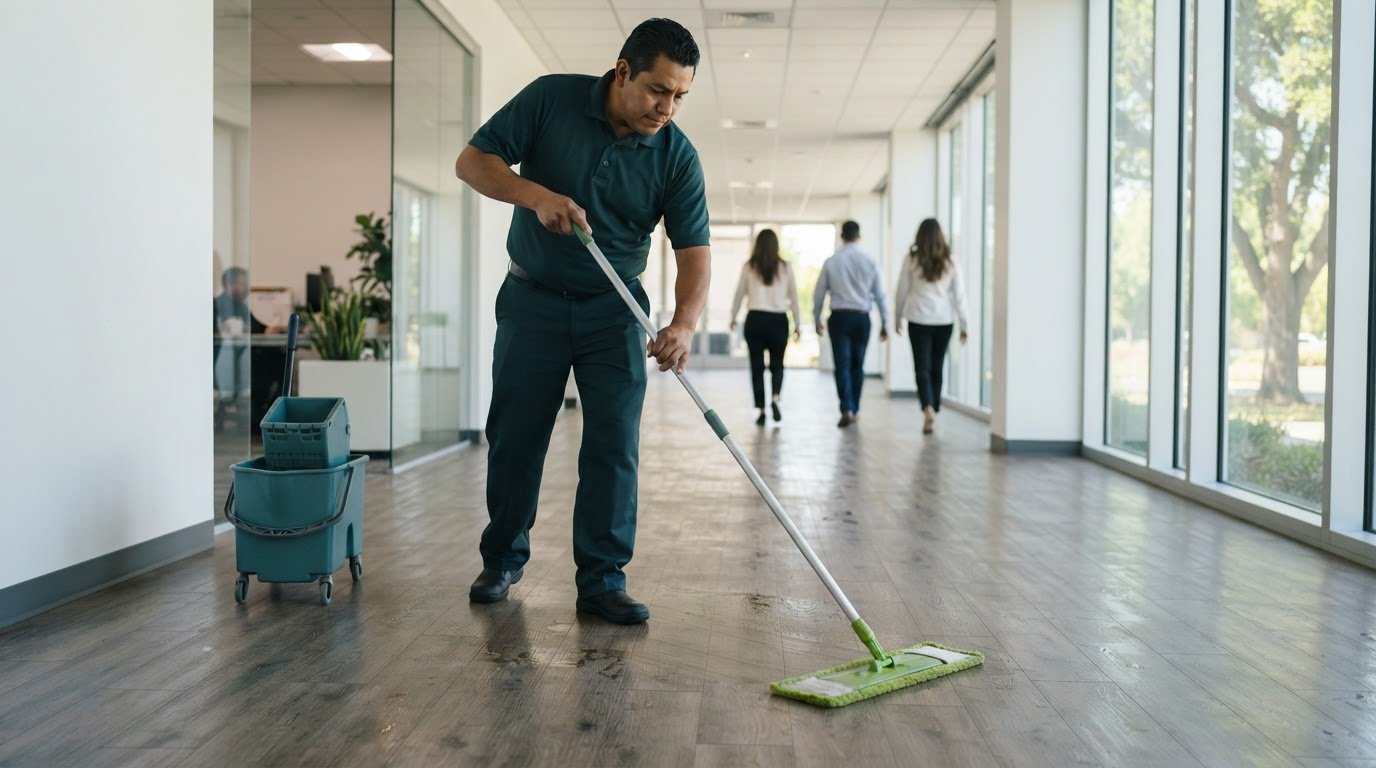
Hard-surface entryways need a different process. An auto scrubber can clean the floor beyond the entryway system, while microfiber mopping helps capture remaining dirt. A mop used alone may push soil around instead of removing it. For example, grit tracked onto a tile or concrete threshold can travel farther into a building if the cleaning method merely moves it across the surface.
How often should commercial floors be cleaned and maintained by flooring type? Set the routine according to the floor material, the amount of dirt it receives, and the activity in each area. Coated floors generally need regular sweeping and occasional mopping; carpet benefits from regular vacuuming, prompt stain treatment, and professional cleaning.
Equipment selection also depends on where the floor is located. An entryway receives dirt and moisture from footwear, while an office corridor may collect dust and debris from daily traffic. Match the tool and method to that load, then remove soil from both the entryway system and the floor beyond it. This helps prevent tracked-in dirt from circulating through the building.
Keep the cleaning method consistent with the surface. Use a vacuum for dry debris on carpet, extraction for wet buildup, and an auto scrubber with microfiber mopping for hard surfaces. For a coated floor, regular sweeping and occasional mopping support routine care without relying on equipment designed for carpet.
A clear cleaning plan connects equipment, floor type, and the amount of soil each area receives. Daily cleaning services can help maintain that routine across occupied spaces, including entryways and corridors. A dependable process accounts for changing dirt loads and selects equipment that removes debris from the surface rather than redistributing it.
3. Chemical exposure and thermal shock
A commercial floor system must suit the substances and temperature changes present in its work area. A coating can help protect a surface, but no single system suits every exposure. For example, polished concrete in an office faces different demands from flooring near chemical handling or washdown. Identify the actual conditions before selecting materials.
Start with an exposure inventory. Record the chemicals used, where they’re handled, and how spills reach the floor. Include routine cleaning agents, process materials, and substances moved by carts or containers. Note whether contact is occasional or part of daily work. These details help define the resistance the floor system needs, rather than relying on broad claims such as “chemical resistant.”
Compatibility matters because chemicals can affect floor materials differently. A spill may sit briefly before cleaning, spread beneath equipment, or remain there longer. Consider the substance, its concentration, contact time, and cleanup method together. Select a system suited to those conditions, and use cleaning products compatible with its finish. An unsuitable cleaner can undermine the protection the coating is meant to provide.
Thermal shock is another exposure to plan for. It occurs when a floor experiences a rapid temperature change, such as hot liquid reaching a cooler surface during a process or washdown. The change can stress the floor system. Identify where hot materials, cold storage, temperature-controlled rooms, or frequent washdowns create abrupt shifts. When those conditions apply, the floor system should withstand thermal shock.
Use this assessment to set clear project objectives. For a production zone, priorities may include chemical exposure, thermal changes, and equipment traffic. In a storage area, spills and wheeled loads may matter more. Commercial coating systems can be customized for different operational demands and appearance requirements, so define both performance needs and the desired finish before installation.
Spill response is part of protection, not a substitute for suitable flooring. Remove spills promptly using a method appropriate for the substance and floor finish. Keep cleanup materials suited to the chemicals present, and prevent residue from remaining in seams, joints, or around equipment. A written response procedure helps staff handle spills consistently without using an incompatible cleaner.
Review the system’s maintenance instructions alongside its exposure requirements. Confirm that routine cleaning methods support the coating, and note conditions that need prompt attention, such as discoloration, cracking, or a change in surface texture. These observations help identify wear before it spreads. Matching chemical and thermal demands to the floor system is a practical step toward a longer service life.
4. Coating longevity and warranties
Commercial concrete coatings can last for decades when properly applied and maintained. Their lifespan depends on suitable surface preparation, correct application, the floor’s daily demands, and consistent care. A coating exposed to heavy traffic or harsh cleaning conditions faces different wear from one in a lightly used office. Longevity depends on how well the system suits the facility.
Floor finishes, sealers, and protective coatings differ in purpose, wear, and upkeep. A finish can renew a surface’s appearance, a sealer helps protect the underlying material, and a coating forms a protective layer. Their costs depend on the floor’s condition, preparation, materials, and application. Compare expected maintenance and durability alongside upfront expense instead of choosing by price alone.
Warranty terms are useful only when their coverage and conditions are clear. Read what the warranty covers, how long coverage lasts, and which maintenance practices it requires. Pay attention to exclusions involving chemical spills, abrasion, moisture, or cleaning methods. Keep installation and maintenance records together, including the coating system used and any repairs. Those details make it easier to understand how the warranty applies to the floor.
Routine care supports coating life. Regular sweeping removes grit that can abrade the surface, while occasional mopping removes remaining soil. Use cleaning methods compatible with the coating and address spills promptly. Changes to cleaning equipment or chemicals can affect the floor’s condition, so include maintenance procedures in the facility’s operating plan.
When should commercial flooring be repaired, refinished, or replaced? Repair localized damage, such as a limited crack or worn spot, when the surrounding flooring remains sound. Refinish when wear affects the surface broadly but the underlying floor remains serviceable. Replacement becomes relevant when damage is extensive or recurring repairs no longer address the floor’s condition.
For example, isolated coating damage near a frequently used doorway may call for a targeted repair. Widespread dullness or wear may point to refinishing, while deep cracks, spalling, or persistent moisture damage call for a closer assessment of the substrate. These conditions matter because applying a new surface layer over unresolved damage can compromise the result.
Review the floor periodically for changes in texture, appearance, and cleaning performance. Record where wear appears and whether it follows traffic routes, equipment paths, or spill areas. These patterns help distinguish a local problem from broader coating failure. A documented maintenance history also supports informed decisions about repair, refinishing, or replacement.
5. What are the best ways to protect commercial flooring from wear and damage?
Build a maintenance routine around each floor type, its traffic, and the soil it collects. A consistent schedule helps prevent grit, moisture, and spills from wearing the surface. For example, an entryway with heavy foot traffic needs more attention than a lightly used meeting room. Adjust cleaning procedures as use changes instead of applying one method everywhere. A plan for protecting commercial flooring investment also accounts for how each area is used.
Use surface-specific care. Luxury vinyl plank and laminate benefit from regular sweeping and occasional damp mopping. Hardwood needs appropriate cleaners and limited moisture; rugs can protect busy paths. Carpet requires regular vacuuming, prompt stain treatment, and professional cleaning. Tile grout benefits from proper cleaning and sealing to help prevent discoloration.
- At entrances: Maintain mats or an entryway system to capture dirt and moisture before they travel indoors.
- Across traffic routes: Place rugs in high-use areas and keep dirt and grit from being tracked through the facility.
- Under furniture: Use felt pads to reduce scratching when chairs or tables move.
- After spills: Clean promptly with a method suitable for the floor material.
Entryway care includes removing trapped soil from both the system and the floor beyond it. Otherwise, tracked-in dirt can circulate farther through the building. During an event that doubles normal foot traffic, adjust the cleaning schedule and procedures for the added soil. A busier entrance may need more frequent attention than its routine plan provides.
For coated commercial floors, regular sweeping and occasional mopping support routine maintenance. Their nonporous surface resists dirt and grime, making everyday cleaning easier. Commercial concrete coatings are designed to resist abrasion, impacts, and heavy traffic, but grit and neglected spills still need prompt removal. Use cleaning procedures suited to the floor and the amount of dirt.
Inspect busy routes as part of the routine. Look for recurring stains, scratches, worn grout, or changes around furniture and entrances. These patterns can show where mats, cleaning attention, or protective measures need adjustment. Consistent care is a practical part of protecting commercial flooring investment, especially where traffic and dirt loads vary across the facility.
For help maintaining commercial floors, contact the team about floor care. A practical maintenance plan can align cleaning methods with the facility’s surfaces, traffic patterns, and changing dirt loads.
Cleanit Maintenance Systems: Commercial Janitorial
Cleanit Maintenance Systems supports commercial facilities in the Greater Sacramento area with janitorial cleaning and Floor Restoration & Protection. Turn to these services when routine care needs a consistent structure or floors need restoration and protective attention. Regular cleaning removes tracked-in dirt and routine soil before they contribute to wear, while floor restoration addresses surfaces that need focused care.
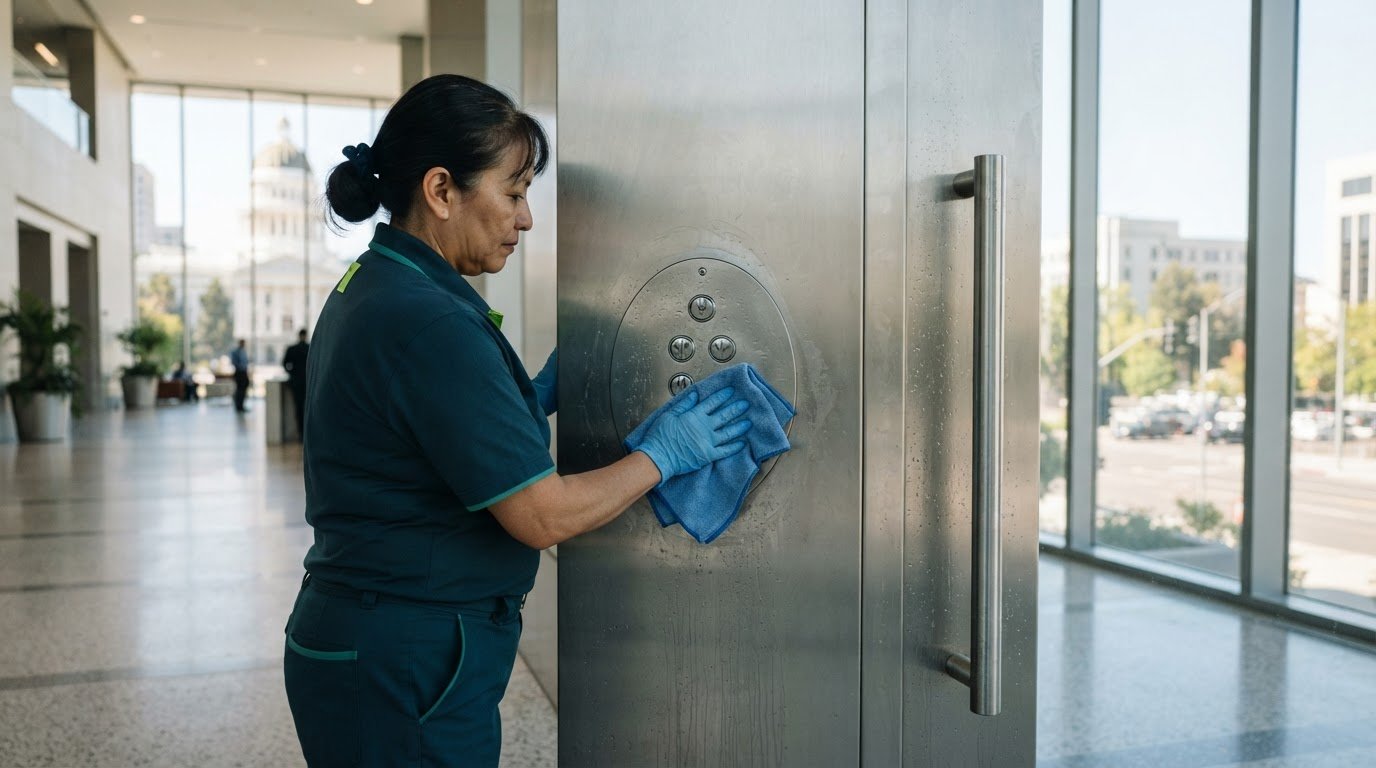
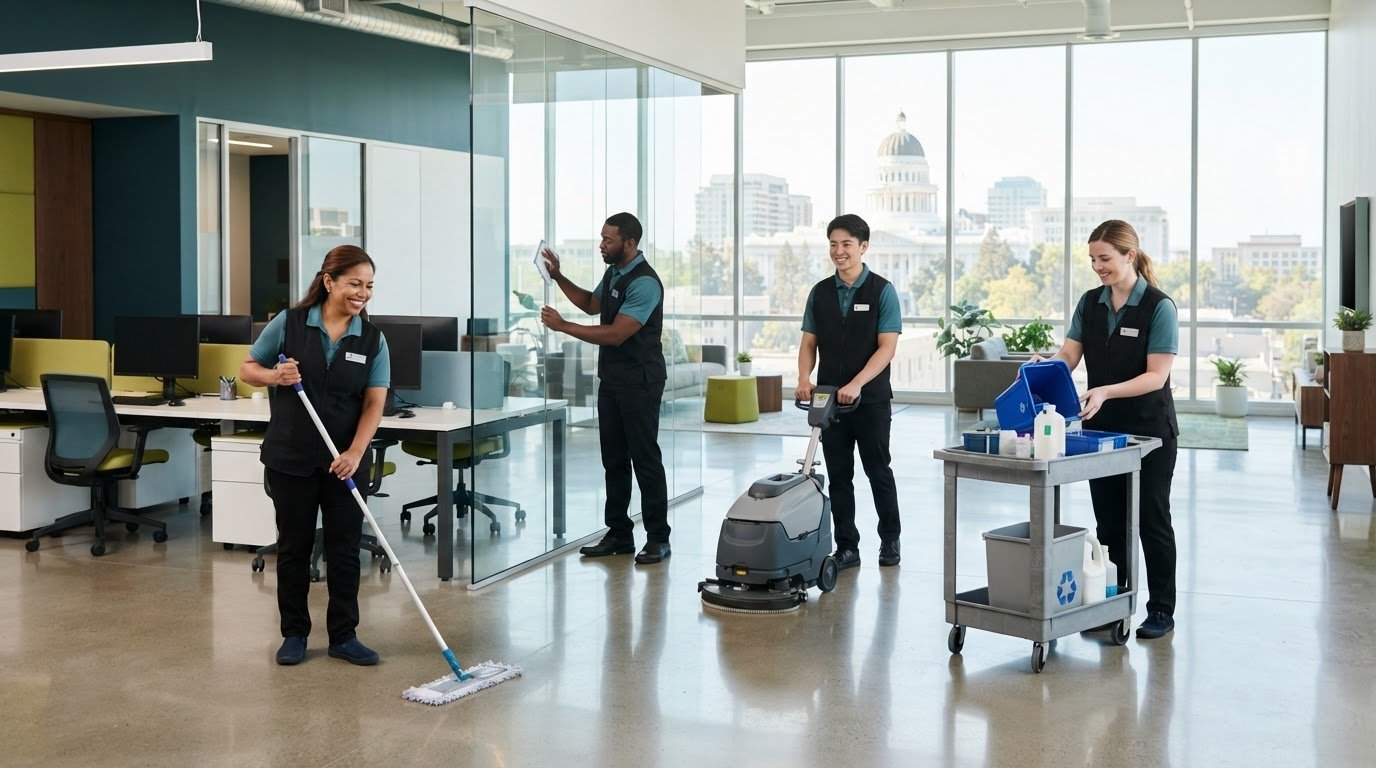
For offices, coordinated Office Cleaning and Daily Cleaning Services can support a regular maintenance routine. The right approach considers the floor type, traffic, and soil in each area, keeping care aligned with the facility’s daily use.
For help with commercial floor care or janitorial needs, contact Cleanit Maintenance Systems to discuss your facility.
Make Floor Care Part of the Next Operations Review
Commercial floor protection is strongest when care is built into operational planning. As equipment, workflows, or room use changes, revisit the maintenance plan and record what has changed. This keeps cleaning practices aligned with facility needs instead of waiting for visible wear to prompt a decision.
Use an upcoming review to note areas where floor performance and daily routines no longer match. Protecting a commercial flooring investment means more than preserving appearance; it means maintaining surfaces suited to the work taking place there. A clear record of exposure, repairs, and routine care can help teams make thoughtful decisions about future upkeep.
Cleanit Maintenance Systems can be part of that next step. If you’re ready to discuss a practical approach for your facility, start a conversation with Cleanit Maintenance Systems. A steady plan gives your team a sound foundation for moving forward with confidence.
Frequently Asked Questions
Can a Floor Coating Protect My Property from Chemicals and Spills?
Yes, a coating can help protect a floor from spills when its material suits the substances and conditions involved. No coating provides universal protection: exposure depends on the chemical, contact time, and cleanup process. For example, a floor near chemical containers needs a system selected for those substances, plus a clear spill-response procedure. Prompt cleanup limits prolonged contact and helps prevent residue from affecting the surface.
Does a Coated Floor Truly Reduce Maintenance and Operating Costs?
A coated floor can simplify routine cleaning, but lower overall costs depend on the facility’s use and care practices. Easier soil removal may reduce the effort required for routine upkeep, while abrasive traffic or incompatible cleaners can increase repair needs. In a Sacramento office, track maintenance labor, cleaning supplies, repairs, and floor-related downtime over time. Compare those records before and after coating to judge the actual operating impact.
How Does Durability and Longevity Translate to Increased Property Value?
Durable flooring can support a property’s value by keeping spaces serviceable and limiting visible deterioration. It doesn’t automatically raise an appraisal or sale price. Buyers and tenants may value floors that look maintained and suit the building’s intended use. For example, a warehouse floor that remains functional under daily equipment traffic can be a stronger asset than one requiring extensive repairs before occupancy.
How Does a Floor’s Appearance Affect Tenant and Buyer Appeal?
A clean, consistent floor can strengthen a visitor’s first impression of a commercial property. Stains, worn patches, or damaged transitions may suggest deferred maintenance, even if the space is otherwise well cared for. Before a showing, assess entrances, corridors, and shared rooms, where visitors naturally notice the surface. Address localized wear and keep the finish consistent with the space’s use and presentation.
Why Is Your Commercial Floor More Than Just a Surface?
A commercial floor affects how people move through a workplace, how equipment operates, and how easily staff can maintain the space. A damaged transition may interrupt cart movement, while a poorly maintained entry can carry grit into adjoining rooms. Flooring also contributes to the appearance and daily function of an office, clinic, or production area. Treating it as part of facility operations supports safer, more orderly use.
What Does Commercial Floor Maintenance Cost per Square Foot in the United States?
There isn’t one universal commercial floor-maintenance rate per square foot. Cleanit Maintenance Systems provides pricing after a quote request, based on the scope of work. The floor material, condition, area size, soil level, cleaning frequency, and required work all affect the estimate. A useful quote begins with a clear description of the facility and the surfaces needing care, rather than a generic rate.
What Warranties Cover Commercial Flooring, and What Maintenance Can Void Them?
Warranty coverage depends on the written terms for the specific flooring or coating system. Review what the agreement covers, its exclusions, and the care procedures it requires. Unapproved chemicals, abrasive equipment, neglected spills, or maintenance outside those instructions may affect a claim. Keep product, installation, and service records together, and document repairs or unusual exposure so the floor’s history is clear.
How Can Businesses Budget and Calculate the Return on Investment for Commercial Flooring Protection?
Compare proposed protection work and ongoing maintenance with the facility’s current cleaning, repair, and replacement expenses. Use the same time period for both estimates, and include labor, materials, access restrictions, and disruption to operations. Separate costs by area, since an entryway and a low-traffic office may need different care. Review actual maintenance records regularly, then adjust the plan when use or floor condition changes.