Preventive cleaning can protect capital assets: consistent professional care can extend flooring’s useful life by roughly 20 to 50 percent. Measuring the ROI of professional cleaning means comparing service costs with the value of longer-lasting floors and furnishings, lower janitorial expenses, fewer sick-day losses, and dependable service quality.
It’s reasonable to expect a cleaning program to do more than keep a workplace presentable. To measure the ROI of professional cleaning, look at both the costs it may help avoid and the consistency of the service.
Assess asset protection, compare professional and in-house janitorial costs, estimate the value of reduced absenteeism, and track service quality. Together, these measures help you judge whether cleaning supports your business’s operations and long-term budget.
Key Takeaways
- Compare cleaning costs with avoided repairs, replacements, and the labor required to manage janitorial work in-house.
- Estimate sick-day savings using your own absence records and the business impact of missed work.
- Track service quality with consistent audits that show which areas meet expectations and where attention is needed.
- Match cleaning frequency and priorities to your facility’s use, so resources focus on the areas that matter most.
- Review financial results and service standards together to see whether cleaning supports both operations and long-term asset care.
Does preventive cleaning actually protect capital assets?
Yes. Routine janitorial maintenance can extend facility asset lifespans by 20-40% over time. Measuring the ROI of professional cleaning therefore includes comparing care costs with avoided wear, repairs, and premature replacement. The clearest gains often appear in flooring, where dirt and delayed maintenance can shorten useful life.
Consider a 5,000-square-foot office with vinyl composition tile, or VCT. Without proper maintenance, its floor may need replacement after 9-10 years rather than 15 years. That difference changes the annualized replacement burden, even if the floor looks serviceable for now. Track floor condition, maintenance dates, and replacement timing to see whether care is protecting the asset.
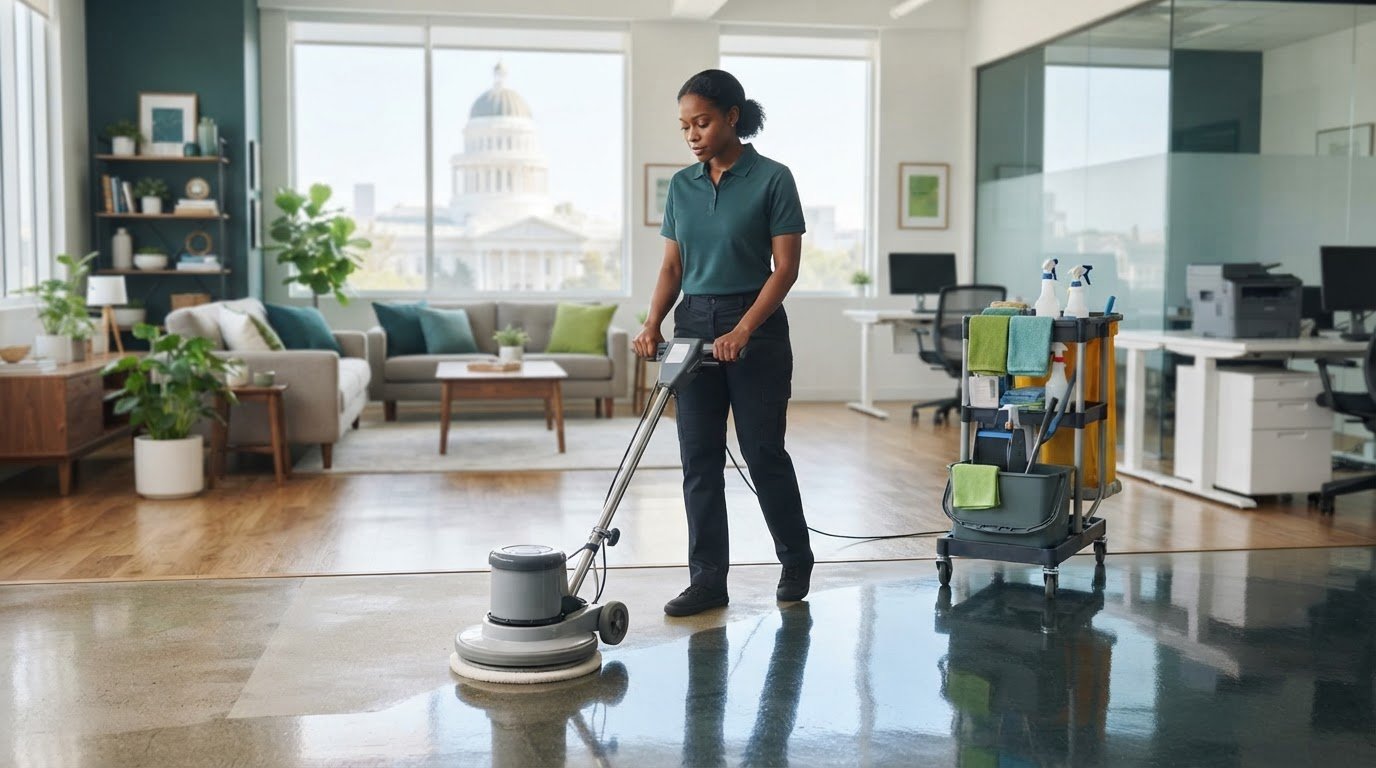
Carpet offers another measurable example. Research from the Carpet and Rug Institute says proper maintenance extends carpet life by 50%. Carpets typically last five to 15 years, and consistent professional care can extend flooring useful life by roughly 20 to 50 percent. These are useful benchmarks, not a substitute for examining foot traffic, soil levels, carpet type, and maintenance history at a particular facility.
Record each asset’s current condition and expected replacement cycle, then compare that baseline with later inspection notes. Separate routine care from corrective work to see whether maintenance is preventing damage or responding to it. Include windows and furnishings as well as floors: regular care can help prevent premature wear and costly repairs or replacement. The same record can show whether neglected areas affect productivity, customer impressions, or employee retention.
Cleaning practices that support compliance depend on the facility and its work. OSHA standards, CDC recommendations, and industry-specific protocols may inform professional cleaning practices. Tax deductions depend on a business’s circumstances and expense classification; no single cleaning-specific deduction rule applies to every U.S. business. Keep cleaning records separate from tax decisions, and consider the relevant operating context.
Industry and facility size affect ROI through traffic, soil, flooring materials, room layout, and maintenance needs. A compact office and a high-traffic manufacturing facility have different asset risks and cleaning requirements, even at similar square footage. Compare like with like by assessing the same areas, tasks, and condition indicators over time.
For flooring, include the maintenance cycle as well as the replacement cycle. A seven-year replacement cycle extended by 50 percent becomes ten and a half years, reducing annualized flooring cost by about one third. That example shows why a facility’s ROI assessment should consider asset life, not just the current cleaning line item.
How do I calculate ROI of janitorial service for my business?
Compare annual cleaning investment with measurable savings and operational benefits. Include labor, avoided expenses, task time, and service outcomes in your calculation.
Annual Net Benefit and Payback
Annual net benefit is the value of measurable returns minus the annual cleaning investment. Divide net benefit by investment, then multiply by 100 for ROI. To estimate payback, divide the initial investment by the periodic net benefit. These calculations help you compare options on a consistent annual basis, rather than judging commercial cleaning by appearance alone.
In-House and Outsourced Cost Comparison
Compare the full annual cost of in-house cleaning with the outsourced service investment for the same spaces and tasks. Include wages, benefits, supplies, equipment, maintenance, training, and time spent supervising internal work. Then compare the totals with the service scope and measurable results. This gives decision-makers a more useful view than comparing wages with a service quote alone.
For a fair comparison, use the same cleaning frequency, areas, and task standards for both options. Separate recurring expenses from equipment purchases, and account for cleaning work employees do outside their primary roles. This shows which approach uses resources more efficiently while supporting workplace perception and daily operations.
Costs Included in ROI
Include every cost tied to the cleaning program: labor, supplies, equipment, maintenance, and management time. Add measurable benefits such as reduced repairs, fewer disruptions, and recovered employee time. Keep direct savings separate from less measurable outcomes, such as customer perception. Clear categories prevent double-counting and make annual comparisons more useful.
Risks in ROI Calculations
ROI can be distorted when scopes differ, one-time costs are omitted, or expected benefits are treated as certain savings. Occupancy, traffic, floor type, and cleaning frequency can also affect results. Use the same accounting period and baseline for each option, then distinguish recorded savings from estimates. This keeps the calculation useful without overstating the return.
Task timing adds an operational measure. For a single task, multiply the cleanable square feet by the production rate’s time per square foot, or divide area by square feet cleaned per hour. The example rate for mopping 1,000 cleanable square feet is 5,355 square feet per hour, taking 11.2 minutes. Converting hours to minutes uses 60 minutes per hour.
Bundled work needs its own estimate because several duties occur during one visit. Spot cleaning 2,000 cleanable square feet, including trash, spot wiping, dusting, and floor-debris pickup, takes an estimated 7.24 minutes. The ISSA 447 standard provides task-level production benchmarks for activities including vacuuming, mopping, restroom servicing, and trash removal. Adjust estimates for furniture, obstacles, and floor type.
For a broader return example, a 5% productivity lift across 20 staff members earning $50,000 per year represents $50,000 annually in value. Treat that as an estimate, not cash savings, unless the business can connect improved productivity to measurable output. Combining that analysis with task times and complete cost categories makes ROI a more balanced measure of the investment.
Estimating savings from reduced sick days
Fewer absences can protect business continuity as well as payroll. The Centers for Disease Control and Prevention estimates workplace illnesses cost U.S. employers more than $225 billion in productivity losses per year. Consistent janitorial care supports cleaner shared spaces, but sick-day savings should be calculated from your own absence records and business costs.
Start with a baseline: record sick days, absence-related costs, and disrupted work over a consistent period. Then compare that baseline with later records after cleaning practices change. Improved cleaning can reduce sick days by about 35 to 40 percent, according to the market estimate in the research facts. Treat this as a reference point, not a substitute for tracking your workplace’s actual results.
To estimate financial value, multiply the sick days avoided by the cost of each absence. When evaluating financial impact, use one consistent method and avoid combining incompatible examples across different business units.
Absence costs include more than wages. Missed shifts can delay projects, redistribute work, and reduce team efficiency. For a practical estimate, identify the work affected by each absence, then record related overtime, delayed output, or coverage demands. If other workplace changes coincide with a cleaning program, compare records carefully rather than attributing every improvement to cleaning.
Shared surfaces matter because infection can move through commonly touched areas. A University of Arizona study found one contaminated door handle can spread viruses to 50% of office surfaces within hours. That finding helps explain why cleaning plans pay attention to touchpoints, not only visible soil. Pair regular sanitation with a consistent schedule for desks, handles, and shared equipment.
Assess the facility as a whole. Restrooms, break areas, and high-traffic flooring may need different attention because use and soil vary by space. Review cleaning logs alongside sick-day records, and note changes in occupancy, seasonal illness, or work patterns. This context helps distinguish sustained improvement from a short-term fluctuation.
Calculate net sick-day savings by subtracting the additional cleaning investment from the estimated value of avoided absences. Keep the assumptions visible: absence cost, days avoided, and period measured. A clear comparison shows whether the apparent gain reflects fewer disruptions and steadier operations, rather than an unexplained change in reported sick days.
Reduced employee sick days and absenteeism
Absence records show only part of a clean workplace’s value. Employee experience, focus, and continuity also matter when evaluating the work environment. Compare employee feedback with attendance patterns and task completion. For example, track whether recurring complaints about restrooms or shared areas change after cleaning routines improve. Keep this assessment separate from sick-day savings so the same benefit isn’t counted twice.
Productivity gains from a cleaner workplace may include fewer distractions and better focus. Harvard University’s Center for the Built Environment says workers in clean offices can be up to 12% more productive than workers in poorly maintained spaces. Treat that figure as context, not a promised result for an individual facility. Compare relevant work measures before and after changes, such as completed tasks, service delays, or employee-reported interruptions.
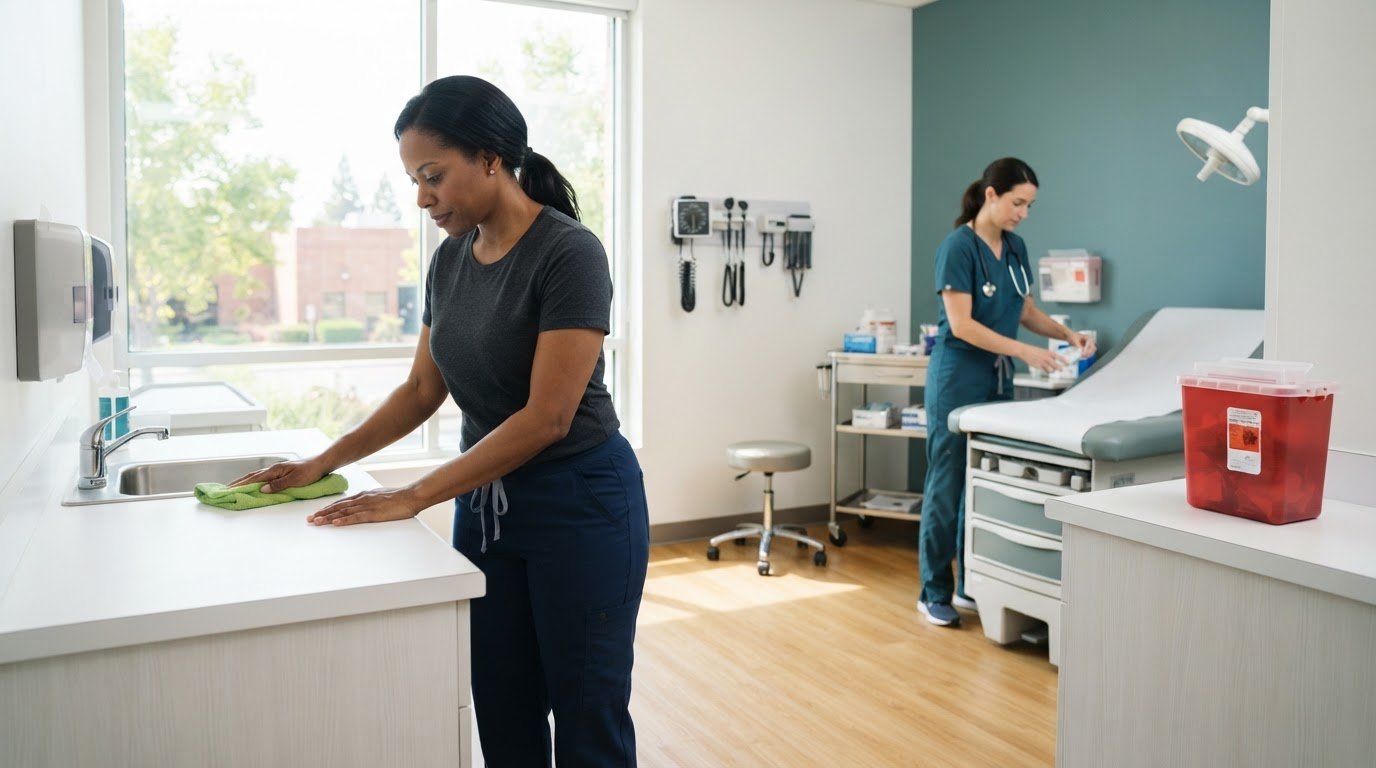
Sanitation also shapes how employees experience shared spaces. Regular attention to touchpoints, restrooms, and break areas supports a consistent workplace standard. In healthcare settings, cleaning needs may differ from those in an office. Consider traffic, shared equipment, and daily routines when assessing whether coverage matches how people use each space.
Employee satisfaction offers another useful indicator. A survey found that 86% of employees say workplace cleanliness affects their job satisfaction. Track feedback alongside absenteeism and retention, rather than assuming one measure explains another. For instance, compare comments about common areas with employee survey results over the same review period. This can help identify whether visible cleanliness is a recurring concern or simply one factor among several.
Restrooms deserve specific attention in that review. A survey found that 85% of employees feel restroom cleanliness reflects the overall hygiene of a building. Record recurring issues, inspection findings, and employee comments by area. If restroom feedback improves while other spaces receive unchanged scores, the detail can help managers refine cleaning priorities instead of making broad changes across the entire facility.
Combine attendance data, employee feedback, and operational indicators in one review. Keep measurement periods consistent and note major workplace changes that may influence results. Separate recorded outcomes from estimates, especially when linking satisfaction with retention or productivity. A clear comparison can show whether improved cleaning aligns with a better employee experience, steadier work, and fewer reported concerns, without treating correlation as proof of cause.
Using audits, scorecards, and service-level agreements
A cleaning audit turns expectations into observable results. A 100-point monthly audit can track whether a janitorial service meets the agreed program standard, while a scorecard records patterns across areas and visits. Together, these tools help managers connect service quality with budget decisions, rather than relying on a single impression after one cleaning.
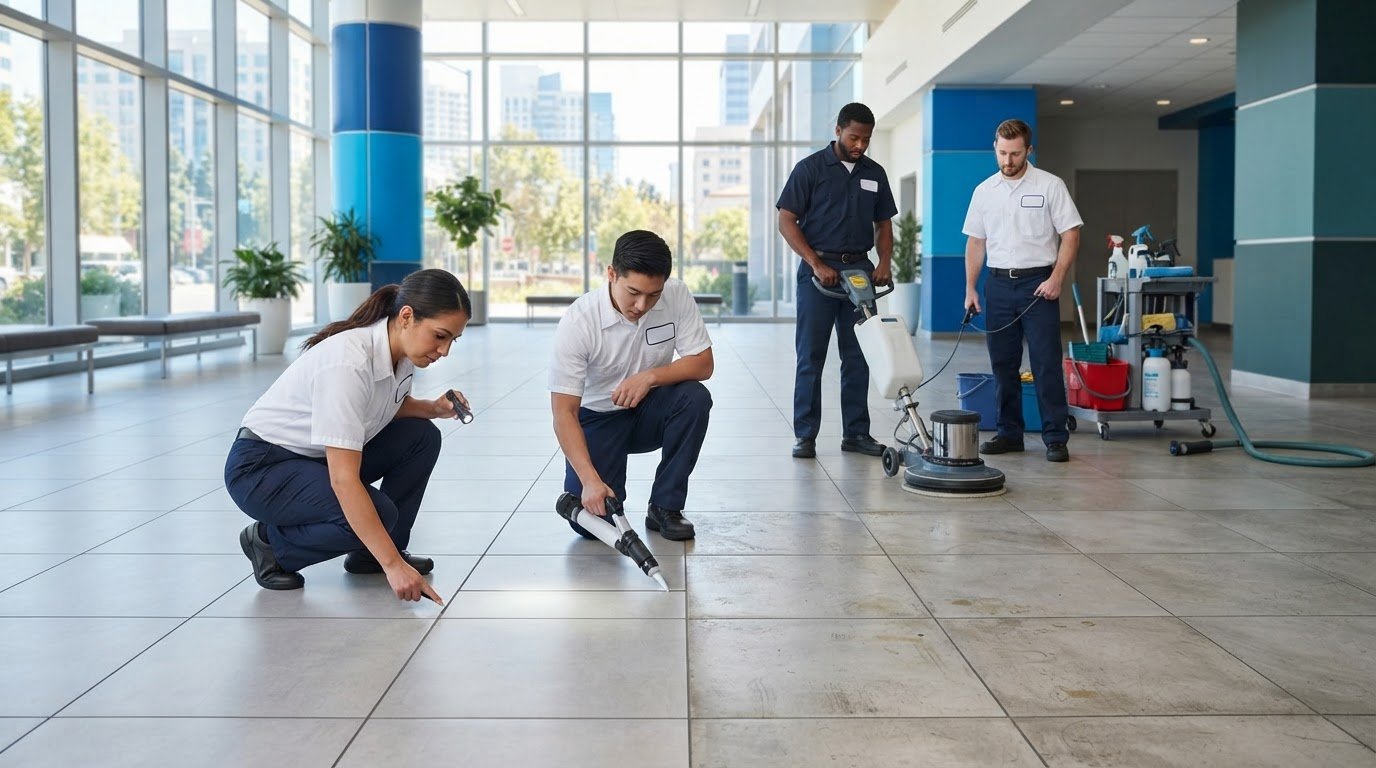
Use consistent categories each month, such as floors, restrooms, shared surfaces, and waste removal. Record each area’s score, note the issue behind any deduction, and assign a follow-up action. A missed floor-care task, for example, should be recorded as a specific finding, not a general comment. Repeat the same checks during the next audit to see whether the correction lasted.
Suggested score targets vary by facility type: 90 or higher for Class A offices, 85 or higher for Class B offices, and 92 or higher for healthcare facilities. These figures give teams a reference for reviewing results, not a universal grading rule. Pair the score with written observations so a manager can understand what the total represents and whether a low result affects safety, appearance, or routine operations.
A service-level agreement, or SLA, defines service expectations and how requests are handled. One proposed framework recommends acknowledging and addressing urgent cleaning issues within one to two hours. It recommends closing routine requests within 24 hours or by the next scheduled service. Use clear definitions of urgent and routine so employees, managers, and cleaning staff classify requests consistently.
Documentation can make a scorecard more useful. For disinfecting work, EPA List N product verification and contact-time records are identified as documentation to request from a cleaning provider. Record the relevant product and contact-time information with the task audit, then review it alongside service observations. This creates a traceable record, rather than relying on memory when a concern appears later.
Connect the audit to financial review by comparing service scores with the cleaning budget, recurring requests, and asset condition. A stable score alongside fewer repeat corrections may indicate that the program is working as intended. A falling score can signal that task coverage, timing, or staffing needs review before issues lead to repairs or replacement. Keep quality findings separate from savings estimates to avoid counting the same improvement twice.
- Audit: Record scores, locations, and corrective actions each month.
- Scorecard: Compare like areas and tasks across review periods.
- SLA: Define request categories and expected handling times.
- Review: Connect service results with budget and asset records.
Review the completed scorecard with the people responsible for facility operations. A shared record turns individual observations into clear priorities for the next service period.
Cleanit Maintenance Systems: Commercial Janitorial
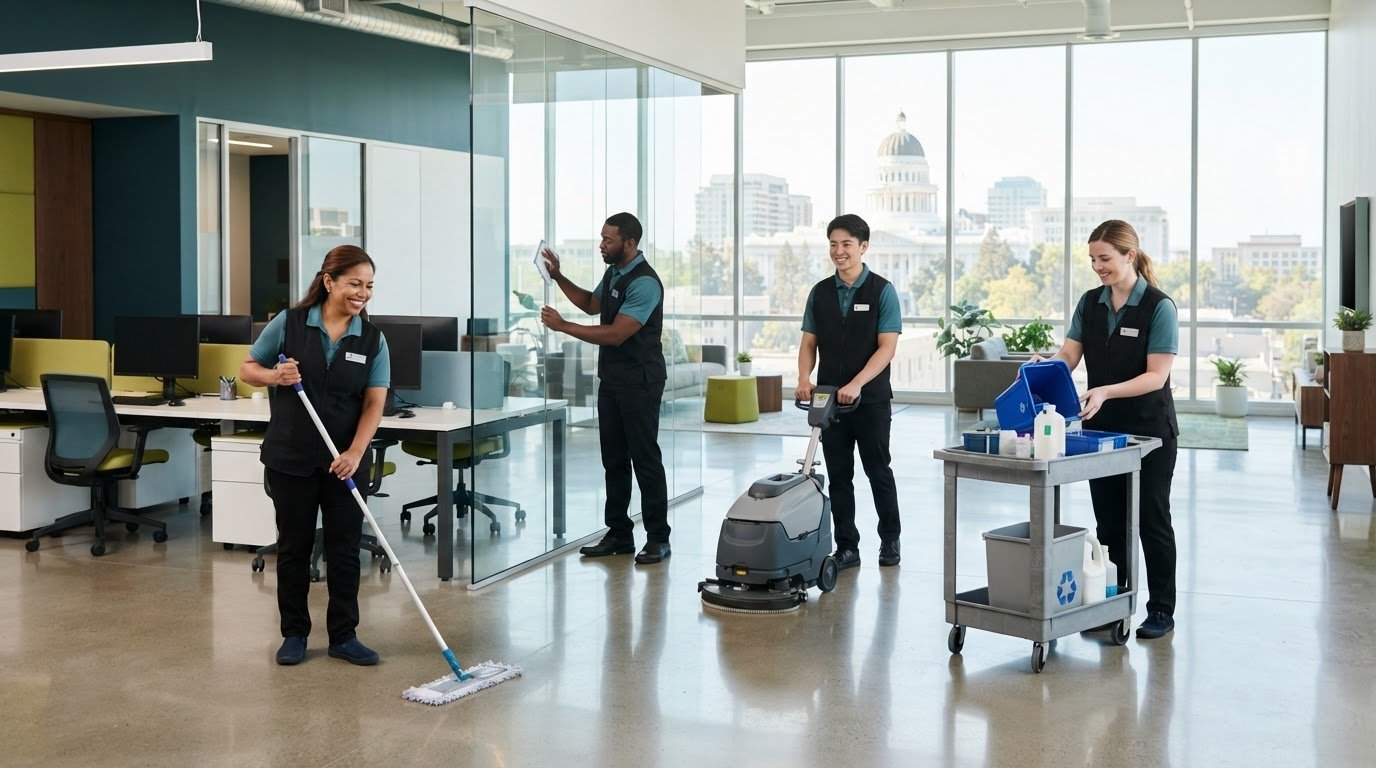
Cleanit Maintenance Systems provides commercial janitorial services for businesses seeking consistent workplace care. Office Cleaning and Daily Cleaning Services support routine facility needs, while Day Porter Services address cleaning tasks during the workday.
Use your audit findings and cost categories to identify where dependable service could help. A business may prioritize recurring office upkeep, daily cleaning, or daytime attention to shared areas. Clear priorities connect the cleaning program with the facility’s operating needs and service expectations.
For businesses ready to discuss commercial cleaning needs, contact Cleanit Maintenance Systems or visit saccleanit.com.
Make your next cleaning review actionable
Turn your findings into a practical decision by assigning someone to the review and setting a regular time to revisit it. Keep the same measures from one review to the next, and note changes in facility use or priorities. This creates a clearer record for budget discussions and helps your team decide where adjustments may be useful. A consistent review process makes measuring the ROI of professional cleaning part of routine facility planning, not a one-time exercise.
Cleanit Maintenance Systems provides commercial janitorial, office cleaning, and daily cleaning services. If your review points to a need for dependable support with ongoing workplace cleaning, these services can help meet that operational need.
Discuss your commercial cleaning needs with Cleanit Maintenance Systems, and take a considered next step toward a cleaner, better-managed workplace.
Frequently Asked Questions
How does infection control affect cleaning ROI?
Infection control can support ROI by reducing avoidable disruptions and maintaining dependable shared spaces. Its value depends on how cleaning tasks address the surfaces and areas employees use most. For example, compare cleaning records with recurring concerns about shared equipment or break areas, then adjust task priorities. This helps determine whether the program addresses practical exposure pathways without treating cleaning as a guarantee against illness.
How do you calculate the ROI of professional cleaning services?
Compare attributable benefits with the total service investment over the same period. Separate recorded outcomes, such as reduced repair work, from estimated benefits, such as improved focus. Establish a baseline before changing service, then review the same operational measures afterward. This approach to measuring the ROI of professional cleaning helps prevent unrelated business changes from being credited to cleaning.
How does professional cleaning affect employee absenteeism and health?
Consistent cleaning supports sanitation in shared areas, which can help limit the spread of germs and allergens. It also helps keep restrooms, kitchens, and work surfaces orderly for daily use. Track absence patterns alongside changes in workplace routines, seasonal illness, and occupancy. These details help managers interpret attendance trends responsibly while recognizing that cleaning is one part of a broader approach to employee health.
Can professional cleaning reduce equipment, flooring, or facility maintenance costs?
Yes. Planned care can reduce avoidable wear by removing soil before it accumulates on surfaces and equipment. The right approach depends on material, traffic, and use. For example, document recurring floor damage near entrances, then assess whether targeted care reduces corrective work. Keep routine maintenance and repairs in separate records to make the effect on the maintenance budget easier to see.
What metrics should businesses track to measure cleaning service performance and ROI?
Track completed tasks, recurring service issues, audit findings, repair requests, employee feedback, and cleaning-related costs. Break results down by area, such as restrooms, entrances, and workspaces, so an overall score doesn’t hide persistent problems. In Sacramento facilities, comparing the same locations across review periods can reveal whether service is consistent and where adjustments would have the greatest operational value.
How long does it take for professional cleaning services to deliver a positive ROI?
The timeframe depends on the benefits being measured. Changes in visible condition may show up before reduced repairs or asset replacement needs can be assessed. Absence and productivity patterns require comparison across consistent reporting periods, while longer-term asset-life benefits depend on maintenance and replacement cycles. Set review milestones for each outcome so immediate service quality and longer-term financial effects are evaluated on suitable timelines.