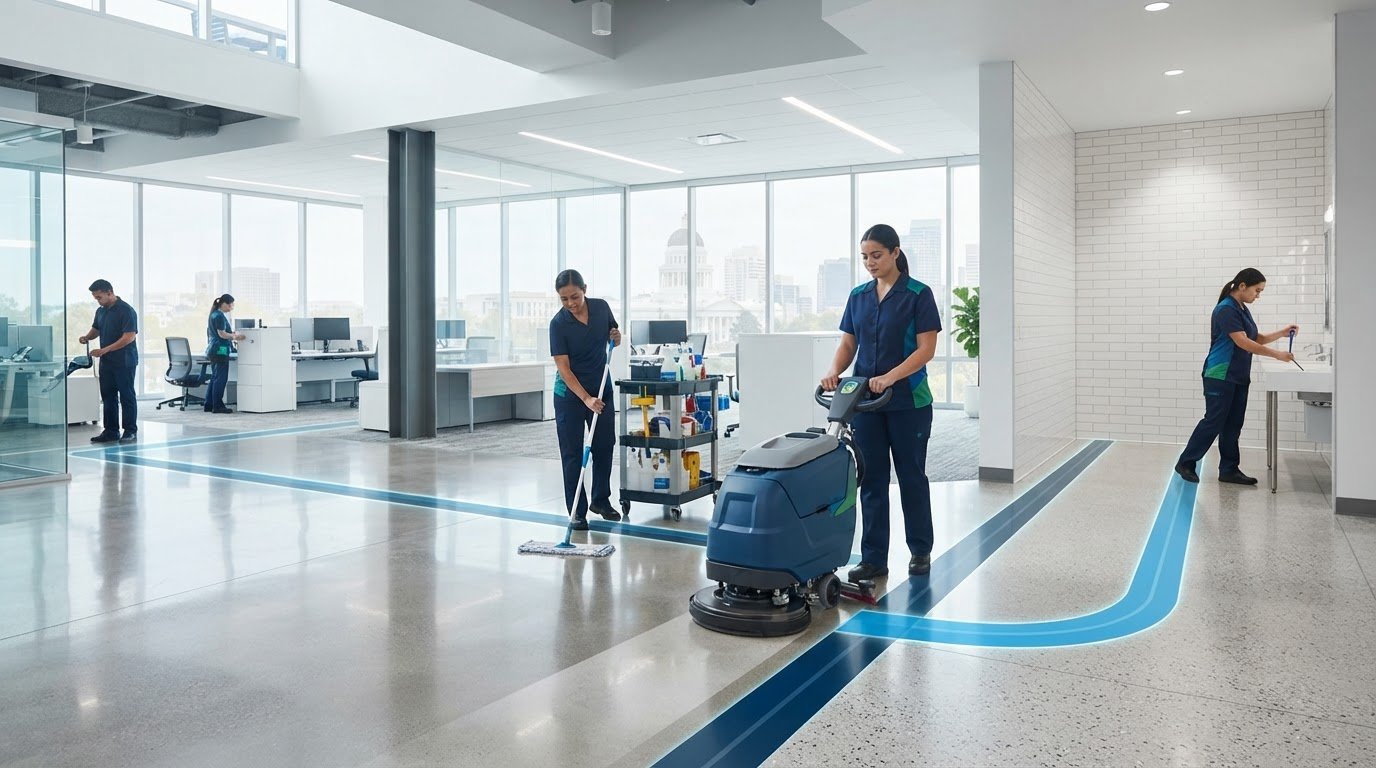


What if the best way to protect a busy tile floor isn’t simply applying more sealer, but matching the treatment to the tile, grout, and daily traffic? Commercial tile sealing and protection can help make floor care more predictable, but the right approach depends on the surface and how your facility uses it. A treatment suited to one floor may not be right for another.
Staining and wear can make high-traffic areas harder to maintain. Unfamiliar product choices and the need to keep employees or visitors moving through the building can add pressure to the decision. A practical plan accounts for both the floor’s needs and the building’s daily rhythm. Cleanit Maintenance Systems provides commercial floor restoration and protection as part of its facility maintenance services in the Greater Sacramento area.
This guide explains how sealing can help protect suitable tile and grout, what to weigh when comparing options, and how material and traffic affect the decision. It also covers maintenance planning and ways to organize work around facility operations, so you can take a measured approach to floor protection.
Key Takeaways
- Build a protection plan around how the floor is used, not just how it looks.
- Identify tile and grout materials before comparing treatments, since their needs can differ.
- Compare options by surface suitability, finish, traffic, upkeep, and potential disruption.
- Plan commercial tile sealing and protection as part of routine facility care to make maintenance more manageable.
- Organize the work by mapping affected areas, access needs, and daily operating constraints.
Why commercial tile sealing and protection matter in busy facilities
Scuffed-looking tile, darkened grout lines, and recurring marks can make a well-used facility feel harder to maintain. Entrances collect tracked-in soil, corridors see repeated foot traffic, and shared spaces face spills throughout the day. When routine cleaning no longer keeps floors looking consistent, upkeep can take more time and attention.
Grout can be more vulnerable to staining than the tile around it. Many grout types are porous, so liquids and soil may penetrate the joints more readily, while some tile surfaces are less absorbent. The difference depends on the tile, grout, finish, and existing condition. An overview of grout composition and uses is available in What is Grout?
Commercial tile sealing is the application of a protective treatment to suitable tile or grout surfaces as part of a planned floor-care program. It differs from cleaning: cleaning removes soil, while sealing is intended to help protect a surface. The two can work together, but one doesn’t replace the other. Sealing also isn’t a universal fix for existing wear, staining, or damage.
Where commercial tile protection can make a difference
Protection may be worth considering in entrances, corridors, restrooms, and shared facility spaces, where regular use creates different cleaning demands. An entrance may collect grit and moisture; a restroom may encounter frequent splashes; a corridor may see steady foot traffic and tracked-in soil. Recurring spills can add to the challenge in any of these areas.
Consider commercial tile sealing and protection area by area, rather than applying a blanket solution across every floor. Tile material, grout type, surface finish, traffic patterns, and current condition all influence whether a treatment is suitable and what upkeep it may require. A worn or heavily soiled area may need attention before protection is considered.
What sealing can and cannot do
Sealing belongs within a wider floor-care plan. A suitable treatment may help limit soil or spills from penetrating a surface, but it doesn’t make a floor stain-proof, damage-proof, or maintenance-free. It can’t prevent dirt from landing on the floor or remove residue that has already accumulated. Set expectations according to the surface and treatment.
Routine care remains essential. Regular cleaning removes surface soil, while periodic inspection can reveal worn grout, persistent discoloration, or areas needing focused attention. Use methods suited to the floor material and respond to spills as part of normal facility care. Combining appropriate protection with consistent cleaning and inspection gives managers a more orderly approach to busy floors without treating sealing as a substitute for day-to-day upkeep.
How tile, grout, and surface condition affect protection
Choosing a treatment starts with understanding what’s underfoot. A tile sealer is intended for a tile surface, while a grout sealer is intended for the joints between tiles. They aren’t interchangeable in every situation: tile may be glazed or dense, while grout may be more absorbent. Some treatments are designed for grout only, and others are formulated for particular tile materials or finishes.
Identify the tile, grout, finish, and current condition before selecting a sealer. The right protection depends on the whole surface, not just the word “tile.” This assessment helps avoid treating a surface that doesn’t need sealing or choosing an option unsuited to its material. For commercial tile sealing and protection, matching the treatment to the floor is a more reliable starting point than applying one product throughout a building.
Ceramic, porcelain, and natural stone are not the same
Ceramic and porcelain are both tile categories, but their density and surface characteristics can differ. Glazed tile has a fired surface coating; unglazed tile doesn’t have that same glaze layer. Porcelain is generally dense, while natural stone varies by stone type and finish. These distinctions affect how a surface responds to moisture and treatment, so not every tile needs or accepts the same sealer.
Existing finish and wear matter, too. Clean, intact glazed tile presents different considerations from worn, unglazed tile or stone with a textured finish. Residue from previous care can also affect how a treatment interacts with the surface. Assess the material and existing condition rather than assuming a product intended for one tile will work equally well on another.
Why grout condition belongs in the assessment
Grout fills and supports the joints between tiles. Depending on its type and condition, it can be more exposed to soil and spills than the tile faces. Before choosing protection, look for embedded residue, uneven discoloration, worn sections, or visible damage. These signs can point to different needs. Sealing over a dirty or compromised surface won’t resolve the underlying condition.
Keep cleaning, repair, and protection decisions distinct. Cleaning addresses soil and residue; repair concerns damaged or deteriorated grout; sealing is a protective treatment for a suitable, prepared surface. Separating these steps helps set practical expectations and supports a considered maintenance plan. Facility teams should also maintain floors in a clean, orderly condition, consistent with the OSHA Standards for Walking-Working Surfaces.
Document tile and grout types by area, especially when a facility has multiple finishes or installation ages. Note visible wear and recurring problem spots as well. This record gives you a useful basis for planning commercial floor restoration and protection as part of ongoing facility care.
How to compare commercial tile sealing and protection options
Start with the floor and the facility’s operating needs, not a product label alone. Penetrating treatments are designed to enter suitable porous surfaces, while surface-applied products sit on the surface and may alter its appearance. These are broad categories, not universal recommendations: material, finish, condition, and intended use all matter.
Use the following criteria to organize an assessment. The best fit is one that suits the surface and can be maintained within the facility’s normal routines.
Surface suitability: Match the treatment to the tile and grout. Record whether the tile is glazed, unglazed, porcelain, ceramic, or natural stone, along with the condition of each area.
Finish: Consider whether gloss, satin, or matte fits the facility’s appearance and use. Weigh the preferred look alongside the floor’s material and maintenance needs.
Traffic: Corridors and entrances see frequent passage, while some shared or back-of-house spaces may see less. Use traffic patterns to identify where protection and maintenance deserve closer attention.
Maintenance: Compare how the treatment fits the cleaning methods and schedule already used for the floor. Plan for routine care rather than expecting protection to replace it.
Disruption: Consider which areas need to remain accessible and how work can be arranged around occupants, employees, customers, and daily activity.
Match the protection approach to the floor and its use
A busy corridor may need a different plan from a lower-traffic room, even if the tile looks similar. Entrances face tracked-in soil and frequent passage; restrooms encounter repeated cleaning and spills. Choose an approach that accounts for both the surface and how each area is used. An on-site assessment can bring materials, condition, traffic, and existing care routines into one practical review.
Think area by area. A single facility may contain several tile finishes, grout conditions, and levels of use. Recording those differences helps prevent a one-size-fits-all choice and supports a more practical protection plan.
Balance appearance, upkeep, and work disruption
Gloss, satin, and matte finishes create different visual effects, but appearance is only one part of the decision. Consider how a finish will look under the facility’s lighting and alongside existing surfaces, then weigh that preference against everyday use and cleaning routines. No finish is automatically best for every building or floor.
Plan the work with access in mind. Identify busy routes, spaces with scheduled activities, and areas where occupants need clear passage. Arrange how affected areas will be managed during treatment and when they can return to regular use. A well-organized commercial tile sealing and protection plan connects surface suitability, appearance, upkeep, and facility operations before work begins.
Plan a commercial tile protection project around facility operations
A well-planned project starts with the building, not the application date. Map where tile is installed, note how each area is used, and identify locations where wear or recurring soil makes protection a priority. Assess the tile, grout, and existing condition before setting the work scope. Cleaning and preparation belong in the plan, since a surface needs appropriate preparation before a protective treatment is considered.
Use this sequence to keep decisions clear and practical:
- Identify surfaces: Record tile and grout types by area, including finishes or differences between spaces.
- Assess condition: Note soil, residue, wear, discoloration, or visible damage that may need attention before protection.
- Schedule the work: Coordinate affected areas, access, and treatment requirements with facility activity.
- Plan upkeep: Establish how routine cleaning and inspection will continue after the project.
Prepare a facility-specific scope and schedule
A useful scope identifies priority areas, expected access needs, and how people move through the site. A corridor used throughout the day may need a different work plan from a room with limited access. Coordinate timing with staff, tenants, customers, or patients, and determine how affected areas will be managed while work is underway and before they return to normal use.
For shared commercial properties, coordinating common areas and individual spaces helps keep the plan consistent. Office buildings and complex cleaning is part of a broader facility-care approach, where access and building activity need to be considered together. Documenting these constraints in advance gives everyone involved a clearer picture of the project.
Floor decisions also connect to the building’s wider cleaning plan. Reviewing a commercial floor cleaning services guide can help facility teams place tile protection within their overall floor-care responsibilities.
Set clear expectations for ongoing floor care
After treatment, maintenance instructions should fit the surface and the treatment applied. Keep the guidance with the facility’s cleaning procedures so the people caring for the floor know what routine care is appropriate. Don’t assume the same cleaning method or schedule fits every tile type or protected area. Where product-specific directions apply, follow those instructions rather than relying on a general rule.
Plan for recurring upkeep, not a one-time finish. Regular cleaning and inspection help teams notice changes and keep care aligned with actual conditions. A commercial floor maintenance guide can support that broader planning. For a facility-specific scope that includes cleaning, access, and protection priorities, discuss your floor-care project with Cleanit.
Commercial tile sealing and protection in Sacramento with Cleanit
Commercial floors are part of how a facility functions every day. Their care needs to support building occupants and the teams responsible for keeping the space orderly. Cleanit Maintenance Systems provides commercial floor restoration and protection as part of a broader facility-care approach, helping businesses consider floor work alongside their ongoing maintenance priorities.
Cleanit serves the Greater Sacramento area, where commercial facilities have different floor materials, traffic patterns, and operating needs. A tile protection project involves more than choosing a treatment. It also means identifying which areas matter most, how the building is used, and how floor care fits into existing operations. The scope can be shaped around the property’s surfaces and practical needs.
A local partner for commercial floor care
Commercial properties vary in layout, use, and maintenance demands. An office, shared facility, or other business environment may have different priorities across public and staff areas. Cleanit’s floor restoration and protection services can be considered in that context, with the facility’s floor-care concerns and maintenance priorities at the center of the plan.
This broader perspective connects protection to ongoing care rather than treating it as an isolated task. Facility managers can consider how floor restoration and protection relate to their regular cleaning program and the demands of the property. The aim is a clear, practical plan suited to commercial use, without assuming that every floor or facility needs the same treatment.
Take the next step for your facility
To begin planning, describe the facility, the tile areas that need attention, and the concerns shaping your decision. It also helps to outline how those spaces are used and what maintenance priorities the project should support. These details provide a practical starting point and keep the focus on the floor and its role in daily operations.
Commercial tile sealing and protection works best as part of thoughtful facility care, with the project shaped to the building rather than a one-size-fits-all approach. Cleanit brings commercial floor-care services to that planning. Discuss commercial tile floor protection with Cleanit.
Make floor protection part of your next maintenance decision
Give tile care a place in your facility’s ongoing maintenance plan. Keep a simple record of areas that need attention, note changes in their condition, and use those observations to guide future floor-care decisions. This makes commercial tile sealing and protection easier to plan alongside the wider needs of your building.
Cleanit Maintenance Systems provides commercial floor restoration and protection for facilities across the Greater Sacramento area. A measured plan can help your team approach floor care with greater clarity and less guesswork. Contact Cleanit to discuss commercial tile protection for your facility in Sacramento.
Frequently Asked Questions
Does commercial tile need to be sealed?
No, not every commercial tile floor needs sealing. Whether it’s appropriate depends on the tile’s porosity and finish, the grout, and how the area is used. A glazed tile may need no treatment on its face, while exposed grout or absorbent tile may merit attention. In a Sacramento facility, assess similar spaces separately rather than assuming every room has the same protection needs.
Can you seal porcelain tile and grout?
Porcelain tile and its grout can have different sealing needs. Porcelain is typically dense and absorbs little, so a conventional penetrating sealer may not be suitable for the tile face. Grout between porcelain tiles may be more absorbent and may be treated separately. The choice depends on the surface and the treatment’s intended use, so don’t apply a grout product across the tile without checking its directions.
How often should commercial tile and grout be sealed?
There isn’t one schedule that fits every commercial floor. The appropriate interval depends on the materials, foot traffic, cleaning practices, condition, and treatment used. Rather than relying on a calendar alone, track changes such as grout darkening quickly after cleaning or moisture no longer beading as expected. Follow product guidance for reapplication and use periodic inspections to decide when the floor needs reassessment.
What is the difference between tile sealer and grout sealer?
Tile sealer is intended for a tile surface; grout sealer is intended for the material filling the joints. A floor may have dense tile faces alongside grout that absorbs soil more readily, so the two surfaces may need different care. Check that any treatment is intended for the specific surface. Applying one product everywhere can be unsuitable if tile and grout have different requirements.
Can commercial tile sealing prevent stains or floor damage?
No sealer makes a floor completely resistant to stains or damage. A suitable treatment may help reduce absorption on compatible surfaces, but spills can still leave marks, and heavy use can cause wear or physical damage. For example, dragging equipment may scratch or chip tile regardless of grout treatment. Prompt spill response, appropriate cleaning, and attention to floor condition remain important parts of protecting a commercial space.
How should a business maintain sealed tile floors?
Keep up with routine soil removal and clean spills promptly, using methods compatible with the tile, grout, and treatment. Don’t assume a product that works in one area is suitable for every floor in the building. Keep maintenance directions accessible to cleaning staff, and record recurring spots or changes in appearance. If a surface becomes harder to clean or looks uneven, reassess the care approach before adding another treatment.
How can a Sacramento facility plan tile sealing without disrupting operations?
Plan commercial tile sealing and protection by dividing the work into manageable areas and mapping access needs, busy routes, and scheduled activity. Coordinate with the teams who manage employees, tenants, customers, or patients, then communicate which spaces are affected and when they can return to use. Treatment and drying requirements vary, so build the schedule around the specific work and instructions rather than assuming a fixed reopening time.