A practical cleaning schedule starts with how your Citrus Heights facility is used, not with a standard checklist. Choosing commercial cleaning Citrus Heights businesses can rely on means accounting for busy shared spaces, specific maintenance needs, and a schedule that fits daily operations. The aim is consistent upkeep without adding unnecessary coordination to your day.
This guide explains how to match cleaning tasks and frequency to your facility’s activity, from routine office cleaning and day porter services to periodic carpet, window, and floor care. You’ll learn how to set priorities for high-use areas, plan around operating hours, and bring routine cleaning and relevant specialty services together. Cleanit Maintenance Systems provides commercial janitorial services across the Greater Sacramento area, including daily office cleaning and day porter support.
Key Takeaways
- Build a cleaning plan around your facility’s traffic, access needs, and daily use rather than relying on a generic checklist.
- Match commercial cleaning Citrus Heights services to the spaces, surfaces, and maintenance priorities your business needs to address.
- Compare recurring janitorial service, daytime support, and scheduled specialty cleaning to determine the role of each.
- Plan around operating hours, high-use areas, and sensitive work zones to align cleaning with daily operations.
- Routine janitorial care and specialty maintenance can work together through a local commercial cleaning company serving Greater Sacramento.
Why Citrus Heights Businesses Need a Cleaning Plan Built Around Their Facility
A busy reception area, a quiet office, and a shared break room collect different kinds of mess and need attention at different times. Every workplace has its own traffic patterns, access needs, and daily demands. A useful plan for commercial cleaning Citrus Heights businesses can rely on starts with how people move through each space, rather than applying the same checklist everywhere.
Visible upkeep matters, but it is only part of the picture. A floor may look clean while frequently touched surfaces, shared equipment, or less noticeable corners receive inconsistent attention. Set priorities based on both what visitors see and what employees use throughout the day. This general overview of commercial cleaning explains the broad scope of the work, while facility-level planning identifies which tasks matter most in a particular workplace.
Commercial janitorial service is the planned care of a business facility’s everyday cleanliness, organized around how its spaces are used. This facility-first approach helps determine which areas need routine attention, which tasks can be scheduled periodically, and where cleaning needs to fit carefully around work.
Which Citrus Heights workplaces have different cleaning needs?
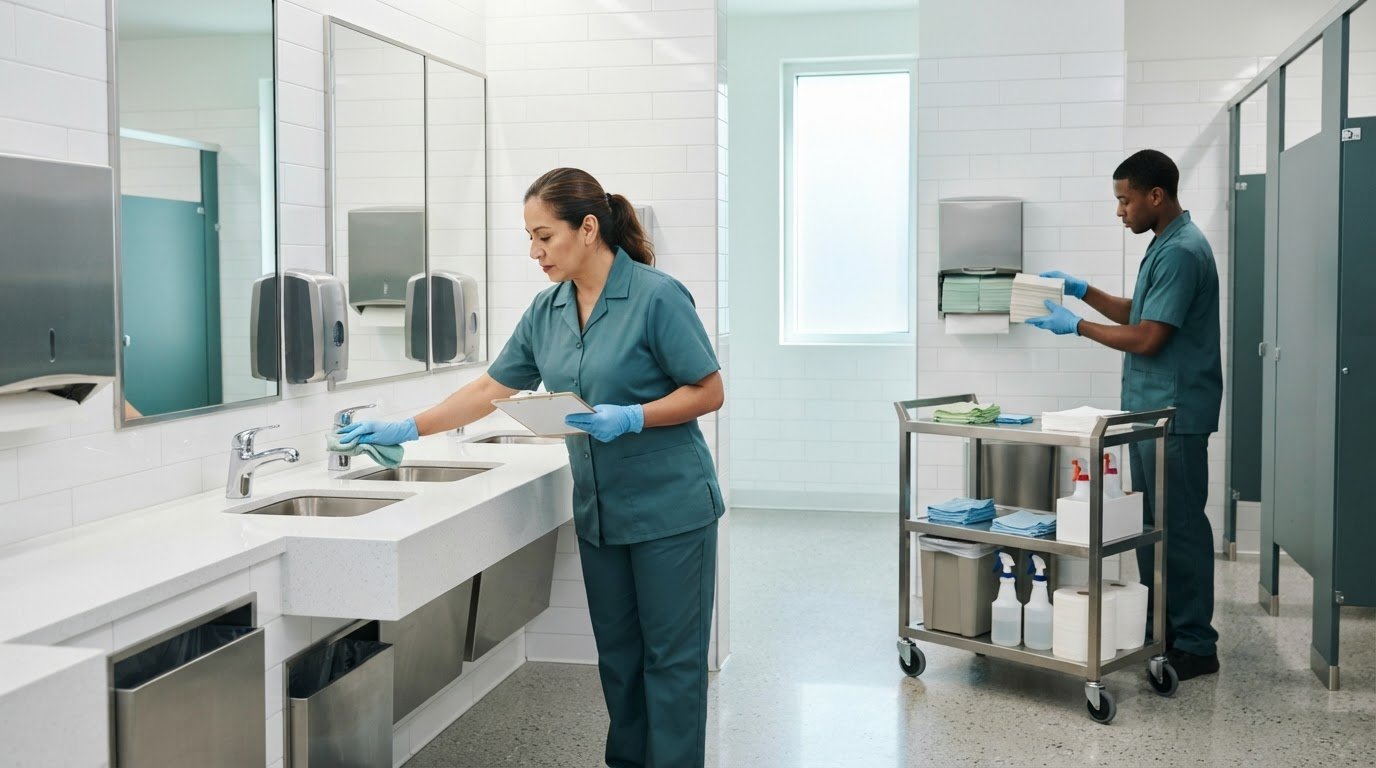
An office may need regular attention to workstations, meeting rooms, reception areas, and shared kitchens. A medical suite has distinct priorities: patient-facing areas, waiting rooms, and frequently handled surfaces need careful, consistent upkeep. Cleanit provides medical office cleaning for facilities with clinical spaces.
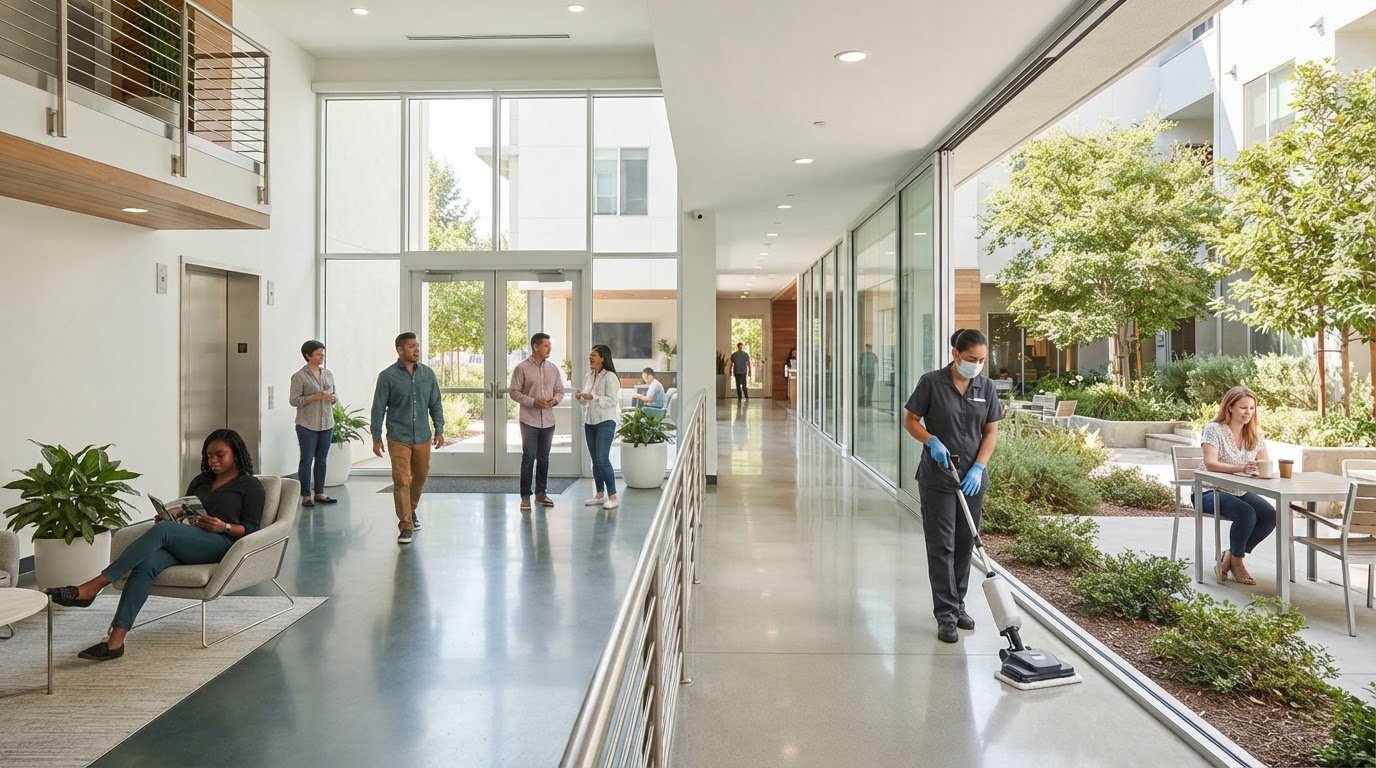
Commercial buildings bring other considerations. Entrances, corridors, elevators, and common areas serve many people, and their use can change throughout the day. In manufacturing or other specialized facilities, the work performed and the surfaces in each area influence what cleaning is appropriate. Staff activity, visitor volume, and shared access all help determine where to focus. A busy lobby may need more frequent attention than a lightly used private office, while a shared break room needs reliable upkeep even when it is out of sight of guests.
What does a dependable commercial cleaning plan solve?
A clear plan replaces scattered requests with agreed priorities. Instead of employees noticing an issue, working out who will handle it, and coordinating access each time, the business can establish which areas receive routine attention and how specialty work fits into the schedule. The plan should reflect operating hours, sensitive work zones, and how teams share the space.
Consistent service supports an orderly environment without requiring every task to be managed day by day. It also gives facility decision-makers a clear basis for discussing changes, such as a shift in room use or an increase in visitors. For a broader look at janitorial care in professional facilities, see this overview of commercial janitorial services in Sacramento. Once routine priorities are clear, the next step is identifying which services suit each area.
What Commercial Cleaning in Citrus Heights Can Cover
A complete facility plan usually combines two kinds of care: recurring janitorial work to maintain everyday spaces, and specialty maintenance for particular surfaces or building areas. The right scope depends on how the facility is used, which materials need attention, and how cleaning can fit into normal operations. Separating these needs helps prevent occasional projects from being confused with routine upkeep, or routine tasks from being left to chance.
For commercial cleaning Citrus Heights facilities, the distinction is practical. An office may need regular attention to work areas and shared rooms, while its carpets, floors, or exterior windows need separate maintenance planned around their condition and use. A medical office has its own setting and activity patterns. Cleanit provides commercial and medical office cleaning, with service plans shaped around the facility rather than a one-size-fits-all list.
Routine janitorial and day porter support
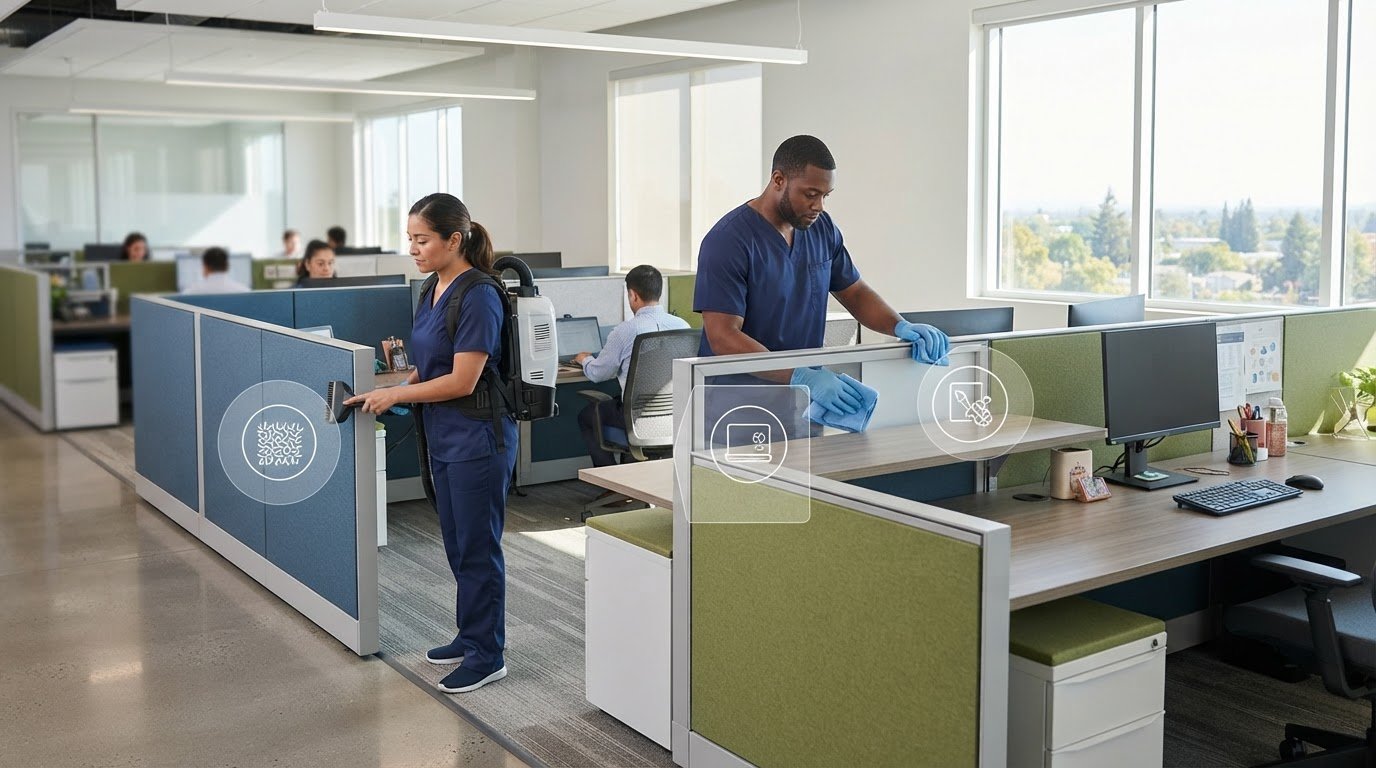
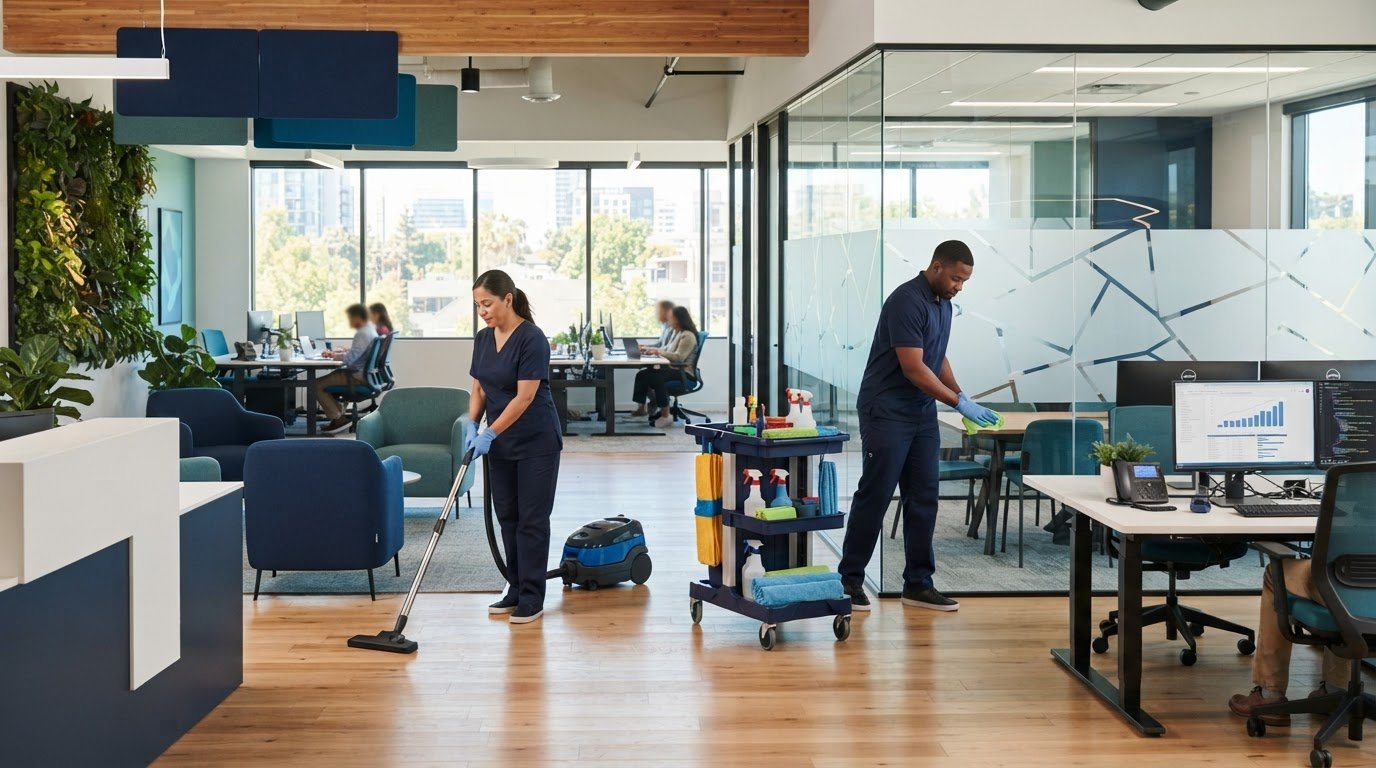
Daily office cleaning provides recurring care for professional environments. It gives a business a structured way to maintain workspaces and shared areas as part of ongoing facility operations. Cleanit’s office cleaning services can be part of a plan for facilities that need regular upkeep.
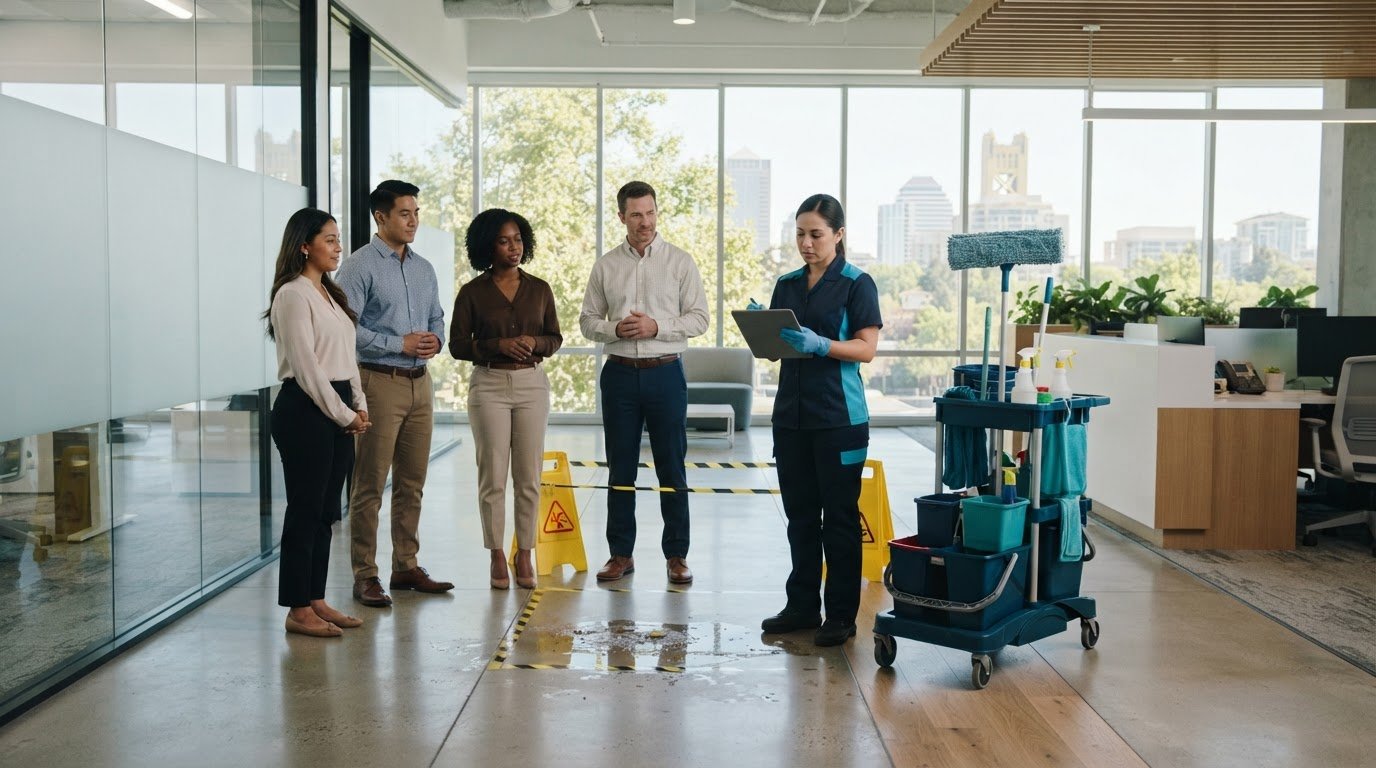
Day porter service provides facility support during business hours, complementing recurring janitorial work when activity continues throughout the day. The distinction is not simply about choosing one service over the other. Consider when the facility needs planned routine care and when it needs support during the workday. Operating patterns, access, and shared-space use help determine how the services fit together.
Specialty cleaning for floors, windows, and facilities
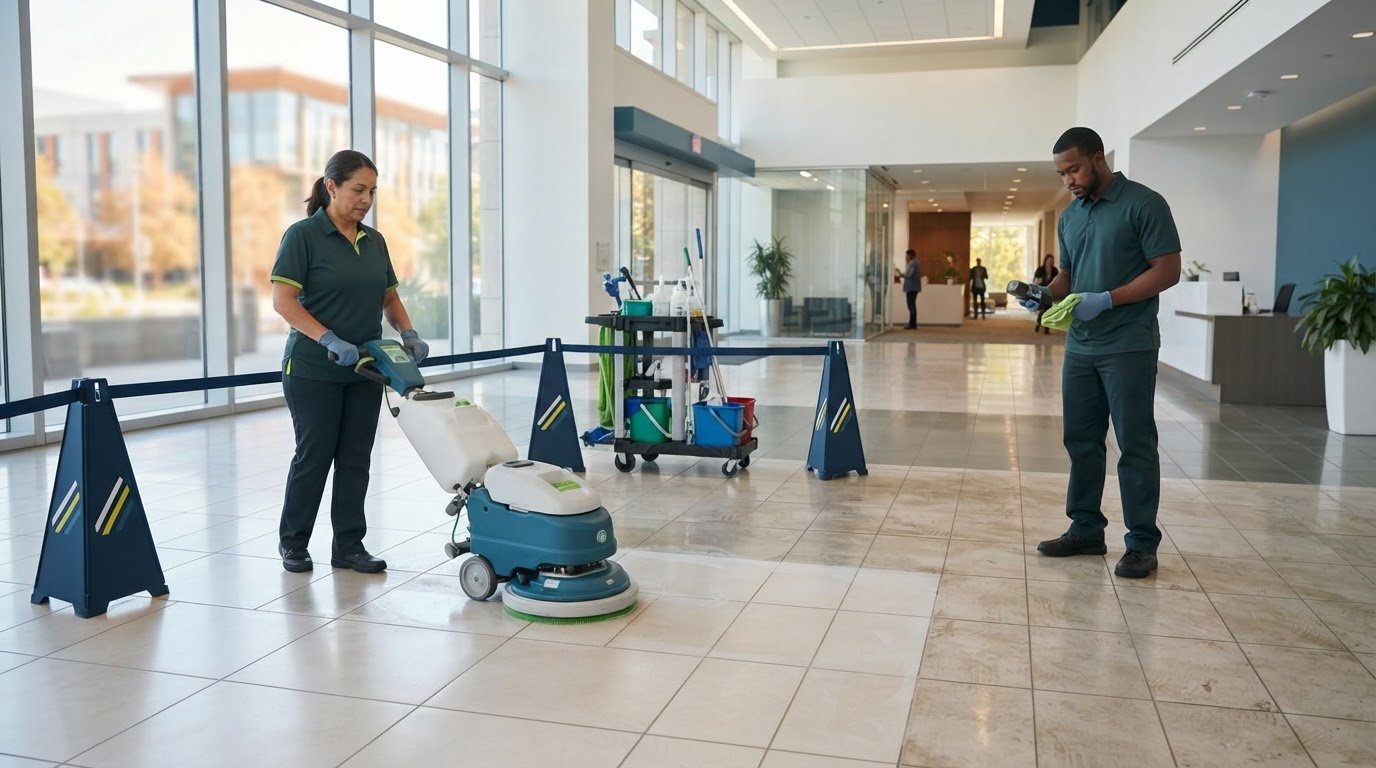
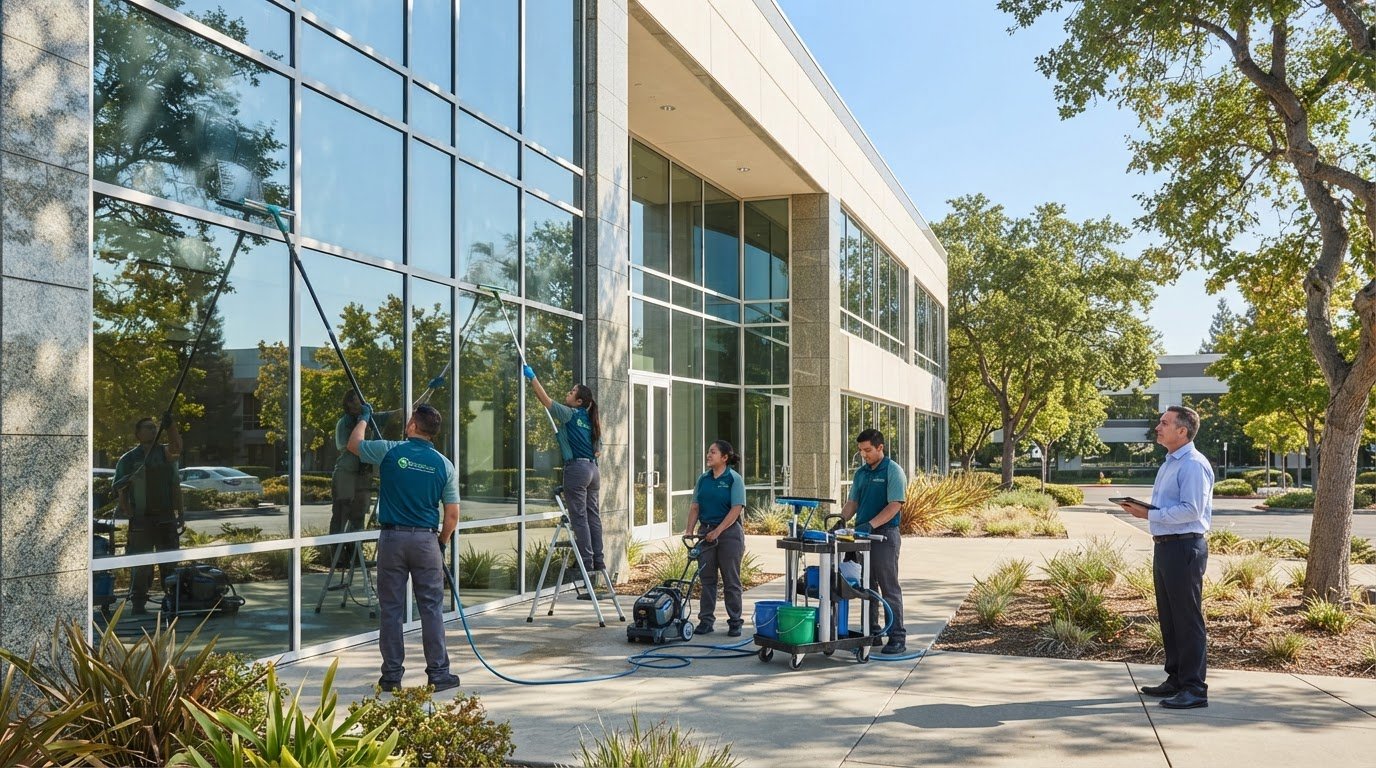
Specialty maintenance focuses on surfaces or areas that need a different kind of attention from routine janitorial care. Cleanit provides carpet cleaning, floor restoration and protection, window washing, and pressure washing. These services can complement recurring cleaning by addressing carpets, floor condition, interior or exterior windows, and building exteriors as distinct maintenance tasks.
For example, a property might schedule regular cleaning for occupied interior spaces while planning floor restoration or window washing separately. Larger properties also have shared spaces and exterior areas that may need a different approach from individual offices. When planning care across a commercial property, consider how its common areas, interior spaces, and exterior surfaces are used.
Facility needs can change with use, so define the purpose of each service and the areas it covers. That clarity supports realistic scheduling and makes responsibilities easier to coordinate. Cleaning also involves workplace hazards and safe work practices. Businesses can consult OSHA guidance for the cleaning industry when considering relevant safety matters. With routine care and specialty maintenance clearly distinguished, the next step is matching the service approach to the facility’s activity.
Recurring or Targeted Cleaning? Compare the Options for Your Citrus Heights Facility
Choosing a cleaning pattern is less about selecting the longest service list and more about deciding what needs regular attention, what benefits from support during the workday, and what should be planned as a separate maintenance task. For commercial cleaning Citrus Heights businesses should consider how quickly spaces are used, which areas stay active, and where cleaning can fit without disrupting work.
Cleaning frequency should reflect facility use and operational requirements, not a generic calendar. A lobby used throughout the day may need a different plan from a conference room used occasionally. The comparison below shows the role each service pattern can play. A facility may use more than one.
| Service pattern | Purpose | Planning role | Best fit with facility activity |
|---|---|---|---|
| Recurring janitorial service | Maintain routine cleanliness across agreed areas | Establish ongoing priorities and service expectations | Workplaces with regular use of offices, shared rooms, and common areas |
| Daytime support | Provide facility support during business hours | Complement routine care where activity continues through the day | Facilities with active shared spaces or changing daytime needs |
| Separately scheduled specialty maintenance | Address specific surfaces or building areas | Plan distinct maintenance according to condition and use | Facilities needing focused carpet, floor, window, or exterior care |
When recurring janitorial service supports consistency
A planned recurring schedule gives a business a framework for routine upkeep. It establishes which areas are included, what matters most in each space, and how service fits the facility’s operations. This is especially useful when employees and visitors share entrances, meeting rooms, or kitchens, where upkeep can otherwise become a series of separate requests.
Set clear expectations by identifying priority spaces, noting areas with limited access, and communicating changes when room use shifts. These details make recurring service more purposeful than a broad instruction to clean the building. Keep the focus on regular facility care, and plan specialized treatments separately when they require their own timing or preparation.
When to plan specialty maintenance separately
Carpets, floors, windows, and exterior surfaces have distinct maintenance needs. Their condition, material, exposure, and level of use can help determine when to plan focused work. For example, a heavily used entrance floor may need attention based on wear and appearance, while the timing for window washing can depend on the building and surfaces involved.
Rather than assigning every specialty task a fixed interval, look for visible wear, changes in surface condition, or an operational need to maintain a particular area. Separating these projects from routine janitorial service makes the plan easier to understand and coordinate. It also gives recurring care and targeted maintenance a clear purpose.
How to Plan Commercial Cleaning Around Citrus Heights Business Operations
A workable cleaning plan begins with a clear picture of how the facility runs. Before setting service priorities, gather the details that affect access, timing, and task scope. This gives commercial cleaning Citrus Heights businesses a practical foundation for aligning facility care with everyday operations.
- Record operating hours and access needs. Note when employees, customers, and visitors use the building, along with any areas that require controlled access. Identify entrances, shared rooms, and work zones where cleaning needs careful coordination.
- Map activity across the facility. Mark high-use areas such as reception, corridors, and shared break spaces separately from offices or rooms used less often. Visitor patterns and staff movement help clarify which spaces need more routine attention.
- Identify sensitive or specialized areas. Note spaces with particular operational requirements, including clinical environments. For a clinic, consider how patient-facing rooms and shared areas are used when planning medical office and clinic cleaning.
- Separate routine tasks from specialty maintenance. List everyday janitorial needs apart from distinct work such as floor restoration, carpet cleaning, window washing, or pressure washing. This makes it easier to plan each type of care according to its purpose and the facility’s condition.
- Agree on priorities and a review process. Put the service scope in writing, including the areas covered and the role of each service. Choose a consistent point of communication so facility changes, access updates, or shifting priorities can be discussed clearly.
Map facility use, access, and priority areas
A simple floor plan or room-by-room list can make the review more useful. Note business hours, visitor flows, shared spaces, and areas occupied for much of the day. Then distinguish them from lower-activity rooms. The goal is not to give every space identical attention, but to make priorities visible and connect them to actual use.
Give access details equal attention. Identify rooms that need specific entry arrangements, spaces where cleaning could interrupt activity, and areas where staff or visitors may be present. These notes help shape a plan around the facility’s operating rhythm instead of asking the business to adapt to a generic routine.
Set clear expectations for service and communication
A written scope helps everyone understand what belongs to recurring janitorial service and what needs separately planned specialty maintenance. It can also record priority areas, access considerations, and how to communicate changes. Review conversations provide an opportunity to discuss changes in room use, new high-traffic areas, or maintenance needs that have emerged since the plan was set.
Once your facility’s operating details and priorities are organized, you can discuss your Citrus Heights cleaning needs with Cleanit and shape a plan around the way your business works.
How Cleanit Supports Commercial Cleaning Across Citrus Heights and Greater Sacramento
A facility-care relationship should make everyday cleaning easier to manage, not add another layer of coordination. Cleanit Maintenance Systems is a privately owned local business that has operated for over 30 years, providing commercial janitorial services across the Greater Sacramento area. For Citrus Heights businesses, Cleanit can help organize a practical conversation about how a facility is used and which services fit its needs.
A long-standing local partner for commercial facilities
Cleanit has focused on commercial facility care for more than 30 years. The company provides janitorial services across Greater Sacramento, including daily office cleaning and day porter services. The approach is service-focused: understand the facility, establish relevant priorities, and align routine care with how the business operates.
Facilities differ in layout, activity, and maintenance needs. An office, a medical suite, and a larger commercial property will not necessarily need the same combination of services. A useful service plan accounts for those differences while keeping communication and expectations clear as facility needs change.
One relationship for routine and specialized facility care
Everyday janitorial care can form the foundation of a facility plan. Daily office cleaning supports ongoing upkeep, while day porter services provide daytime facility support. These routine services can sit alongside separate maintenance for surfaces and areas with different care needs, without treating every task as part of the same routine.
Cleanit also provides carpet cleaning, floor restoration and protection, window washing, and pressure washing. Medical office cleaning is available for clinical settings. These services give businesses options for addressing recurring janitorial needs as well as distinct floor, carpet, window, exterior, or medical-office requirements. The right mix depends on the property’s use and priorities, rather than a fixed package.
For a business considering commercial cleaning Citrus Heights, start by describing the facility: its main work areas, shared spaces, operating patterns, and any surfaces or settings that need particular attention. Those details help guide a focused discussion about routine service and relevant specialty maintenance. Cleanit’s local presence in Greater Sacramento gives businesses a point of contact for planning facility care.
To discuss your facility’s needs and the right commercial cleaning approach, contact Cleanit about commercial cleaning.
Make Your Cleaning Plan Work for What Comes Next
A useful cleaning plan supports the way your business works now and gives you a clear way to adapt as needs change. New employees, busier shared spaces, or a shift in how rooms are used can affect which areas need attention. Keep facility priorities visible and revisit them when operations change so cleaning remains practical rather than becoming another task to manage informally.
For commercial cleaning Citrus Heights businesses, the next step is to turn those priorities into a service plan that fits the facility. Consider which everyday tasks need consistent attention, where daytime support would help, and which maintenance needs belong on a separate schedule. A clear discussion can connect those needs with appropriate commercial cleaning support.
Discuss your commercial cleaning needs with Cleanit and take a practical next step toward a well-maintained workplace. A plan shaped around your facility can make priorities clearer and easier to manage.
Frequently Asked Questions
Do commercial cleaning services serve businesses in Citrus Heights?
Yes. Cleanit Maintenance Systems provides commercial janitorial services across Greater Sacramento, including commercial cleaning Citrus Heights businesses can plan around their facility needs. To make the discussion useful, describe the kind of property you operate, such as an office, clinic, or commercial building, and note any areas with distinct uses. This helps identify relevant routine cleaning and specialty maintenance instead of assuming each workplace needs the same scope.
Can commercial cleaning be arranged around a business's operating needs?
Yes. Share the practical constraints that matter to your operation, such as opening hours, appointment periods, busy visitor windows, and rooms that need controlled access. For instance, a business with customer appointments may want to identify when activity is concentrated in reception or meeting areas. These details help shape a cleaning plan around the workday and clarify where coordination matters most.
What information should I provide when requesting commercial cleaning?
Start with your facility’s location in the Greater Sacramento area, its use, and a general picture of its size and layout. Note the rooms and surfaces that need attention, which areas are used most, and any access considerations. It is also helpful to identify specialty needs, such as carpet care or exterior washing, and explain what matters most to your staff or visitors. Clear details make the service discussion more specific.
Can one commercial cleaning plan include both janitorial and specialty services?
Yes. A facility plan can include recurring janitorial care alongside distinct maintenance needs, such as carpet cleaning, floor restoration, window washing, or pressure washing. These services do not have to share the same timing or purpose. For example, a business can define everyday upkeep separately from work focused on a particular surface or exterior area, making the overall scope easier to understand and coordinate.
Does Cleanit provide commercial cleaning for medical offices?
Yes. Cleanit provides medical office cleaning as part of its commercial facility services in Greater Sacramento. When describing a clinic, outline how different areas are used, whether patient appointments are scheduled throughout the day, and which spaces have specific access considerations. This context helps frame a service plan around the clinic’s operations. Cleanit also provides daily office cleaning and day porter services for professional environments.
How does day porter service differ from daily office cleaning?
Daily office cleaning is recurring janitorial care for a professional workplace, while day porter service provides facility support during business hours. A business might consider daytime support if its building remains active and needs attention while staff or visitors are present, alongside planned office cleaning. The two services have different roles. Describing daytime activity and routine upkeep priorities helps clarify how each fits.