A clean office floor doesn’t tell the whole story of a clean workplace. High-dusting services for commercial buildings remove dust and debris from elevated surfaces, generally more than about eight feet above the floor. These include vents, light fixtures, exposed ducts, pipes, beams, and ledges.
Elevated areas are easy to overlook during routine cleaning, especially in busy offices where daily work must continue. Regular attention helps control buildup that can affect cleanliness and contribute to dust circulating indoors.
This guide explains what high dusting covers, how crews reach elevated areas, and how to schedule the work to limit disruption to staff and business operations. It also outlines what affects cleaning frequency, helping Sacramento workplaces plan for their spaces and day-to-day needs.
Key Takeaways
- High dusting targets overlooked overhead areas such as exposed ducts, vents, pipes, fixtures, and ledges, generally more than about eight feet above the floor.
- Cleaning from the highest surfaces downward helps keep loosened dust from settling on areas that have already been cleaned.
- Extension tools and suitable access equipment help crews reach elevated surfaces while keeping the work organized.
- Cleaning frequency depends on factors such as ceiling height, airflow, dust levels, and the activity taking place in the facility.
- Coordinating the work with routine janitorial services can help maintain cleanliness while limiting disruption to daily operations.
What surfaces do your high dusting crews clean?
High dusting focuses on surfaces above eye level, generally more than about eight feet from the floor. Common targets include exposed ductwork, vents, pipes, beams, rafters, ceiling fixtures, skylights, high walls, shelving, and cabinet tops. Dust on these surfaces can go unnoticed during routine cleaning because tools and attention are usually focused closer to the floor. A facility assessment identifies which elevated areas collect buildup and need attention.
Floor care still matters, but each setting presents different obstacles. In offices, desks, chairs, cables, and shared walkways can make consistent cleaning harder. Medical facilities need careful attention to traffic patterns and areas near treatment rooms. Schools have classrooms, corridors, and shared spaces in daily use, while retail floors must remain orderly around displays and customer routes. High-dusting plans complement floor cleaning by addressing overhead surfaces the floor routine cannot reach.
Needs vary with a building’s layout and use. A warehouse may have high ceilings, exposed pipes, rafters, and industrial shelving; offices often need attention to vents, fixtures, and ledges. Retail spaces may prioritize visible overhead surfaces above aisles and displays. Ceiling height, airflow, dust levels, and daily activity help determine which areas need attention and how often.
Crews use extension poles and high-reaching dusters on accessible surfaces, then ladders, scaffolds, or electric lifts for higher areas. Microfiber cloths and dusters collect buildup from fixtures, pipes, and ledges, while vacuums can remove loose material from ceilings. Working from the highest points downward helps keep loosened dust from settling on cleaned surfaces. Access equipment is selected to suit each work area’s height and layout.
When comparing commercial high-dusting services, look for a facility assessment, a clear list of surfaces covered, and an explanation of access methods and work sequence. Ask how completed areas are recorded and how the plan responds to missed surfaces or recurring buildup found during inspection. These details make the scope easier to evaluate than a general promise to clean overhead areas.
Effectiveness can be reviewed by comparing the planned surface list with completed work, then inspecting representative vents, fixtures, and ledges for remaining visible dust. If buildup returns quickly in a particular zone, airflow, nearby activity, or the cleaning interval may need attention. Coordinating overhead work with routine daily cleaning services can also help address dust that settles on floors and work surfaces after high areas are cleaned. This measured approach keeps the plan tied to observed conditions rather than assumptions.
Benefits for air quality and allergen control
Dust on overhead surfaces can become airborne again as air moves through a workplace. Heating and cooling cycles, open doors, and staff movement can disturb particles on rafters, vents, and fixtures. High dusting removes some settled material before it continues circulating indoors. It supports broader cleaning efforts but doesn’t replace attention to ventilation, floor care, or other sources of indoor air contaminants.
The U.S. Environmental Protection Agency notes that indoor air can be two to five times more polluted than outdoor air. That comparison makes indoor air quality worth considering as part of facility care, rather than focusing only on visible dust. A practical step is to identify where particles collect, then include those areas in a regular cleaning plan. For example, dust on a ceiling ledge above a frequently used corridor may be disturbed as people pass below.
Dust inhalation can irritate the skin and sensitive membranes in the eyes, nose, and throat. It can also aggravate existing sinus and asthmatic conditions. Removing settled dust from elevated surfaces helps limit one source of particles that may circulate, including allergens. It doesn’t eliminate all indoor allergens, which can also come from materials brought into a building or activity closer to the floor.
HVAC systems move air through occupied spaces, so dust near vents and exposed ductwork deserves attention. Accumulated material can interfere with heating and cooling systems, while air movement may carry loose particles into nearby rooms. Cleaning surrounding surfaces helps reduce buildup in these locations, but it isn’t the same as cleaning inside HVAC equipment. A facility plan can coordinate overhead cleaning with ventilation maintenance and routine janitorial care.
For workplace wellness, high dusting helps create a cleaner environment by addressing dust reservoirs above desks, treatment areas, and shared rooms. Start by noting recurring dust near vents or on elevated ledges, then check whether it returns after cleaning. If it does, airflow, nearby work, and cleaning intervals may all affect the pattern. These observations help refine the plan without assuming every room has the same needs.
Commercial Janitorial routines can complement high dusting by removing material that settles on floors and accessible surfaces afterward. In a clinic, for example, teams can coordinate overhead work with the facility’s room-use schedule and regular cleaning tasks. A simple record of completed areas and visible dust recurrence can show where the approach needs adjustment. To discuss an approach suited to your facility, connect with the cleaning team.
How Do You Dust A High Place?
Crews remove overhead buildup with tools suited to the surface, access height, and surrounding work area. A controlled sequence helps prevent dust from spreading onto lower surfaces and into occupied spaces.
Dust and Debris in Hard-to-Reach Areas
Ceilings, high shelving, and rafters can collect dust, dirt, loose debris, and allergens that routine floor-level cleaning misses. Crews identify these elevated areas, then select a suitable duster, extension pole, vacuum, or access equipment. The scope should account for surface material and nearby work, such as shelving beneath overhead pipes. These details help crews remove buildup rather than simply shifting it elsewhere.
Common Buildup on Elevated Surfaces
Dust can mix with pollen, dander, or grease, depending on airflow and activity in the facility. A vent near a busy entrance may collect different material than a beam above a food-preparation area. Crews assess the type and location of buildup before choosing a removal method. Greasy residue may need more than dry dusting, while loose particles on a ledge can often be collected with a suitable vacuum or microfiber tool.
Dust Removal and Collection Methods
Useful tools include extension poles, microfiber dusters, vacuum cleaners, and lifts for especially high areas. HEPA vacuums trap 99.97% of particles. Crews work from the highest surfaces downward, collecting loosened dust before moving to lower fixtures or ledges. That order reduces the chance of dust landing on areas already cleaned. Microfiber cloths or damp cleaning can address remaining surface buildup when dry vacuuming alone doesn’t provide the needed result.
Access requires a method suited to the work area. Ladders, scaffolds, and electric lifts can reach ceilings, fans, and high shelving; harnesses and personal protective equipment may also be used. Equipment selection depends on ceiling height, obstacles, and the surface being cleaned. A stable work zone is especially important where employees, visitors, or equipment move below.
Accumulated dust can irritate the skin and sensitive membranes in the eyes, nose, and throat. It may also aggravate existing sinus and asthmatic conditions. In some environments, combustible dust presents a separate workplace risk because it can contribute to fires spreading faster and becoming more powerful. Manufacturing spaces with airborne particles therefore need attention to overhead ledges and building components, not just visible floor debris.
After cleaning, crews can inspect representative surfaces for visible residue and note where buildup returns. Dust that hardens may stain surfaces or interfere with heating and cooling systems. Recurring deposits near vents, rafters, or production equipment can point to airflow or activity patterns to consider in the next cleaning plan.
Scheduling to avoid disrupting business operations
Plan high dusting around the facility’s busiest hours, room use, and access needs. Before crews arrive, clear access to work zones and identify spaces where staff, visitors, or equipment need an uninterrupted path.
Service Area and Scheduling
For Sacramento facilities, scheduling starts with the building’s operating pattern. An office may have quieter periods between shifts, while a retail space may need work planned around customer traffic and deliveries. The schedule should specify which areas crews will reach, how work zones will be managed, and whether cleaning can be divided across visits.
Flexible timing helps reduce disruption, but the right window depends on the space and its daily activity. A facility with occupied meeting rooms, patient appointments, or active production areas may need those zones handled separately. Larger facilities may require several days for deep cleaning, so sequencing work by room or department helps keep essential operations moving.
Preparing for High-Dusting Service
Building staff can prepare by sharing access instructions, identifying restricted rooms, and moving portable items from areas beneath overhead surfaces. Marking equipment or workspaces that must remain accessible helps crews plan a clear route. For example, an office can flag meeting rooms booked during cleaning and prioritize unoccupied areas first.
Before work begins, communicate the schedule to employees and explain which spaces crews will enter. Secure sensitive materials and relocate movable equipment where practical. These steps help trained crews reach elevated areas safely and limit interruptions from unexpected room use, blocked access, or people passing through active work zones.
Cleaning frequency should reflect building type and dust conditions. Standard offices may benefit from high dusting two to four times per year. Retail and hospitality spaces may schedule it quarterly or before busy seasons. Warehouses and manufacturing facilities may need monthly to quarterly service, depending on particulate production. Ceiling height, airflow, dust levels, and daily activity also shape the schedule.
A practical routine pairs scheduled high dusting with regular facility cleaning and adjusts when conditions change. If a warehouse process creates more airborne particles, overhead surfaces may need attention sooner than office areas. If a retail location approaches a busy season, completing overhead work beforehand can reduce disruption during peak activity. Reviewing visible buildup and completed areas helps refine future visits.
When planning, list priority spaces, access requirements, operating constraints, and dates that affect room use. A shared schedule gives crews a clear sequence and helps facility managers prepare employees without interrupting essential work. A well-planned visit accounts for both the elevated areas needing attention and the people who rely on those spaces throughout the day.
Commercial office high-dusting services
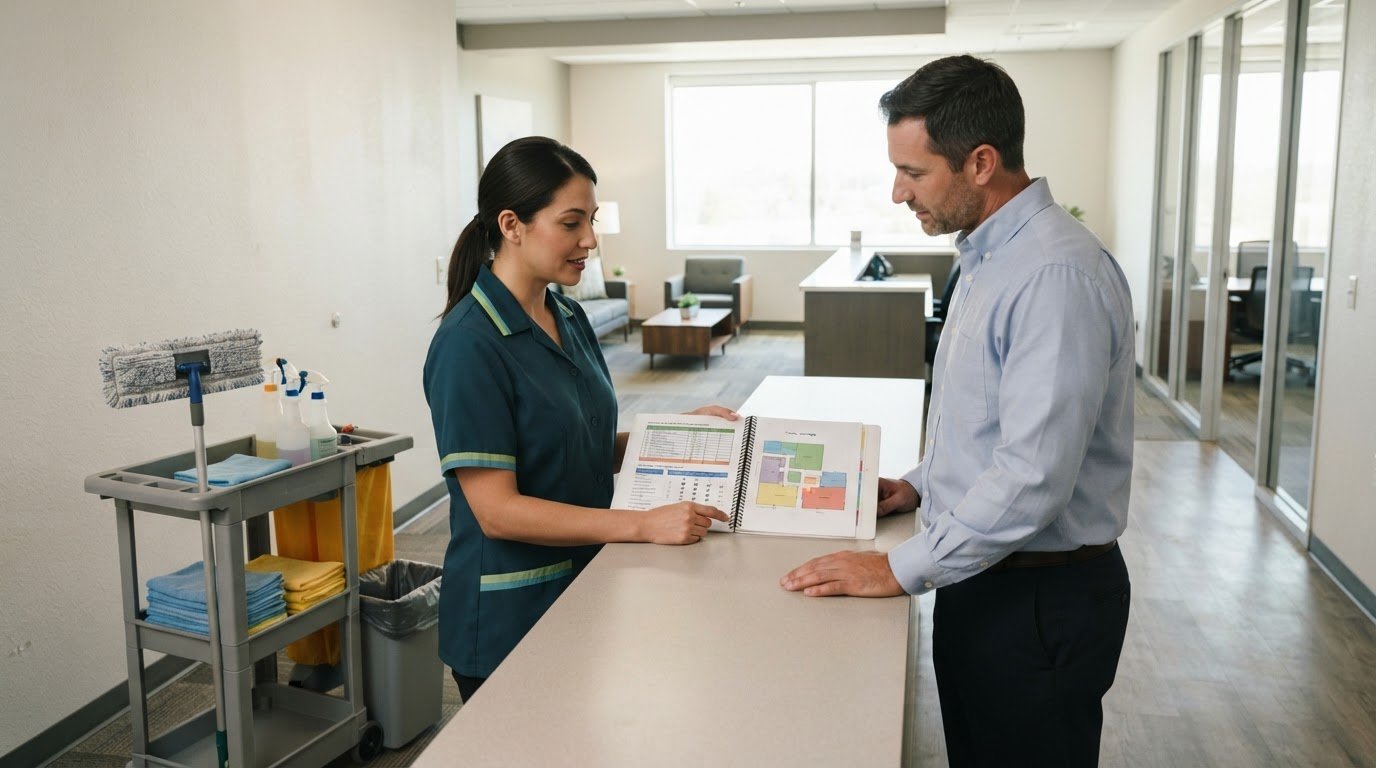
Office high dusting covers overlooked surfaces above workstations, meeting rooms, reception areas, and shared corridors. Common targets include ceiling fixtures, lights, vents, exposed pipes, and ledges. An office plan should map these surfaces by room, noting ceiling height, furniture, and access routes. This keeps the scope specific and helps crews work through occupied spaces in a clear sequence.
Standard offices may benefit from high dusting two to four times per year. The right interval depends on ceiling height, airflow, dust levels, and daily activity. A busy reception area beside an entrance may collect buildup differently from a lightly used conference room. Facility teams can use visible dust, recurring deposits near vents, and changes in room use to refine the schedule instead of treating every area alike.
Office appearance is one practical reason to include high surfaces in a cleaning plan. Dust on a light fixture or ceiling ledge can stand out to staff and visitors, especially in bright rooms. Dust can also be disturbed by air movement and settle onto desks or shared surfaces. Coordinating overhead work with regular office cleaning helps address material that falls during the process and supports consistent standards across the workplace.
Effective planning also accounts for the work happening below. Crews can sequence rooms around meetings, employee schedules, and occupied workstations. Before service, the facility team can identify rooms that must remain open, sensitive equipment, and areas needing restricted access. In a shared office, completing one zone at a time can preserve access to essential workspaces while the remaining areas are cleaned.
The project scope determines the price, which is provided after a quote request. Factors include the number and type of surfaces, ceiling height, total area, access requirements, level of buildup, and service frequency. A room with high ceilings and difficult access, for example, may require a different plan than an open office with reachable fixtures. A clear scope helps align the proposed work with actual office conditions.
Review the plan by checking that it names the areas and surfaces to be cleaned, explains how access will be managed, and sets out how crews will handle dust that settles afterward. These details make the scope easier to assess and help avoid missed fixtures or unnecessary disruption. To plan high dusting around your office’s layout and schedule, request a service discussion.
Cleanit Maintenance Systems: Commercial Janitorial
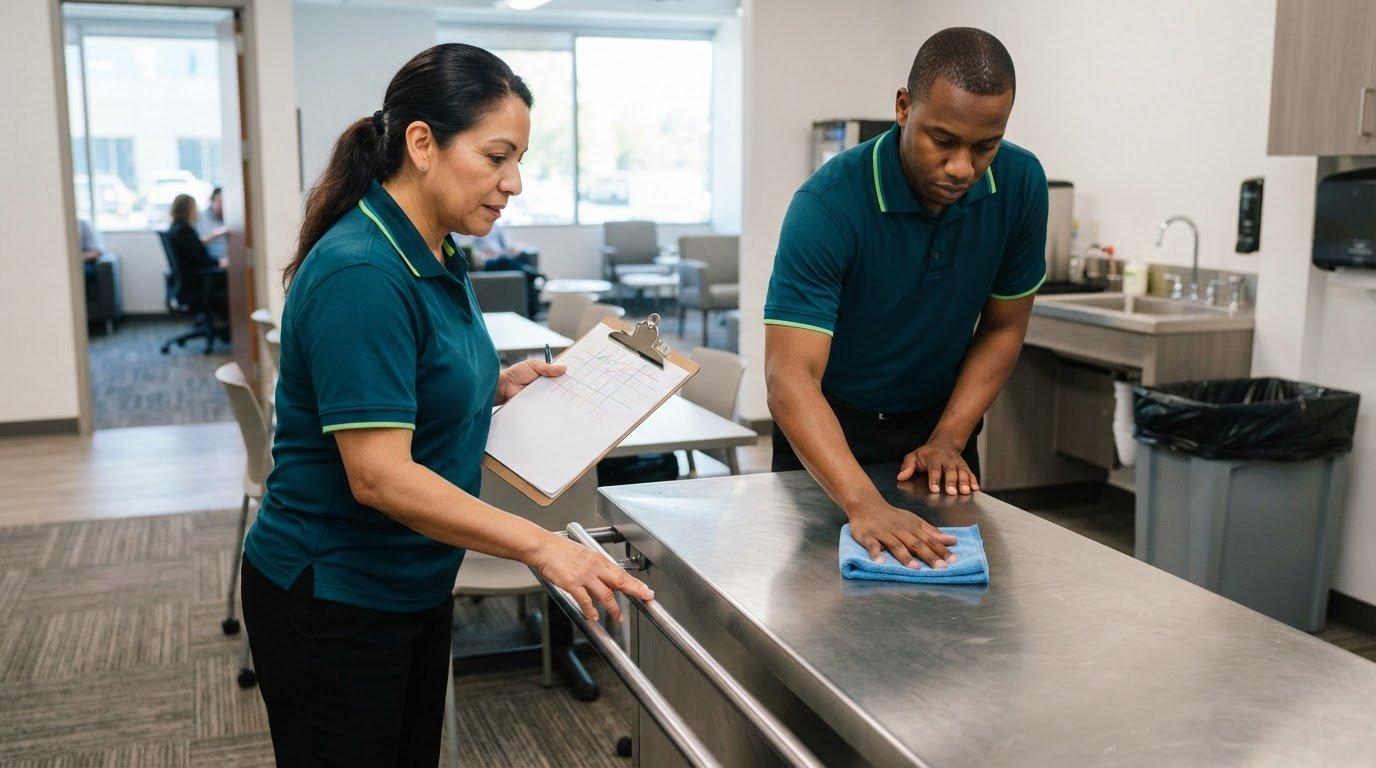
Cleanit Maintenance Systems provides commercial janitorial and office cleaning for workplaces that need consistent care throughout daily operations. When overhead dust is part of a broader cleaning concern, routine service helps keep offices and shared spaces orderly between focused cleaning tasks. Daily Cleaning Services can support facilities seeking a dependable routine suited to their work environment.
For Sacramento businesses, the next step is to discuss the facility’s cleaning priorities, operating schedule, and areas needing attention. This helps shape a practical approach around the workplace rather than a one-size-fits-all plan. Contact Cleanit Maintenance Systems to discuss your commercial cleaning needs.
Build a Cleaning Plan That Fits Your Workplace
Overhead cleaning works best as part of a workplace plan that adapts when room use, staffing, or building activity changes. Use each cleaning review to identify new priorities, such as a renovated area, a change in occupancy, or dust returning around particular work zones. This keeps the next service plan grounded in how your facility operates now.
For Sacramento businesses, high-dusting services for commercial buildings can be coordinated with broader cleaning needs. Cleanit Maintenance Systems offers Commercial Janitorial, Office Cleaning, and Daily Cleaning Services, helping workplaces align specialized attention with ongoing facility care. Discuss your priorities and operating schedule with Cleanit Maintenance Systems to plan the next step.
Contact Cleanit Maintenance Systems to discuss a cleaning approach for your workplace. A thoughtful plan can make it easier to maintain clean, well-cared-for spaces as your needs evolve.
Frequently Asked Questions
What is high dusting?
High dusting cleans surfaces beyond routine reach, such as ceiling-level structures and fixtures. In a Sacramento office, this might mean removing dust from a high ledge above reception or overhead surfaces in a shared corridor. The work complements regular cleaning by focusing on areas that everyday floor and desk care can miss.
How do you reach and clean high areas safely?
Crews match the access method to the area’s height, layout, and obstacles. Extension tools can reach some surfaces from the floor, while ladders, scaffolds, or electric lifts may be needed for higher or less accessible spots. A clear work zone helps manage nearby foot traffic and equipment. For example, a crew can isolate part of a corridor while cleaning overhead surfaces above it.
Why Hire a Professional High Dusting Company?
Professional crews use specialized access equipment and a defined sequence for overhead work. This helps a facility address high surfaces without relying on staff to improvise with unsuitable tools. A provider can also map the areas included, such as fixtures in meeting rooms or overhead structures in a warehouse. A clear scope helps facility managers coordinate cleaning with daily operations.
What do high-dusting services for commercial buildings include?
High dusting covers elevated surfaces that collect dust but fall outside routine floor-level cleaning. The scope can include overhead fixtures, vents, exposed ducts, pipes, rafters, ledges, and high shelving. It may also specify how crews collect loosened dust and handle areas where residue remains after vacuuming. For an office, a room-by-room scope can distinguish reception surfaces from those above workstations or conference tables.
How often should commercial buildings schedule high-dusting?
Frequency depends on building type, ceiling height, airflow, dust levels, and daily activity. Standard offices may schedule high dusting two to four times per year. Retail and hospitality spaces may plan quarterly service or schedule it before busy seasons. Warehouses and manufacturing facilities may need monthly to quarterly service, depending on particulate production. These intervals offer planning guidance, while observed buildup helps refine the schedule.
How do high-dusting companies clean ceilings, rafters, ducts, and light fixtures?
Crews generally use suitable dusters or vacuums to collect loose material from ceilings and overhead structures. Extension tools can reach accessible fixtures, while higher rafters may require access equipment. Work proceeds from higher areas toward lower ones, so dislodged material doesn’t fall onto already cleaned surfaces. If dry vacuuming leaves residue, wet cleaning may follow when the surface and task call for it.
What equipment and safety procedures are used for high-dusting?
Equipment may include extension poles, microfiber dusters, vacuums, ladders, scaffolds, or electric lifts. Crews select tools based on the surface and access conditions, then organize the work area to limit interference from nearby activity. Personal protective equipment and, where appropriate, harnesses can support the task. A practical plan also accounts for obstacles, equipment below the work area, and safe movement through the facility.
What OSHA rules apply to commercial high-dusting and working at heights?
OSHA walking-working surface standards require employers to keep walking surfaces clean, orderly, and sanitary to help prevent slips, trips, and falls. That fact does not establish a specific high-dusting frequency or a single access method. For overhead work, the facility’s plan should address the work area, access equipment, and people moving nearby. Keep walkways orderly during the task and manage any dust or debris that reaches the floor.