A healthy workplace is more than a clean, quiet office. Creating a healthier work environment means supporting employees’ mental, physical, and social well-being through trust, respectful communication, opportunities to grow, and conditions that help people focus and recover during the day. It’s a shared effort shaped by both workplace culture and the everyday environment.
It’s understandable to look beyond wellness programs alone: people also need room to move, feel heard, connect with colleagues, and work in comfortable surroundings. This article explains what makes a workplace healthy and offers practical ways to build a culture of wellness, encourage movement and informal check-ins, strengthen team connection, and support better indoor air. Each step can help make employee well-being part of how the workday runs.
Key Takeaways
- Look at workplace health as a combination of physical comfort, safety, and supportive relationships, not just a wellness program.
- Make well-being part of everyday management through listening, recognition, and practical responses to employee feedback.
- Build movement into the workday with stretch breaks, walking meetings, or time to step outside.
- Use informal check-ins and shared problem-solving to help colleagues feel heard while respecting personal privacy.
- Include regular HVAC maintenance in workplace planning to support indoor air quality.
1. What is a healthy workplace?
A healthy workplace supports employees’ mental, physical, and social well-being as part of everyday work. Trust, open communication, mutual respect, growth, recognition, and collaboration all contribute. In practice, a team can show respect by listening without interruption, sharing useful feedback, and recognizing colleagues’ contributions.
Physical comfort matters, too. Natural light, air quality, movement breaks, and the placement of screens or chairs can affect focus and comfort during the workday. Employers can review workstations and provide suitable equipment, such as ergonomic chairs and good lighting. Adjusting a chair and screen to suit the workstation, for example, can help reduce the risk of repetitive strain injuries and back pain.
Safety also depends on having a clear way to report hazards. Organizations can establish accident-prevention procedures and encourage staff to raise risks promptly. In an office, this means employees know how to report issues such as a loose cable across a walkway, and managers respond with a practical next step. A clear reporting process helps teams address hazards before they become routine.
Belonging and psychological safety shape how employees participate. Psychological safety means people can speak up without fear of being dismissed or judged. A manager can demonstrate it by inviting questions in meetings, listening to concerns, and explaining what happens next. That response builds trust: employees are more likely to raise problems when they believe their input will be treated respectfully.
Employers can support workplace mental health and reduce stress by building trust, encouraging open communication, and addressing concerns that affect employees’ daily work. Practical steps include asking for feedback, clarifying priorities, and offering appropriate flexibility where possible. Regular check-ins give managers and employees time to discuss workload, barriers, and support without requiring anyone to disclose personal information.
When employers overlook workplace well-being, hazards and concerns can go unaddressed, while strain, back pain, and workplace stress affect employees’ experience. Poor hygiene practices can also make it easier for illness to spread. A healthy workplace treats safety reports, comfort, and respectful communication as everyday responsibilities, rather than issues to revisit only after a problem grows.
2. Building a culture of wellness
A wellness culture becomes credible when leaders align stated values with everyday decisions. If respect is a core value, managers can show it by listening to concerns, explaining decisions clearly, and avoiding after-hours messages when work can wait. If growth matters, one-on-one conversations can include career goals and useful learning opportunities. Creating a healthier work environment starts with making values visible in routine choices, not simply posting them on a wall.
Make well-being part of regular management. Leaders can introduce it during new-hire orientation, include it in manager training, and revisit it at staff meetings. Supervisors can model healthy practices by taking breaks and respecting time off. Managers can also work with teams on action plans based on employee feedback. If staff identify recurring workload pressure, for example, the team can review task assignments and agree on a practical adjustment.
Set measurable culture goals by choosing a clear question and tracking responses over time. An engagement or pulse survey can establish a baseline for employees’ views on teamwork, openness, and support. Review the results with staff, identify an issue to address, then share what will change and who is responsible. A follow-up survey can show whether employees notice a difference. This closes the feedback loop instead of treating participation as an end in itself.
Wellness programs work best when participation is practical. A message about well-being has little value if workloads prevent employees from using available support. Leaders can make healthy choices easier by protecting time for breaks, offering flexible arrangements where practical, and ensuring staff understand available work-life and health benefits. Recognition matters, too: a specific thank-you for careful work or helpful collaboration shows which behaviors the organization values.
Managers can promote work-life balance and prevent burnout by setting clear boundaries, reviewing workloads, and supporting appropriate vacation and sick leave. Weekly manager-employee one-on-ones can focus on progress, roadblocks, and wins, giving both people a regular chance to address strain before it builds.
A limited budget need not prevent practical improvements. Managers can invite staff to suggest low-cost changes, recognize contributions verbally, share wellness resources during existing meetings, and provide agendas in advance. These steps rely on time, consistency, and respectful follow-through rather than a costly new program. They also give employees a voice in choosing changes that fit their actual work.
A healthy culture requires alignment between policies and daily practice. If a team promotes flexibility, managers should focus on clear outcomes rather than unnecessary oversight. If collaboration is a priority, leaders can make space for shared problem-solving and give employees appropriate responsibility. Creating a healthier work environment means making well-being part of how work gets done, through consistent choices employees can see and experience.
3. Breaks and movement during the workday
Movement should fit into the workday, not depend on employees finding spare time afterward. Managers can build short pauses between meetings, encourage staff to stretch, and make room for outdoor walks when practical. These routines give employees a chance to change posture and step away from screens before returning to focused tasks.
Start with the work pattern. A team with back-to-back calls might leave a short gap between meetings, while colleagues doing individual tasks can alternate between sitting and standing when possible. Stretching throughout the day adds movement without special equipment. The key is making these options realistic in the schedule, rather than treating breaks as another task employees must squeeze in.
Walking meetings can suit conversations that don’t require a screen or shared documents. A manager and employee, for example, could walk while discussing progress or a roadblock. Lunchtime walks offer another way to encourage movement and casual connection. Keep seated discussions for work that requires a presentation, close note-taking, or detailed collaboration. Matching the format to the task helps teams use movement thoughtfully.
Space and resources matter. Providing employees with time, room, and suitable equipment can remove barriers to healthy practices. A clear outdoor route, an accessible area for stretching, or adjustable workstations can make movement easier to incorporate. Managers can also encourage staff to get fresh air and light exercise when practical, while respecting differing needs and work responsibilities.
Movement breaks can support focus and energy, especially when they create a pause between demanding tasks. A brief mindfulness exercise after a tense meeting may help employees reset before their next responsibility. The aim isn’t to turn every pause into a formal wellness program. Offer straightforward options and let people choose what fits their work and comfort.
Team norms help these habits develop. Managers can take a walk for suitable one-on-ones, avoid scheduling over lunch by default, and treat reasonable breaks as part of the workday. When leaders participate, employees see that movement is accepted rather than quietly discouraged. Recognition can reward thoughtful collaboration, such as a team choosing a walking discussion for an agenda that doesn’t require screens.
Keep the approach flexible. A walking meeting won’t suit every conversation, and standing isn’t comfortable for everyone. Offer alternatives, such as stretching, changing posture, or stepping outside. Teams can review which options work during regular check-ins, then adjust meeting habits and shared spaces. Consistent, practical choices make movement easier to sustain across different roles and working styles.
4. Informal check-ins and team connection
Brief, informal conversations help managers understand how work feels beyond project updates. A supervisor might ask, “What’s making your shift harder today?” then listen without rushing to solve the issue. Employees can share work-related concerns while keeping personal health details private. This balance fosters connection without making disclosure feel like a condition of belonging.
Pay attention to what employees say and how they participate. A usually engaged colleague who becomes unusually quiet, or a team member who regularly expresses frustration, may signal a concern worth discussing. These observations aren’t a diagnosis. They are prompts for a respectful check-in: describe what you’ve noticed, ask an open question, and let the employee decide what to share.
Clear communication builds trust between staff and leaders. If a schedule changes, explain why and how the change affects responsibilities. If a suggestion can’t be adopted, say why and identify any alternative. This straightforward follow-through shows that employee input contributes to decisions, even when the answer isn’t what someone hoped for.
Connection also grows through shared problem-solving. If handoffs between teams cause confusion, for example, invite the people involved to map where information gets missed. Agree on a simple improvement, such as recording ownership and next steps in the handoff note. Then revisit the change with the team and discuss whether it helps.
Meetings can either strengthen relationships or drain time. Use an agenda that identifies the decision or discussion needed, and invite quieter team members to contribute without putting them on the spot. A private conversation may be more appropriate for a sensitive concern. Choose a setting that protects dignity and supports useful communication.
Recognition can make connection specific. Thank a colleague for welcoming a new employee, helping resolve a scheduling issue, or sharing information across departments. Teams can also mark a completed project or a colleague’s milestone with a brief acknowledgement. These gestures show which actions the organization values and help employees feel seen for their daily contributions.
Consistent connection matters for retention and morale, but it shouldn’t become surveillance. Keep check-ins focused on work, support, and team relationships, and respect an employee’s choice not to discuss private matters. If someone raises a concern about workload or possible burnout, listen carefully, clarify what support would help, and agree on a practical next step together.
5. Air quality and ventilation
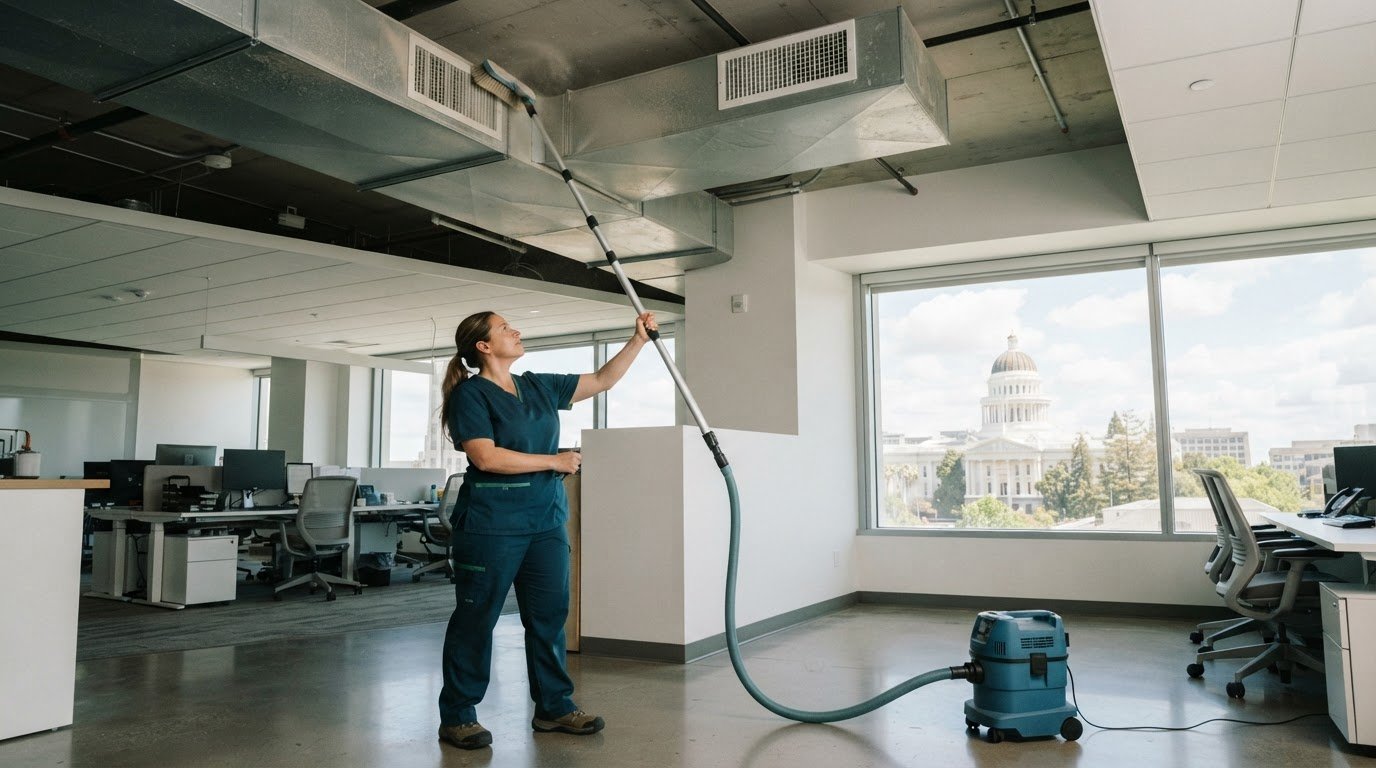
Indoor air is part of the physical environment employees experience throughout the workday. Leadership can treat it as an ongoing facility responsibility instead of waiting for several people to raise the same concern. A practical starting point is regular heating, ventilation, and air conditioning system servicing. Routine attention keeps system maintenance on the workplace schedule rather than leaving it until a problem becomes disruptive.
Give employees a clear way to report observations about their work area. Someone might notice an unusual odor, a stuffy meeting room, or dust collecting around a vent. These observations don’t diagnose a ventilation issue, but they give managers useful details to pass along for review. Reports should identify the location, the condition noticed, and when it occurred.
Follow-through matters. Managers can acknowledge a report, record relevant details, and direct it to the person responsible for facility maintenance. If several employees raise concerns about the same room, that pattern can help prioritize a review. Keep the team informed about the next step, even when an assessment takes time. Clear updates show that employee input contributes to decisions.
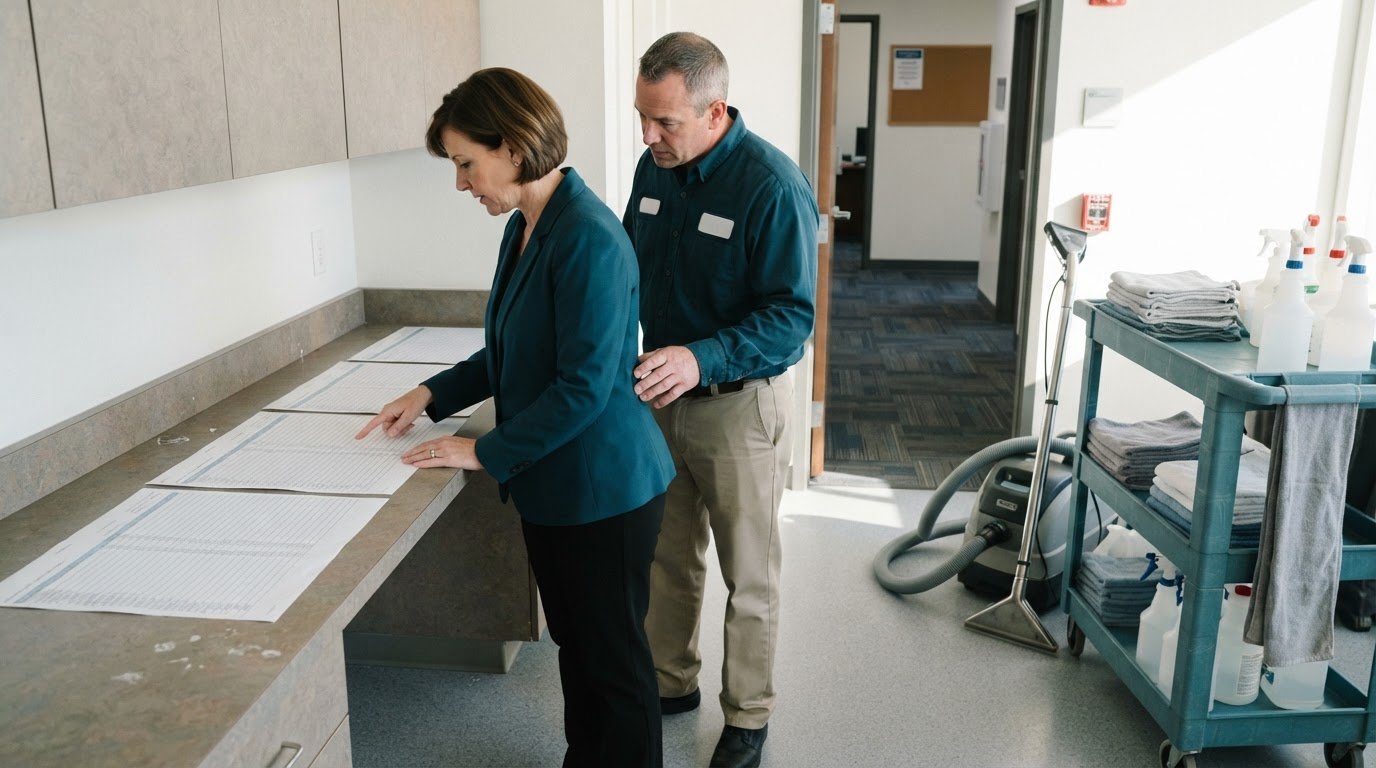
Maintenance planning works best when responsibilities are clear. Assign a facilities contact to coordinate service visits, keep service records accessible, and note when follow-up is needed. Managers can also ensure staff know how to report concerns during normal operations. These steps reduce confusion between employees who notice an issue and the people who arrange system servicing.
Room use can inform practical checks. A conference room used for consecutive meetings has a different pattern from a lightly occupied office. Managers can include frequently used spaces in regular facility reviews and record recurring reports by location. This information helps direct attention to where employees spend time, without treating a single observation as proof of a system problem.
Good workplace practices also include keeping vents and the areas around them clear of stored items. Teams can avoid placing boxes or furniture directly in front of a vent, for example. This doesn’t replace HVAC servicing; it simply keeps the immediate area unobstructed. Managers can communicate this expectation during workspace planning and reinforce it when layouts change.
Recognition can reinforce timely reporting. Thanking an employee for sharing a specific concern encourages others to raise practical observations, too. Leaders can promote a calm, consistent process: receive the report, document the details, assign follow-up, and communicate progress. For support with maintaining an orderly workplace as part of broader facility upkeep, start a conversation about your workplace needs.
Cleanit Maintenance Systems
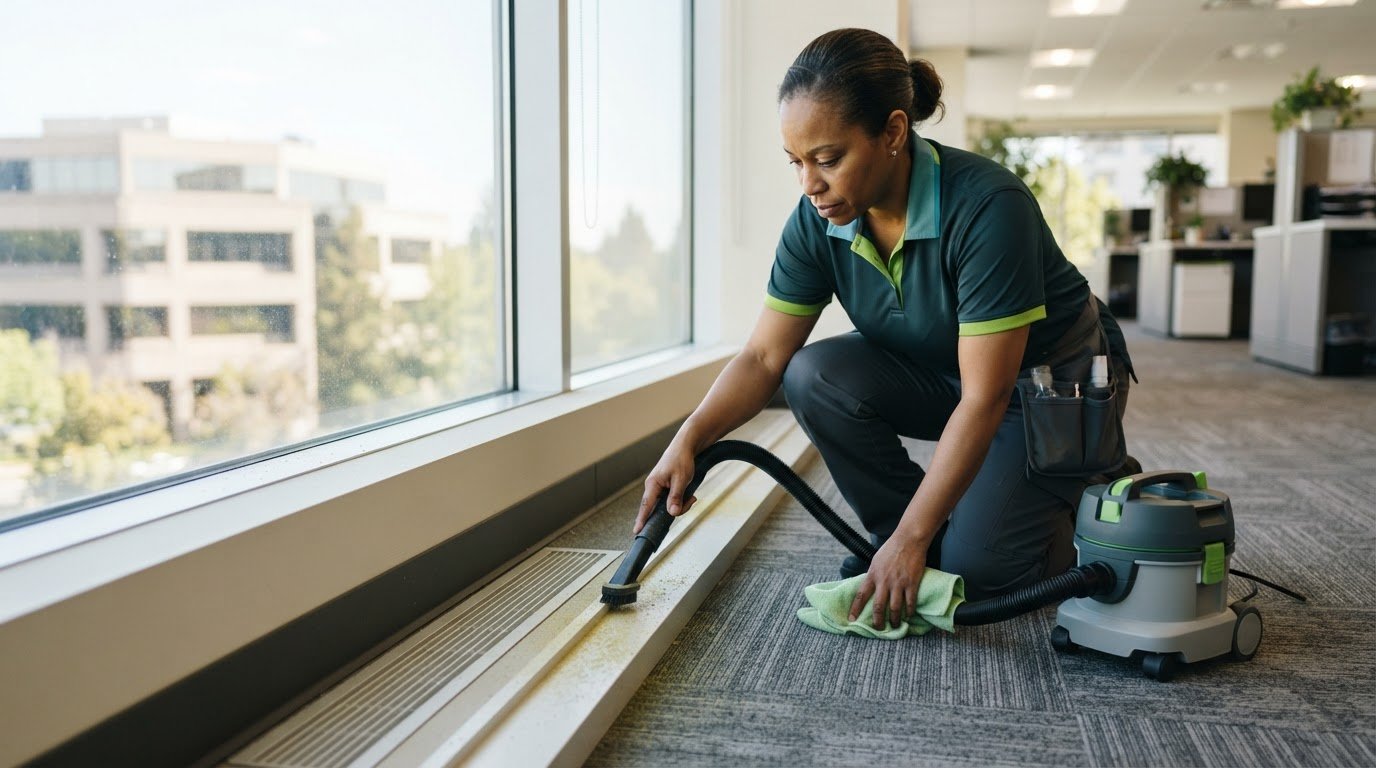
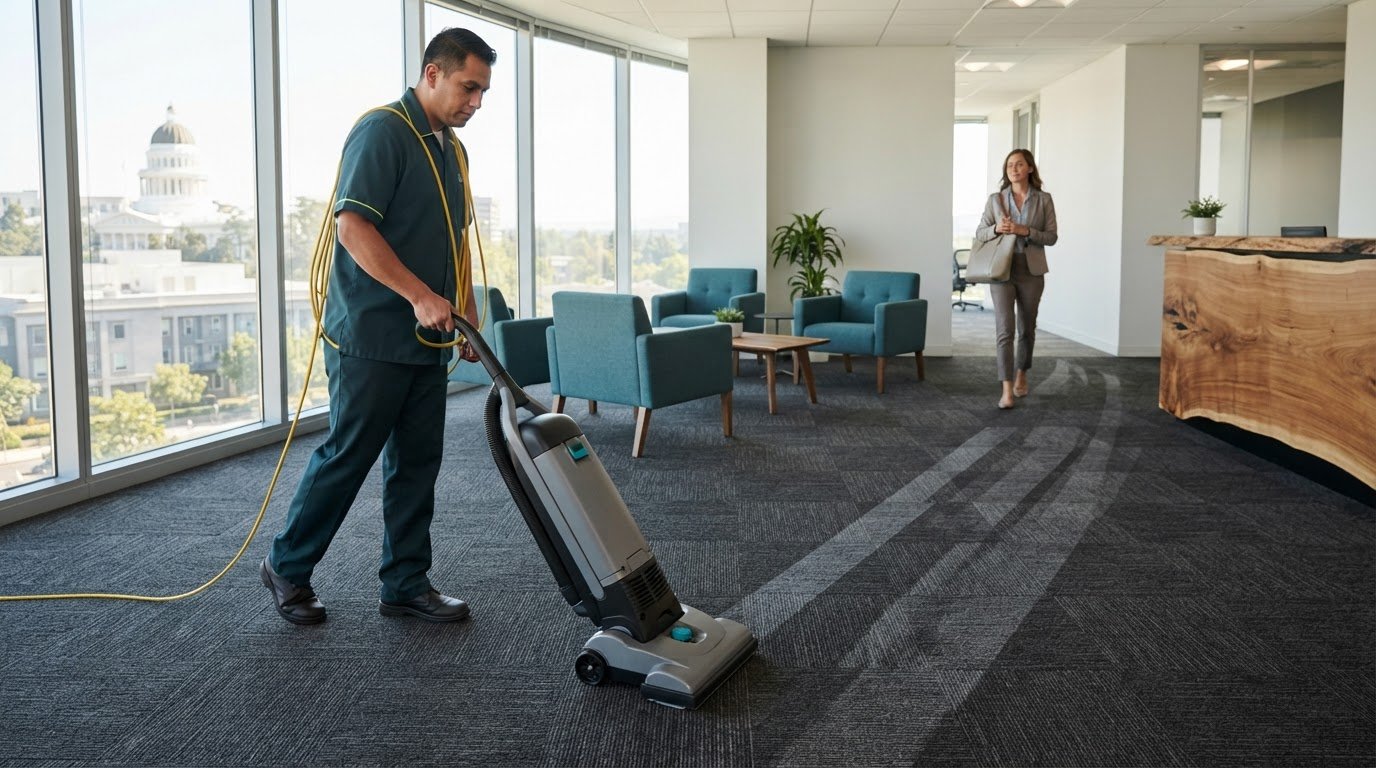
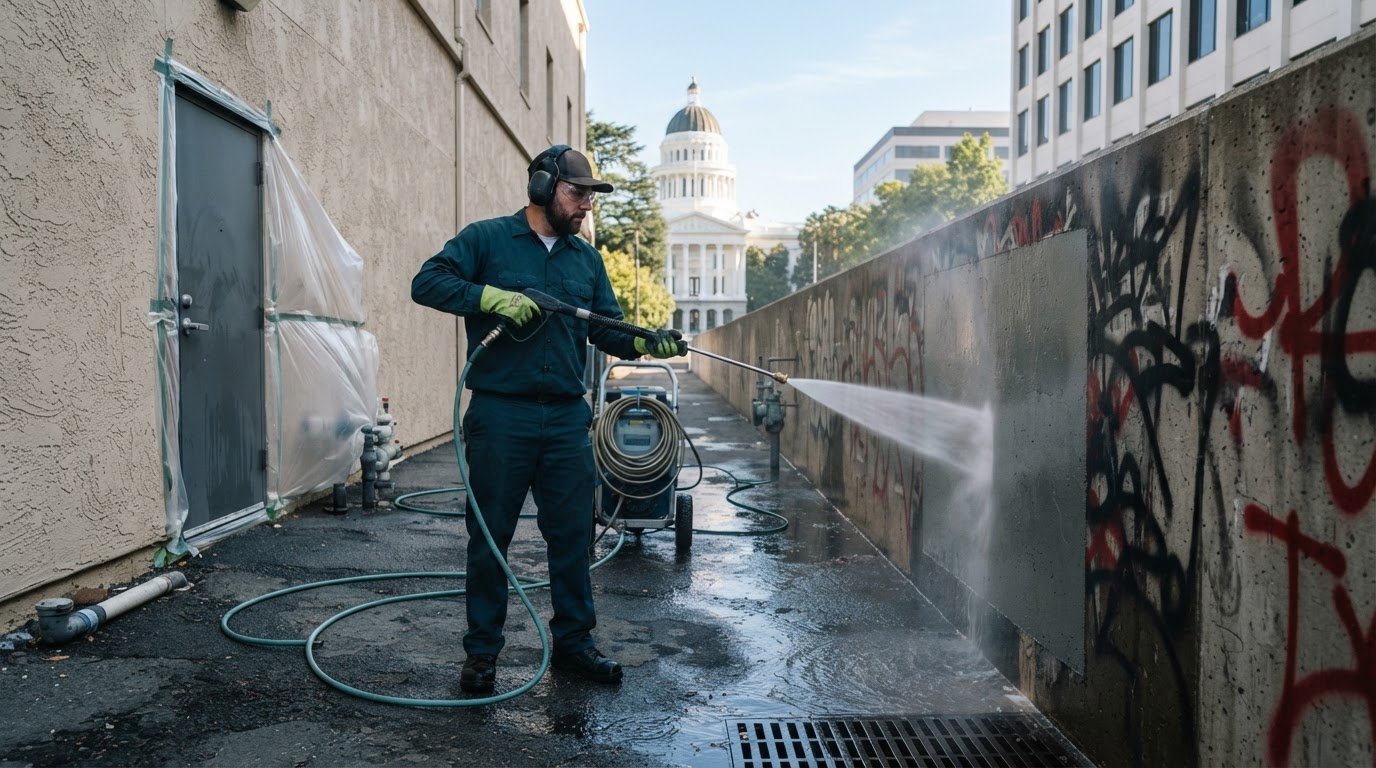
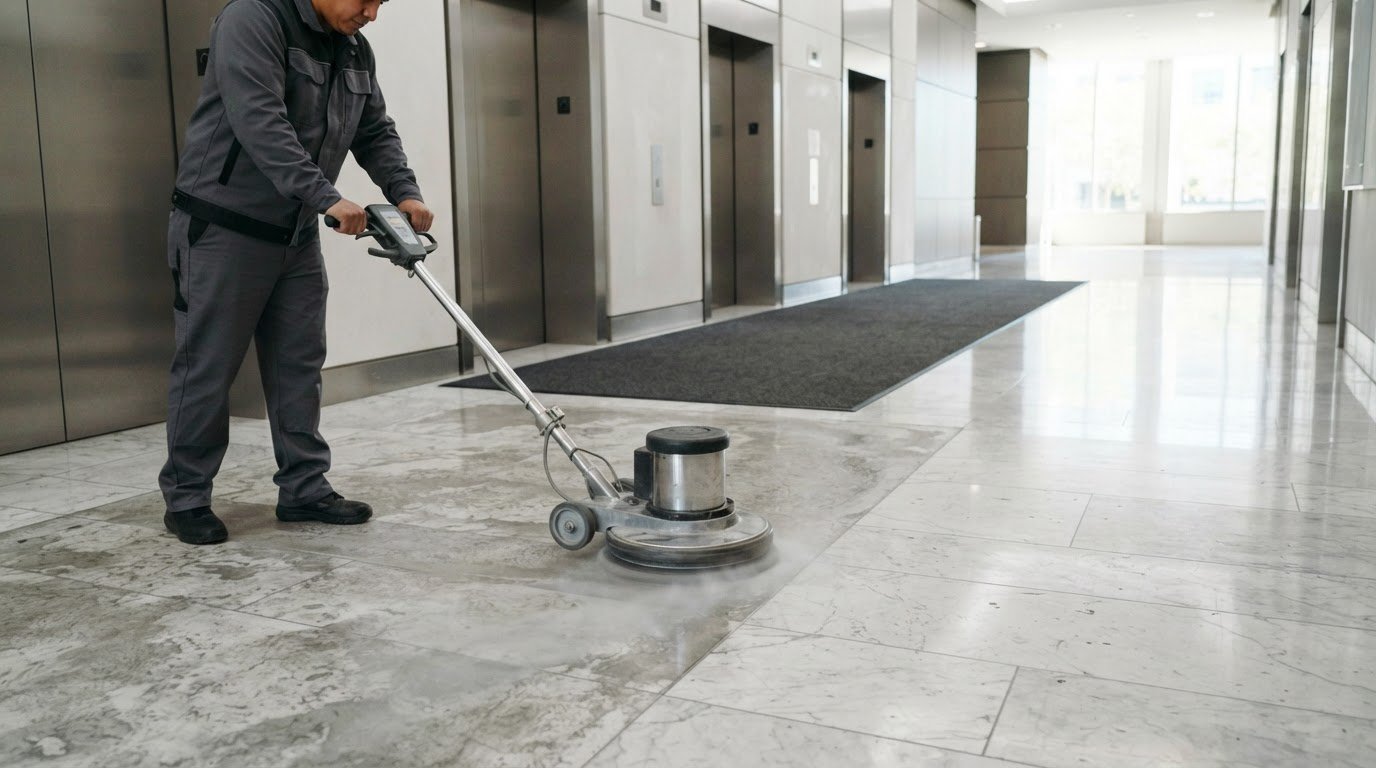
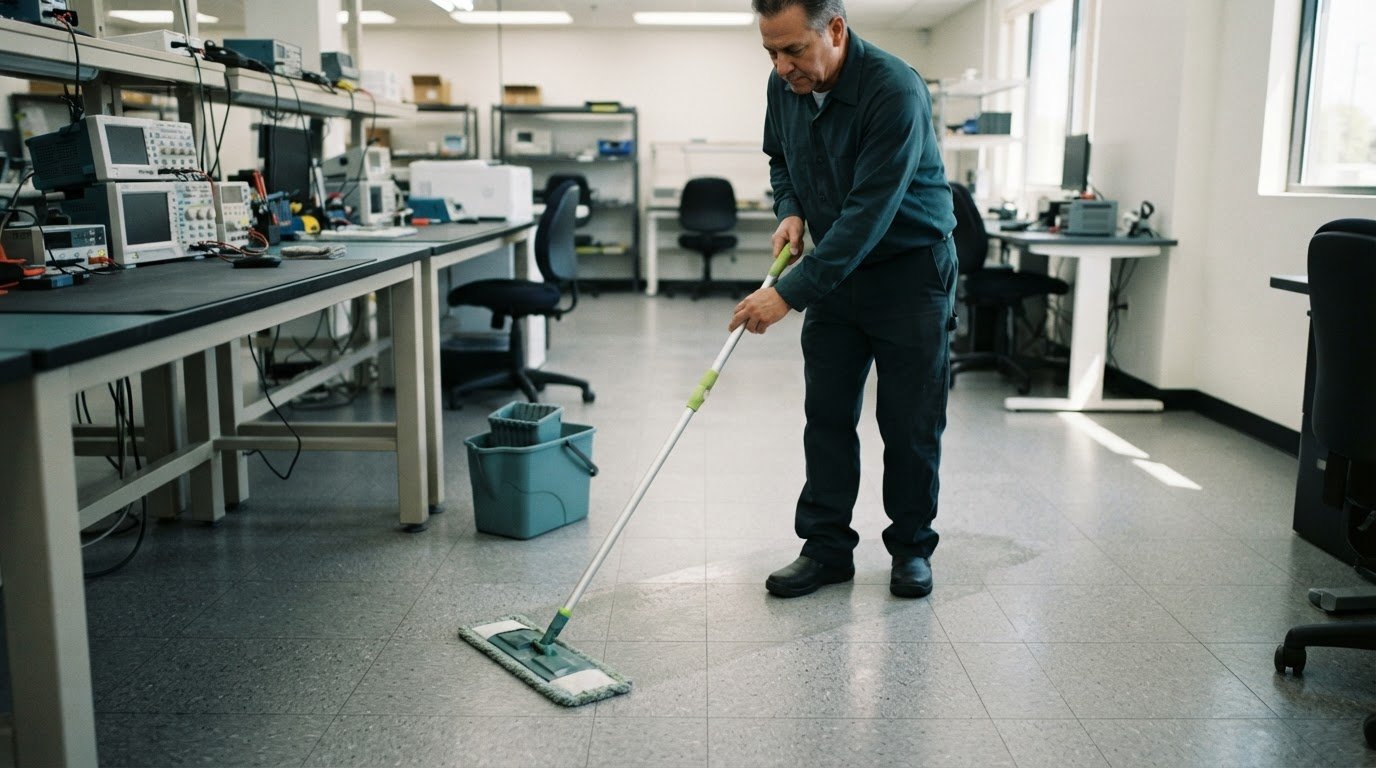
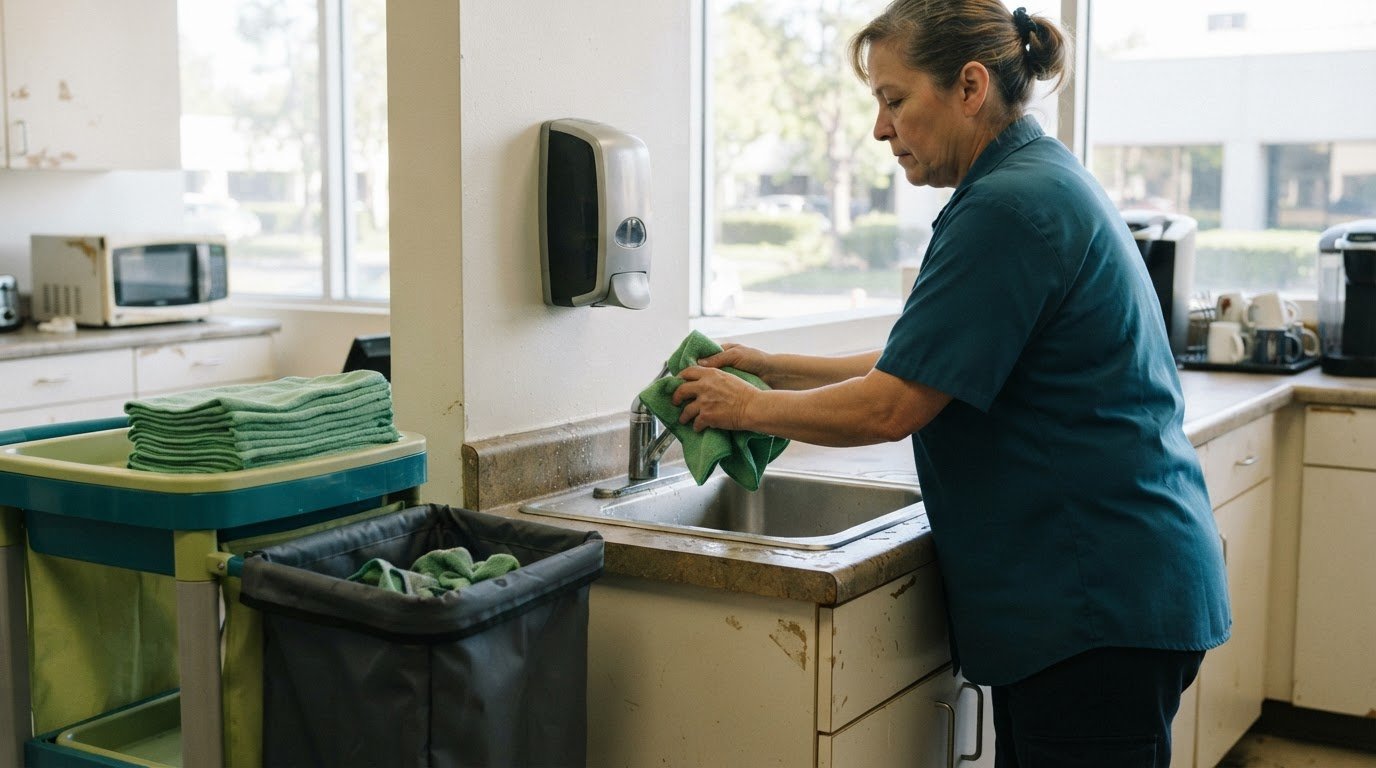
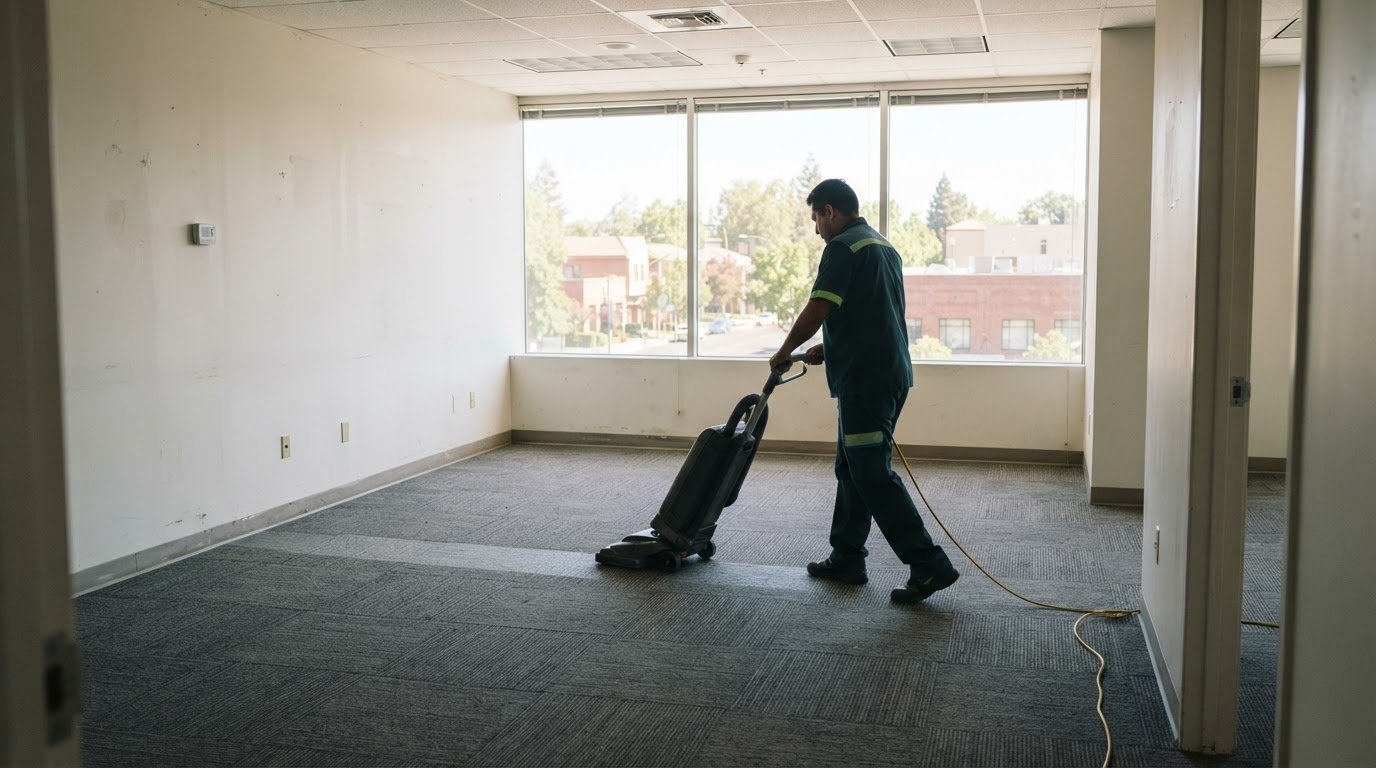
Cleanit Maintenance Systems helps support a healthier workday by keeping shared workplace areas clean and orderly. When routine upkeep takes time away from employees or cleaning needs vary across the workplace, its commercial janitorial, office cleaning, daily cleaning, and day porter services can help maintain consistent care.
These services complement the broader efforts described above. A clean, maintained office can support a more comfortable setting for employees, while managers remain responsible for ventilation, workplace policies, and team well-being. For organizations seeking dependable support with day-to-day facility upkeep, Cleanit Maintenance Systems provides practical commercial cleaning services in the Greater Sacramento area.
Contact Cleanit Maintenance Systems to discuss your workplace cleaning needs.
Make the Next Step Part of the Workday
Progress is easier to sustain when well-being becomes part of ordinary workplace planning. Choose a practical improvement, assign responsibility for it, and make time to review how it works. A small, consistent change gives your team a clear starting point without turning employee well-being into another complicated project.
Creating a healthier work environment also means considering the conditions that shape each workday, including the time teams spend maintaining shared spaces. Decide which cleaning tasks need dependable ongoing support, then consider how that support can fit your workplace’s routines.
Cleanit Maintenance Systems offers commercial janitorial, office cleaning, and daily cleaning services to help organizations care for their workplaces. Support with routine cleaning can give managers more time to focus on their teams and operational priorities.
Contact Cleanit Maintenance Systems to discuss your workplace cleaning needs. With a thoughtful next step and steady follow-through, your team can keep building a workplace where people feel supported.
Frequently Asked Questions
What is a healthy workplace?
A healthy workplace makes it possible for people to do their jobs without avoidable barriers to well-being. Look beyond perks such as wellness events and consider whether employees can access the tools, information, and support they need to work effectively. A new hire, for example, should know where to find procedures, whom to approach with concerns, and how team decisions affect their responsibilities.
What is the definition of a healthy work environment?
A healthy work environment is one where workplace conditions and organizational practices support employee well-being and effective work. It includes more than the physical setting: expectations, management practices, and access to resources influence how people experience their roles. A useful test is to compare written policies with everyday practice. If a policy encourages fairness but assignments consistently lack clear criteria, the lived experience may not match the stated standard.
What are the key elements of a healthy work environment?
Key elements include safe, usable workspaces, clear expectations, respectful treatment, reliable access to tools, and opportunities to raise concerns. Predictability matters, too: employees can plan their work more effectively when priorities and responsibilities are clear. A team can document who approves a request, where it should be submitted, and how staff will hear about a decision. These practices make support easier to use.
What are effective ways to improve workplace ergonomics and physical safety?
Review the whole workstation, not just the chair. Place frequently used items within easy reach, position the monitor to limit awkward neck movement, and keep walkways clear of bags or equipment. Invite employees to describe discomfort linked to a specific task, then adjust the setup or workflow where possible. Revisit the change after the employee has used it during normal work, and record hazards that need follow-up.
What workplace policies support inclusion, belonging, and psychological safety?
Useful policies set clear expectations for respectful conduct, provide a defined way to report concerns, and explain how reports are handled. They should apply consistently across roles and teams. A meeting policy, for example, can invite written comments from employees who prefer not to speak in a group. A conduct policy can explain how managers address bullying or harassment, so employees understand expected behavior and reporting options.
How can employees give feedback and participate in workplace improvements?
Employees can share specific observations through manager conversations, surveys, team meetings, or an established reporting channel. Effective feedback identifies the situation, its effect on work, and a possible improvement. A team might explain that unclear handoff ownership causes duplicate requests, then propose a shared assignment field. Managers can acknowledge the suggestion, explain their decision, and tell staff what changed or why it didn’t.
How do you measure employee well-being and workplace health?
Use more than one indicator, and compare results over time. A pulse survey can ask about workload clarity, team support, and confidence in raising concerns. Pair responses with operational signals such as recurring hazard reports, participation in improvement efforts, or retention patterns. Review information by team or work process where appropriate, protect personal privacy, and use the findings to choose a specific action for follow-up.