Pollen can enter workplaces through open windows and ventilation systems, so closing a window isn’t always enough. Reducing allergens in the workplace starts with identifying how irritants get indoors, then addressing them through ventilation, cleaning, and clear pet policies. Allergen management means recognizing likely sources and taking practical steps to limit exposure.
Look beyond visible dust: cleaning products, pollen, and pet dander can all affect indoor conditions. Allergy symptoms may make employees less comfortable and disrupt their work. A consistent, coordinated approach helps address these concerns without relying on a single measure.
This article explains how cleaning products and routines affect allergens, how ventilation choices can limit pollen entering through windows and HVAC systems, and how pet policies can help reduce dander. It also covers how these factors may affect productivity and how professional office cleaning can support a cleaner, more considered workplace.
Key Takeaways
- Choose lower-emission cleaning products and store chemicals away from occupied work areas to limit avoidable irritants.
- Ventilation and filtration choices can help reduce pollen indoors, especially when outdoor conditions bring more pollen through windows or HVAC systems.
- Clear pet policies and thoughtful workspace arrangements can help reduce employees’ exposure to pet dander.
- Consistent cleaning of carpets and shared surfaces helps manage dust and other allergens that can affect comfort at work.
- Consider how allergy symptoms may affect employees’ comfort and productivity when shaping workplace practices.
1. Cleaning chemicals and volatile organic compounds
Cleaning products can affect indoor air as well as the surfaces they treat. Some release volatile organic compounds (VOCs), which may remain in the air after use. Choosing products labeled low VOC and storing chemicals away from occupied workspaces can reduce employees’ exposure. For example, a supply cabinet beside a busy desk area may create avoidable contact with fumes. Product choice and storage location both matter when reducing allergens in the workplace.
Choose products that suit the cleaning task. A cleaner used on desks, floors, or shared areas should be appropriate for the surface and applied according to its label. Using more than directed won’t improve the result, and strong fragrances can bother some people. A consistent product list helps an organization follow the same approach across rooms and shifts, especially in shared meeting rooms and break spaces.
There is no standard cost for workplace air-quality testing, HEPA filters, or professional remediation. The work involved depends on the testing scope, room size, equipment compatibility, and the extent of any identified contamination. A specific price depends on the proposed scope and the conditions being addressed.
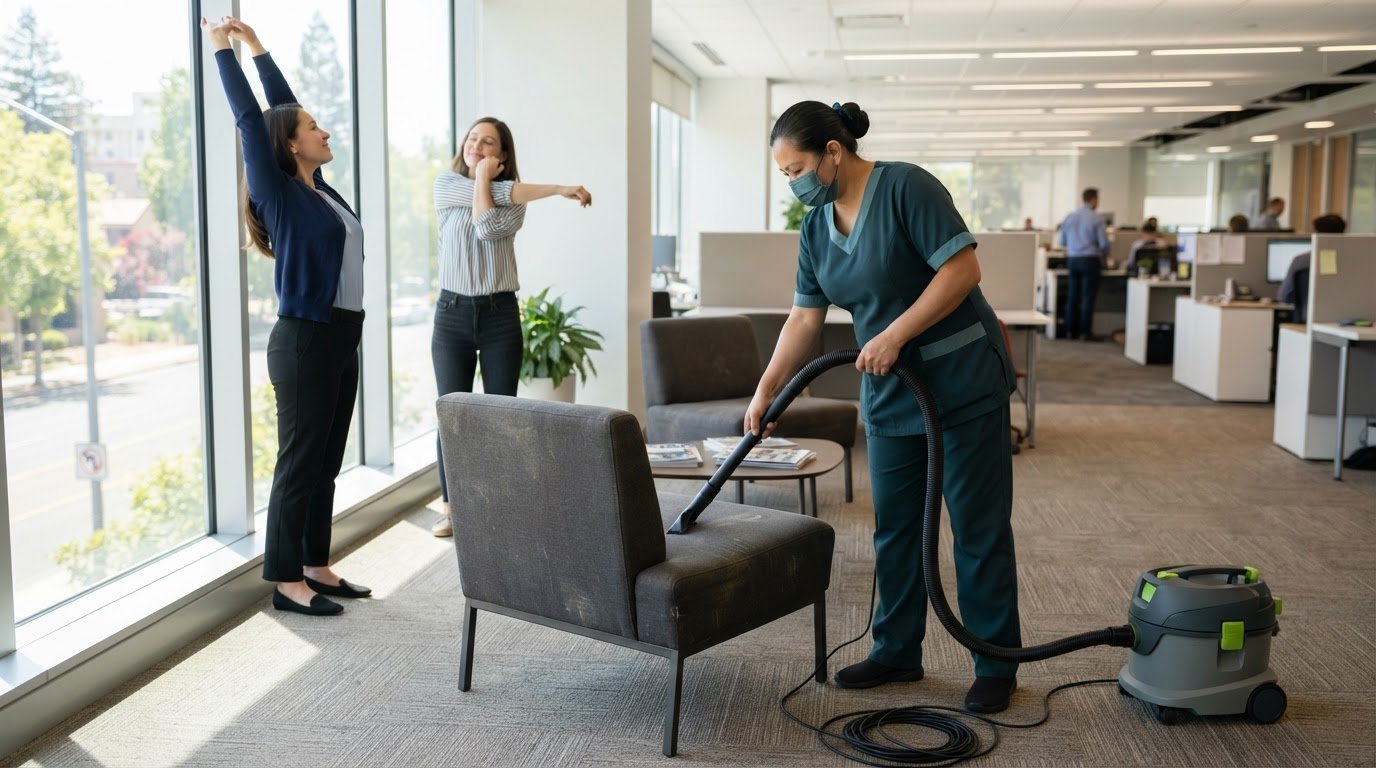
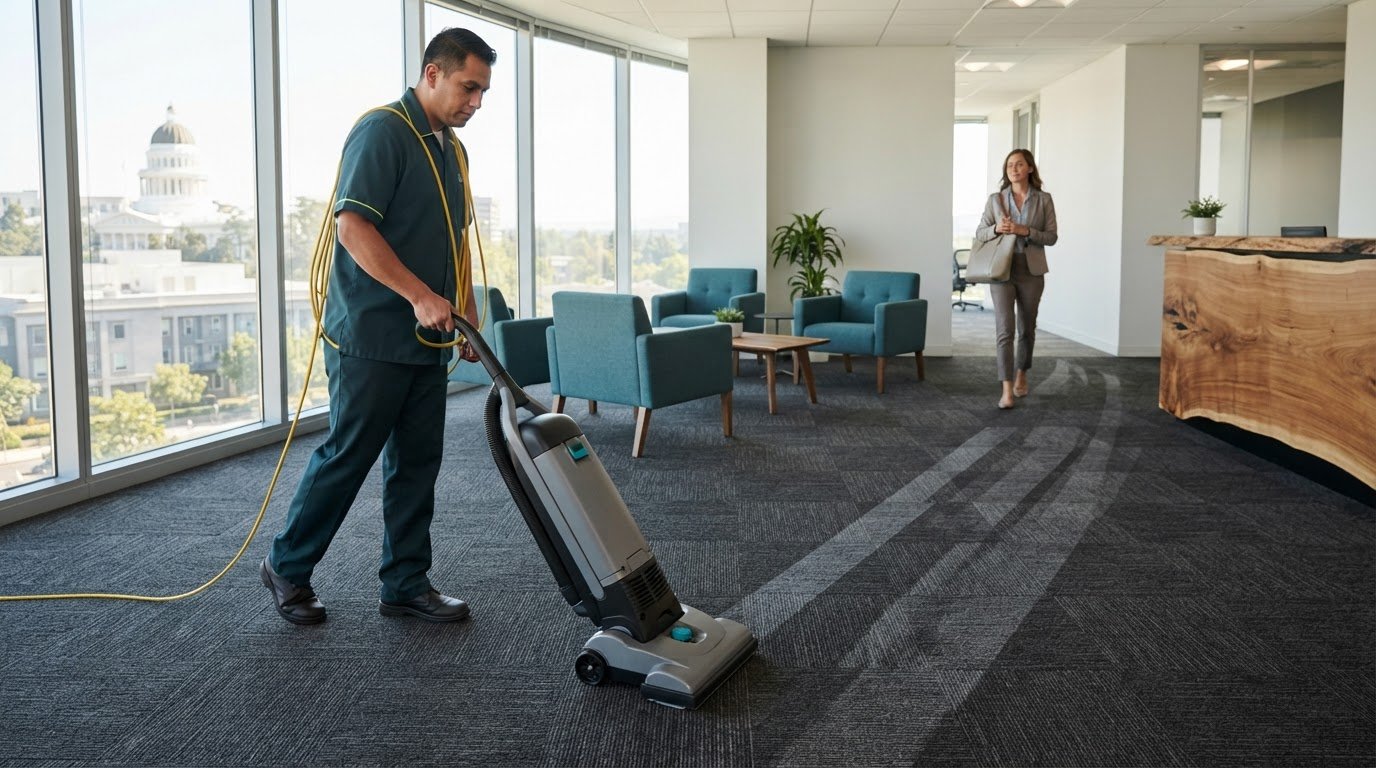
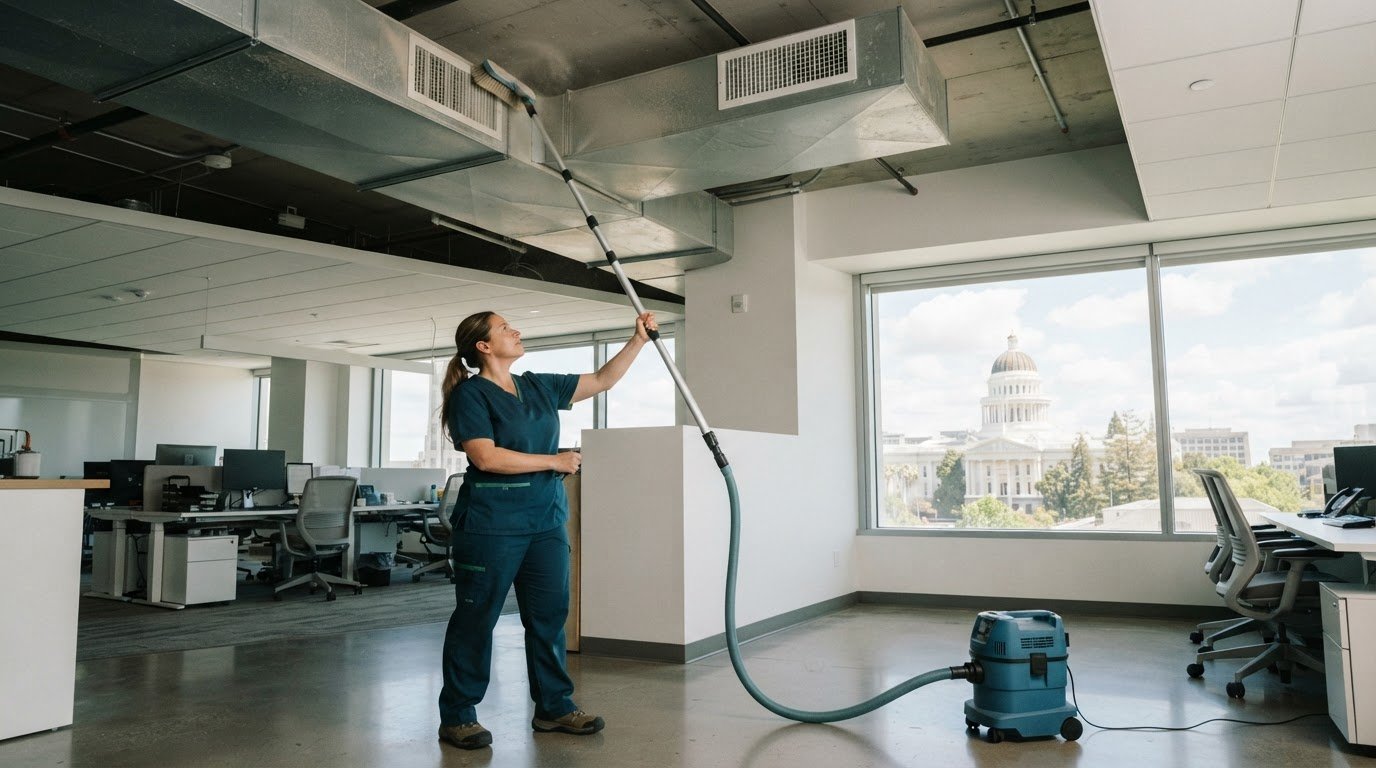
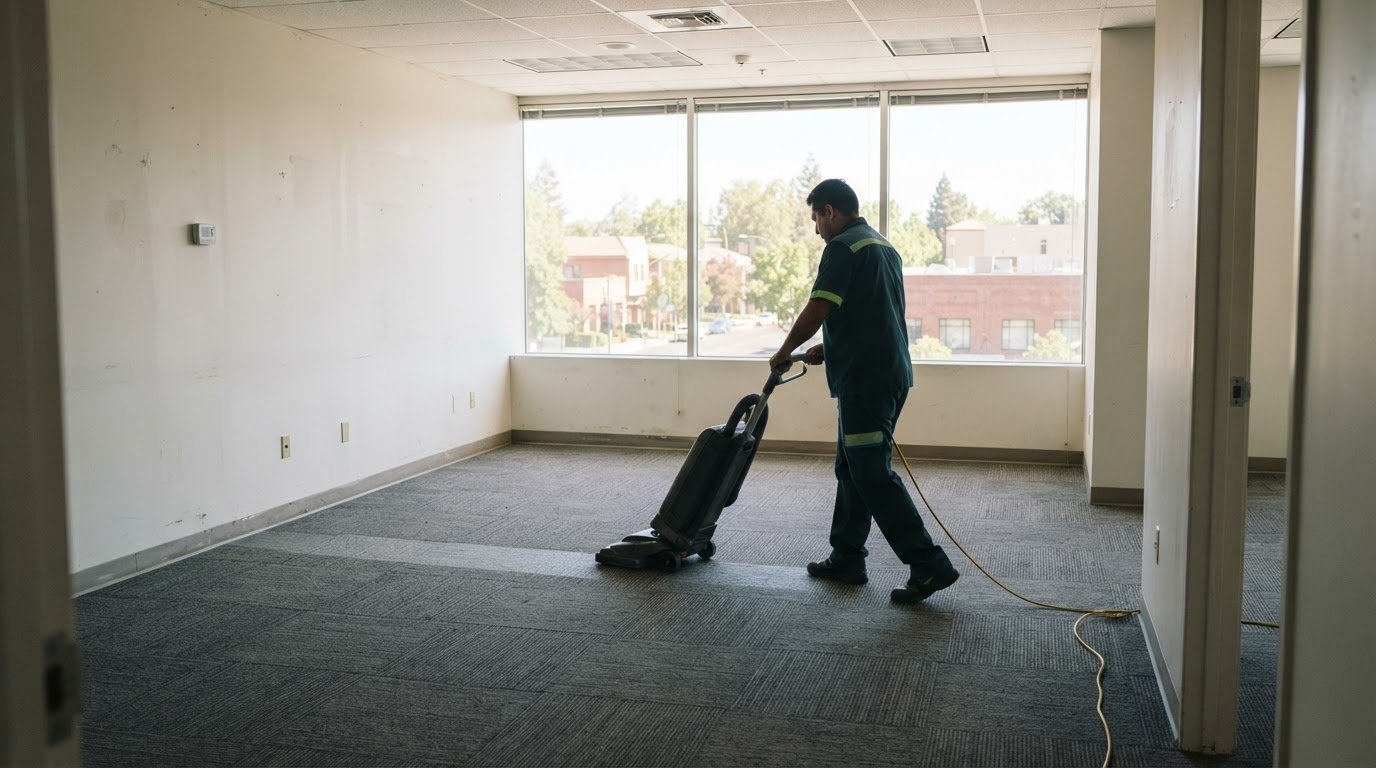
Dust removal works best as a repeatable routine. Regular dusting and vacuuming can reduce dust allergens on desks, shelves, and carpeted floors. Cleaning staff can work from higher surfaces down, then vacuum floors to remove settled dust. Carpet needs frequent vacuuming; a vacuum fitted with a High Efficiency Particulate Air (HEPA) filter can capture allergens as part of the protocol. Regular carpet cleaning can also address dust trapped in fibers.
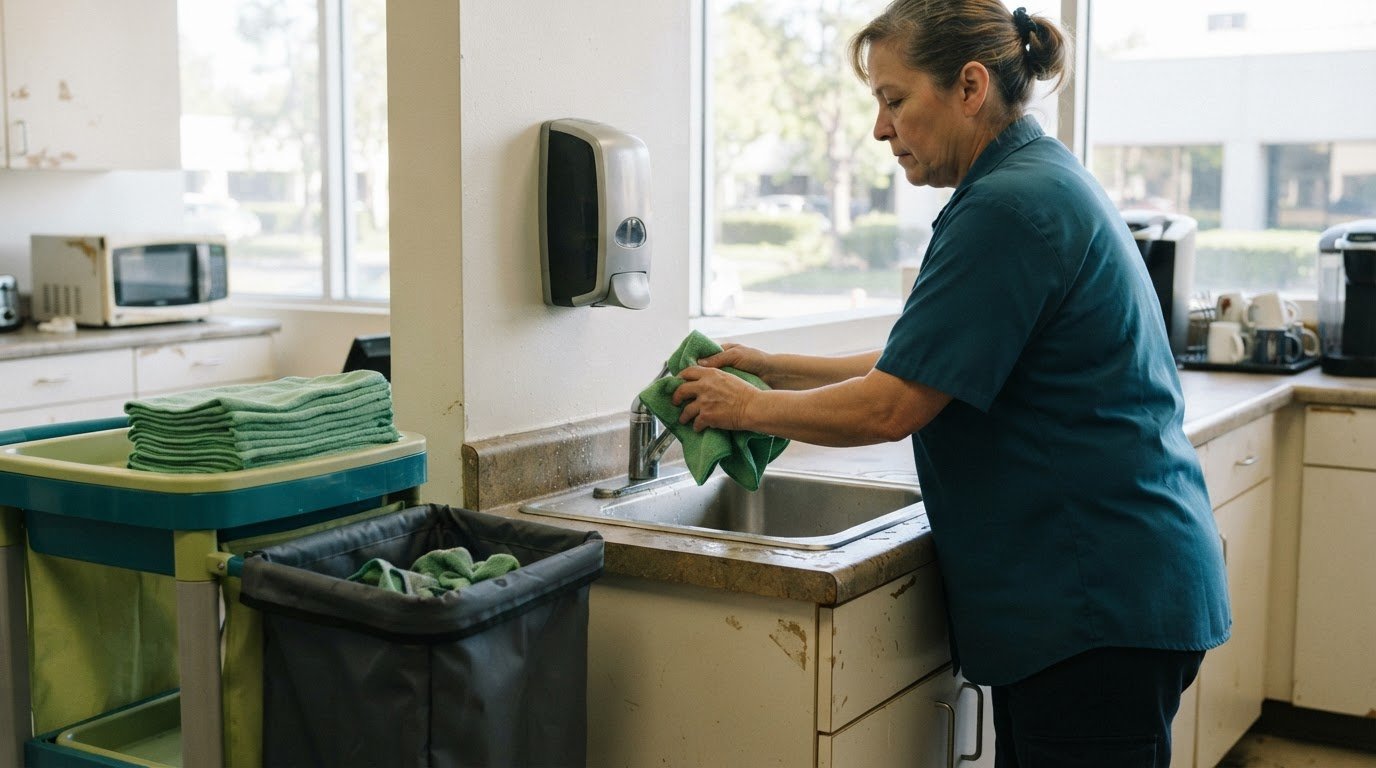
Cleaning can also address allergen sources beyond dust. In shared kitchens, food residue on counters or equipment can concern employees with food allergies. The U.S. Food and Drug Administration recognizes nine major food allergens responsible for the overwhelming majority of serious allergic reactions. Cleaning removes residue from surfaces, while separate utensils and clear labeling can help limit unintended transfer. A routine should identify shared surfaces and include them consistently.
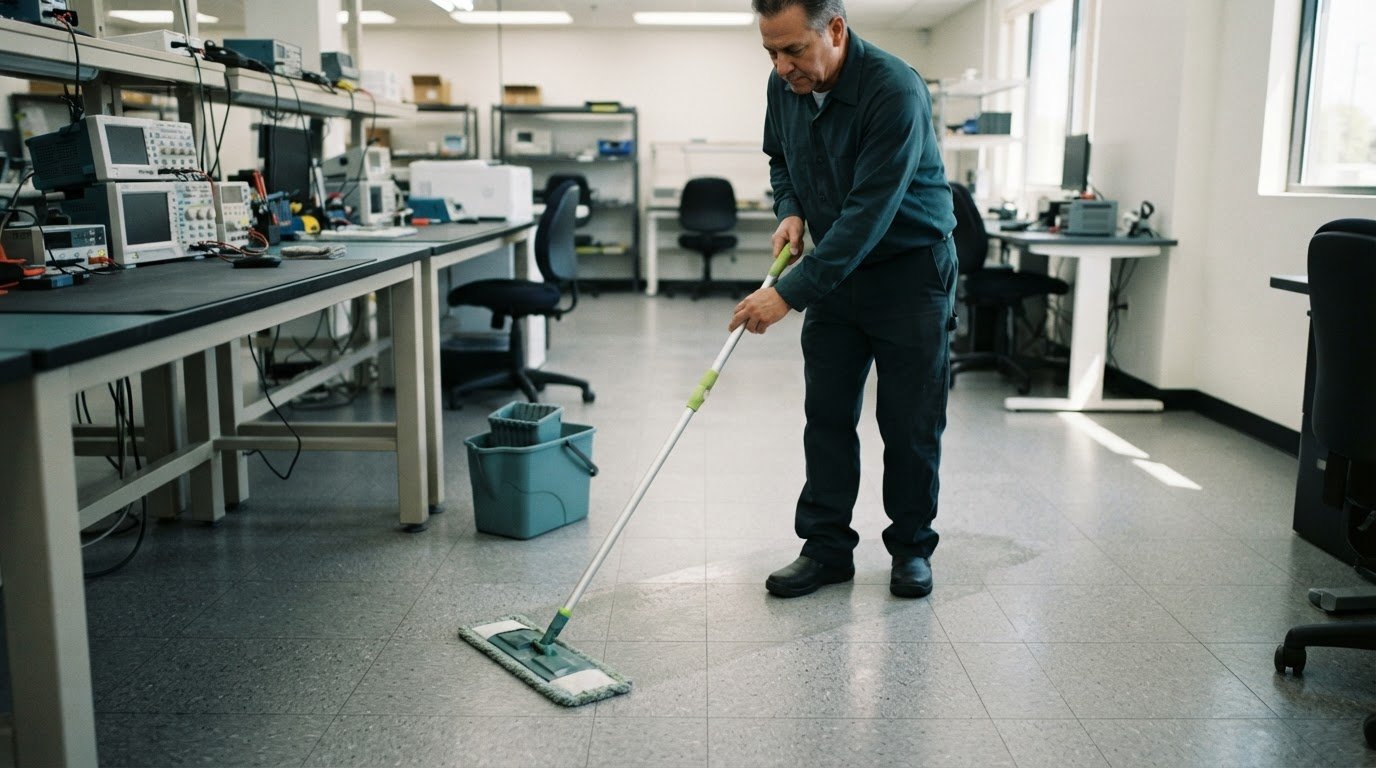
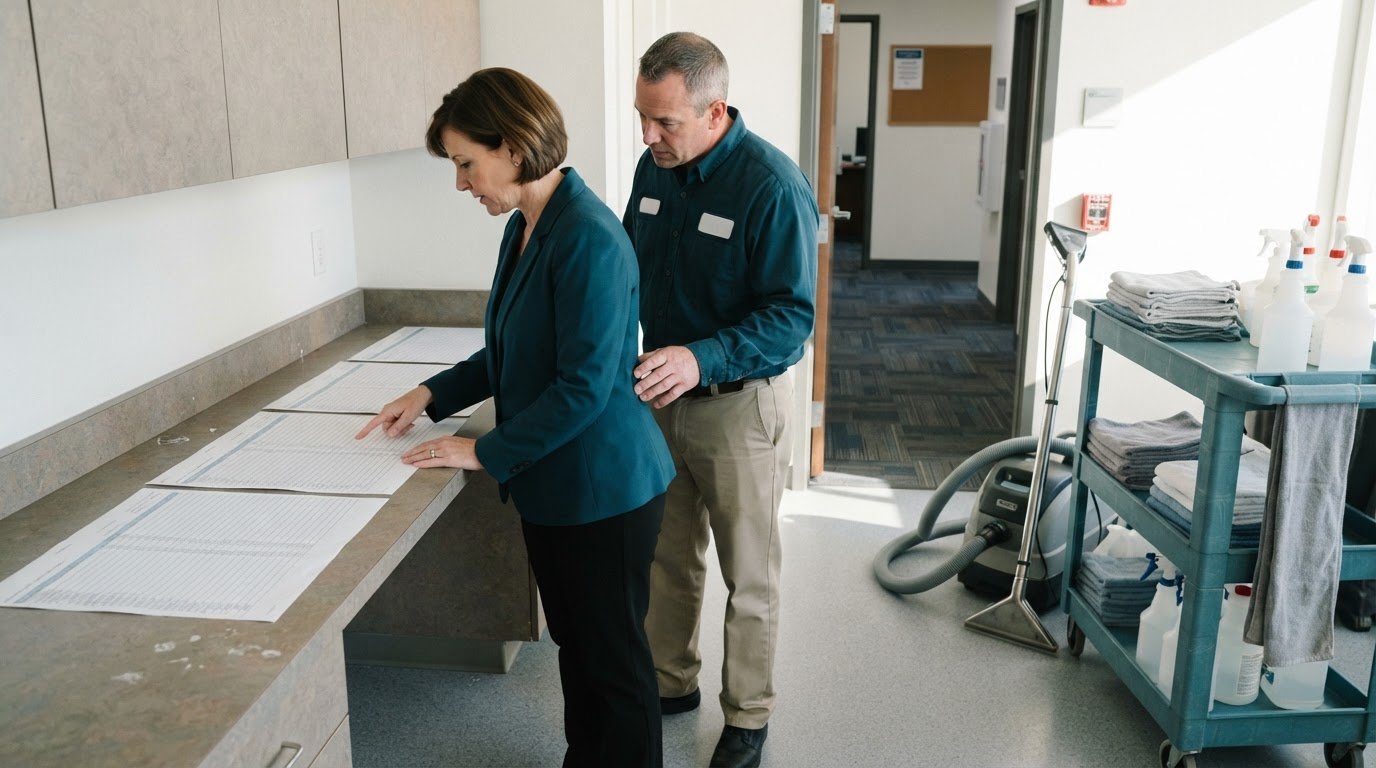
Professional janitorial cleaning makes these measures part of a routine schedule, rather than an occasional response to visible dust. Procedures can specify which surfaces to clean, which products to use, and what carpet maintenance each area requires. Staff can follow consistent practices across desks, meeting rooms, and break spaces. This measured approach to reducing allergens in the workplace addresses dust and residue without relying on fragrance or excessive chemical use.
Regular dusting and vacuuming can help manage dust in the office. Cleaning desks can reduce dust and other allergens on surfaces, while frequent vacuuming helps remove dust and pet dander from carpet.
2. Reducing pollen exposure through ventilation choices
Ventilation affects how pollen and other airborne particles move through a workplace. A maintained system can circulate fresh air and filter contaminants, while neglected filters may allow particles to keep circulating. In Sacramento, outdoor pollen can enter through open windows and doors, then spread through shared rooms. Closing windows when outdoor pollutant concentrations are high can limit this entry route. Monitoring outdoor conditions helps facilities decide when to reduce open-window ventilation.
OSHA requirements depend on workplace hazards and the standards that apply to them. For pollen concerns, practical exposure controls include maintained ventilation that circulates fresh air and filters contaminants. Ventilation planning should account for the building’s system, work areas, and employee concerns, rather than assume one approach suits every environment.
Common allergens include pollen, dust, mold, and pet dander. Employees may notice symptoms in particular areas or during specific tasks, helping identify possible exposure points. A workplace health survey can gather reports of symptoms and suspected sources. An assessment can also inspect HVAC systems, storage areas, production spaces, and common areas. Together, these steps help an organization focus on likely sources instead of treating every room alike.
HEPA filtration can reduce airborne allergens in specific areas when installed in an HVAC system. A portable purifier’s usefulness depends on whether its capacity suits the room and whether air can move through it effectively. Room size, ceiling height, occupancy, and the unit’s airflow capacity all matter when selecting equipment. No single size suits every office; placement and ongoing filter maintenance also affect performance.
Ventilation is only one part of preventing accidental exposure. Pollen may enter near frequently used doors, while dust or mold concerns can be associated with storage and HVAC areas. Clear reporting helps facilities identify where exposure may occur and whether it relates to a location, task, or outdoor condition. Employees can share relevant observations with the appropriate workplace contact, especially when symptoms appear after entering a particular area. Emergency procedures should be part of the workplace’s broader response plan.
When exposure reports point to dusty surfaces or carpet near entrances, consistent cleaning can support the wider ventilation plan. Cleaning alone won’t correct a ventilation problem, so facilities should address the identified source as well as affected surfaces. For help maintaining orderly work areas alongside these controls, discuss workplace cleaning needs with a professional.
Workplaces can reduce airborne allergens by maintaining ventilation systems that circulate fresh air and filter contaminants. Regular system maintenance supports this practical exposure-control measure.
3. Pet dander and workplace pet policies
Animal-related policies can reduce routine exposure for employees with cat or dog allergies. In the United States, as many as three in 10 people with allergies have allergic reactions to cats and dogs. Pet dander can travel on clothing and settle on shared surfaces, so symptoms may appear even when an animal isn’t present. A workplace can consider a no-pet policy, a designated pet area, or separate workspaces to limit contact.
Policy details matter. If pets are permitted, keeping them away from shared workstations and break areas can reduce contact in those spaces. Communal lint rollers near a break room can help employees remove visible hair from clothing. These measures don’t replace a policy, but they support it by addressing common ways dander transfers between colleagues.
What workplace accommodations are available under the ADA? A food allergy may qualify as a disability when it substantially limits one or more major life activities. Employers can use an individualized interactive process to consider accommodations, such as separate eating or kitchen areas, clearly labeled food at staff events, or changes to an employee’s workspace.
Pet rules should sit alongside food-allergy precautions. Eating at a shared table, using the same utensils, or attending an office event can create contact with food allergens. Employers can provide ingredient lists for company meals, use separate serving utensils, and label foods brought to staff gatherings. Employees can share relevant needs with their workplace so practical arrangements address specific triggers rather than assumptions.
What health risks do common workplace allergens create, and when should employees seek medical care? Pollen, dust, mold, pet dander, and food allergens can trigger symptoms or an allergic reaction; food-allergen exposure can also lead to a severe reaction. Employees experiencing a severe or rapidly worsening reaction should follow their Anaphylaxis Action Plan and the workplace emergency response procedure.
A useful anaphylaxis policy gives employees a clear way to communicate their needs and sets out steps for an emergency. Employees with food allergies can share an Anaphylaxis Action Plan with their manager and human resources department. The plan identifies the allergy, where the epinephrine device is located, and how to use it. Employers should keep medical information confidential while making relevant emergency procedures clear to coworkers.
Review the policy when employees report symptoms or workplace arrangements change. For example, a new pet area, shared event, or change to a break space may alter exposure routes. Employee feedback and incident reports can help identify gaps and refine the approach. Clear expectations, designated spaces, and practical emergency planning make allergy precautions part of everyday workplace operations.
4. Allergies and worker productivity
Allergy symptoms can affect concentration, comfort, and task pace during a workday. Employees may struggle to focus when pollen, dust, or other irritants trigger symptoms in their workspace. One estimate found that employees with allergies who didn’t use medication demonstrated a 10 percent decrease in productivity. This figure highlights why workplace conditions matter, though individual effects differ.
The broader impact can also appear in missed work. Americans lose 3.5 million workdays each year due to allergies. In a 2012 Allergy UK survey of office workers, 95% of surveyed allergy sufferers had experienced symptoms at work. These figures point to a practical need: identify where symptoms occur and consider whether workplace exposure may be contributing.
For example, repeated reports of sneezing or itchy eyes near a frequently opened window may point to a pollen exposure route. Symptoms around a carpeted meeting room could prompt a review of cleaning frequency and dust control. A workplace health survey can gather employee feedback, while incident reports can reveal patterns by location, task, or time. This information gives an organization a clearer basis for targeted changes.
Productivity planning should distinguish temporary discomfort from severe allergic reactions. Someone with a severe food allergy may need an emergency response plan, while another employee may benefit from adjustments that reduce exposure in a particular workspace. Employers can consider accommodations individually and keep medical information confidential. The right response depends on reported needs and the work environment.
Facilities teams can use a practical review cycle to connect reports with changes:
- Record patterns: Note the area, activity, and reported symptoms without sharing unnecessary personal details.
- Inspect likely sources: Review ventilation, shared spaces, carpets, and cleaning routines connected to those reports.
- Set a measure: Choose a specific action, such as adjusting cleaning frequency in a reported area.
- Review feedback: Compare later reports and employee observations to see whether the change addresses the concern.
A measurable plan helps an organization distinguish a useful adjustment from an assumption. For example, if employees report discomfort in one meeting room, facilities can track whether targeted cleaning or a ventilation adjustment changes those reports. This keeps the response tied to employee experience instead of applying disruptive changes across every department.
Allergy management also supports continuity when employees need medical appointments or time away. A clear process for communicating needs helps managers plan coverage while maintaining inclusion. With a consistent approach to employee feedback, workspace reviews, and follow-up, employers can address exposure concerns while supporting comfortable, productive work.
5. Pollen entering through windows and HVAC systems
Windows and ventilation systems create two distinct routes for pollen to enter Sacramento workplaces. Open windows admit outdoor air directly, while HVAC systems can draw pollen inside through outdoor-air intakes. Pollen grains range from 6 to 100 microns in diameter, so particles can travel with air and settle on nearby desks, floors, and window sills. Closing windows during peak pollen times helps limit one route, but building ventilation still needs attention.
The practical question is where outdoor air enters and how the system filters it. Facilities teams can inspect intake locations, filter condition, and airflow paths, then compare their findings with employee reports. A cluster of reactions near one window or air outlet may identify an area for closer review. This doesn’t prove pollen caused symptoms, but it gives the assessment a useful starting point.
Filter choice must match the HVAC system. MERV 16-rated filtration can help control pollen indoors, but a filter also needs to fit the equipment’s design and airflow requirements. A filter that the system cannot accommodate may interfere with operation. Facilities staff can review system specifications and maintenance needs before changing filter types. A HEPA filter installed in an HVAC system can help clean air in specific areas.
Coordinate window management with ventilation rather than treating it as a substitute. During periods of high outdoor pollutant concentrations, closing doors and windows can reduce indoor entry. Maintaining ventilation helps circulate fresh air and filter contaminants. The right balance depends on the building’s equipment, outdoor conditions, and employee needs in each space. For example, a meeting room beside a frequently opened entrance may need different attention from an interior office.
Pollen can remain on surfaces after it settles indoors. Window sills, blinds, and nearby flooring are practical inspection points, especially in work areas beside exterior windows. Regular cleaning can remove deposits from these surfaces, while professional window washing addresses pollen buildup on glass. Neither surface cleaning nor window washing replaces effective filtration, but both can support a plan focused on entry points and settled particles.
For employees with serious reactions, exposure controls should account for individual accommodations. Workplace plans can use employee feedback to identify affected spaces and consider practical adjustments, such as seating away from an intake or window. Facilities teams should record the concern, review the relevant airflow path, and follow up after making changes. This connects a reported problem to a specific building condition instead of applying the same response everywhere.
The clearest takeaway: control pollen at its entry routes, maintain compatible filtration, and clean areas where particles settle. If window deposits are part of the concern, discuss professional window washing for your workplace.
Cleanit Maintenance Systems
Cleanit Maintenance Systems helps Sacramento workplaces maintain cleaner, more orderly spaces with commercial janitorial and office cleaning. When pollen, dust, or residue keeps returning to shared areas, consistent cleaning can complement ventilation and workplace allergy measures. Daily cleaning and day porter services support routine attention to frequently used spaces, including entrances, desks, and break areas.
Cleaning is one part of allergen management, not a replacement for HVAC maintenance, medical care, or individualized accommodations. A coordinated routine can help address surface dust and keep shared spaces cleaner as workplace needs change.
Contact Cleanit Maintenance Systems to discuss cleaning for your workplace.
Make allergen control part of the workplace routine
Choose a practical next step: turn employee observations into a regular facilities review. When reports point to a recurring location or time, record the pattern, assess the surrounding workspace, and decide which cleaning or building measures address it. Revisit that decision as conditions change, rather than treating allergen management as a one-time project.
Reducing allergens in the workplace works best as a coordinated effort. Cleaning routines support surface care, while ventilation decisions and workplace policies address other exposure routes. Clear responsibilities help keep these measures consistent and give employees a straightforward way to share concerns. The goal is a cleaner, more considered environment that supports people’s comfort without promising every trigger can be removed.
For support with workplace cleaning, start a conversation with Cleanit Maintenance Systems. A steady, tailored routine can give your team a clear foundation for the next steps.
Frequently Asked Questions
What is Allergen Management?
Allergen management is a coordinated workplace process for identifying potential sources, setting controls, and reviewing whether they work. In a Sacramento office, that could mean recording recurring concerns by area, assigning responsibility for follow-up, and updating procedures when workspace use changes. It should also account for individual needs and emergency planning, rather than treating every employee or exposure as the same.
What professional cleaning steps help reduce dust, pollen, mold, and pet allergens in workplaces?
Professional cleaning can follow a room-specific plan for surfaces and floors where particles settle. For example, a team can clean window ledges and shared furniture before nearby floors, then record completed areas for consistent follow-up. Carpet cleaning can complement routine vacuuming where fibers hold dust and dander. Cleaning can remove surface deposits, but it doesn’t resolve moisture sources or replace ventilation maintenance.
How can a qualified HVAC provider choose and maintain workplace filters to help reduce allergens?
An HVAC provider should match filtration to the system’s design, airflow needs, and the areas it serves. The provider can review equipment specifications before recommending a filter, then set inspection and replacement intervals based on system requirements and filter condition. For a Sacramento office with reported pollen concerns, the provider can also consider outdoor-air entry points and where filtered air reaches occupied rooms.
How can employers prevent mold and moisture problems in offices?
Employers can reduce moisture concerns by responding promptly to leaks, damp materials, and visible condensation. For example, a report of water near a sink or around an air-conditioning unit should prompt inspection of the source and affected area. Facilities staff can also include plumbing, ventilation equipment, and areas with recurring dampness in routine inspections. Cleaning alone won’t correct an ongoing moisture source.
Which professional cleaning practices and products help reduce allergens without triggering chemical sensitivities?
Choose cleaning products labeled low VOC, avoid unnecessary fragrance, and store chemicals away from occupied areas. A professional cleaning plan can specify products and application procedures for shared spaces, then account for employee reports of sensitivity. For example, facilities can identify a meeting room where fragrance is a concern and coordinate cleaning practices for that space. Product choice should suit both the task and the workplace’s needs.
How often should workplace HVAC filters be changed, and which MERV rating helps reduce allergens?
Change HVAC air filters regularly; the material gives no specific interval. MERV 16-rated HVAC filtration is recommended to help control pollen indoors.