What if a better cleaning plan starts with the way your business runs, not with a generic calendar? A schedule can look complete on paper yet overlook a busy entrance, peak operating hours, or the difference between everyday upkeep and periodic carpet or floor care. The goal of creating a custom cleaning plan for my business is to make priorities and responsibilities clear, so essential work doesn’t depend on guesswork.
That takes more than listing tasks. Consider how each area is used, when cleaning can happen without disrupting work, and which responsibilities belong in routine janitorial service, day porter support, or scheduled specialty maintenance. This guide walks through facility zones, traffic, business hours, task frequency, and review points. You’ll also learn how to coordinate daily cleaning with periodic carpet, floor, and window care, then adjust the schedule as operations change. Cleanit Maintenance Systems provides commercial janitorial services in the Greater Sacramento area, with solutions shaped around the needs of local offices and medical facilities.
Key Takeaways
- Map your facility by use and traffic so the plan reflects the different needs of offices, clinics, and shared spaces.
- When creating a custom cleaning plan for my business, turn each priority into a task with a practical frequency, clear ownership, and a review point.
- Compare in-house, contracted, and hybrid responsibilities based on your team’s capacity, oversight needs, and facility requirements.
- Roll out the plan with clear communication and completion tracking, then use missed tasks, recurring feedback, and changing space use to guide revisions.
- Align routine janitorial work with periodic carpet, floor, and window maintenance to keep daily care and specialized needs in view.
Start a Custom Business Cleaning Plan by Mapping Your Facility
A small office, a clinic, and a multi-tenant building rarely have the same cleaning demands. Traffic, work patterns, public access, and sensitive areas differ, so a generic calendar can leave busy zones underserved while assigning effort where it’s less needed. A custom cleaning plan is a documented schedule that identifies tasks, frequencies, ownership, and review points. The practical questions behind “creating a custom cleaning plan for my business” are where work is needed, when it fits, and who is responsible.
Start with a zone inventory. Walk through the facility and note how each area is used, its surfaces, and when it is busiest:
- Entrances: Public access, tracked-in soil, and arrival patterns.
- Work areas: Occupancy, desk or equipment arrangements, and surface types.
- Restrooms: Usage patterns, visible conditions, and waste needs.
- Shared spaces: Break rooms, meeting rooms, corridors, and shared touchpoints.
- Specialty areas: Spaces with specific surfaces, equipment, or internal procedures.
Operating hours matter, too. Identify when spaces are occupied, when visitors arrive, and which tasks could interrupt work. For example, note whether a meeting room is regularly booked during the day or whether an entrance sees its busiest traffic at opening time. This helps set practical cleaning windows without assuming every area needs attention at the same time.
How to assess cleaning needs across business zones
For each zone, record its use, foot traffic, surface type, and who uses it. Then note recurring observations, such as visible soil near an entrance, waste filling quickly in a shared area, or frequently used touchpoints that need attention. These details turn a walkthrough into useful planning information. Keep routine janitorial tasks distinct from periodic carpet cleaning, window washing, and floor maintenance so specialty work has a place in the plan. If a need appears repeatedly, record where and when it occurs before changing the schedule.
Cleaning can serve both appearance and health objectives through different methods. For a broader overview of cleaning principles, consider how the method and purpose vary by surface and setting.
Which business priorities should shape the plan?
Set priorities around the standards your business wants to maintain: cleanliness expectations, employee comfort, visitor experience, and uninterrupted operations. A public reception area may call for attention to visible conditions, while work areas may need cleaning arranged around occupancy. For sensitive spaces, follow the business’s applicable internal procedures and make those requirements clear in the task notes. In Sacramento offices and medical facilities, the plan should reflect each space’s actual use rather than treating the whole building as one zone.
Once the zones and priorities are documented, you have a sound basis for assigning tasks and choosing frequencies. A well-mapped plan can also connect daily cleaning with periodic floor, carpet, and window care.
Turn Your Cleaning Assessment into Tasks and Frequencies
Once you’ve mapped the facility, convert observations into work that can be assigned and reviewed. A reliable plan connects each task to a reason: a high-traffic entrance may need more attention than a lightly used office, while a recurring issue in a shared space may call for a change in frequency or ownership. When creating a custom cleaning plan for my business, use facility conditions as the guide rather than copying a schedule designed for another workplace.
- List the tasks. Describe the work by zone, such as removing waste in a shared area or maintaining an entrance floor.
- Rank importance. Consider traffic, visibility, shared use, employee or visitor experience, and the impact of a missed task on operations.
- Choose a frequency. Decide whether work is routine, periodic, or as needed, based on observed conditions and business requirements.
- Assign ownership. Name the responsible role or service team for each task, including who handles specialty work.
- Set a review point. Check completion records and feedback, then adjust tasks or frequencies when facility use changes.
Cleaning frequency should follow how a facility is actually used, not a calendar copied from another business. For example, a heavily used shared area may need attention during operating hours, while carpet or floor care belongs in a separate periodic category. Treat frequency examples as planning prompts, not universal rules. For sanitation considerations, consult OSHA's sanitation standard as you shape the plan around your workplace and its requirements.
Prioritize routine, periodic, and as-needed work
Routine tasks support consistent day-to-day conditions. Periodic work includes services such as carpet cleaning and floor maintenance, which should be planned separately from recurring janitorial tasks. As-needed work responds to a specific condition, such as unexpected soil or a spill. Use observed patterns to decide which category fits, and revisit the choice if conditions change. Writing down the reason for a frequency makes later reviews more useful: you can tell whether the schedule still matches the original need.
Make responsibility and completion visible
Assign each task to a clear role or service team, rather than leaving ownership implicit. A simple record can show whether work was completed and provide a place to note missed tasks or changing needs. Businesses planning recurring support can include daily commercial cleaning services in the same schedule as internal responsibilities, so there is a clear view of who covers each zone.
| Zone | Task | Frequency | Owner | Completion record |
|---|---|---|---|---|
| Shared area | Remove waste | Set from observed use | Assigned role or service team | Checklist or log |
Clear responsibilities make a plan easier to manage. Cleanit Maintenance Systems provides commercial janitorial and office cleaning services for Greater Sacramento businesses. Discuss your cleaning plan as part of organizing the work your facility needs.
Compare In-House, Contracted, and Hybrid Cleaning Responsibilities
The right arrangement depends on your team’s capacity, facility demands, and the work that needs consistent attention. In-house staff may manage defined everyday tasks, a contracted service can organize recurring commercial cleaning, and a hybrid plan can divide routine responsibilities from specialized maintenance. For creating a custom cleaning plan for my business, the key is to assign every task clearly, regardless of who performs it.
| Arrangement | Advantages | Limitations | Often suits |
|---|---|---|---|
| In-house | Direct oversight and familiarity with the facility | Requires internal capacity for supplies, tracking, and follow-through | Businesses with staff available for clearly defined routine tasks |
| Contracted | Recurring cleaning responsibilities can be organized through a service team | Task scope, schedule, and reporting need clear coordination | Facilities seeking structured professional cleaning support |
| Hybrid | Combines internal ownership of selected tasks with contracted routine or specialty work | Responsibilities must be divided to prevent gaps or duplication | Businesses with some internal capacity and additional facility needs |
When does an in-house cleaning plan fit a business?
An in-house approach can work when existing staff have the capacity to own specific routine responsibilities, such as keeping a shared area orderly or reporting a supply need. Document who handles each task, how completion is tracked, and who oversees supplies. Set boundaries so cleaning duties don’t become an undefined addition to someone’s role. Periodic carpet cleaning or floor restoration and protection should be planned separately from everyday duties, with an owner and timing recorded in the same framework.
When can contracted or hybrid support make sense?
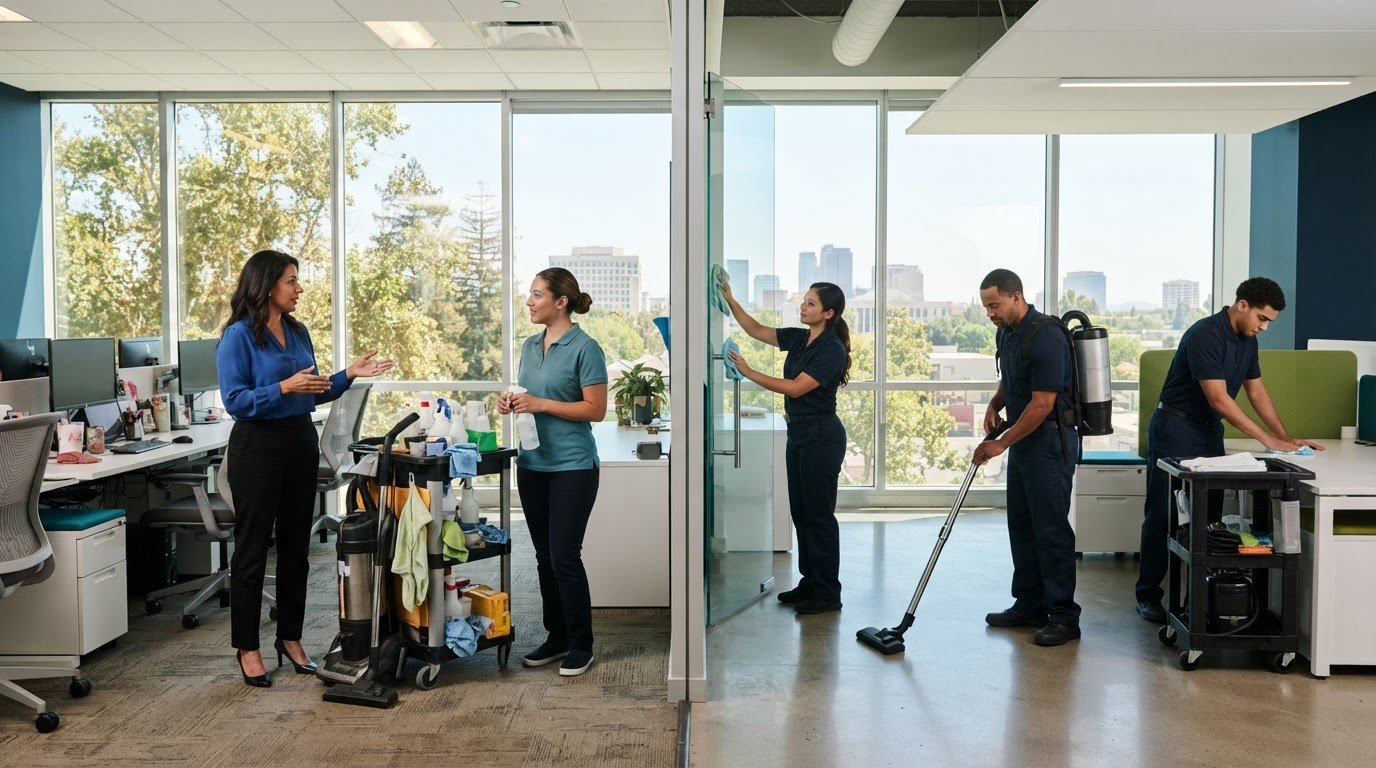
Contracted commercial cleaning can help establish recurring facility routines, while a hybrid arrangement leaves selected responsibilities with internal staff and assigns other work to a service team. Day porter services and scheduled cleaning serve different planning purposes: porter responsibilities can be organized around upkeep during a facility’s operating day, while scheduled tasks are placed on an agreed service schedule. The plan should show how these roles fit together without leaving overlaps or unassigned work. Cleanit Maintenance Systems provides office cleaning and day porter services to support recurring facility needs in the Greater Sacramento area.
Keep routine janitorial work, porter responsibilities, and periodic specialty services visible in one plan, but give each its own task description and owner. For additional perspective on service procedures and environmental considerations, see Green Seal's standard for cleaning services. The arrangement that works best is the one your organization can oversee consistently and adapt as facility needs change. Connect with Cleanit Maintenance Systems to discuss commercial cleaning responsibilities for your facility.
Implement and Review Your Business Cleaning Plan Without Disrupting Work
A well-designed plan only works if people can follow it and the business can see whether it’s working. Roll it out in clear steps: share the schedule with everyone who coordinates or performs cleaning, confirm ownership for each task, record completion, gather feedback, and revise where needed. Set cleaning windows around operating hours, access needs, and activities that shouldn’t be interrupted. For example, check when shared rooms are typically in use before scheduling work there.
Choose a review cadence your organization can sustain rather than relying on a universal interval. During each review, look for practical signals: tasks repeatedly marked incomplete, recurring complaints about the same area, or changes in how people use the space. A single missed task may need follow-up; a repeated pattern could mean the assigned frequency, timing, or ownership needs adjustment. That steady review is part of creating a custom cleaning plan for my business that remains useful as operations shift.
What should a useful cleaning checklist record?
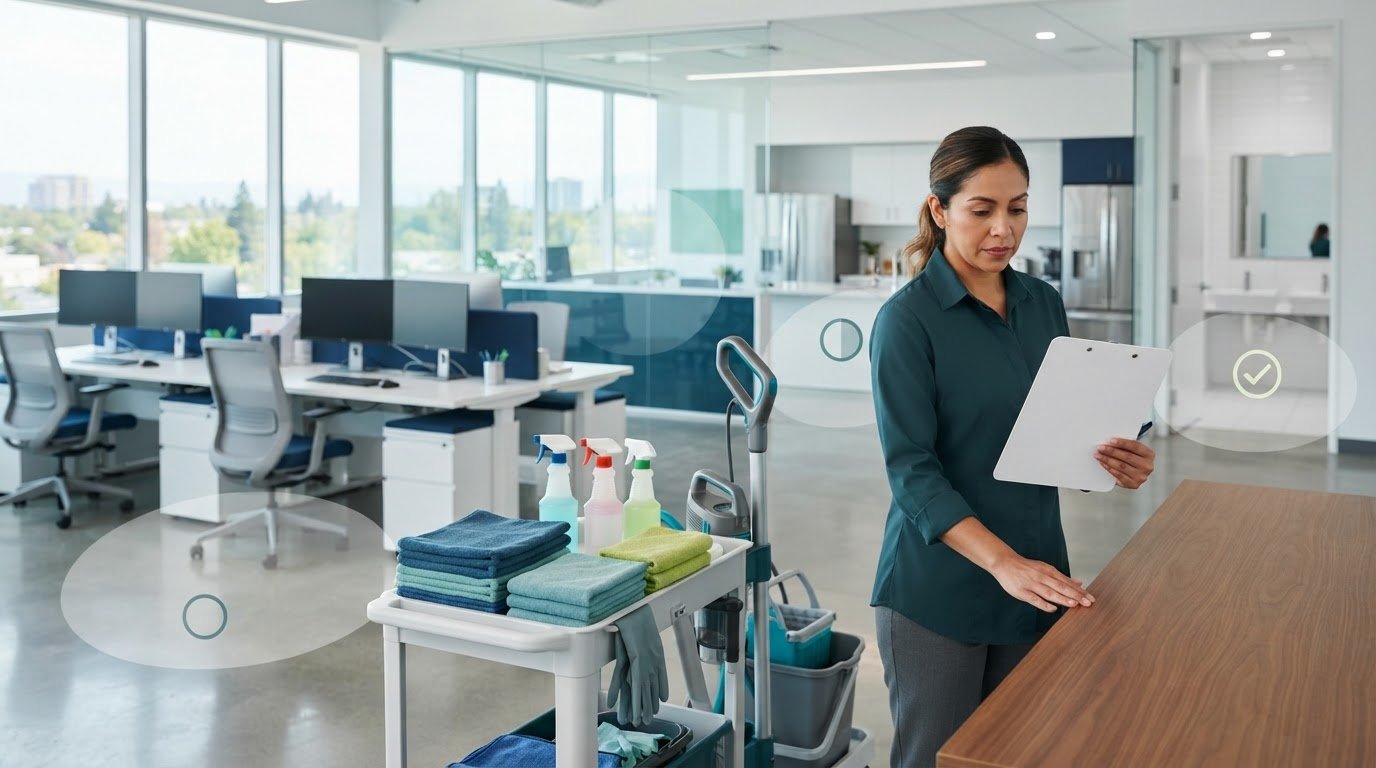
Keep the record simple enough to use consistently. For each item, include the zone, task, responsible role or service team, planned frequency, and completion status. Add space for a short note about a missed task, a condition that needs follow-up, or a possible schedule adjustment. Make the checklist accessible to the people who coordinate work and review results, so updates don’t depend on informal messages or memory. A concise, consistently completed log is more useful than a detailed form that staff rarely finish.
How should the plan adapt as the business changes?
Revisit the plan when occupancy, operating hours, layout, or facility use changes. If a complaint appears once, record it and look for context. If the same concern returns, consider whether the task or its timing needs to change. Feedback from staff and service teams can help distinguish an isolated issue from a recurring gap. For broader context on facility planning, see this facility cleaning and maintenance guide.
Review notes can also show when routine work and periodic maintenance need better coordination. Keep the schedule, completion records, and feedback together so adjustments are clear to everyone involved. Cleanit Maintenance Systems provides commercial janitorial services for Greater Sacramento businesses, including daily office cleaning and day porter services, alongside specialized maintenance. Discuss a cleaning plan for your facility.
Build a Sacramento Cleaning Plan with the Right Service Support
A practical plan follows a clear sequence: assess facility zones, prioritize tasks, assign responsibilities, and review results as business needs change. For Sacramento organizations, that sequence helps connect cleaning support to the way a facility is actually used, whether it’s an office, clinic, or multi-tenant building. Creating a custom cleaning plan for my business means setting priorities that make sense for your spaces and operations, then keeping the plan flexible enough to adjust.
How can a plan reflect different Sacramento facility types?
Office plans can account for workspaces, shared areas, visitor access, and operating hours. In a clinic, identify facility-specific cleaning priorities and document the established procedures that apply to each area. For a multi-tenant building, distinguish shared spaces such as entrances and corridors from areas managed by individual tenants. Clear boundaries help prevent duplicated tasks and overlooked responsibilities.
Cleanit Maintenance Systems provides commercial janitorial services in the Greater Sacramento area, including daily cleaning and day porter services for professional and medical office environments. Build the plan around the facility’s zones, operating patterns, and recurring priorities, then make responsibilities clear so the work can be reviewed and adjusted as needed.
How can routine cleaning and specialty care work together?
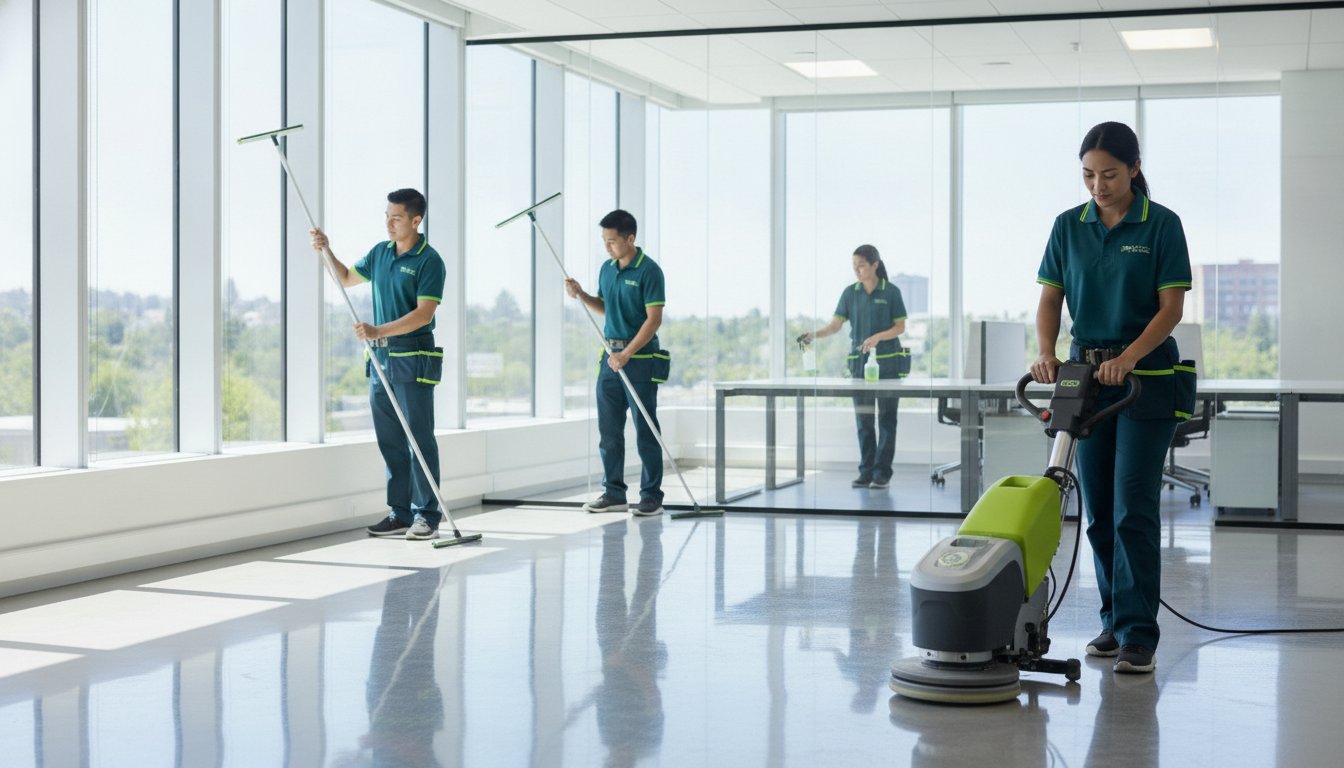
Keep recurring janitorial tasks and periodic maintenance in the same planning framework, while defining them as distinct types of work. Daily office cleaning or day porter services can support ongoing upkeep, while carpet cleaning, floor restoration and protection, window washing, and pressure washing address other facility needs. The plan should identify the spaces involved, ownership, and intended timing without assuming every service follows the same schedule.
Review the arrangement when traffic patterns, facility use, or business priorities change. If a shared entrance sees heavier use or a tenant area changes function, revisit the relevant tasks and responsibilities. A flexible plan keeps service support connected to real conditions rather than letting an old schedule dictate the work.
Cleanit’s commercial cleaning capabilities include daily cleaning, day porter services, and specialized interior and exterior maintenance. Once you have mapped your facility’s zones and priorities, talk with Cleanit about your business cleaning plan.
Put Your Cleaning Plan into Practice
A dependable cleaning plan starts with the facility itself. Map the zones, set priorities based on use and operating hours, and make task ownership clear. Then review completion and feedback so the schedule can keep pace as your business changes.
Creating a custom cleaning plan for my business doesn’t mean adding tasks for the sake of a longer checklist. It means bringing routine janitorial work together with relevant facility care, such as carpet, floor, or window maintenance, in a way that’s clear and manageable. Cleanit Maintenance Systems provides commercial cleaning and specialized maintenance for businesses in the Greater Sacramento area.
With the right plan, cleaning responsibilities become easier to coordinate and review. Discuss a custom cleaning plan for your business with Cleanit. Start with your facility’s zones, priorities, and operating schedule to make the conversation specific and useful.
Frequently Asked Questions
How do I create a cleaning schedule for my business?
Start by mapping your facility into zones, then list the cleaning tasks each area needs. Creating a custom cleaning plan for my business means ranking tasks by traffic, use, and operating priorities, then choosing a suitable frequency and assigning an owner. Record completion and review the schedule using feedback and observed conditions. Sacramento offices, clinics, and multi-tenant buildings can all use this process, tailoring the details to their spaces.
What should be included in a commercial cleaning plan?
A commercial cleaning plan should document each zone, its tasks, planned frequency, responsible role or service team, and how completion is recorded. Include notes for follow-up issues, changes in facility use, or tasks that need separate scheduling. It can also distinguish routine janitorial work from periodic carpet, floor, or window maintenance. For Sacramento businesses, include operating hours, visitor access, shared areas, and applicable internal procedures in the planning context.
How often should a business schedule cleaning?
Set cleaning frequency according to how each space is used, the conditions you observe, and your business requirements. A busy shared area may need attention more often than a lightly used workspace, while carpet or floor care may belong in a separate periodic schedule. There isn’t one frequency that fits every Sacramento business. Track missed tasks and recurring concerns, then adjust the plan if the current schedule isn’t keeping pace with facility needs.
Should my business handle cleaning in-house or hire a commercial cleaning company?
Choose the arrangement that matches your team’s capacity and facility needs. In-house staff can own clearly defined tasks if responsibility, supplies, and completion tracking are managed. A contracted service can support recurring commercial cleaning, while a hybrid model divides work between internal staff and a service team. Cleanit Maintenance Systems provides commercial janitorial, office cleaning, and day porter services in Greater Sacramento, along with specialized maintenance for commercial facilities.
How can I keep a cleaning plan from disrupting business operations?
Coordinate task timing with operating hours, occupancy patterns, access needs, and activities that can’t be interrupted. Identify spaces that are busiest at certain times and plan cleaning windows to reduce interference with staff, visitors, or facility use. Share the schedule with the people responsible for coordinating the work. Review feedback after implementation, then adjust the timing if tasks repeatedly conflict with meetings, customer visits, or other regular activities.
How do I know whether my business cleaning plan is working?
Review completion records alongside practical signals such as repeatedly missed tasks, recurring complaints, and changes in how spaces are used. One isolated issue may need follow-up, while a recurring pattern could point to a task with unclear ownership or an unsuitable frequency. Set a review cadence your organization can maintain, and update the plan when observations justify a change. Clear records make it easier to assess what needs attention.
Can one cleaning plan cover routine janitorial work and floor care?
Yes. One plan can include both, as long as routine janitorial tasks and periodic floor care are identified separately, with clear responsibilities and timing for each. For example, daily cleaning can sit alongside scheduled carpet cleaning or floor restoration and protection. A shared planning document helps coordinate the work without assuming every task follows the same frequency. Cleanit Maintenance Systems offers commercial cleaning and specialized floor services for businesses in the Greater Sacramento area.