Could a cleaning schedule that looks good on paper actually be costing your Sacramento business thousands in lost productivity and premature floor wear? Many local facility managers find themselves caught in a difficult cycle of uncertainty, wondering if they're overpaying for daily service or if their current plan is leaving the workplace vulnerable to health risks. It's a challenge to balance a strict operational budget with the rising expectations for workplace hygiene and the need to preserve expensive office assets like carpets and hardwood.
We understand that a clean office is more than just a line item; it's a foundation for your team's success and a reflection of your professional standards. This guide will help you determine exactly how often should offices be professionally cleaned to maintain a healthy environment while ensuring your maintenance strategy is fiscally responsible. We'll walk through the specific variables that influence cleaning frequency, including high-traffic considerations and the latest 2026 OSHA safety standards. By the end, you'll have a clear, defensible schedule that provides peace of mind for your stakeholders and a pristine environment for your employees.
Key Takeaways
- Evaluate how foot traffic and occupant density dictate a more rigorous cleaning schedule than square footage alone.
- Determine how often should offices be professionally cleaned by balancing essential daily disinfection with deeper weekly maintenance tasks.
- Identify the strict, non-negotiable sanitation requirements for medical environments compared to the hygiene needs of traditional corporate spaces.
- Recognize the subtle indicators, such as horizontal dust buildup or recurring odors, that signal your facility's hygiene standards are slipping.
- Understand how a consistent maintenance partnership protects your long-term investment in office assets while supporting a healthier workforce.
Factors That Determine Your Office Cleaning Frequency
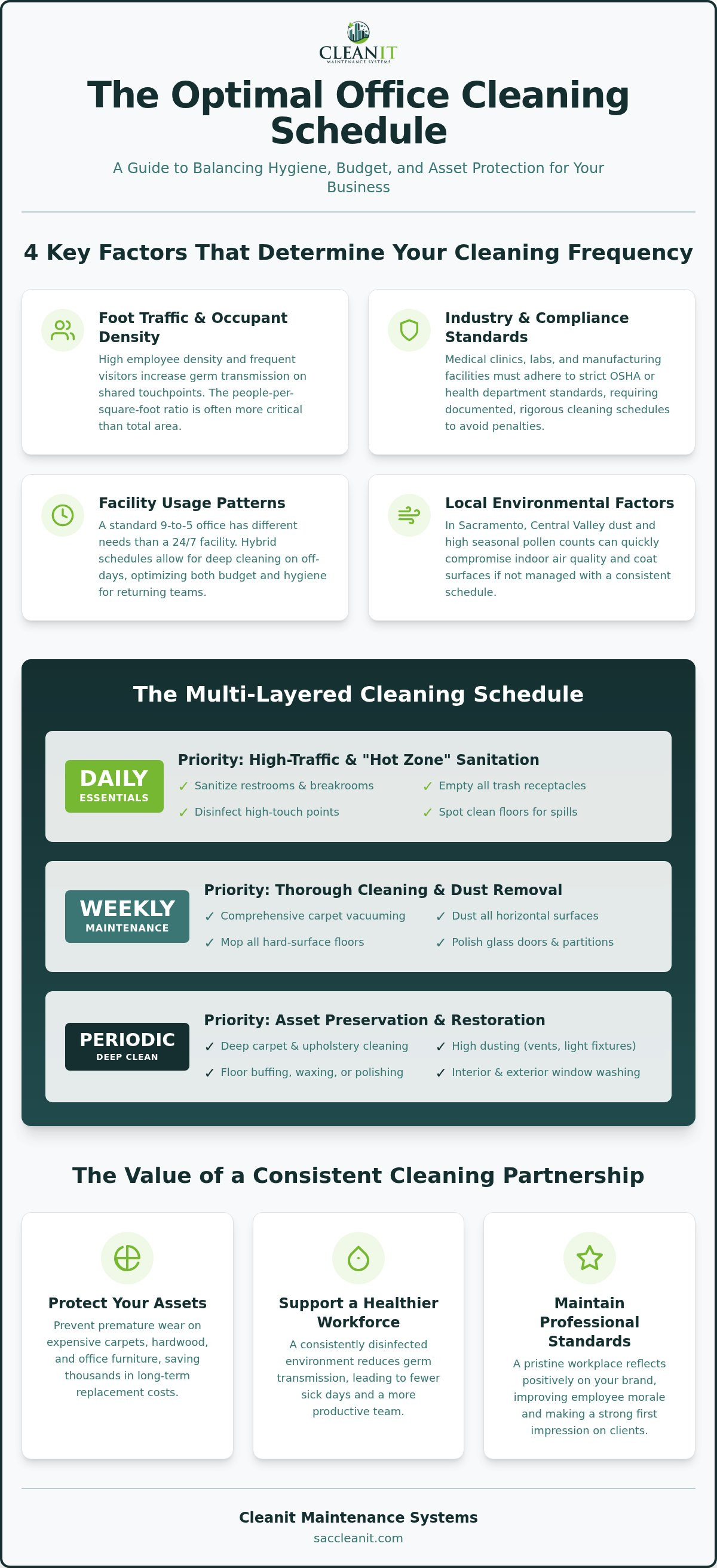
Determining how often should offices be professionally cleaned depends on several dynamic variables that go beyond a simple square footage measurement. While a large, quiet accounting firm might only need light service twice a week, a small, bustling medical clinic in Midtown requires a much more rigorous approach. In Sacramento, we also face the unique challenge of Central Valley dust and high seasonal pollen counts. These local environmental factors can quickly compromise indoor air quality and coat electronics in a fine layer of grit if not managed with a consistent schedule.
Employee density is often a more critical metric than total area. High employee density increases the speed of germ transmission through shared touchpoints like door handles and printer buttons. When more people share the same air and surfaces, the risk of cross-contamination rises significantly. This makes the "people-per-square-foot" ratio a primary driver for your maintenance plan, as it directly impacts the longevity of your carpets and the health of your staff.
Specific industries must adhere to rigid health department or OSHA standards to ensure safety. For these organizations, failing to maintain a documented cleaning frequency can lead to significant penalties or operational shutdowns. Understanding what commercial cleaning entails helps facility managers see that frequency is about protecting both people and property assets over the long term.
To better understand how these variables interact in a professional setting, watch this helpful video:
High-Traffic vs. Low-Traffic Zones
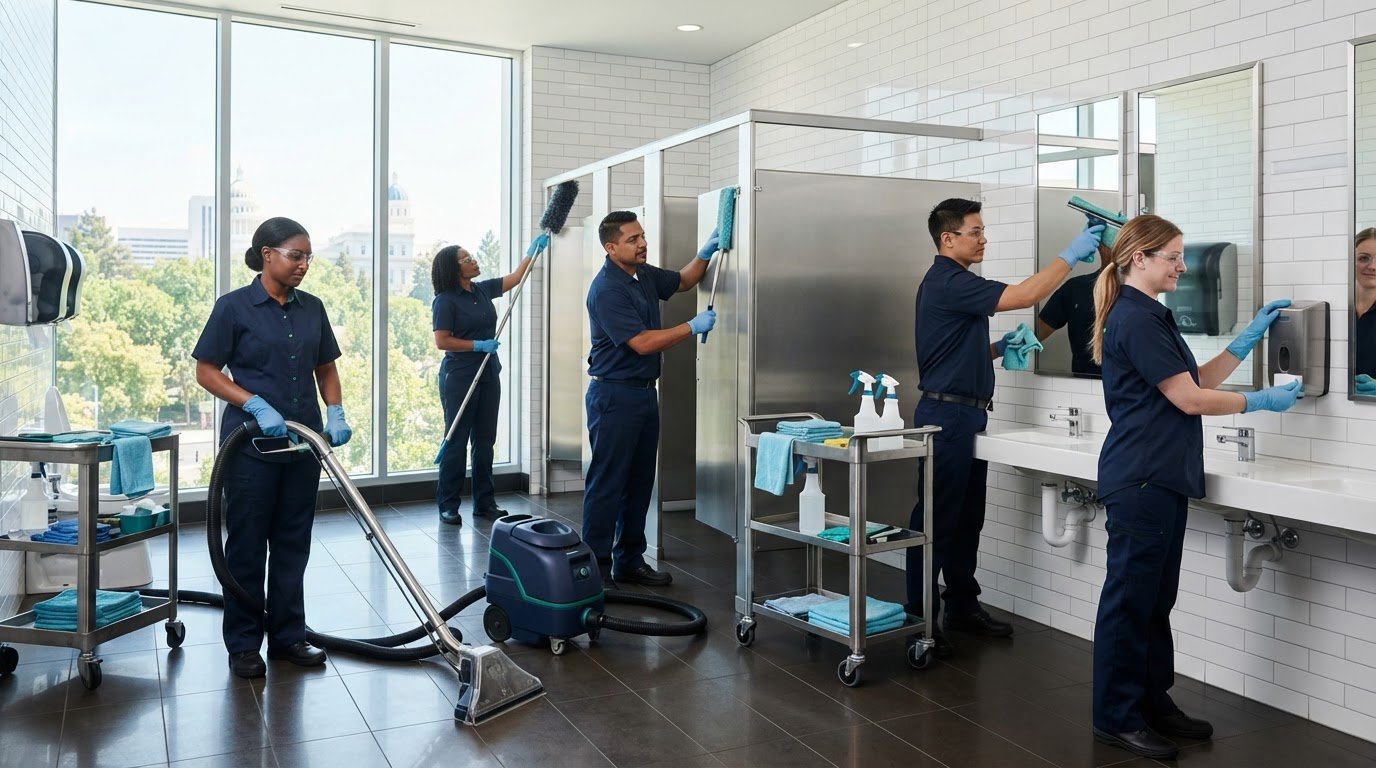
Identifying "hot zones" is the first step in building a reliable schedule. These include lobbies, breakrooms, and restrooms where contact is frequent and unavoidable. Hot zones are specific areas requiring daily disinfection to prevent the spread of bacteria and viruses. If your office shares a building entrance with other tenants, you're also dealing with external contaminants tracked in from the street. This means your internal cleaning needs are often dictated by the foot traffic occurring just outside your suite doors, requiring a more proactive approach to floor maintenance.
Facility Type and Usage Patterns
Usage patterns dictate the intensity and timing of the work. A standard 9-to-5 office has a predictable rhythm, but 24/7 manufacturing facilities or laboratories and clinics demand a constant cycle of sanitation to remain compliant. Even hybrid work schedules change the math for modern businesses. If your team is only in the office three days a week, we can shift resources to focus on deep cleaning during off-days. This ensures the space is pristine and safe for their return while maximizing your budget and ensuring your environment remains in safe hands.
The Standard Cleaning Schedule: Daily, Weekly, and Monthly
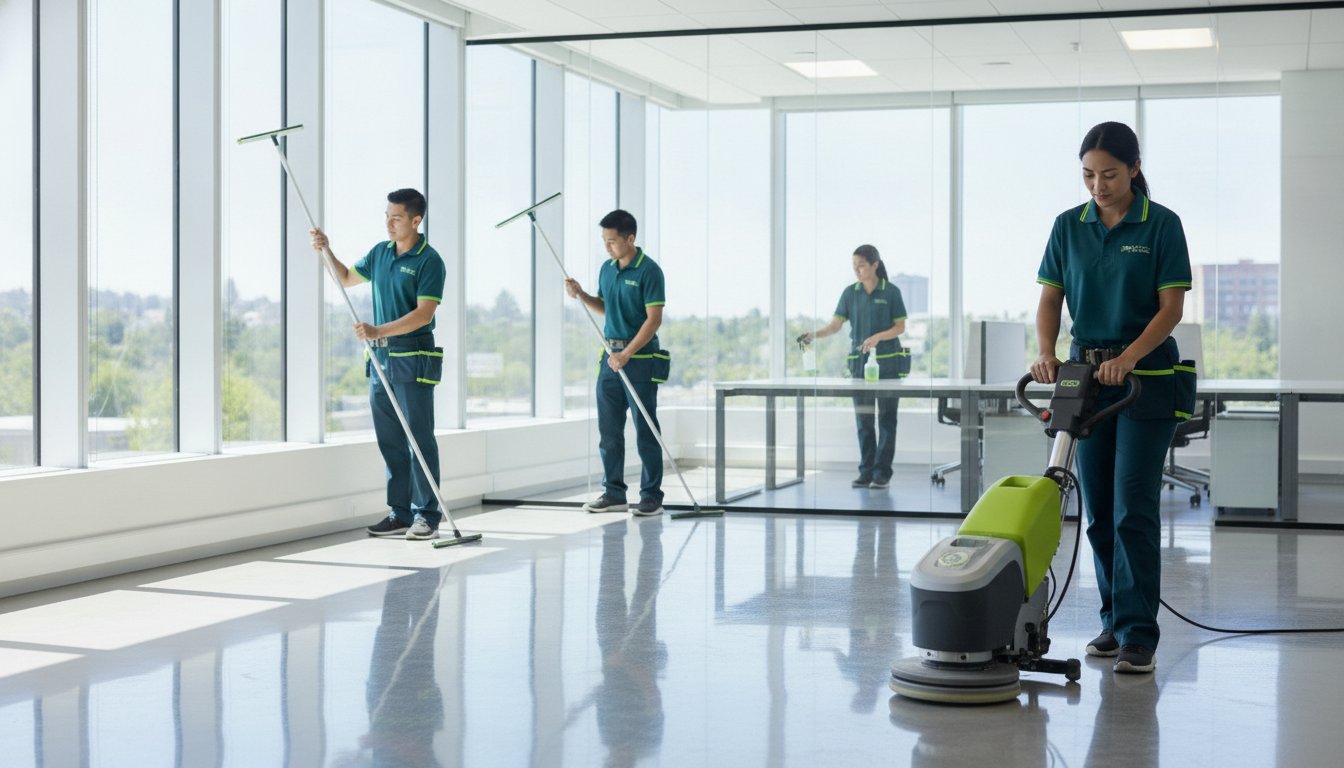
A structured approach to maintenance ensures that your facility remains a productive, welcoming space for both employees and guests. When deciding how often should offices be professionally cleaned , it's helpful to view the schedule as a series of overlapping layers. Daily tasks address immediate hygiene risks, while weekly and monthly services focus on the deeper preservation of the property. For most Sacramento businesses, daily cleaning services have become the modern baseline for maintaining health and professional appearance. This frequency prevents the cycle of visible grime that can negatively impact employee morale and client perception.
Daily Janitorial Priorities
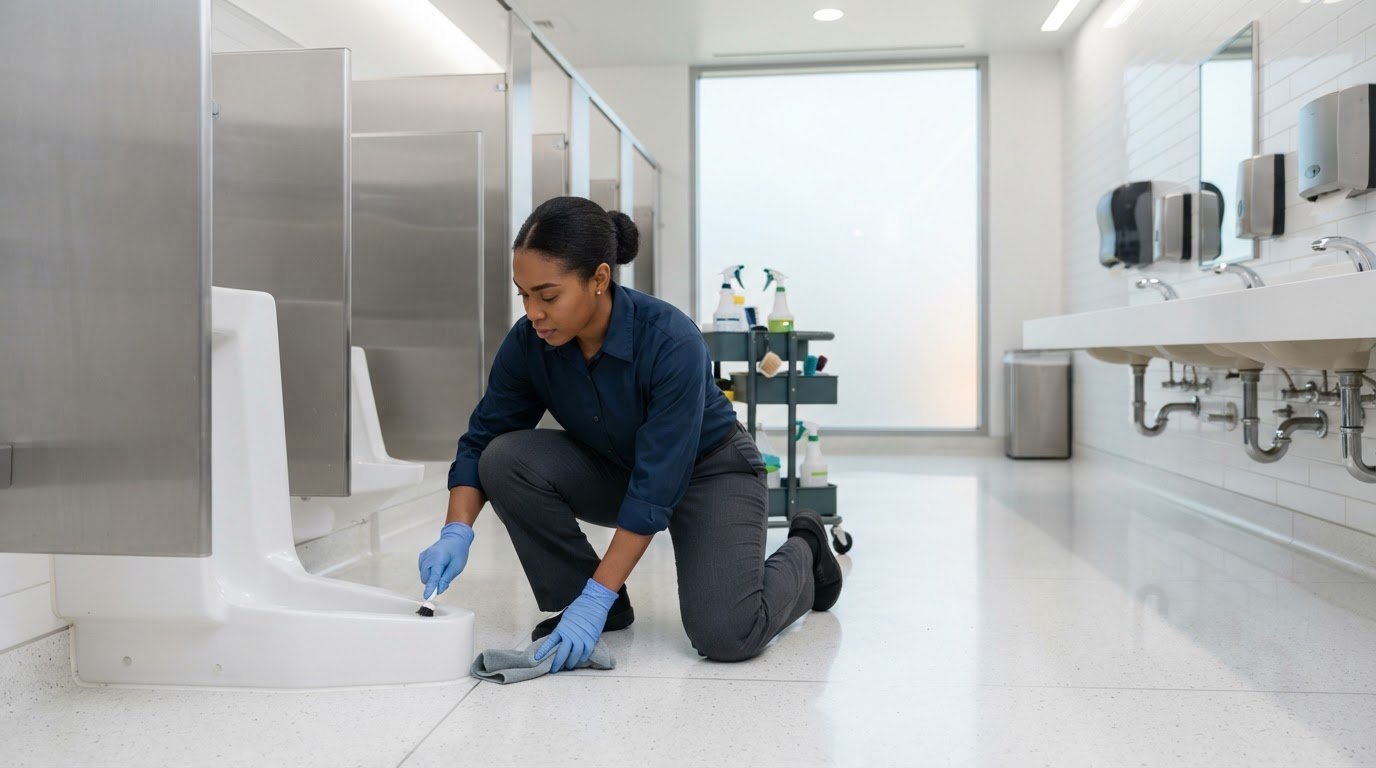
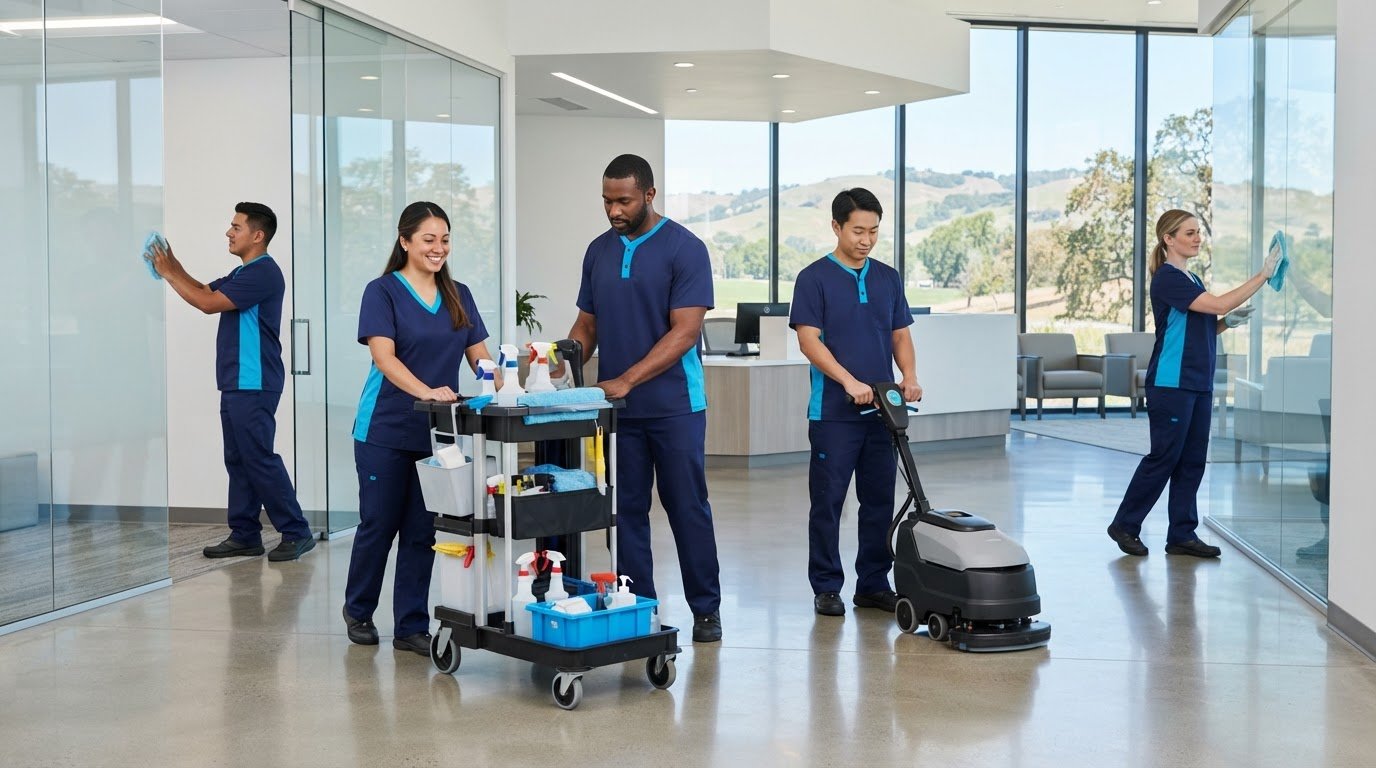
Daily attention is non-negotiable for high-use areas where bacteria and odors can rapidly accumulate. Restrooms and breakrooms require consistent sanitation to meet basic OSHA safety and health standards. Beyond basic trash removal, our teams focus on high-touch point disinfection for elevator buttons, door handles, and shared kitchen appliances. We also prioritize immediate floor spotting for spills. This prevents liquids from penetrating carpet fibers or damaging hardwood, which ultimately saves on long-term replacement costs. Consistent daily wiping of desks and common surfaces ensures that germs are neutralized before they can spread through the workforce.
Periodic Maintenance and Restoration
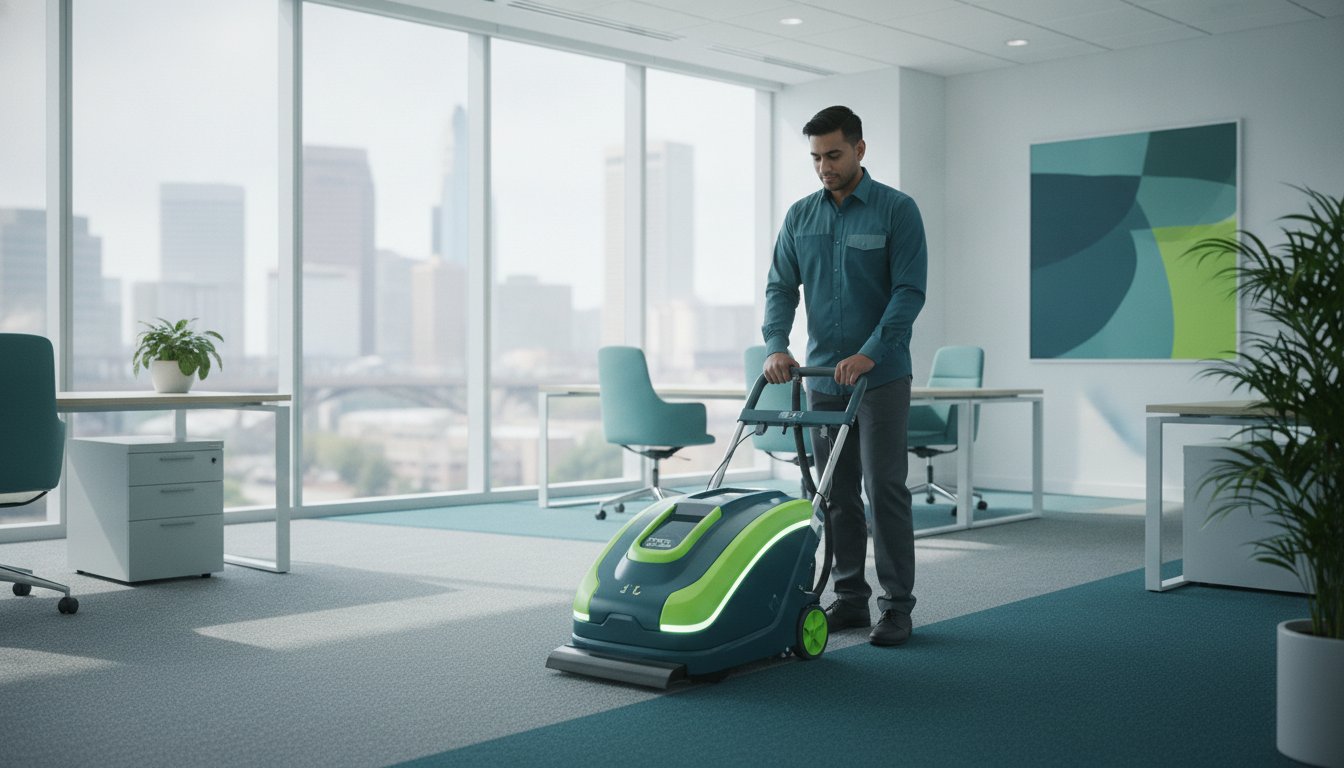
Weekly tasks bridge the gap between daily sanitation and long-term restoration. These include comprehensive vacuuming of all carpeted areas, mopping of hard floors, and dusting of horizontal surfaces that are easily reached. Establishing exactly how often should offices be professionally cleaned allows stakeholders to defend their maintenance budgets with data-driven results. While daily care manages the visible grime, periodic services address the structural integrity of your office. We recommend scheduling commercial carpet cleaning every 6 to 12 months, depending on your building's foot traffic. This deep extraction removes embedded allergens that standard vacuuming cannot reach.
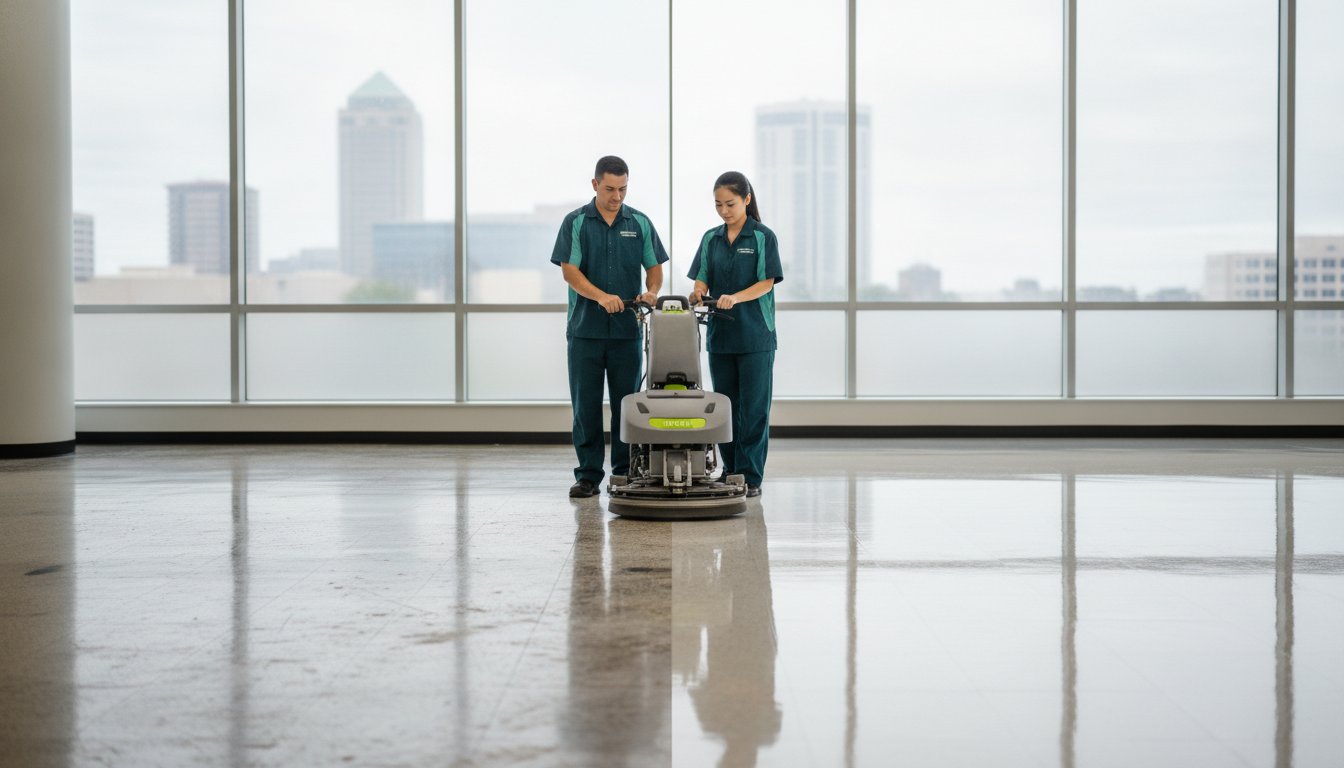
Regular commercial floor maintenance is essential for protecting expensive LVT and hardwood surfaces from the abrasive effects of Sacramento dust. Quarterly deep care tasks should include detailed window washing and baseboard cleaning to remove the fine particulate matter common in the Central Valley. High-dusting of vents and ceiling fans is another vital quarterly task that directly improves indoor air quality. If you aren't sure which frequency fits your specific layout, you can request a professional facility walkthrough to establish a defensible schedule. This methodical approach ensures no corner of your facility is overlooked, providing a consistent standard of excellence.
Industry-Specific Standards: Medical vs. Corporate Offices
Many facility managers make the mistake of treating all commercial spaces as a monolith, yet the requirements for a bustling medical center differ fundamentally from a quiet corporate suite. When determining how often should offices be professionally cleaned , the specific industry dictates not just the frequency, but the very chemistry and methodology used. In medical environments, the standard is set by patient safety and regulatory compliance. In corporate settings, the focus often shifts toward preserving the professional image and the longevity of high-end finishes. This distinction is vital for maintaining a schedule that is both effective and fiscally responsible.
Healthcare Sanitation Protocols
Clinics and laboratories and clinics require non-negotiable daily sanitation to mitigate the risk of healthcare-associated infections. This isn't merely about appearances; it's about deep disinfection of waiting rooms and exam areas where germ transmission is highest. Professional teams must be trained in bio-hazard awareness and specialized waste management to ensure every square foot remains safe. By following the rigorous benchmarks established by ISSA, the worldwide cleaning industry association, we help providers maintain the highest medical office cleaning Sacramento standards. This level of meticulousness builds profound patient trust and supports employee retention by providing a workplace that feels genuinely secure.
Professional Suite Expectations
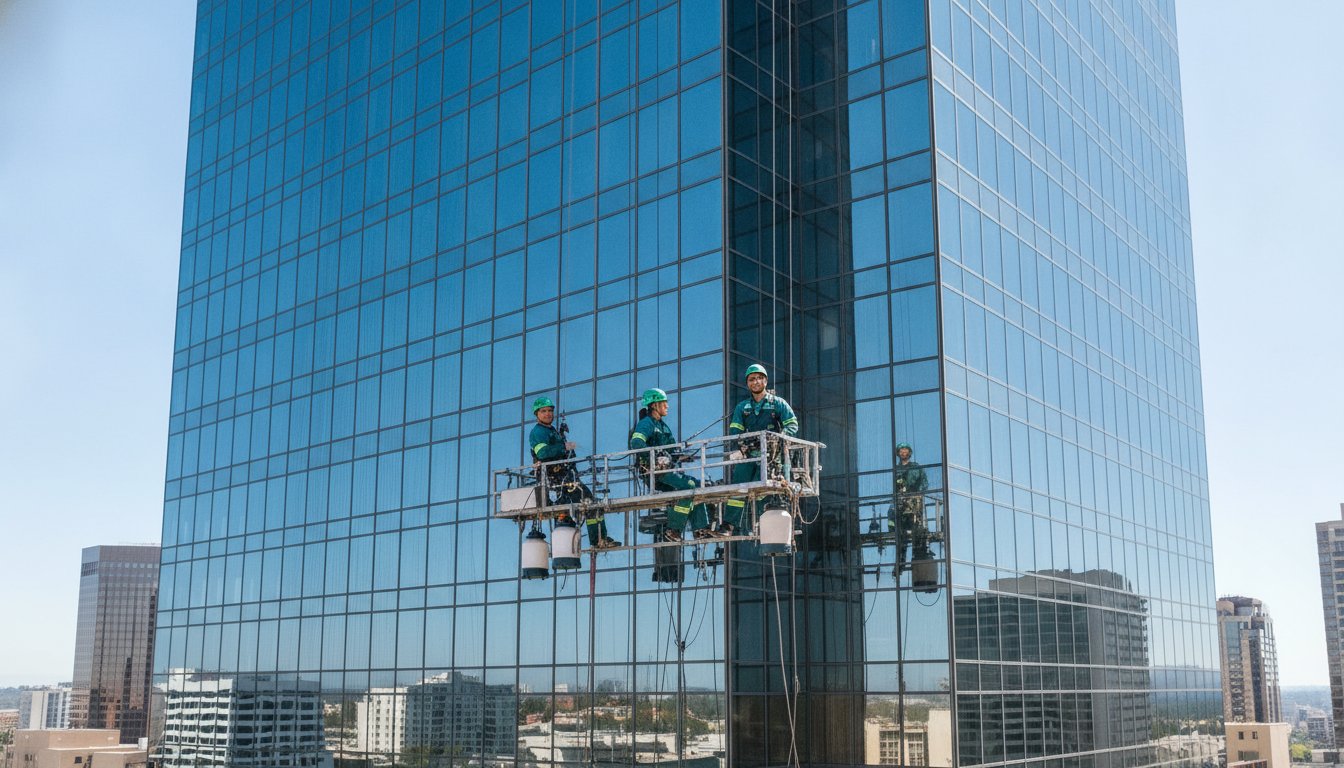
Corporate facilities and office buildings and complexes often balance practical hygiene with an aesthetic "shimmer" that impresses visitors. While daily trash removal and restroom care are essential, the frequency of services like glass cleaning or conference room detailing might be adjusted based on your specific meeting schedule. High-rise offices in the Sacramento area often require more frequent window washing to combat the regional dust common in the Central Valley. When stakeholders ask how often should offices be professionally cleaned in a professional suite context, the answer usually involves a hybrid approach. This focuses on daily disinfection for high-touch areas while scheduling deep care for lobbies and boardrooms to ensure a pristine first impression every morning. A clean lobby isn't just about dust; it's a silent handshake that tells your clients you value excellence.
Signs Your Office Needs More Frequent Professional Cleaning
Even with a structured plan in place, your facility's needs can evolve based on seasonal changes or shifts in staff density. Recognizing the subtle indicators that your current schedule is falling behind is essential for protecting your investment. If you are noticing these red flags, it is time to re-evaluate how often should offices be professionally cleaned to prevent long-term property damage and ensure a healthy workspace. A proactive adjustment now can prevent the need for costly restoration services later.
The 'Eye Test' for Facility Managers
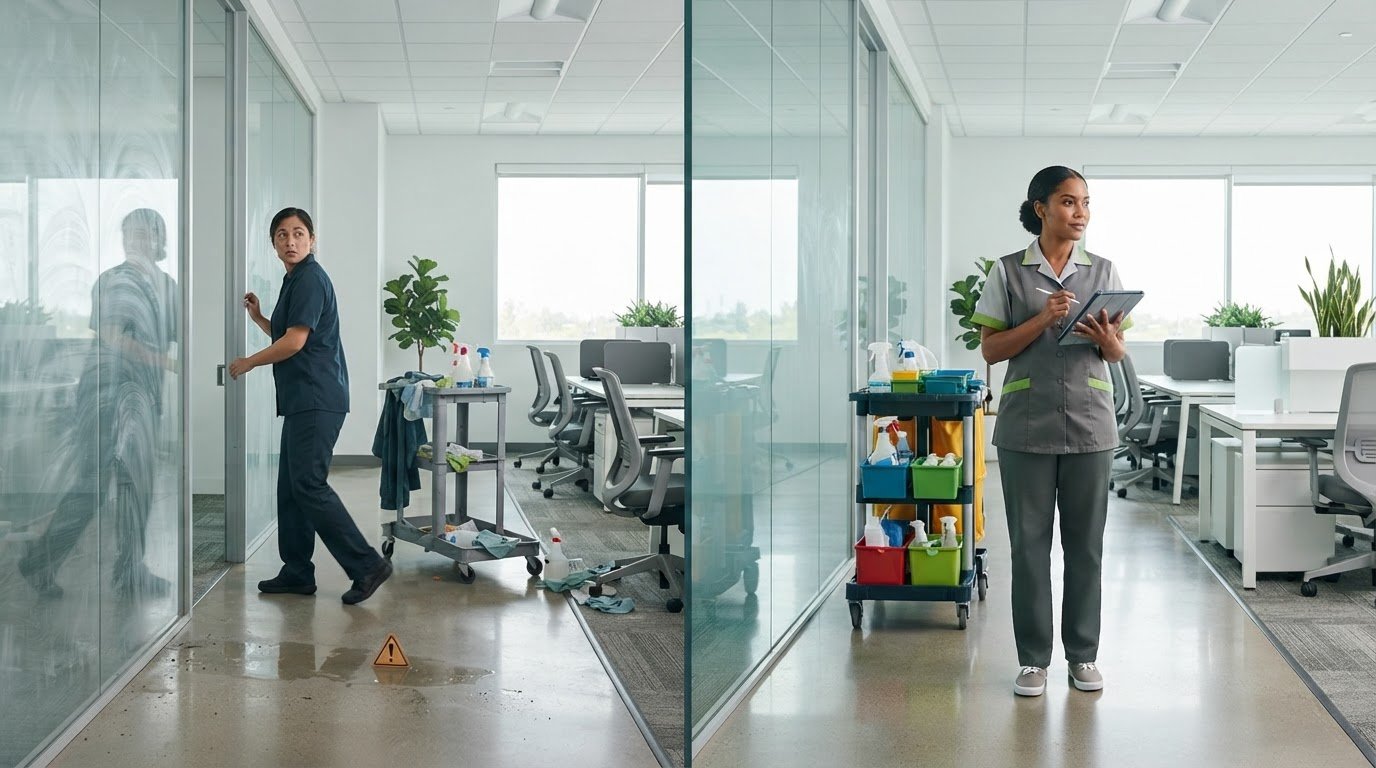
A simple walkthrough often reveals gaps in a cleaning program that has become too infrequent. Look closely at the corners of rooms, ceiling vents, and light fixtures; these are often the first places where neglected dust begins to accumulate. In Sacramento, the fine particulate matter common to the region can quickly coat electronics and horizontal surfaces if not addressed with the right frequency. Evaluate the condition of high-traffic carpet lanes for graying or matting, which suggests that soil is being ground into the fibers faster than it is being removed. Floor scuffs and dull finishes are clear indicators that your maintenance frequency is no longer sufficient to protect the underlying material from daily abrasion.
Employee and Client Feedback
Beyond visible grime, the health and morale of your team provide critical data points. Increased employee absenteeism or frequent reports of "office allergies" often point to a buildup of indoor pollutants and allergens that a standard weekly vacuuming cannot handle. There is a direct psychological link between a clean workspace and professional focus. When employees complain about "stale" air or find that restroom supplies are frequently running out, it creates a sense of operational friction that impacts productivity. For clients, a neglected office suggests a lack of attention to detail that can undermine your professional reputation. Maintaining a higher frequency of office cleanings ensures that your environment remains a tool for recruitment and retention rather than a liability.
If your facility is showing signs of wear or employee complaints are on the rise, contact our team for a professional assessment to restore your office to its highest standard.
Building a Custom Plan with Cleanit Maintenance Systems
Cleanit Maintenance Systems has spent over 30 years serving the Greater Sacramento area. This long-standing local presence has taught us that no two buildings are identical. When you're determining how often should offices be professionally cleaned , you need a partner who looks beyond industry averages to see the specific rhythms of your facility. Our approach is rooted in unwavering reliability and a deep commitment to the community we serve, ensuring that every cleaning plan is as unique as the business it protects.
One often overlooked component of a successful hygiene strategy is the use of Day Porter Services. While nightly janitorial crews handle the heavy lifting of deep sanitation, a day porter ensures that high-traffic zones like lobbies and restrooms remain pristine throughout the working day. This constant attention to detail bridges the gap between deep cleans, maintaining a fresh environment that supports employee focus and health. We also integrate specialized care such as Floor Restoration & Protection and Pressure Washing Service to preserve your building's exterior and interior assets against the Central Valley's unique environmental stressors.
The Strategic Consultation Process
Our process begins with a comprehensive facility walkthrough. We don't believe in cold sales pitches; instead, we offer a strategic consultation to assess your unique traffic patterns and occupant density. This allows us to develop a scalable schedule that grows alongside your business. By tailoring our office cleaning services to your precise needs, we ensure that you're never overpaying for unnecessary visits while never compromising on safety. Consistent quality control and transparent communication are the pillars of every partnership we build, providing you with a defensible maintenance plan for all stakeholders.
Your Partner in Sacramento Facility Care
Choosing a local expert means working with a team that understands Sacramento's unique building challenges, from seasonal allergens to the specific needs of medical and manufacturing suites. Our personnel are thoroughly vetted and highly disciplined, giving you the peace of mind that your environment is in safe hands. We pride ourselves on the strength of our professional relationships and our ability to remove the operational burden of facility maintenance from your shoulders. We position ourselves as a pillar brand that values hard work and consistency above all else. To establish the ideal schedule for your property, contact Cleanit Maintenance Systems for a customized frequency assessment.
Establishing Your Standard for a Healthy Workplace
A professional cleaning schedule is more than a routine; it's a strategic investment in your facility's health and longevity. By balancing the specific traffic patterns of your building with industry-specific regulations, you can create an environment that fosters productivity and protects your most valuable assets. Whether you're managing a high-stakes medical clinic or a bustling corporate suite, understanding how often should offices be professionally cleaned ensures your maintenance budget remains both effective and defensible. This proactive approach prevents the accumulation of Sacramento dust and the spread of illness before they impact your bottom line.
With over 30 years of Sacramento cleaning expertise and specialized medical-grade sanitation protocols, Cleanit Maintenance Systems is here to provide the unwavering reliability your business deserves. Our A+ reliability rating from local facility managers reflects our commitment to meticulous care and community trust. We invite you to Request a Professional Cleaning Frequency Assessment to build a custom plan tailored to your facility's unique needs. Let's work together to ensure your office remains a safe, welcoming space for your employees and clients alike.
Frequently Asked Questions
Is daily office cleaning really necessary for small businesses?
Daily cleaning is essential for any business that maintains shared restrooms or kitchen areas, regardless of the total staff count. Even in small offices, bacteria and grime accumulate quickly on high-touch surfaces like door handles and light switches. Maintaining a daily rhythm ensures these common areas remain sanitary and prevents small spills from becoming permanent stains, which protects your professional image and the health of your team.
How often should office carpets be professionally steam cleaned?
Professional carpet cleaning should typically occur every 6 to 12 months to remove deeply embedded allergens and preserve the integrity of the fibers. Facilities in Sacramento with high foot traffic or those located near dusty construction zones may require service every 3 to 4 months. This proactive maintenance prevents soil from acting as an abrasive against the carpet backing, which ultimately extends the life of your flooring investment.
What is the difference between general cleaning and disinfection?
General cleaning involves the physical removal of visible dirt, dust, and debris, whereas disinfection uses specialized chemicals to kill pathogens on surfaces. Both processes are necessary for a healthy workplace; cleaning must occur first so that disinfectants can work effectively. This two-step approach is a cornerstone of reliable sanitation, ensuring that surfaces aren't just visually clean but are also biologically safe for your employees.
Can a professional cleaning schedule reduce employee sick days?
A disciplined cleaning schedule can significantly reduce employee absenteeism by neutralizing germs in communal areas before they spread. When high-touch points like breakroom counters and printer buttons are sanitized daily, the risk of cross-contamination among staff drops. Improved indoor air quality from regular dusting and vacuuming also reduces respiratory irritations, helping your workforce stay healthy and focused throughout the year.
How do I know if my current cleaning company is doing a good job?
Quality cleaning is defined by consistency and attention to detail in areas that are easily overlooked, such as vents, baseboards, and the corners of restrooms. You should also evaluate whether supplies are consistently stocked and if floor finishes remain bright rather than scuffed. If you find yourself wondering how often should offices be professionally cleaned because the space looks neglected by mid-week, it may indicate a breakdown in your current provider's standards.
Should we increase cleaning frequency during flu or allergy season?
Increasing the frequency of high-touch point disinfection and air vent dusting is highly recommended during peak flu and allergy months. Sacramento's high pollen counts can exacerbate respiratory issues, making it necessary to remove allergens from horizontal surfaces more frequently. Adding a day porter during these seasons ensures that shared spaces remain sanitized throughout the day, providing an extra layer of protection when your team is most vulnerable.
How often should office windows and exteriors be washed in Sacramento?
Quarterly window washing and pressure washing are generally sufficient for Sacramento buildings to combat the persistent Central Valley dust. However, properties located near high-traffic corridors or agricultural areas may require monthly exterior care to maintain a professional appearance. Regular washing prevents environmental pollutants from etching into the glass, which preserves the clarity of your windows and the overall curb appeal of your facility.
Does the number of employees directly dictate the cleaning schedule?
Occupant density is a primary factor, but it is not the only variable that determines how often should offices be professionally cleaned . You must also consider the volume of outside visitors, the specific industry regulations you follow, and the layout of your space. A small clinic with high patient turnover often requires more frequent sanitation than a larger corporate office with fewer employees, as each visitor introduces new potential contaminants.