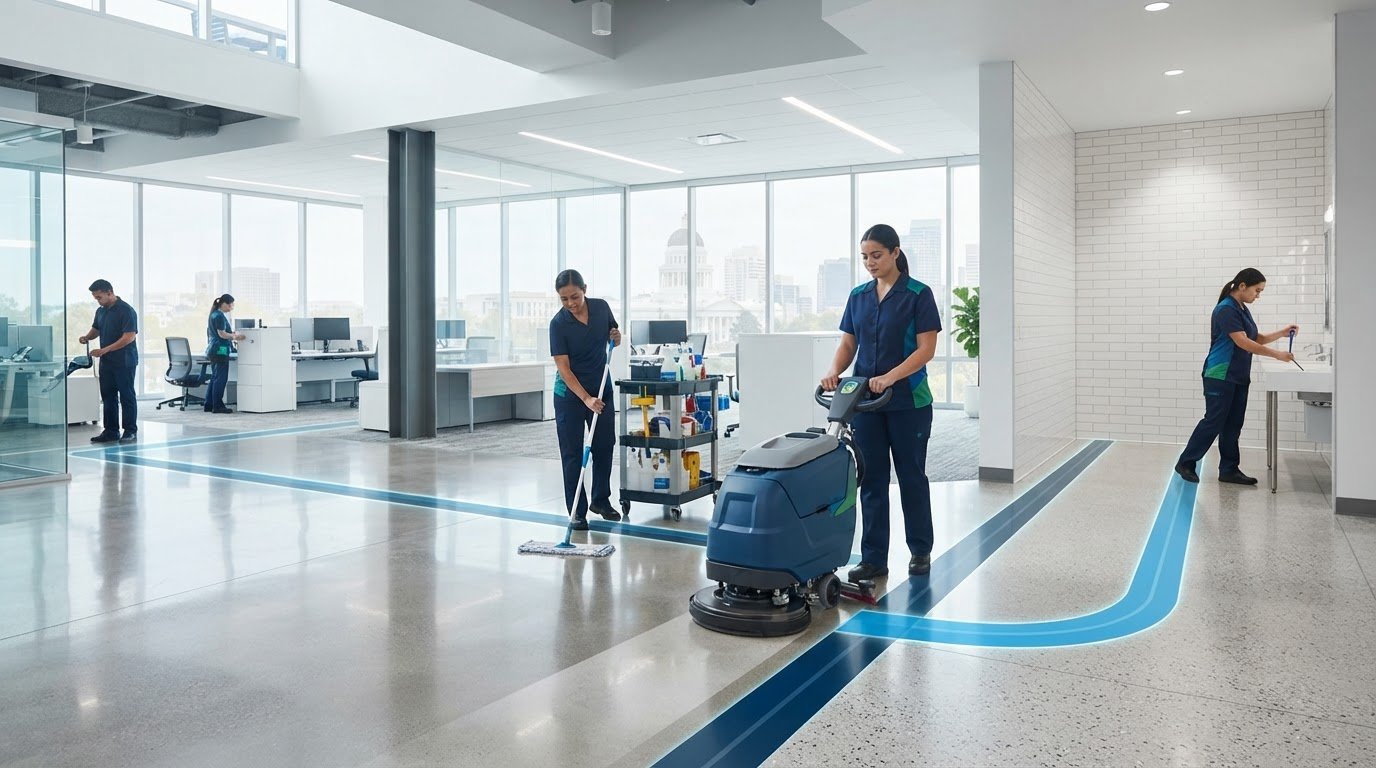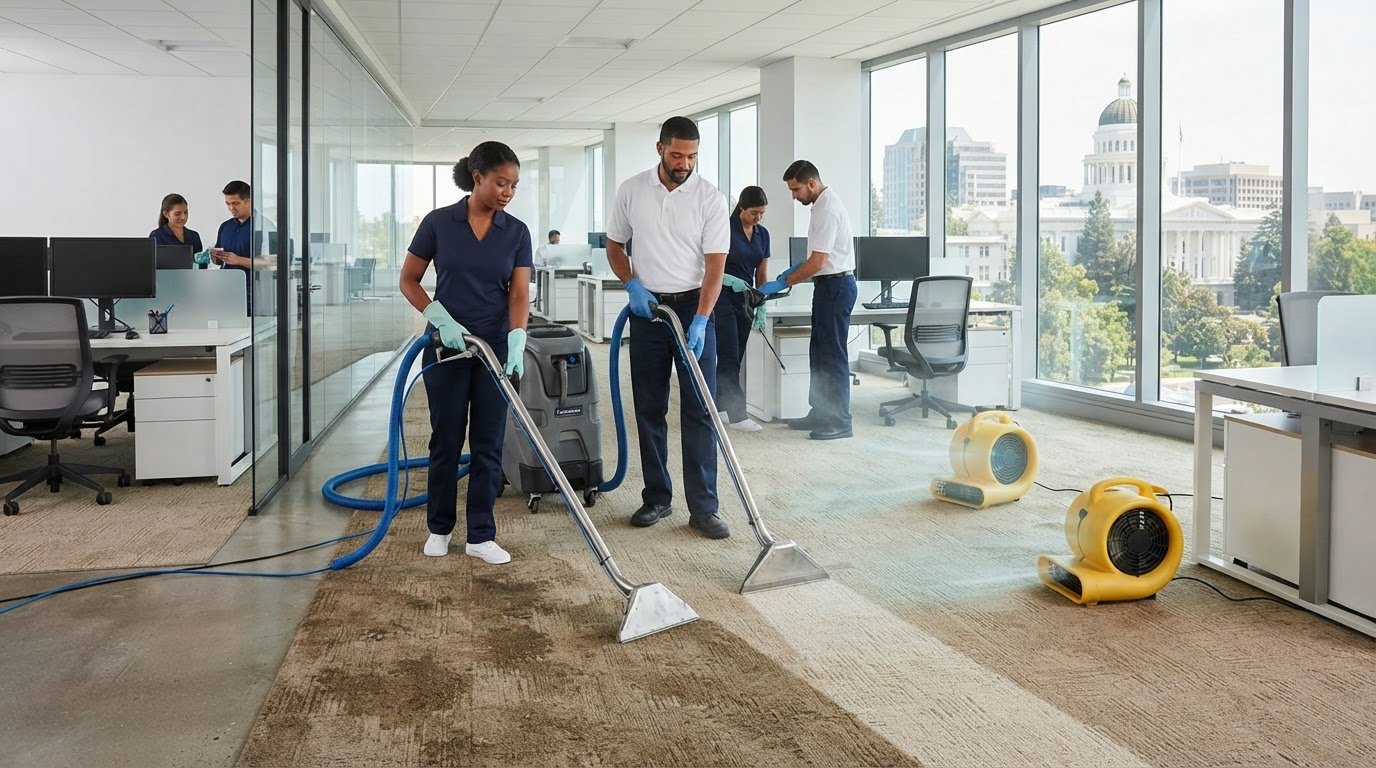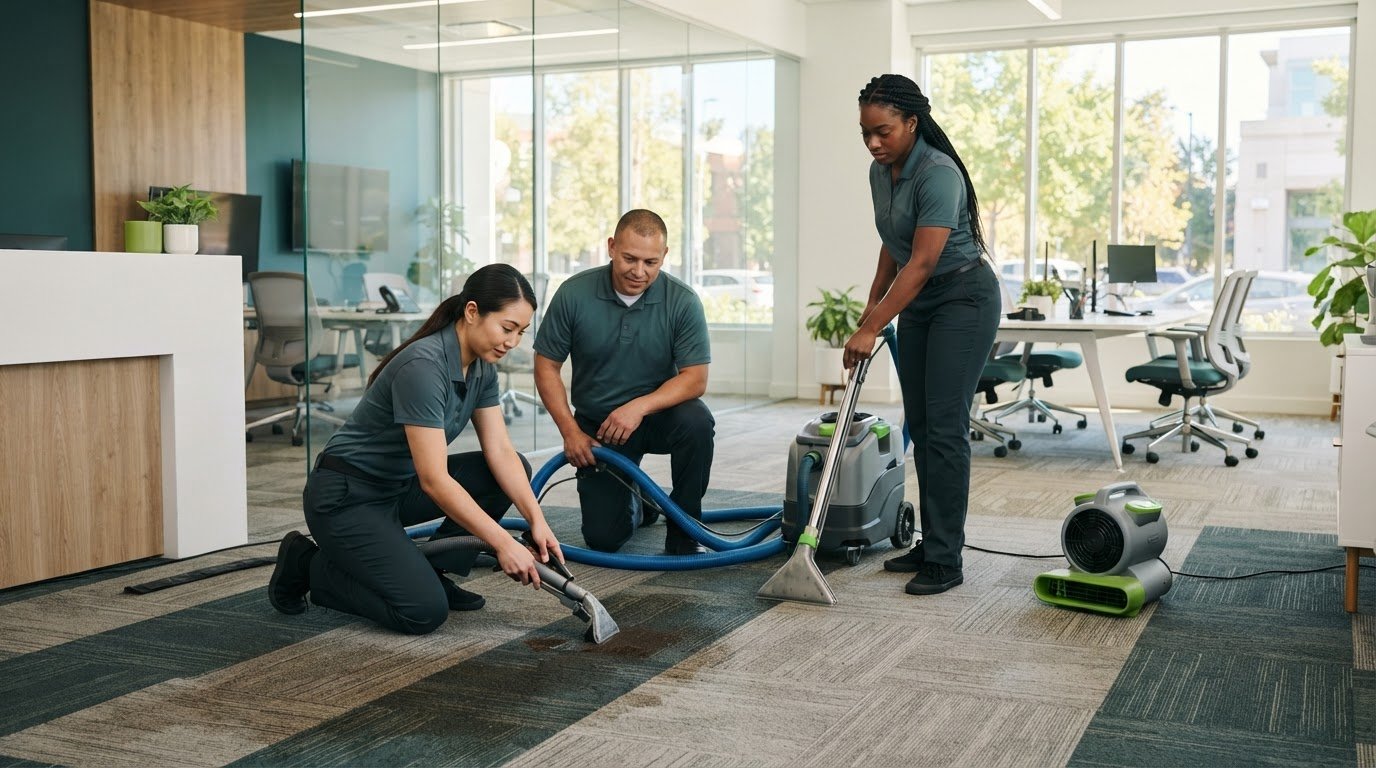
A spotless lobby can hide a janitorial service that’s falling short elsewhere. Signs you need a new janitorial service include recurring missed tasks, visible dirt or odors, unclear charges, weak inspection follow-through, and frequent staffing changes. If two or more warning signs sound familiar, compare your current service with alternatives.
It’s reasonable to expect consistent cleaning, understandable costs, and clear responses to concerns. This guide will help you distinguish occasional oversights from patterns of underperformance. You’ll learn what to check in cleaning quality, pricing, inspections, and staffing, and how to track recurring issues. An evidence-based review can help you decide whether to address specific gaps or switch to a service that better supports your workplace.
Key Takeaways
- Track recurring missed tasks, visible dirt, odors, and complaints to distinguish a pattern from an isolated oversight.
- Review whether the service proposal clearly lists included tasks, cleaning frequency, and total cost so you can spot unexpected charges.
- Look for written checklists, scheduled inspections, and follow-up that shows whether reported problems are being resolved.
- Pay attention to frequent staff changes and whether cleaning standards remain consistent as new team members take over.
- If two or more warning signs persist, use your records to decide whether to address specific gaps or consider a different service.
1. Inconsistent cleaning quality
Recurring missed tasks are among the clearest signs you need a new janitorial service. Look for patterns across multiple walkthroughs, not one dusty surface. For example, note whether the same restroom runs out of supplies, lobby corners repeatedly collect debris, or trash remains after scheduled cleaning. Recurring problems can point to gaps in staff training, supervision, or the cleaning plan.
How often should a commercial facility be cleaned? The schedule should reflect building traffic, how quickly areas get soiled, and the tasks each space requires. A busy restroom may need attention more often than a rarely used conference room. Set routine and deep-cleaning tasks on a clear checklist and schedule, then adjust them when occupancy or operational needs change.
Equipment and methods affect results, too. Dusty desks, smudged windows, and streaked floors may indicate rushed work, unsuitable tools, or equipment that needs maintenance. Microfiber cloths and mops generally remove dust and dirt more effectively than traditional materials. Compare shared spaces after service, recording specific examples such as residue on a break-room counter or debris along carpet edges.
A reliable cleaning program should fit the facility, rather than use the same task list everywhere. Match duties to operational needs, such as keeping reception presentable during visitor hours or maintaining restrooms throughout the workday. A checklist can show which areas need daily attention and which need periodic deep cleaning. The CDC recommends regularly cleaning high-touch surfaces and disinfecting areas where someone has been sick.
Staff preparation matters, too. Frequent turnover can leave new team members unfamiliar with building requirements, from alarm procedures to sensitive work areas. Ask whether cleaners receive facility-specific training and whether the company conducts background checks. These practices support continuity and help prevent instructions from being missed as staffing changes.
Use a simple walkthrough to make cleaning quality visible. Check restrooms, common areas, desks, floors, and waste stations against the agreed task list. Record each missed item, its location, and the date, then compare findings across visits. Three or more failed walkthrough items are a reason to question the cleaning service. Ask for a corrective action and track whether the problem returns. Measures such as completed checklist tasks and repeat complaints make performance easier to discuss.
2. Transparent pricing and unexpected charges
A commercial cleaning quote should clarify what your organization pays for and what falls outside the agreed scope. Compare the written proposal with recent invoices. If routine restroom cleaning appears on the service schedule and as a separate charge, ask for an itemized explanation. Repeated charges for work the agreement includes can make budgeting difficult and weaken the working relationship.
A janitorial services contract should specify included tasks, cleaning frequency, and total cost. It should also explain how to request extra work, how changes affect charges, and what cancellation notice or termination process applies. If you decide to end service, follow the procedure in the agreement.
Review the scope line by line before signing or renewing. For example, a proposal might include vacuuming and restroom cleaning but exclude window washing or periodic floor care from recurring service. Check that each task has a frequency, whether it is routine or arranged periodically. Clear descriptions prevent different interpretations during invoice reviews and service meetings.
Costs depend on the facility’s size, cleaning scope, service frequency, and operating schedule. A space needing daily attention across busy shared areas has different requirements from one with limited-use rooms and fewer scheduled tasks. A commercial cleaning price depends on the case and is provided after a quote request, with the scope, frequency, facility size, and schedule informing the amount. Compare proposals using the same task list, not just the bottom-line total.
Check how the written estimate handles changes. If your organization adds an area, changes cleaning frequency, or requests a one-time task, the agreement should explain how the scope and charges will be updated. Keep the revised schedule and approved changes together, then compare them with invoices regularly. This record can show whether a new charge reflects agreed work or an unexplained difference.
How do you find licensed, insured, and reputable janitorial services near you? In Sacramento, review whether a company can provide proof of business licensing, liability insurance, and workers’ compensation coverage. These documents clarify protections if a cleaner is injured on your property or cleaning damages furnishings or equipment.
One unclear invoice may call for a direct discussion. Recurring unexplained charges, vague scope, or missed follow-up point to a deeper transparency problem. Track the invoice date, disputed item, relevant contract language, and response. If the explanation still doesn’t match the agreement, compare the terms and scope before deciding whether to switch. A clear record keeps the decision focused on service and accountability, not assumptions.
3. Inspection reports and quality control
Inspection reports make cleaning services accountable for specific work, not general impressions. A useful report identifies the area inspected, the task reviewed, any missed work, and the action taken. For example, “break-room tables wiped” is clearer than “break room checked.” If reports don’t identify locations or corrections, it’s difficult to connect recurring problems with an effective response.
Look for a written checklist that reflects your workplace and service agreement. Restrooms, entrances, meeting rooms, and shared equipment have different cleaning needs. An inspection should show which tasks were completed and which need attention. Scheduled inspections can also reveal patterns, such as missed waste removal in one area or recurring residue on a lobby floor.
Reports should record observations clearly enough for the cleaning team and your facility contact to act. Note the date, location, issue, and follow-up. “Restroom supplies low” is more useful when the report identifies which restroom and whether it was restocked. Consistent detail lets you compare inspection findings without relying on memory or scattered emails.
Quality control means correcting problems, not just documenting them. When an inspection finds a missed task, the report should identify the corrective action and whether the issue was resolved. If the same conference-room surfaces are repeatedly overlooked, instructions may be unclear or supervision weak. A useful review connects the finding to a change in the work process.
Regular communication gives you a chance to address concerns before they grow. Set a check-in routine with a named contact who understands the building, then share specific examples from inspection records. For instance, report which floor had missed vacuuming and when it occurred. A responsive cleaning partner should seek feedback, discuss the concern, and follow up on the agreed correction.
Use performance measures that reflect actual service needs. A simple review can compare checklist completion, repeated complaints, and the time taken to resolve reported issues. These measures make satisfaction more concrete than a general question about whether cleaning feels adequate. Ask for regular reports and recommendations when inspections reveal recurring gaps or changes in facility use.
Safety and compliance processes belong in the quality discussion, too. Ask for clear information about how the cleaning team handles site-specific procedures, restricted areas, and changes to the work plan. If reports are consistently absent, inspections lack a clear schedule, or concerns receive no follow-up, accountability may be lacking. Keep inspection notes together, review them at service meetings, and use the documented pattern to decide whether the arrangement meets your workplace’s needs.
4. Staff turnover and service consistency
Frequent crew changes can disrupt office cleaning even when the task list stays the same. New employees may not know which conference rooms need extra attention or where supplies belong. They may also miss building-specific instructions, producing uneven results between visits. A staff change alone doesn’t prove poor service, but recurring changes without a clear handover deserve attention.
Track what changes after a familiar cleaner leaves. Compare your usual notes on restroom restocking, entryway floors, and break-room surfaces with observations after new staff take over. If the same details are repeatedly missed, the company may not be transferring site knowledge or reinforcing expectations. Record dates and affected areas so you can discuss a pattern rather than rely on a general impression.
Turnover can also create practical concerns when different people regularly access your building. Pay attention to whether personnel changes and schedule adjustments are communicated clearly. Without notice, your team may not know who is working onsite or whether a scheduled visit will happen. Treat repeated, unexplained changes as a red flag, especially when they coincide with missed tasks or unanswered concerns.
Continuity improves when a cleaning company invests in training and employee development. Facility-specific orientation can cover room priorities, access procedures, approved cleaning methods, and how to report problems. Experienced team members can pass those details along during a handover. Ask for a clear process for introducing replacements, then note whether new cleaners follow established instructions on subsequent visits.
A named vendor contact can make service coordination more dependable. That contact should know your building, understand cleaning expectations, and check in regularly. If your usual restroom or lobby routine changes, a familiar point of contact can help keep instructions consistent. Without clear ownership, concerns can pass between unfamiliar staff without resolution.
Distinguish normal staffing adjustments from persistent service problems. Review your records for links between personnel changes and recurring missed work, schedule confusion, or repeated explanations of the same expectations. Bring specific examples to a service meeting and agree on how handovers, staff updates, and follow-up will work. If the issues continue, turnover may be contributing to a broader consistency problem rather than a temporary adjustment.
Reliable service depends on both the people assigned and the systems supporting them. Note whether the team understands your facility’s priorities, communicates changes, and maintains the agreed routine. When these basics repeatedly fail, the pattern can help you decide whether the arrangement still meets your workplace’s needs.
5. Signs of substandard janitorial service
Common signs that a janitorial service isn’t meeting expectations include recurring complaints, visible dirt or odors, missed tasks, and poor communication. A cleaning company may also miss scheduled visits without notice or fail to explain personnel changes. Follow up on an isolated lapse, but review repeated problems against the agreed standards.
Consider feedback from the people who use the workplace. Employees may report lingering restroom odors, overflowing waste bins, or dirty break-room counters after service. Record each issue’s location and date, then compare reports with the cleaning schedule. A written record helps distinguish an occasional oversight from inconsistent janitorial work.
Poor cleaning can also affect health and safety. Dust-free surfaces don’t necessarily mean an area is free of germs, and improper use of cleaning chemicals can undermine results or pose health risks. The Centers for Disease Control and Prevention recommends regularly cleaning high-touch surfaces and disinfecting areas where someone has been sick. Check whether service practices address the surfaces and situations relevant to your facility.
Communication is another clear measure. A dependable provider explains schedule or personnel changes, gives you a clear way to report concerns, and follows up after problems are raised. An occasional slow reply during a busy period isn’t necessarily a red flag. Regularly ignored emails, unanswered calls, or repeated requests without resolution suggest weak accountability.
- Compare completed work with the scheduled service days, noting any unannounced absences.
- Log recurring complaints by area, such as restrooms, lobbies, or shared kitchens.
- Record whether the cleaning company responds and confirms that reported issues were resolved.
- Review whether staff treat occupants courteously and follow site instructions.
Use the records to judge the pattern, not just the most recent visit. The guidance for this review is practical: compare the current office cleaning service with alternatives when two or more warning signs are familiar. That doesn’t mean every complaint requires a change. It means repeated problems deserve a decision based on documented results, clear expectations, and whether corrective conversations lead to improvement.
Recurring missed visits, visible dirt, poor communication, and complaints can undermine confidence in a cleaning arrangement. If employees feel their workplace is neglected, morale and job satisfaction may suffer. Identify the service standards that matter most, then compare them with the pattern in your notes. A provider’s response to documented concerns can show whether the problem is being addressed or simply recurring.
If repeated cleaning issues are affecting your facility, discuss your janitorial service needs and the standards your workplace requires.
Cleanit Maintenance Systems: Commercial Janitorial
Cleanit Maintenance Systems provides commercial janitorial services for workplaces that need dependable cleaning routines and consistent attention to shared spaces. Its office cleaning and daily cleaning services support facilities with recurring tasks, while day porter services address needs that arise during the workday. These options can help when documented concerns point to missed duties, changing cleaning requirements, or a need for more regular support. Discussing your facility’s priorities can help identify an appropriate scope and schedule. Contact Cleanit Maintenance Systems to discuss your commercial cleaning needs.
Set a Clear Standard for What Comes Next
Recognizing the signs you need a new janitorial service matters when it helps you make a practical decision. Use your observations to define what a well-maintained workplace should look like, which tasks matter most, and how service concerns should be handled. That gives your next conversation a clear purpose and helps you move forward with confidence.
Cleanit Maintenance Systems provides commercial janitorial, office cleaning, and daily cleaning services. If your current arrangement no longer fits your workplace’s needs, consider whether these services suit the routine and support you’re looking for. A straightforward discussion can help you describe your priorities and explore an appropriate next step.
Contact Cleanit Maintenance Systems to discuss your cleaning needs. A thoughtful review today can help you build a more dependable plan for the workplace ahead.
Frequently Asked Questions
How do I know if my cleaning provider is underperforming?
Look for repeated gaps between the agreed work and what employees find each morning. Signs you need a new janitorial service may include complaints that return after discussions or cleaning that fails to support daily operations. In Sacramento, compare observations from similar workdays, since visitor traffic and scheduled events can affect a space’s condition. A consistent pattern matters more than one unusually busy day.
How do you know if your commercial cleaner is doing a good job?
A commercial cleaner is doing a good job when the facility remains usable and presentable for its intended activities. Check the space during the workday, not only just after cleaning. If a busy entrance becomes messy before visitors arrive, for example, the service plan may not match how the building is used. Ask employees in different areas for specific observations, then compare them with your expectations.
What should a facility manager expect from a high-quality cleaning partner?
A facility manager should expect the cleaning team to understand how the building operates and communicate in ways that support smooth coordination. Cleaners should know which rooms are restricted, how to report maintenance concerns, and which surfaces need special handling. In Sacramento workplaces with changing occupancy, the cleaning plan should reflect operational needs. A practical partner treats facility instructions as part of the work, not an afterthought.
Why is consistency important in commercial cleaning?
Consistency supports the routines employees and visitors rely on throughout the workweek. If a shared kitchen is clean one day but repeatedly neglected the next, staff may lose confidence in the service and spend time addressing it themselves. Consistent methods also help preserve facility-specific knowledge, such as which surfaces need particular care. The workplace should feel reliably maintained, not unpredictably attended.
How can you tell if a cleaning company is missing tasks or cutting corners?
Check details people often overlook, such as edges behind doors, the undersides of tables, and touchpoints around shared equipment. A quick visual review can show whether work is complete or limited to the most visible areas. Compare the same locations across visits and note recurring residue, untouched surfaces, or misplaced supplies. Specific examples make concerns easier to explain.
What cleaning quality standards should commercial janitorial services meet?
Standards should match the written service scope, facility use, and manufacturer guidance for cleaning products and surfaces. A floor-care method suitable for tile, for example, may not suit every flooring material. Set clear expectations for appearance, task completion, and sensitive areas, then make sure the cleaning plan reflects them. In Sacramento, businesses should also account for seasonal changes that can bring more soil into entrances.
What should businesses compare when choosing a new janitorial service?
Compare each proposed scope with your building’s actual needs, including task descriptions, service frequency, communication practices, and specialized cleaning requirements. A shorter proposal may omit work employees expect, so compare details rather than broad service labels. For a Sacramento office, consider visitor traffic, shared spaces, and operating routines. A well-matched scope makes expectations easier to manage from the start.
How do you evaluate janitorial service performance and response times?
Track each concern from the first message through acknowledgment, action, and confirmation that it’s resolved. Rather than relying on a general impression of responsiveness, note when you sent a request and what follow-up occurred. Agree on how urgent issues differ from routine requests, since a restroom supply concern may need different handling from a future schedule adjustment. Reviewing these records together helps assess both service and communication.