

Office carpet stain removal in Sacramento has no fixed timeline. The time on site depends mainly on the area’s size and how deeply stains have set. Cleaning and drying are separate parts of the schedule, so account for both when planning around staff and office use.
A stain in a busy workplace affects more than appearance. Knowing what can lengthen the job, how commercial stain treatment usually works, and how to schedule service can help limit disruption.
This guide explains what affects cleaning and drying time, what to expect during commercial carpet stain removal, and how to plan the work. You’ll also learn why prompt attention can help prevent a spot from becoming a larger maintenance concern and how to plan the next step for your office.
Key Takeaways
- Plan carpet cleaning around both the work itself and the time needed for carpets to dry, considering the area and the condition of the flooring.
- Match the cleaning plan to your office’s location, layout, and day-to-day use so service fits the workplace’s needs.
- Address stains based on their type and how deeply they have settled, rather than treating every spot the same way.
- Use entryways and other high-traffic areas as cues for where dirt buildup and visible wear may need closer attention.
- When comparing cleaning companies and reviews, look for clear communication about the work, scheduling, and how service supports an operating office.
How long will it take to clean my carpets?
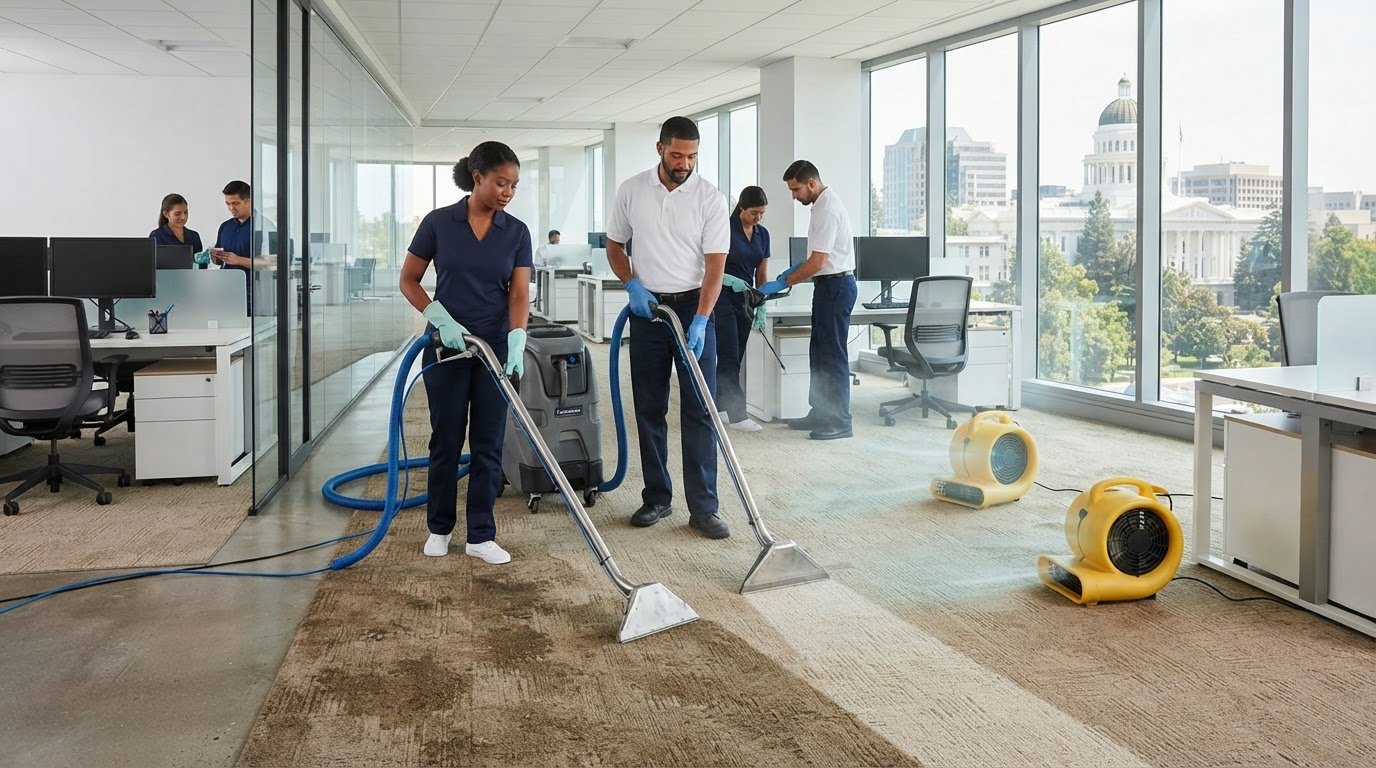
Commercial carpet cleaning in Sacramento has no set duration. Time on site depends on the carpeted area, stain depth, furniture, access, and cleaning method. Drying is a separate consideration: an office may be ready for cleaning before its carpet is ready for regular foot traffic.
A few visible spots in an open workspace call for a different plan than stained carpet across offices, hallways, and reception areas. Furniture and upholstery matter, too. Moving chairs, treating fabric seating, and working around desks can add tasks beyond carpet cleaning. A room layout and list of priority areas help clarify the work sequence.
Commercial carpet cleaning generally follows a practical sequence: identify the carpet type and stains, prepare the area, apply the selected treatment, clean the fibers, and allow them to dry. Soil, sticky drink residue, and older stains may need different treatments. Heavy soil or repeated staining can take more attention than a fresh mark. Keeping staff out of active work zones helps technicians work efficiently.
Hot water extraction flushes soil and cleaning solution from carpet fibers, then removes much of the moisture with extraction equipment. Encapsulation applies a solution that surrounds soil as it dries, after which routine vacuuming removes the residue. The right method depends on carpet construction, soil, and the office schedule. Neither method is best for every job.
Zr™ Water is a named process, but the name alone does not explain its steps or drying conditions. For planning, the work plan should describe how the carpet will be prepared, treated, cleaned, and left to dry. Shared furniture may need separate upholstery treatment, depending on the fabric and stain location.
Insurance, certifications, and guarantees are separate from cleaning time. Review the service scope and written terms to understand what work is covered, what a certification represents, and what conditions apply to any guarantee. These details help office managers plan access and responsibilities without confusing a stain-removal promise with a schedule commitment.
When the layout allows, organize the work by zones. A reception area, shared meeting room, and private offices can be treated in sequence, so staff know which spaces are being cleaned and where carpets are drying. Carpet cleaning can also be coordinated with care for shared furniture as part of a broader maintenance plan.
Sacramento-area service coverage
For a Sacramento office, start with the building’s full address and the carpeted areas. A downtown suite, suburban office, and shared commercial building may have different access routes and cleaning needs. A floor plan or room list clarifies which flooring needs attention. Include reception, private offices, corridors, and shared rooms rather than describing the job only as “the office.”
Greater Sacramento is the local service area for commercial cleaning. For a site near the edge of a business district, provide the full address and building instructions. A campus or multi-tenant property may have several entrances, separate suites, or restricted work areas. Note the building name, suite, loading access, and carpet location to distinguish, for example, a main lobby from an individual workplace.
Prepare a simple site outline before arranging carpet cleaning. Identify rooms with stains, larger carpeted sections, and furniture that affects access. A meeting room with chairs around a central table, for example, differs from an open reception area. Mark priority spots to clarify whether the request is for stain treatment, general extraction, or both. This keeps the work description specific to the site.
Building access shapes the cleaning plan. A secure office may require an entry procedure, an escort, or advance notice to building management. A shared elevator or narrow hallway can affect equipment access. Provide these details with the address, along with the best entrance and rooms included. For a multi-floor office, list each floor and its carpeted zones to keep the scope clear.
Furniture and flooring details matter in Sacramento workplaces. List heavy desks, filing cabinets, fixed seating, and shared furniture that cannot be moved easily. Note transitions from carpet to hard flooring, which define where cleaning begins and ends. A clinic-style reception, professional suite, and warehouse office can have different layouts, even within one commercial property. Room-by-room details help shape a practical service plan.
Before scheduling, gather the site address, room list, access instructions, and stain locations. Note whether the carpet is in a lobby, corridor, or enclosed office, and identify furniture blocking access. These details make cleaning in Sacramento more organized, since every site has its own layout. For an office planning carpet cleaning in Greater Sacramento, a concise site outline is a useful first step.
Commercial carpet stain removal
Effective stain treatment starts with identifying the spill and protecting the carpet fibers. Coffee, tracked-in soil, and ink leave different residues, so one process will not suit every spot. Note what spilled, where it landed, and whether anyone has already used a cleaner. An unknown product, for example, can leave residue that attracts soil or affects later treatment. That brief history helps technicians choose an appropriate approach.
Same-day commercial carpet stain removal means the visit and treatment happen on the requested day. It does not mean the carpet dries immediately. Same-day scheduling is not a guarantee of stain removal, since results depend on the spill, carpet fibers, and previous treatments. Marking the stain, clearing nearby items, and keeping staff away from the work area can help the visit proceed smoothly.
For a fresh coffee spill, blot with a clean absorbent cloth, working from the outside toward the center. Don’t scrub: friction can spread the spill and disturb carpet fibers. A dried food mark needs a different response from fresh coffee. Avoid applying several household cleaners, since mixed residue can complicate professional cleaning and leave a visible area after drying.
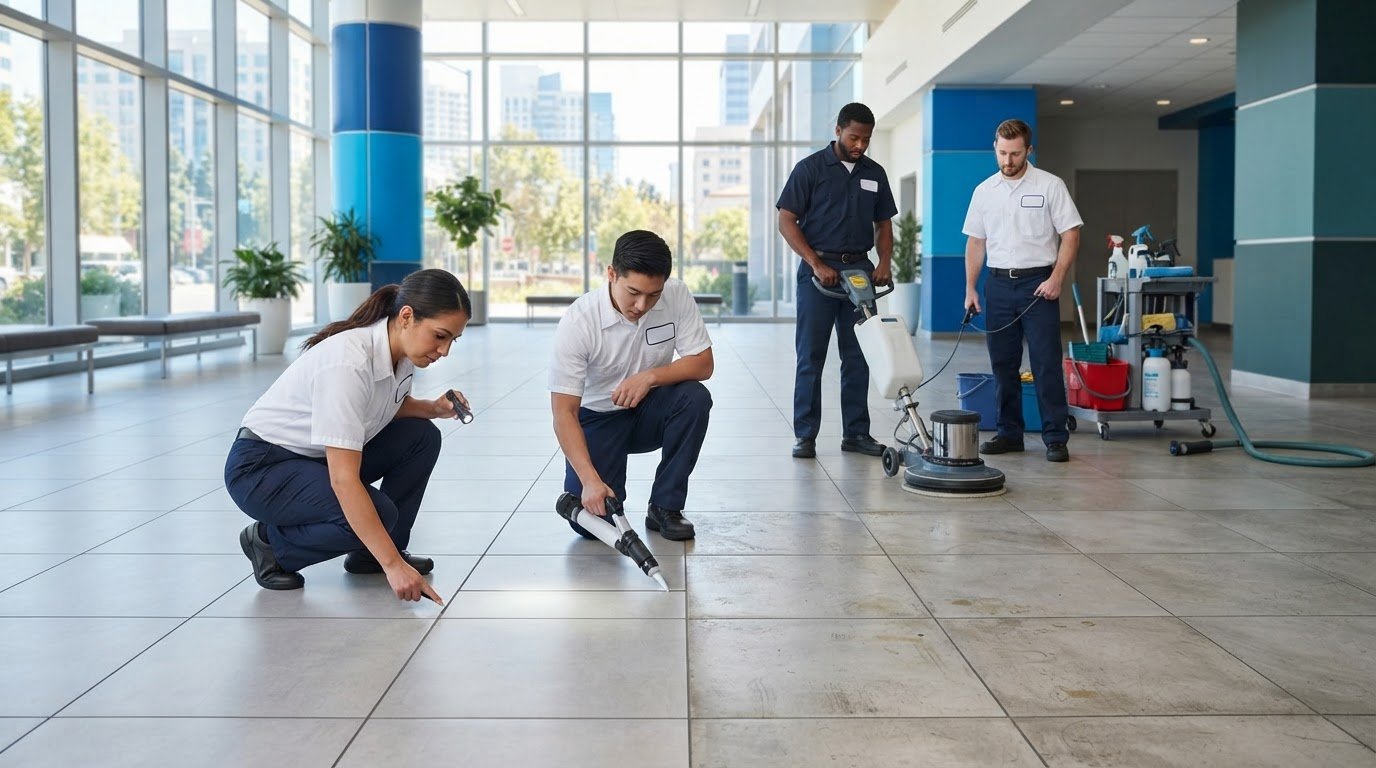
Professional stain removal in Sacramento may include inspection, spot treatment, and extraction. Technicians assess the carpet and surrounding surfaces before applying a cleaning solution. Extraction removes loosened soil and moisture from the fibers. The equipment, treatment, and amount of moisture depend on the carpet and stain, and these choices affect drying. Keep the work area clear until it is ready for ordinary use.
- Identify the spill: Name the substance, such as ink, coffee, or food, if known.
- Protect the area: Keep chairs and foot traffic off the wet spot.
- Share prior treatment: Mention any cleaner already used on the carpet.
- Include nearby surfaces: Point out affected upholstery or hard flooring for separate assessment.
A better maintenance routine starts with prompt attention to spills and a record of recurring stains. Repeated marks beside a break-room counter, for example, may call for a different plan than an isolated ink spot in a private office. Carpet cleaning addresses carpet fibers, while upholstery and other surfaces need treatments suited to their materials. Keeping those tasks distinct helps avoid spreading stains during cleaning.
When arranging office carpet stain removal in Sacramento, describe the affected rooms, stain types, and any previous cleaning attempts. This supports a more deliberate assessment than a general request to clean the carpet. It also distinguishes targeted stain treatment from broader carpet cleaning, helping match the proposed work to the commercial space.
Dirt buildup and carpet wear from foot traffic
Office carpet wears unevenly because people follow the same routes through a space. Entrances to reception, corridors beside meeting rooms, and paths to break areas often collect more soil than private offices. Grit carried on shoes settles between carpet fibers, while repeated steps press it deeper. Traffic lanes can look dull beside protected areas, even without a distinct spill.
Vacuuming removes loose debris before it becomes harder to lift, but the tool and routine should suit the carpet. Pay particular attention to entrances, corridors, and printer areas, where shoes and rolling chairs can spread grit. Use walk-off mats at doors and keep them free of accumulated soil. A dirty, full mat can transfer debris back onto the flooring.
Look beyond darkened fibers. Flattened pile beside a reception desk may reflect repeated pressure, while a gray strip near an exterior entrance can signal tracked-in soil. These conditions need different responses: cleaning can remove embedded dirt, but it cannot restore physically worn fibers. Telling the difference helps set realistic maintenance priorities.
- Map repeat routes: Mark entrances, reception paths, corridors, and shared work areas.
- Reduce tracked soil: Keep entry mats clean and remove loose debris from carpeted lanes.
- Watch furniture contact: Check beneath chair wheels and around desk legs for compressed pile or abrasion.
- Separate materials: Treat carpet fibers, fabric upholstery, and leather as different surfaces.
Furniture creates its own wear patterns. Rolling chairs can grind soil into a small area, while table legs may compress carpet in shared rooms. During routine care, move what can be shifted safely, then vacuum the exposed sections. Upholstery needs a method suited to its fabric. Leather requires a material-appropriate approach, not the solution used on carpet.
A trained technician should assess carpet construction, visible wear, and soil before selecting a treatment. If a service describes someone as certified, ask what the credential covers and whether it applies to the task. Cleaning solutions should suit the fibers and method. Excess solution can leave residue that attracts soil, so thorough removal matters.
Plan upkeep around actual use, not a calendar copied from another office. A busy entrance may need more attention than a lightly used conference room. Pair routine vacuuming with periodic professional cleaning, and record recurring traffic lanes. This simple record helps managers distinguish ongoing soil buildup from permanent wear and focus attention where the carpet needs it most.
Sacramento office carpet cleaning companies and customer reviews
For a Sacramento office, customer reviews are most useful when they describe commercial work rather than home carpet cleaning. Look for specific examples, such as a stained reception area, carpeted hallways, or work around occupied spaces. These details help you judge whether a review reflects your office’s layout and daily use. A star rating alone cannot show what the service covered or how it affected operations.
Read several reviews together and note recurring themes. Comments about arrival communication, careful handling of office furniture, or orderly work zones offer practical context. A single complaint may reflect one situation, while repeated comments about missed areas or unclear scope deserve closer attention. Consider how the business responds to criticism, too. A measured response addressing the issue says more than a defensive reply or generic thank-you.
Compare what each review says was cleaned. “Carpets look great” is less informative than a description of spot treatment, an office corridor, or upholstery in a shared meeting room. Note whether reviewers mention drying, access planning, or the condition of high-traffic areas afterward. Such details help distinguish targeted stain treatment from broader carpet cleaning, without suggesting either will produce identical results every time.
- Check relevance: Prioritize reviews describing offices or other commercial spaces.
- Look for detail: Note the rooms, surfaces, and type of cleaning discussed.
- Read patterns: Compare recurring praise or concerns across multiple comments.
- Consider the response: See whether a business addresses the reviewer’s specific experience.
Reviews need context. A comment about a quick appointment may not explain the carpet’s condition, the area cleaned, or the requested scope. An older stain may involve different work from fresh tracked-in soil. In Sacramento, compare these details with your building’s needs and use reviews as one part of the decision, not the only basis.
Before choosing a cleaning plan, list the rooms, visible stains, and furniture that affects access. Use the same scope when comparing descriptions of commercial carpet work, so you are weighing similar tasks. A written outline can clarify whether the priority is spot treatment, traffic lanes, or carpet throughout the office. Consistent details make reviews more useful and help prevent mismatched expectations.
For office carpet stain removal in Sacramento, focus on relevant commercial experience, specific descriptions, and consistent communication. Reviews show how past jobs were perceived, but they cannot establish that every stain or carpet will respond the same way. Use them to identify questions about scope and process, then decide based on your workplace’s needs.
Cleanit Maintenance Systems: Commercial Janitorial
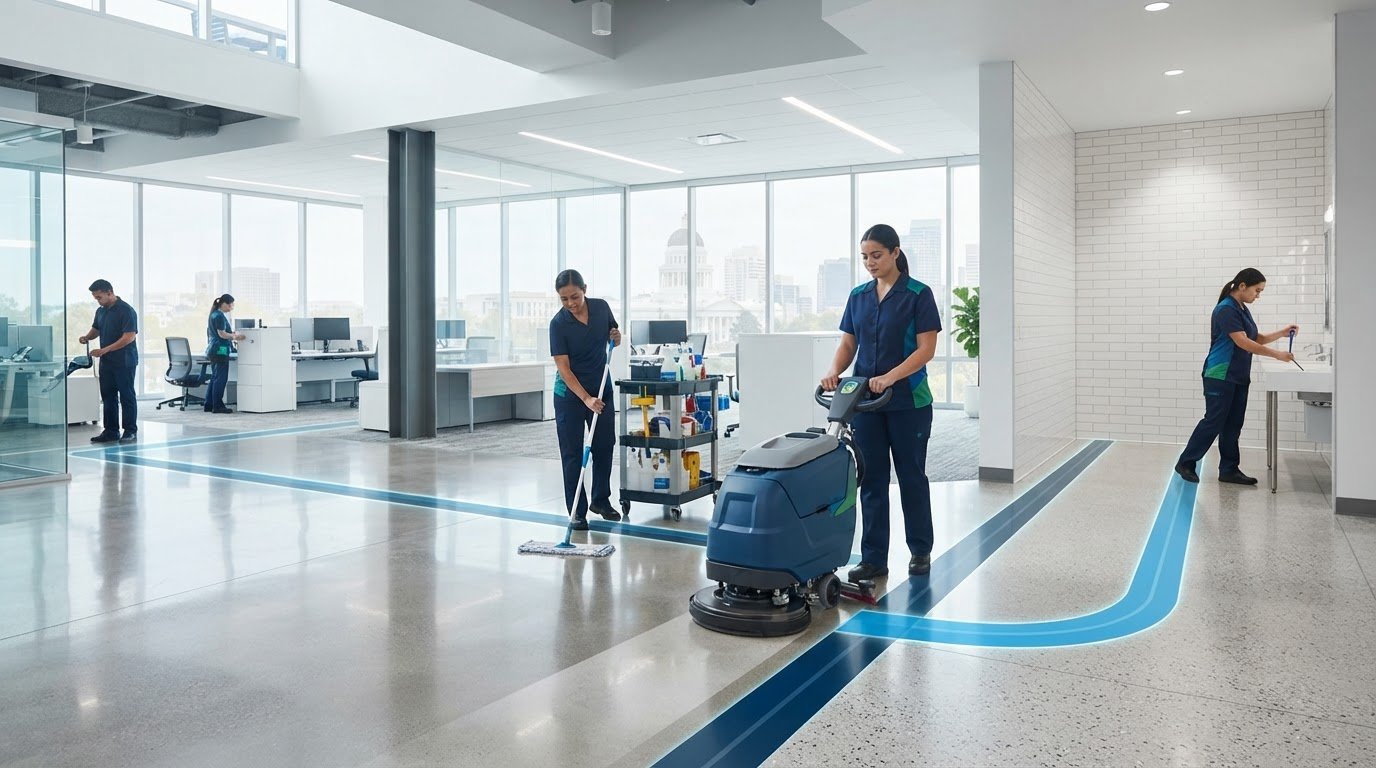
Cleanit Maintenance Systems provides commercial janitorial and office cleaning for workplaces that need coordinated care. If carpet stains are part of broader upkeep concerns, a consistent cleaning plan can address day-to-day needs alongside the appearance of shared and work areas.
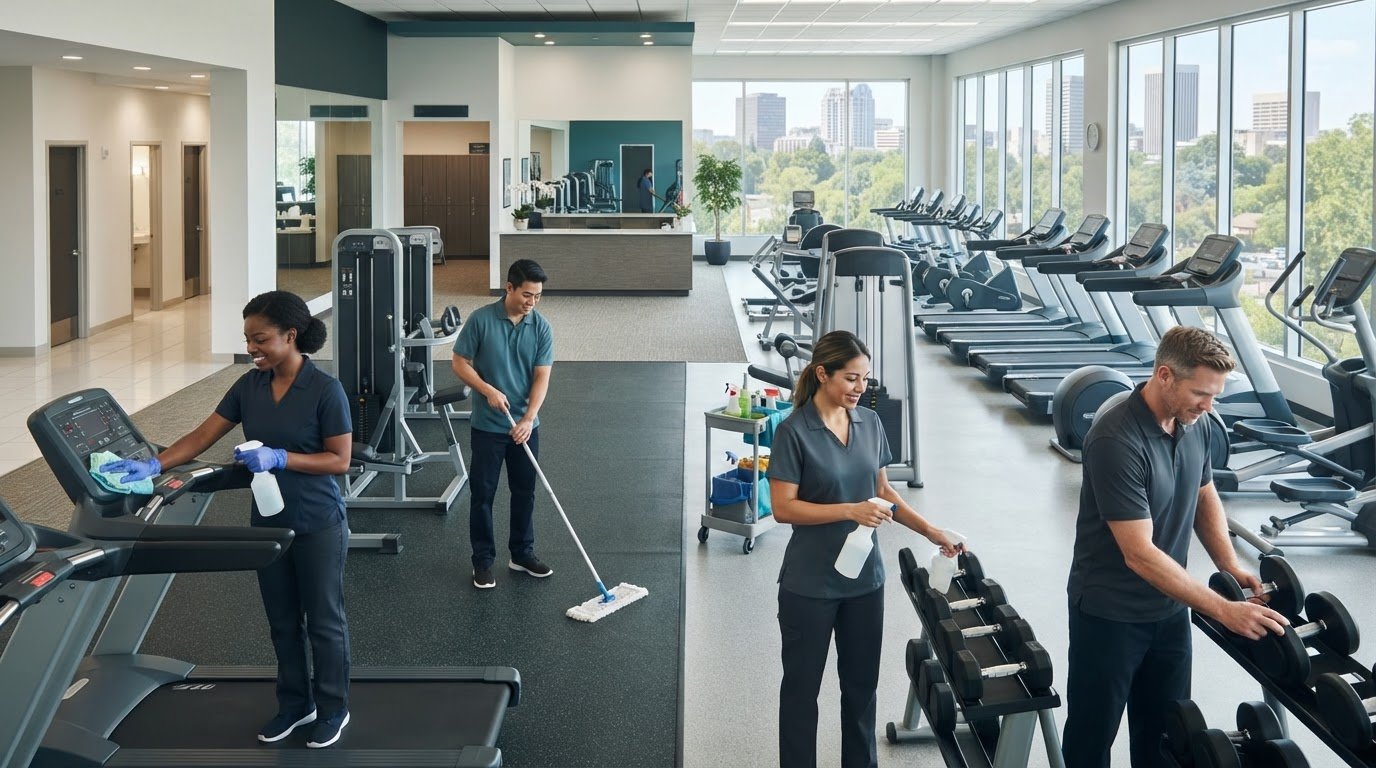
Daily cleaning services support ongoing office maintenance, while day porter services help maintain shared spaces during the workday. These services suit offices seeking a defined routine rather than a one-time response, with the approach shaped around the workplace and its cleaning priorities.
For Sacramento businesses, outline the areas needing attention and the type of ongoing support that would help. Contact Cleanit Maintenance Systems to discuss your office cleaning needs.
Make carpet care part of your workplace plan
Lasting improvement comes from making carpet care part of office operations, not treating it only as a response to visible stains. Decide who reports spills, how affected areas are marked, and how cleaning fits around staff activity. A simple routine helps your team respond consistently and gives facility managers a clearer basis for planning maintenance.
For office carpet stain removal in Sacramento, Cleanit Maintenance Systems can connect carpet concerns with broader workplace needs through commercial janitorial, office cleaning, and daily cleaning services. This coordinated approach is useful when carpet upkeep is part of recurring office cleaning responsibilities.
Share the areas you want addressed and the kind of ongoing support your workplace needs. Contact Cleanit Maintenance Systems to discuss your office cleaning needs. A clear starting point can help you plan a cleaner, more orderly workplace with confidence.
Frequently Asked Questions
Can you clean after business hours or on weekends?
Set the cleaning window around building access, staff activity, and the rooms needing work. Discuss after-hours or weekend timing as part of scheduling rather than assuming it. Note when reception can be cleared, whether security access is needed, and which areas must remain open. Sharing these details helps establish a practical plan for the office and its daily operations.
What commercial carpet cleaning is available for Sacramento offices?
Cleanit Maintenance Systems provides carpet cleaning for commercial workplaces in Greater Sacramento. For office carpet stain removal in Sacramento, describe both isolated spots and broader soil, such as reception marks and corridor buildup. Include the building address, affected rooms, carpet condition, and previous spot treatments. These details help shape a service request around the workplace’s actual needs.
What are the best methods for removing coffee, ink, and food stains from office carpet?
Respond differently to each spill: blot coffee, carefully lift solid food, and avoid rubbing ink into the carpet. Remove loose food with a spoon or similar blunt edge. For coffee, press a clean absorbent cloth onto the spill to lift liquid. Record the stain’s location and any cleaner already applied, then share those details during professional assessment.
How can I remove stains from office carpet without damaging fibers or color?
Blot gently instead of scrubbing, and don’t layer several cleaning products on one spot. Before using a carpet product, test it in a discreet area and follow its label directions. Work from the stain’s edge toward its center to limit spreading. If you do not know the carpet fiber or dye, avoid aggressive treatment and note the material for a cleaning professional.
How should Sacramento offices schedule commercial carpet cleaning and drying?
Choose a work window based on room access, staff movement, and the areas that must remain usable. Divide a large office into zones, such as meeting rooms, corridors, and reception, to keep the schedule organized. Drying varies with carpet condition, cleaning method, airflow, and the amount of moisture removed. Keep furniture and foot traffic off damp sections until they’re dry. Scheduling office carpet stain removal in Sacramento around these needs can help limit disruption.