

The cleaning visit and the drying window are two different parts of the schedule. Pro Team estimates that carpets cleaned in Sacramento take approximately 6-8 hours to dry.
It’s understandable to want a clear timeframe before arranging high-traffic area carpet cleaning in Sacramento, especially when rooms need to stay usable or a workplace needs to keep running. Plan for both the cleaning itself and the time the carpet needs to dry.
This guide explains what affects cleaning time, why busy areas may need extra attention, and what influences drying. It also covers differences between residential and commercial carpet cleaning, what professional service involves, and how Sacramento workplaces can plan around the work. Use these details to set practical expectations and keep heavily used carpeted spaces clean.
Key Takeaways
- Plan cleaning time around the carpeted area, furniture, soil buildup, and spots that need attention.
- Residential and commercial spaces have different traffic patterns, so the cleaning approach and scheduling priorities can vary.
- Hot water extraction applies cleaning solution and recovers it along with loosened soil, helping address well-used carpet.
- Drying time can vary depending on airflow, humidity, and carpet construction.
- A room-by-room plan can help reduce disruption and make it easier to coordinate cleaning with everyday home or workplace use.
How long will it take to clean my carpets?
There’s no single cleaning time for every carpeted space. A lightly soiled entryway takes less work than a hallway with embedded dirt and visible spots. The area’s size, furniture placement, carpet condition, and need for stain treatment all affect the time required.
For high-traffic area carpet cleaning in Sacramento, identify busy paths such as entrances, hallways, and routes between workstations. This helps focus attention where soil builds up instead of treating every room alike. Across Greater Sacramento, access, room layout, and the amount of carpet to be cleaned are practical planning considerations.
For a visual look at why high-traffic stains need focused treatment, watch “How to Remove High Traffic Stains From Carpet” from The Stain Guide:
Before scheduling, list the rooms that need attention and move small items off the carpet. Point out tracked-in soil, drink spills, and flattened paths so the cleaning team can focus its work. For example, a narrow, well-used corridor may need more spot treatment than a larger room with little foot traffic.
The process may include inspection, targeted stain treatment, and cleaning the carpeted area. The work depends on the carpet’s condition and the treatment needed. Upholstery or tile and grout may require separate cleaning approaches, so include those surfaces when planning the appointment.
Carpet cleaning costs depend on the project and are provided after a quote request. Factors include the area, soil and stain levels, access, and any additional surfaces requested. Describing the rooms clearly helps define the work and prepare an estimate based on the actual scope.
- List the carpeted rooms and busiest paths.
- Identify visible stains and areas with heavy soil.
- Clear small objects and describe any access limits.
To limit dirt buildup, place mats at entrances and vacuum regularly, especially along hallways and doorways. Clean spills promptly and, where practical, vary foot traffic to reduce repeated wear on the same path.
In Sacramento, professional carpet cleaning is commonly recommended at least once every 12 months, and at least once every 6 months for homes with children and pets. Those intervals provide a useful planning reference; visible soil, frequent use, and household routines can help determine when busy carpet needs attention.
Residential and commercial carpet cleaning
Homes and offices may have similar carpet, but their daily demands differ. At home, soil often gathers near entrances, kitchens, and paths between living spaces. In an office, foot traffic concentrates dirt around reception areas, corridors, and shared workspaces. These patterns help identify which sections need the most attention.
For residential carpet, identify the areas used every day, then move lightweight furniture and vacuum loose soil before cleaning. A family-room rug near a doorway, for example, may collect grit and food spills. Pointing out these spots helps the cleaning team assess where targeted treatment may help. Carpet condition, fiber type, and nearby furniture also shape the work plan.
Commercial carpet cleaning needs to account for how a workplace operates. Meeting rooms, open work areas, and reception spaces each see different levels of use. Clear items from the floor and identify priority rooms to help organize the work. A busy reception area, for example, may need to be handled differently from a lightly used meeting room.
The cleaning method and solution should suit the carpet and the soil being treated. A technician assesses the surface, targets areas needing extra attention, then cleans the carpet systematically. Vacuuming first removes loose particles; careful application and extraction help limit excess moisture. Furniture placement matters, too, because blocked areas restrict access and can slow the work.
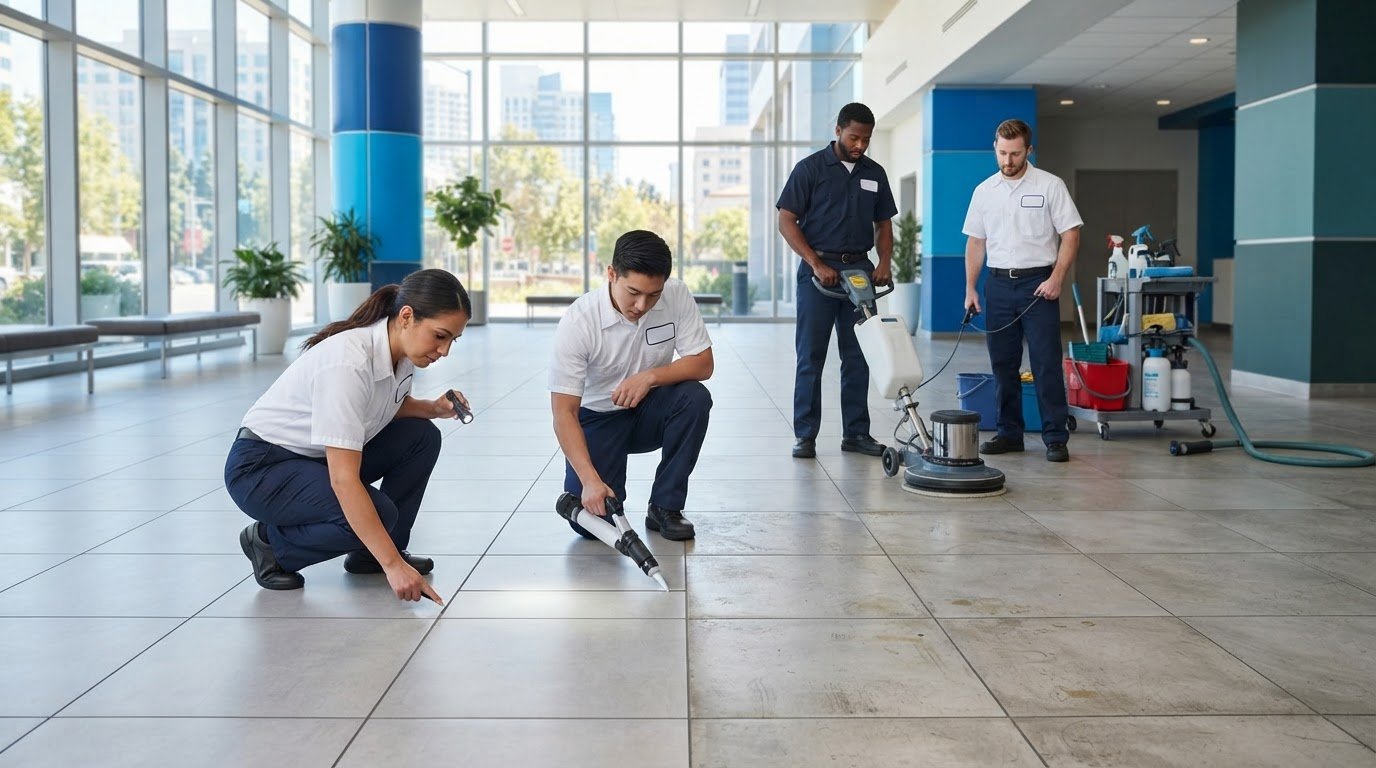
Carpet is only one part of floor care. Hard floors need a different approach, and grout cleaning targets soil in tile joints rather than carpet fibers. Keeping these surfaces distinct in the plan helps set priorities. For instance, a carpeted office corridor beside a tiled break area needs surface-specific methods.
For homes with children and pets, professional carpet cleaning is recommended at least once every 6 months; for other homes, at least once every 12 months. These are planning intervals, not substitutes for noticing visible soil or spills. In a commercial space, recurring foot traffic and the condition of carpeted routes help shape a practical maintenance schedule.
To plan office care alongside carpet needs, a workplace can review office cleaning services as part of its overall routine. A useful plan identifies high-use carpet, surrounding hard floors, furniture access, and the cleaning steps each surface requires.
Truck-mounted hot water extraction process
Truck-mounted hot water extraction uses heated cleaning solution and powerful suction to lift soil from carpet fibers. In high-traffic areas, both the method and focused treatment of busy paths matter.
Hot water extraction is often called steam cleaning, though it uses heated water rather than steam alone. Low-moisture cleaning uses less liquid, while extraction flushes out soil and recovers the cleaning solution.
Cleaning Process Steps
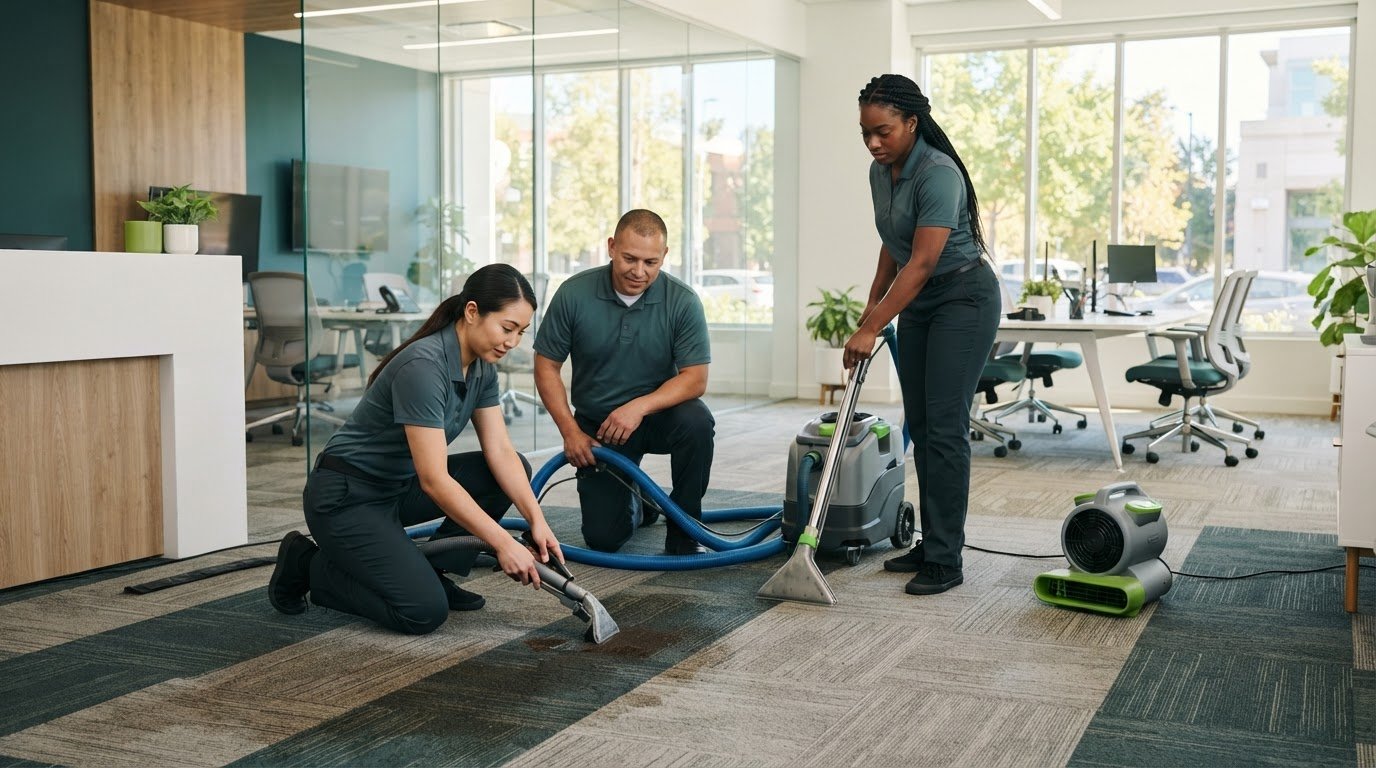
A professional carpet cleaning visit typically starts with inspection, vacuuming, and targeted stain treatment. The technician applies cleaning solution, works it through the fibers, then uses truck-mounted equipment to extract the liquid and loosened soil. In a hallway, for example, extra attention can go to the darkest traffic lane. Look for a process that addresses both general soil and visible spots.
Residue After Cleaning
Residue can remain if too much cleaning solution is used or it isn’t fully removed. Sticky residue may attract soil, making a cleaned path look dirty again. During extraction, the machine recovers solution along with loosened particles. Ask how the process removes excess solution, and follow the technician’s aftercare instructions. Extraction can lift embedded soil and particles, but it cannot guarantee removal of every stain or allergen.
Preparing the Carpet Area
Before the appointment, clear small items, toys, and loose objects from carpeted paths. Vacuuming removes loose debris and gives the cleaning process better access to the fibers. Point out spills and worn-looking sections, such as carpet beside an office entrance. Where practical, clear furniture from the work area and make a route accessible for hoses and equipment.
For heavily used carpet, hot water extraction can help by combining solution application with recovery. The best method depends on the carpet, soil, and workplace schedule. Low-moisture cleaning may suit areas where limiting water use is a priority; extraction may be appropriate for embedded soil that needs flushing and recovery.
These methods are not the same as applying steam alone. Heated solution loosens soil, while extraction removes much of the solution from the carpet. A technician adjusts the process to the material and its condition. Training credentials can indicate a technician’s background, but the practical details to understand are the treatment steps, solution use, and recovery approach.
After cleaning, avoid walking on damp carpet until it is ready for normal use. Keep furniture from pressing into wet fibers, and follow the technician’s guidance about room access. In a busy Sacramento office, planning work around a hallway or reception area can reduce disruption while the carpet is cleaned and dries.
Carpet drying time
Carpets cleaned in Sacramento take approximately 6-8 hours to dry. That gives households and workplaces a useful planning window, but the actual time depends on conditions inside each room. A compact, well-ventilated office may dry differently from a shaded room with dense carpet and limited airflow.
The cleaning method also affects drying. Hot water extraction applies water and cleaning solution, then removes much of the moisture by suction. Effective recovery leaves less water in the fibers to evaporate. Carpet thickness, the amount of solution used, and how thoroughly it is extracted all affect how damp the carpet remains.
Room conditions matter, too. Air movement helps moisture evaporate, while still air and closed windows can slow drying. After cleaning, increase ventilation where practical and leave doors open between rooms. A fan can move air across a damp hallway without placing equipment directly on wet carpet.
Plan access before cleaning begins. At home, arrange another route around a freshly cleaned living room. In an office, staff can use a different corridor while the main walkway dries. Keeping people and pets off damp carpet helps prevent new soil and footprints.
- Ask which rooms will be cleaned first, so you can plan around them.
- Clear furniture and loose items from the routes that need treatment.
- Use ventilation and airflow after cleaning, where practical.
- Wait until the carpet is dry before returning furniture or regular foot traffic.
Take care with furniture while the carpet dries. Carpet beneath heavy items may dry more slowly, and furniture feet can leave marks or transfer color. Follow the technician’s instructions about replacing furniture. If a desk or sofa cannot be moved, discuss access before cleaning so the work can be planned accordingly.
Drying expectations help with scheduling and daily routines. A Sacramento household can plan cleaning around when rooms are needed. A business can schedule carpet treatment for a period when fewer people need the affected area. Professional cleaning works best when the plan accounts for both treatment and room access.
After cleaning, check the carpet before resuming normal use. If a section still feels damp, redirect foot traffic and maintain airflow. A shaded corner, for example, may take longer to dry than the open center of a room. Keep children and pets away until the carpet is dry to protect the cleaned area.
Customer satisfaction guarantee
A guarantee is useful only when its terms explain what happens after carpet cleaning. Homes and businesses should understand which concerns qualify, how to report them, and what response the written commitment provides. A clearly described process is more helpful than a broad promise without practical steps.
A hallway stain that remains visible after cleaning differs from a new spill after the appointment. Note the stain’s location and appearance before work begins, then compare it after the carpet dries. This record helps distinguish an original concern from a later change.
A carpet spot-return guarantee addresses stains that reappear after cleaning. Some spots become visible again as moisture moves through carpet fibers and brings residue to the surface. A useful written policy explains which returning spots are covered, how soon to report them, and what follow-up treatment involves. It should also distinguish existing spots from new spills.
Read satisfaction terms just as carefully. Look for a clear way to report concerns, a stated response process, and defined limits. Check whether the commitment covers missed areas, visible soil, or only specific results. Don’t assume a guarantee covers every carpet condition or permanent stain. The terms determine what it actually addresses.
Before a professional carpet cleaning appointment, take these practical steps:
- Walk through the rooms and identify stains or heavily soiled paths.
- Show each concern to the technician before treatment begins.
- Record the location of spots, using a room name such as “front office.”
- Read the written terms and keep a copy with the service details.
- After drying, compare the treated areas with your notes.
Furniture placement can affect which areas are cleaned and what remains visible. Identify items that need to stay in place and note carpet beneath them. In an office, a desk or filing cabinet can block sections from view. A walkthrough helps set shared expectations about accessible carpet and the work planned.
Communication is most useful when it is specific. Describe the room, carpet location, and concern rather than saying “the whole job” looks wrong. For example, identify an entry path that still shows a marked area after drying. Clear details make the next step easier to understand for homes and businesses.
For carpet cleaning in a workplace, contact Cleanit Maintenance Systems to discuss the carpeted areas and cleaning needs. Share the locations that concern you and the timing requirements for your space.
Cleanit Maintenance Systems: Commercial Janitorial
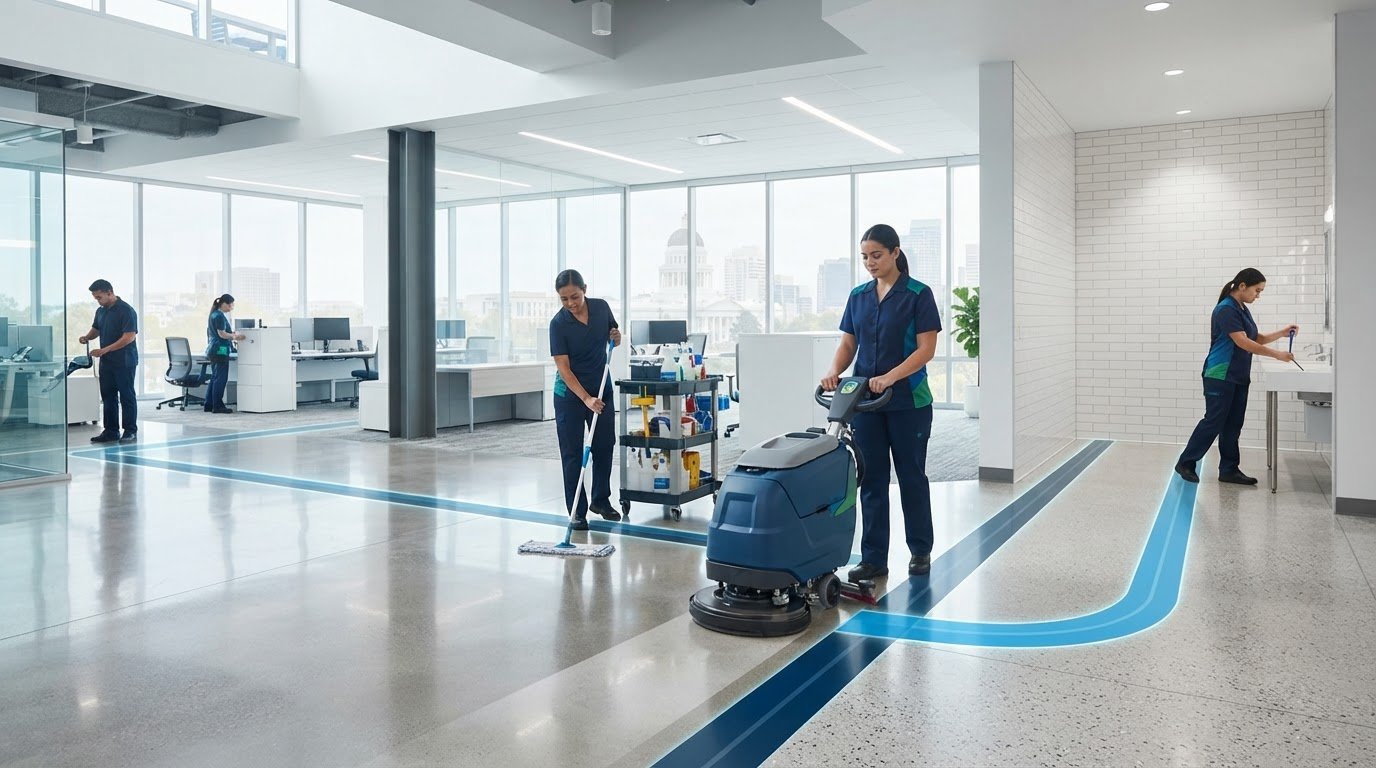
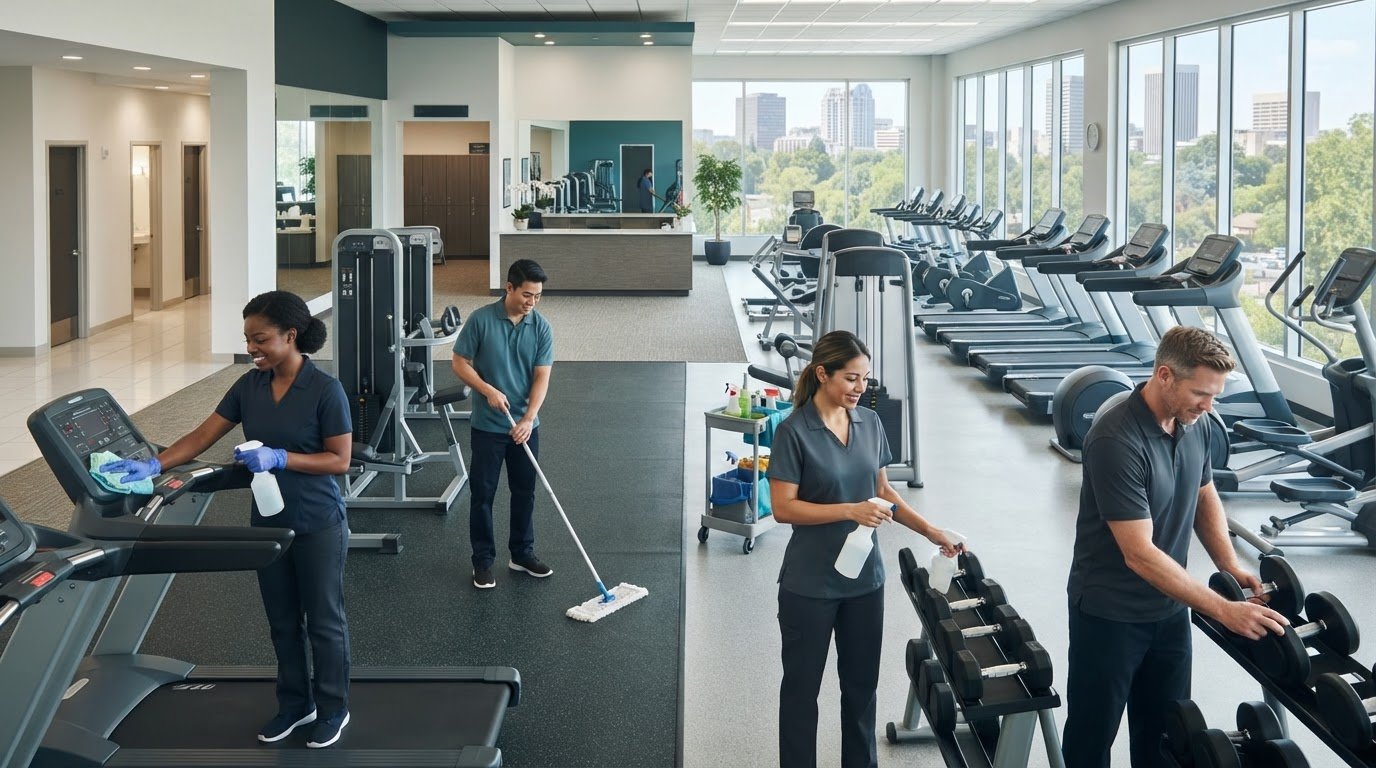
Cleanit Maintenance Systems provides commercial janitorial services for Sacramento workplaces, including offices that need carpet care alongside regular cleaning. Its services include office cleaning, daily cleaning, and day porter services, supporting different workplace routines and maintenance needs.
For a busy office with carpeted corridors or a well-used reception area, professional carpet cleaning can address accumulated soil as part of a broader facility care plan. Daily cleaning and day porter services help maintain orderly shared spaces between deeper cleaning visits. The right combination depends on the building’s layout, carpeted areas, and daily use.
If your Sacramento workplace needs commercial janitorial or carpet cleaning, contact Cleanit Maintenance Systems to discuss your facility’s needs.
Make carpet care part of your workplace plan
Planning high-traffic area carpet cleaning in Sacramento is also a chance to review everyday workplace upkeep. Consider which shared spaces need regular attention, who uses them, and how cleaning can fit around normal operations. These details can turn a one-time task into a more considered facility plan.
Cleanit Maintenance Systems provides commercial janitorial, office cleaning, and daily cleaning services for workplaces. These services support consistent office maintenance alongside carpet care, with priorities shaped around the space and its routine. A reception area, corridor, and shared workspace may each need a different cleaning focus.
Choose the next step that fits your facility: outline the carpeted areas that need attention and the broader cleaning priorities you want addressed. Then contact Cleanit Maintenance Systems to discuss your workplace needs. A clear plan can make ongoing care easier to coordinate and help your team keep shared spaces ready for daily use.
Frequently Asked Questions
How much does high-traffic carpet cleaning cost in Sacramento, CA?
Commercial carpet cleaning costs depend on the project and are provided after a quote request. Factors include the carpeted area, its condition, access, and the number of spaces included. A small office suite with a few busy walkways, for example, has a different scope from a facility with carpeted corridors throughout. Share the areas needing attention and any access constraints to define the work.
Which Sacramento carpet cleaners specialize in high-traffic areas?
Cleanit Maintenance Systems provides commercial carpet cleaning in the Greater Sacramento area. The service suits businesses with heavily used carpet in reception spaces, corridors, and shared offices. Describe which areas get the most foot traffic and whether the carpet has visible soil or stains. This helps clarify cleaning needs for a commercial space.
How often should carpets in busy homes or businesses be professionally cleaned?
Professional carpet cleaning is recommended at least once every 12 months, and at least once every 6 months for homes with children and pets. A business can also use visible soil and the condition of frequently used spaces to plan maintenance. For example, a reception carpet that quickly shows tracked-in soil may need attention sooner than a closed office with little foot traffic.
How do carpet cleaners remove embedded dirt and traffic lanes?
Carpet cleaners loosen soil in the fibers with a suitable solution, then remove the loosened material using the selected method. Traffic lanes can hold fine debris and surface soil, so describing where discoloration starts helps focus treatment. A dark path may also reflect fiber wear or color change, not just removable dirt, which can affect the result.
How long does carpet take to dry after professional cleaning in Sacramento?
Carpets cleaned in Sacramento take approximately 6-8 hours to dry. The schedule can vary by room conditions, carpet construction, and how much moisture remains after cleaning. For example, a busy office can plan access around the treated area rather than routing staff across damp carpet. Keeping foot traffic off the carpet while it dries helps avoid bringing fresh soil onto the cleaned surface.
Are there carpet cleaning discounts or commercial rates in Sacramento?
Commercial rates and discounts depend on the scope of work, including the carpeted area, condition, access, and requested service schedule. A business with several rooms may have different requirements from a single office needing one corridor cleaned. Describe the facility and its priorities when requesting a quote. Don’t assume a discount applies automatically; the quote should reflect the specific work requested.
Can professional cleaning restore flattened or discolored carpet traffic lanes?
Professional cleaning can remove soil that darkens a traffic lane, but it cannot necessarily reverse flattened fibers or permanent color change. A compressed hallway pile, for example, may still look different after cleaning. Compare the affected area with nearby carpet: if color or texture still differs, wear or fading may contribute. Cleaning removes soil, not every kind of carpet damage.
What risks do harsh cleaning chemicals pose to carpet, pets, and indoor air quality?
Unsuitable or improperly used products may leave residue, affect carpet fibers, or create unpleasant indoor conditions. Product choice, application, ventilation, and removal all matter. Keep children and pets away during cleaning and until the carpet is dry. At home or work, follow product directions and arrange airflow after treatment, especially in rooms with limited ventilation.