A reliable day porter for an office building in Sacramento helps keep shared spaces clean, stocked, and ready throughout the workday. Routine duties may include clearing debris, wiping high-touch surfaces, spot-cleaning restrooms and entryways, and reporting spills or safety concerns. Consistent daytime care addresses small, visible issues before they affect tenants’ and visitors’ experience of the property.
It’s reasonable to expect a clean lobby at the start of the day, tidy common areas during busy periods, and a prompt response when something needs attention. Meeting that standard takes more than a checklist: dependable staff, clear responsibilities, and a schedule shaped around the building’s traffic all matter.
This guide explains what day porter care can cover in Sacramento offices, how to arrange routines around peak hours and property needs, and what professionalism looks like in practice. You’ll also learn how reliable staff can support cleaner offices and common areas, and when ongoing day porter service may suit your building.
Key Takeaways
- Day porter care keeps shared spaces, entry points, restrooms, elevators, and stairwells presentable as building activity continues.
- Set a routine for common-area cleaning that reflects tenant traffic and gives visible attention to entrances, waste, and frequently used surfaces.
- Match floor care to the surface and the day’s conditions, with regular checks to catch dirt, spills, and maintenance concerns.
- Shape porter schedules around your property’s busiest periods, essential tasks, and handoff needs rather than relying on a one-size-fits-all routine.
- Look for professional staff who follow clear responsibilities, communicate issues promptly, and provide consistent service throughout the workday.
What Are Day Porter Services?
Day porter services provide visible cleaning and upkeep while an office building is in use. Sacramento property managers can rely on a day porter to address common-area needs as they arise, alongside scheduled cleaning.
Commercial janitorial companies in Sacramento offer day porter services for offices. Compare responsibilities, schedules, and communication processes to understand how staff will maintain shared spaces and respond to daily needs.
For a visual example of daytime building care, watch this overview:
Common Area and Entry Cleaning
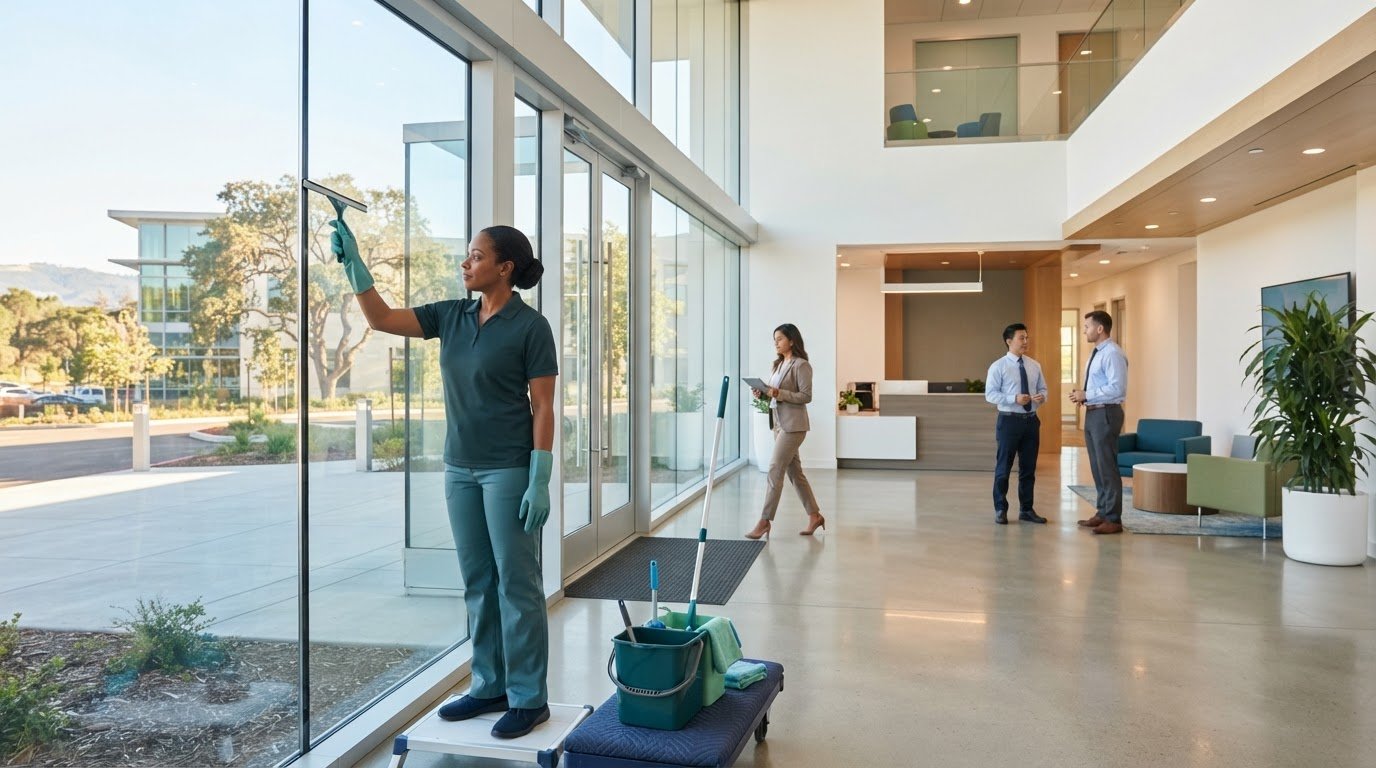
Daily tasks can include clearing debris from lobbies, wiping entry doors, and spot-cleaning elevators, stairwells, and restrooms. A useful scope names each area and describes the expected result, such as clean glass without fingerprints or dry restroom counters. A consistent cleaning standard can help keep lobby glass and entrance doors free of fingerprints and streaks. This gives teams a clear morning standard.
Touchpoint cleaning can include door handles, elevator buttons, reception counters, and shared tables. During rounds, staff can check for spills or clutter, address issues, and report concerns. Look for a routine that covers frequently used surfaces, not just the areas that are easiest to see.
Daily, Nightly, and Periodic Schedules
A daytime porter handles visible upkeep while tenants and visitors are present; nightly cleaning can cover broader tasks when offices are quieter. Periodic work can address tasks that don’t arise daily, such as a scheduled detailed wipe-down. Sacramento guidance recommends full lobby-glass and entrance-door wipe-downs every Friday. Match each task to the building’s traffic and operating hours.
During peak tenant hours, typically 8:00 am-6:00 pm, visible coverage can help keep common areas orderly. For high-traffic days, the guide recommends extra porter coverage from 1:00-4:00 pm. Set priorities for each shift, including restroom checks, debris removal, and responsive attention to spills.
In restrooms, a practical routine includes checking dispensers and replenishing supplies before they fall below 20% of capacity. For waste bins in lobbies and busy common areas, the guide recommends emptying them at 75% full or every 2 hours, whichever comes sooner. These thresholds turn routine inspections into clear actions.
Environmentally responsible cleaning starts with using supplies carefully and matching the method to the surface. Staff can use reusable cloths where appropriate, avoid unnecessary products, and separate recyclables from general waste when building procedures allow. For glass and touchpoints, a consistent cloth-and-product routine helps prevent residue and missed spots.
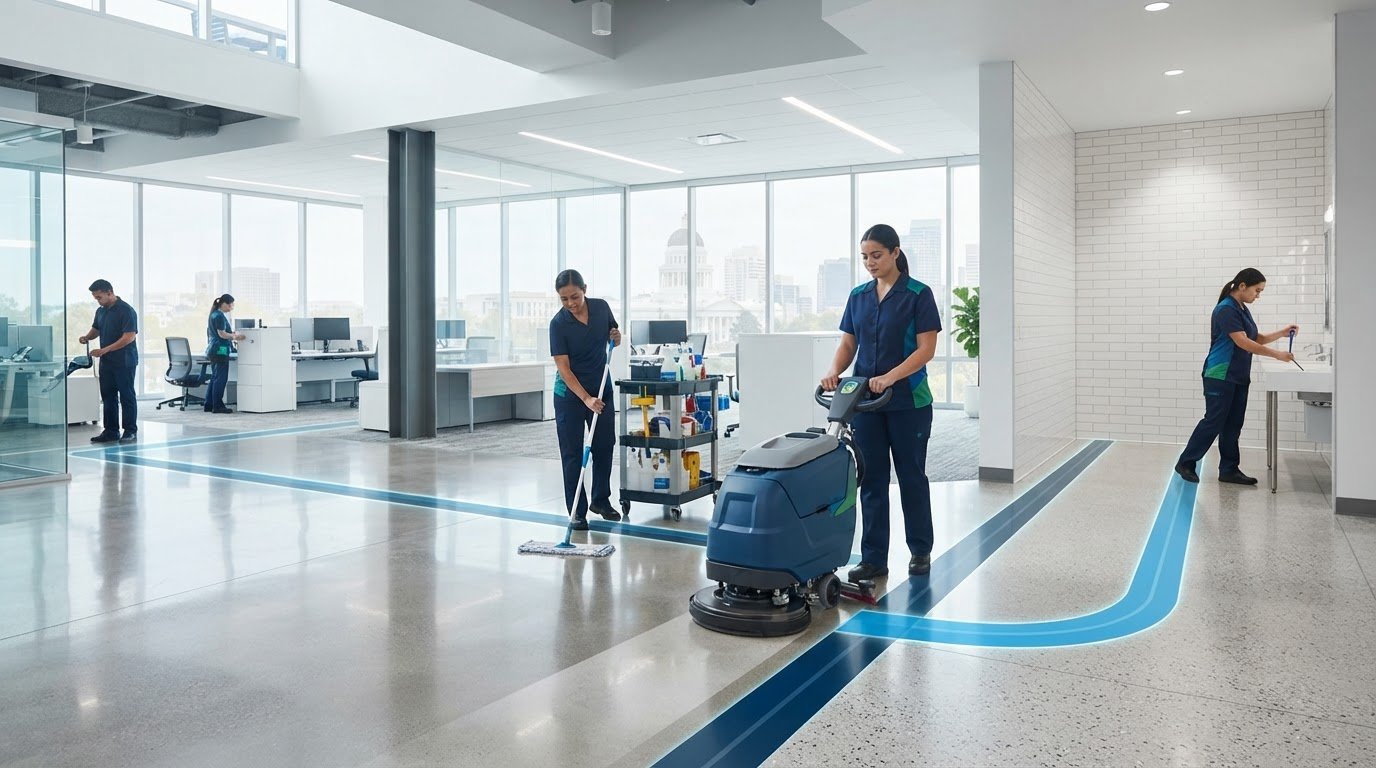
For Sacramento properties, define the porter’s route around entrances, shared floors, restroom locations, and busy tenant areas. A property’s daily cleaning services can align recurring tasks with daytime upkeep, so managers know which work happens during occupancy and which belongs on the regular cleaning schedule.
Routine janitorial service for offices and common areas
Routine janitorial care connects daytime attention with scheduled cleaning, so office teams can keep workspaces and shared areas organized. The right scope reflects each facility’s traffic, layout, and daily operating needs.
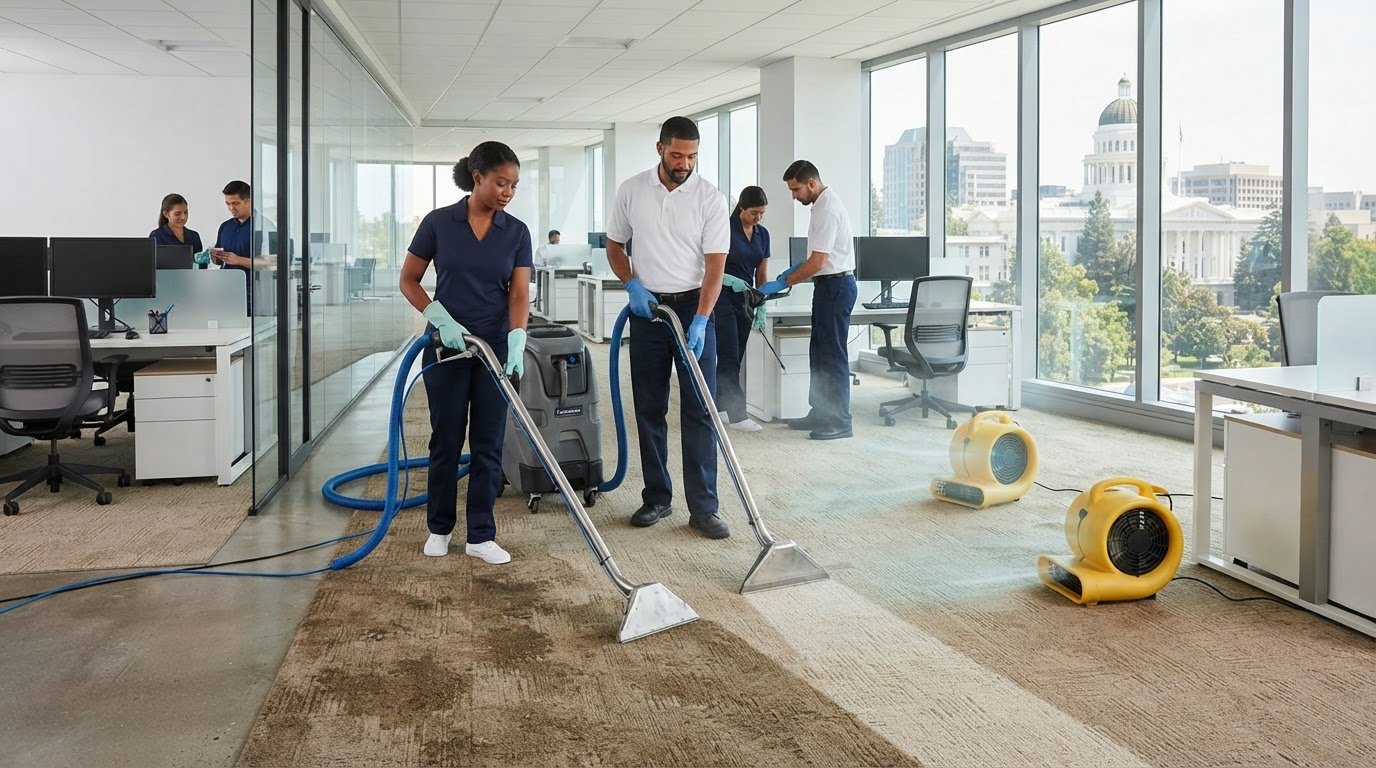
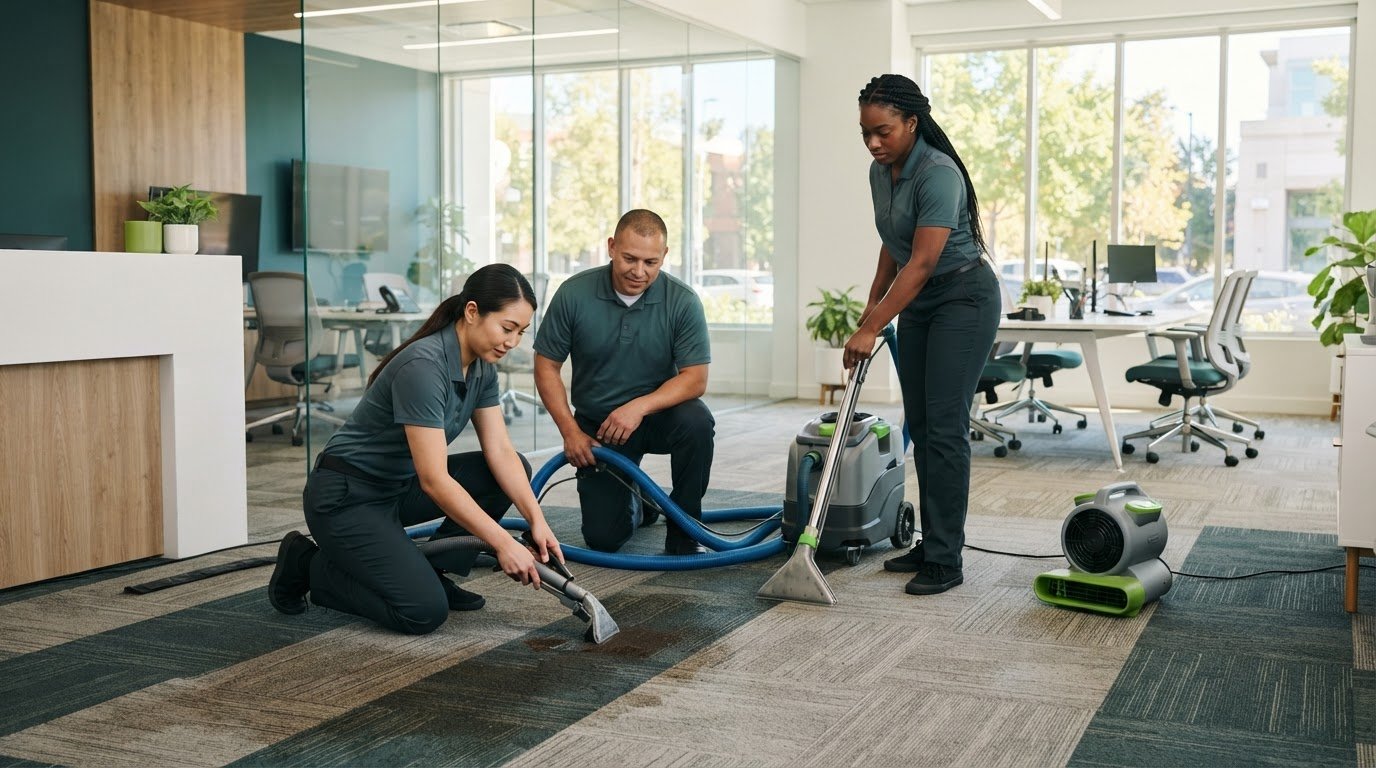
A practical routine starts with a walk-through of reception, shared meeting rooms, break areas, and corridors. Staff can remove visible debris, tidy shared surfaces, and note tasks that need more thorough cleaning. This keeps daily upkeep separate from periodic work such as carpet cleaning or detailed glass care.
Clear task ownership matters, too. A written checklist can identify which common areas need attention, how staff record completed work, and where to report maintenance concerns. For example, a porter who notices a leaking dispenser can alert the property manager rather than leave the issue unreported.
Facilities That Benefit from Day Porter Service
Day porter services can suit office buildings, business centers, and facilities with shared lobbies or meeting spaces. These properties often have visitor traffic and common areas that need attention during the workday. Consider the number of shared spaces, visitor flow, and how often employees use break rooms or reception areas.
Buildings with multiple floors may also benefit from a defined route covering shared spaces on each floor. A useful scope names the locations and tasks, such as checking a conference center’s reception area or clearing debris from a busy corridor.
Benefits of Professional Porter Services
Professional janitorial routines make responsibilities organized and visible. A checklist gives staff a consistent sequence, while a reporting process helps managers distinguish cleaning tasks from repairs. For instance, a porter can tidy a shared kitchen and separately report a damaged cabinet handle.
Responsive daytime attention can address visible issues before they disrupt a meeting or visitor arrival. Look for clear communication about completed work, supply needs, and concerns that require management follow-up. This helps maintain continuity between porter coverage and the building’s wider cleaning plan.
Tailored Daytime Porter Services
Tailoring a routine starts with mapping the building’s busiest areas and matching tasks to how they’re used. A property manager might prioritize reception and meeting rooms during visitor periods, then schedule break areas or quieter corridors during slower periods. The plan should cover recurring duties and explain how to handle unexpected needs.
For a useful plan, group responsibilities by location, then set the order of rounds and reporting steps. A coordinated office cleaning routine can align daytime upkeep with scheduled janitorial work without leaving task ownership unclear.
Pricing depends on facility size, service frequency, task scope, and labor requirements; a quote follows a request. Defining these details helps shape a service plan around the property’s actual workload rather than a generic checklist.
Floor vacuuming, mopping, and maintenance
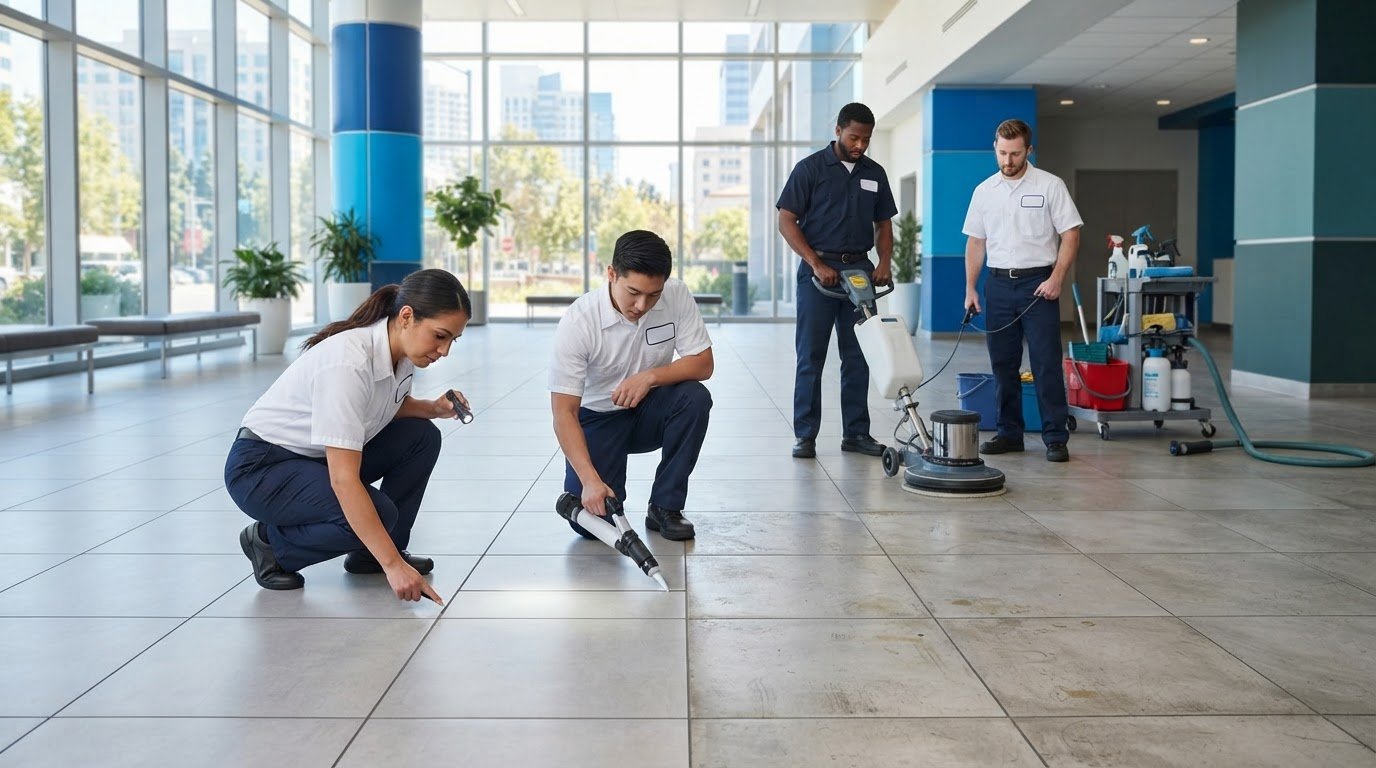
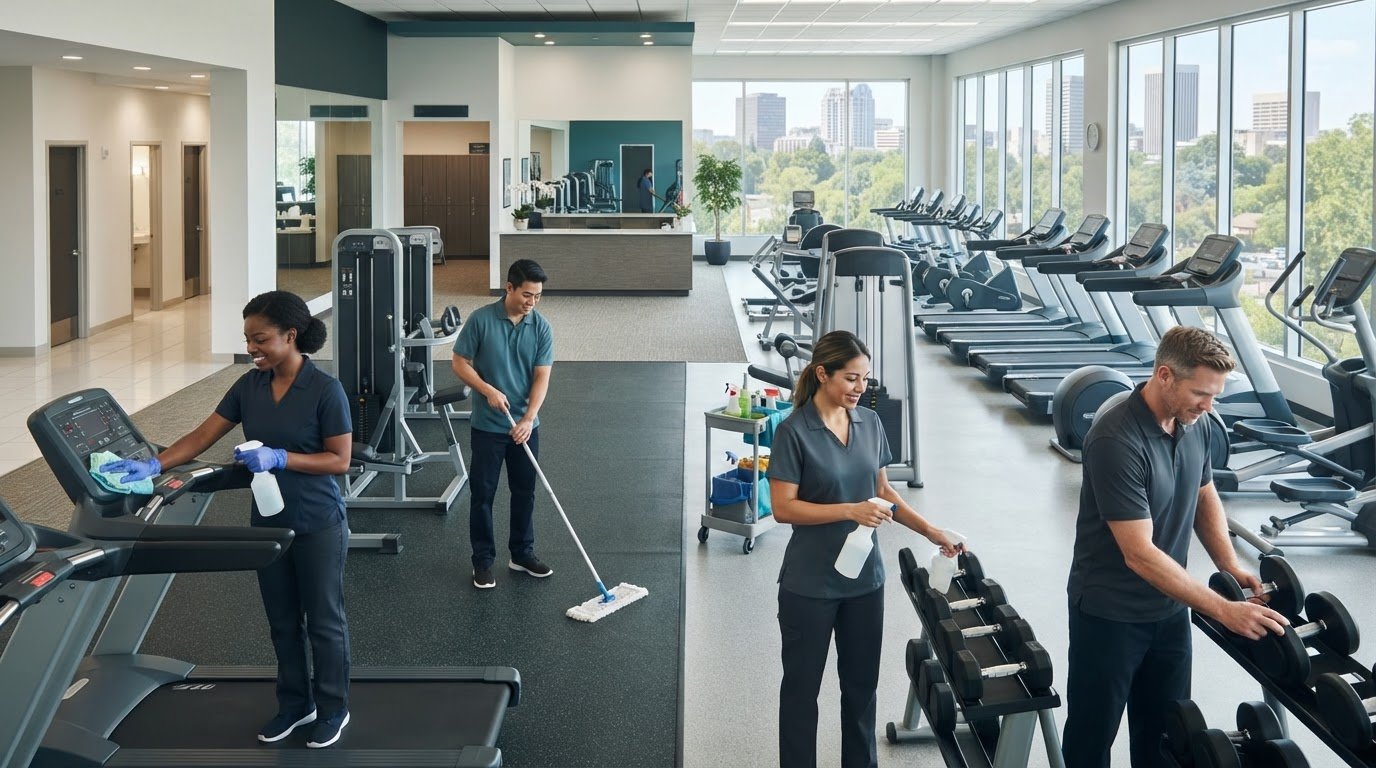
Floor care supports daily building operations by addressing tracked-in dirt, crumbs, and visible spills. During scheduled rounds, a porter can check lobby, corridor, and break-area floors, then vacuum or mop based on the surface and its condition. This helps managers deal with soil as it appears instead of letting it collect in busy areas.
Vacuuming suits carpeted areas where grit and debris gather, including reception zones and walkways. Mopping addresses hard floors, especially near entrances, kitchens, and restroom approaches. Before cleaning, staff can identify the floor material, remove loose debris, and choose a method that won’t leave residue. Afterward, they can keep people clear until the floor is dry.
Building schedules should distinguish quick daytime attention from more extensive floor work. A porter’s rounds can include spot vacuuming or mopping visible spills, while recurring janitorial schedules cover broader floor cleaning. Property managers can set priorities by location, for example, maintaining the lobby during visitor periods and checking kitchen floors after meal breaks.
Restocking and light upkeep also support orderly operations. A porter may check restroom and break-area supplies, refill dispensers, and note when materials are running low. The guide recommends refilling Sacramento office-building restroom dispensers before they fall below 20% of capacity. Clear supply checks help managers address shortages before tenants report them.
Maintenance reporting is separate from cleaning. During a floor check, staff can spot a loose mat, damaged tile, leaking fixture, or blocked walkway and report its location to property management. For a spill, they can address the immediate slip hazard and follow building procedures for notification. A concise report should describe the location, condition, and action taken.
That process makes commercial property maintenance easier to coordinate. Managers can use a shared log to collect observations, assign follow-up, and distinguish completed cleaning from repairs still requiring attention. A useful standard is fewer than 2 logged restroom supply issues, out-of-service fixtures, or cleaning deficiencies per 1,000 sq ft weekly in Sacramento office buildings. Reviewing that measure helps reveal recurring problem areas.
Floor vacuuming, mopping, restocking, and reporting work best when each task has a defined place in the schedule. A route might start at the entrance, continue through shared corridors, then cover break areas and restrooms. Managers can adjust the sequence as tenant activity changes while keeping reporting consistent. This connects daily cleaning with longer-term maintenance without assigning repair work to the porter.
Quarterly service check-ins are available for Sacramento property managers to review satisfaction, adjust service scopes, or prepare for seasonal needs.
Customized schedules and property-specific responsibilities
Request coverage based on the building’s busiest areas, tenant activity, and tasks requiring attention throughout the day. Sacramento guidance recommends visible porter coverage during peak tenant hours, typically 8:00 am-6:00 pm, with extra coverage from 1:00-4:00 pm on high-traffic days.
Staffing should reflect the property’s layout and workload: entrances, floors, restrooms, and shared facilities all affect how much ground one porter can cover. Property managers can map priority locations, then set shift responsibilities and reporting expectations around those needs.
A sample schedule shows how duties can change throughout the day:
- From 6:30-8 am, prepare entrances and shared areas before business activity increases.
- From 8:00-10:30 am, focus on the morning rush and visible common-area needs.
- From 10:30 am-2:00 pm, continue routine rounds and respond to midday requests.
- From 2:00-5:00 pm, cover afternoon traffic and maintain shared spaces.
- From 5:00-6:00 pm, complete late-day tasks and provide a hand-off.
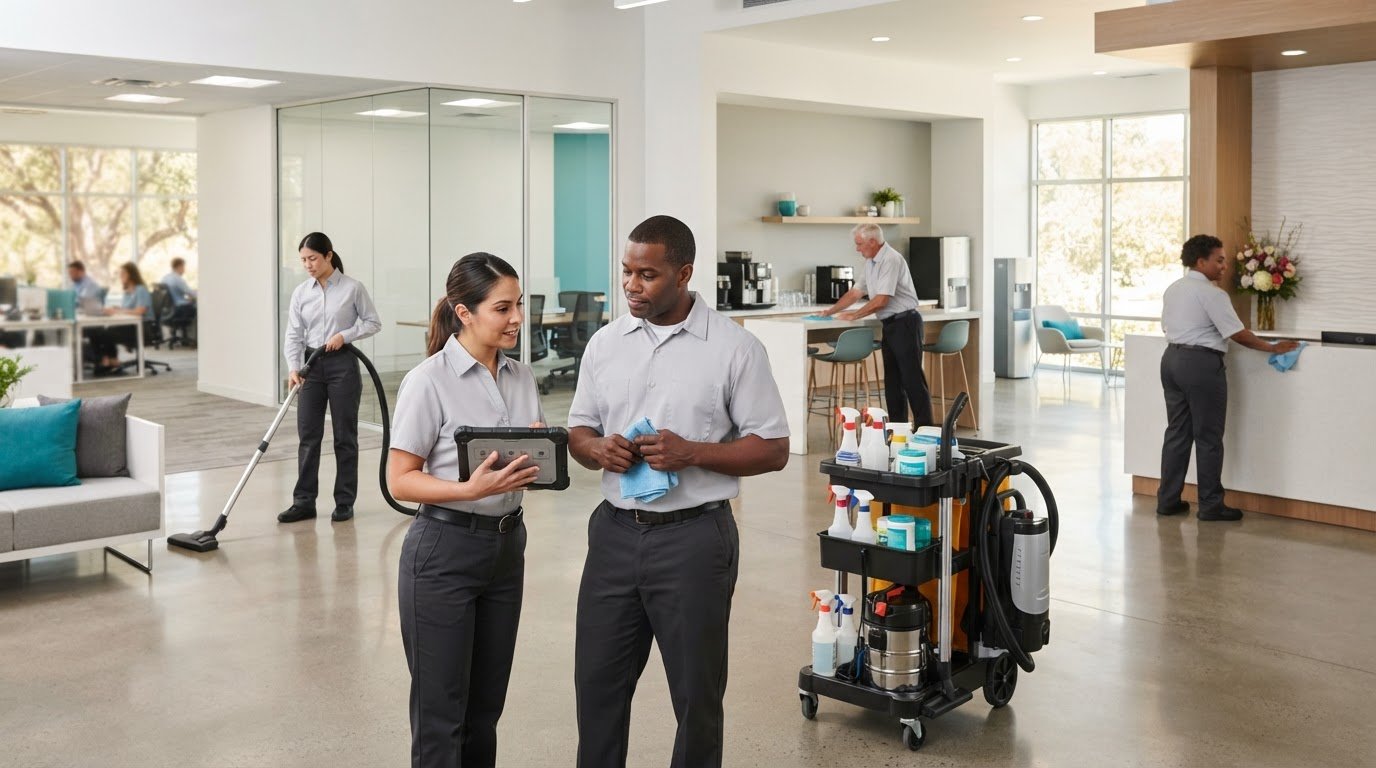
This is a planning framework, not a fixed route. Managers can assign areas by floor, location, or priority, then adjust the sequence when meetings, deliveries, or tenant traffic change. A handoff log can record unfinished tasks, supply needs, and maintenance concerns so the next shift knows what needs attention.
Spill expectations should identify who responds, how the area is made safe, and how the incident is reported. For a flagged spill in a Sacramento office-building lobby or kitchen, the guide recommends that the porter arrive within 10-15 minutes. Staff can remove the immediate hazard, keep people away from the affected spot, and notify the appropriate property contact.
A toilet overflow also needs a clear escalation process. The porter can restrict access to the affected restroom, report the overflow and its location, and follow building procedures while maintenance handles the plumbing issue. Keeping cleaning and repair responsibilities separate helps managers coordinate a response without leaving the problem unreported.
Restroom supply expectations can also be written into rounds. Sacramento guidance recommends refilling a restroom dispenser within 15 minutes of an alert. A routine should identify which areas the porter checks, how alerts are received, and how completed work is recorded.
Review the schedule with staff and property managers as building use changes. A written plan should name coverage hours, priority locations, response steps, and ongoing reporting expectations. Clear assignments help maintain the building’s appearance throughout the day and make it easier to spot gaps or duplicated tasks.
Cleanit Maintenance Systems day porters may empty trash and recycling bins before they overflow. The sample late-day hand-off runs 5:00-6:00, allowing staff to pass along outstanding needs when partnering with a reliable day porter for office building Sacramento.
Day-porter professionalism, training, and reliability
Reliable service depends on trained staff, clear responsibilities, and consistent communication with property managers. These practices help a porter follow the routine, care for tenant spaces, and report issues promptly.
Reviews, Experience, and Service Quality
Compare Sacramento companies by looking for specific examples in reviews, such as dependable attendance, careful cleaning, or clear communication. General praise offers less insight than comments describing how staff handled a missed task or a changing request.
Discuss experience with properties similar to yours, including shared offices or multi-floor buildings. Ask how supervisors assess daily work and how staff learn site routines. These details reveal more about service quality than broad claims of experience alone.
Cleaning and Safety Standards
California office buildings benefit from written cleaning procedures, task-specific training, and consistent use of products according to their labels. A porter’s routine should explain how to handle touchpoints, restrooms, floors, and spills while following the property’s safety procedures.
For example, responding to a wet floor should include addressing the hazard, keeping people clear, and notifying the appropriate contact. Building procedures should also explain how staff manage supplies, vacuum equipment, and cleaning tools between work areas.
Verifying Insurance, Licensing, and References
Review current insurance documentation and confirm that the named business and coverage details match the service arrangement. Check whether licensing applies to the work being performed, and use the relevant official licensing records to verify it.
References can clarify how a company manages attendance, staff changes, and routine communication. Ask for examples from comparable office properties, then discuss concrete topics such as missed shifts, supply coordination, and how managers received updates.
Assessing Porter Performance and Reliability
Use a written checklist to track attendance, completed rounds, restroom supplies, and reported issues. A monthly tenant survey can assess cleanliness and responsiveness, with a guide target of at least 8.5 out of 10 monthly. For daytime porter presence, its recommended target is at least 9 out of 10 monthly.
Review results with property managers and compare recurring concerns with daily records. A clear communication process should show who receives reports, how follow-up is recorded, and whether scheduled tasks are completed consistently.
Outsourced coverage can bring risks such as inconsistent staffing, unclear task ownership, or delayed reports. Reduce these gaps with a site orientation, written responsibilities, a defined handoff, and an escalation path for safety or maintenance concerns.
Training should include a building walk-through, equipment use, supply locations, and reporting routines. For instance, staff should know which vacuum to use in carpeted areas and where to record a tenant’s concern. These practical steps make expectations clear and support dependable service.
Cleanit Maintenance Systems: Commercial Janitorial
Cleanit Maintenance Systems provides commercial janitorial care for Sacramento offices that need dependable upkeep during the workday. Its day porter services address recurring needs in shared spaces, while office cleaning and daily cleaning services support a broader, coordinated routine.
Choose this service when your building needs clearly assigned daytime attention alongside regular janitorial care. A property-specific plan can align porter responsibilities with your office’s traffic, priorities, and operating schedule, helping managers maintain orderly workspaces without coordinating every routine task themselves.
For an office cleaning plan shaped around your building, contact Cleanit Maintenance Systems to discuss your needs.
Make Daytime Care Part of Your Building’s Plan
A useful next step is to turn your building’s priorities into a practical service brief. Note which spaces shape the tenant experience, where routine upkeep would ease property operations, and how daytime cleaning should fit around the workday. This gives you a clear starting point for planning ongoing support.
If you’re looking for a reliable day porter for an office building in Sacramento, Cleanit Maintenance Systems can align its commercial janitorial, office cleaning, and daily cleaning services with your property’s needs. A conversation about your building’s priorities can help establish a suitable scope and show how daytime care fits alongside regular cleaning.
Contact Cleanit Maintenance Systems today to take the next step toward a well-supported workplace. With a plan grounded in your property’s actual needs, you can move forward with greater clarity and confidence.
Frequently Asked Questions
What Makes a Good Day Porter in Class A/B Buildings?
A good day porter combines professional conduct, attention to tenant-facing details, and dependable communication. In a Class A or B office building, that can mean greeting visitors courteously, respecting access boundaries, and maintaining a composed presence around active workspaces. A reliable day porter for an office building in Sacramento should also understand site routines, know who receives issue reports, and follow through on tasks assigned by property managers.
What services does a day porter provide for an office building?
A day porter handles recurring upkeep and practical requests during building operations. For example, staff may tidy a shared conference room after a meeting, collect scattered materials from reception, or tell management when a fixture needs attention. Duties depend on the property’s needs and agreed scope. In Sacramento offices, defining the porter’s responsibilities helps prevent confusion with repair work or specialized cleaning.
How much does day porter service cost in Sacramento, California?
Day porter service pricing depends on the property and its service requirements, and a quote is provided after a request. Factors include the areas covered, schedule, task frequency, and staffing needed to complete the agreed duties. A Sacramento office that needs focused lobby upkeep has different requirements from a multi-floor facility with several shared spaces. A clear scope helps ensure the quote reflects the requested work.
What should a day porter service agreement include, including duties, schedules, and response times?
A useful agreement should define the covered areas, recurring duties, coverage schedule, reporting process, and how urgent requests are handled. It should also identify the property contact, explain how task changes are approved, and state how completed work is documented. For example, specify who receives notice about a spill or an out-of-service fixture. Clear terms help the porter team and Sacramento property managers coordinate daily operations.