What if a cleaner office could support employee health without guaranteeing fewer sick days? For Sacramento employers facing recurring absences and disrupted coverage, office cleaning to reduce employee sick days is a sensible part of the conversation, but cleaning is only one part of workplace health. Ventilation, hand hygiene, shared-space habits, and other prevention measures also matter.
It’s understandable to want a clear answer when absences affect daily operations. Consistent cleaning can help keep frequently touched and shared areas clean, yet it can’t prevent every illness or explain on its own why employees are getting sick. A useful approach sets realistic expectations and makes the cleaning scope and schedule clear.
This guide explains how cleaning may support workplace health, what it can’t guarantee, and which office areas deserve regular attention. You’ll also find practical ways to assess whether a cleaning program is consistent and suited to your workplace. Cleanit Maintenance Systems provides commercial janitorial services in the Greater Sacramento area, including daily office cleaning and day porter services. The focus here is on choosing a reliable partner and a program that fits your office’s needs.
Key Takeaways
- Use a clear cleaning scope and schedule to make routine tasks easier to track and review.
- Match cleaning, sanitizing, or disinfecting practices to the surface and follow product-label directions.
- Compare routine janitorial cleaning, targeted disinfection, and employee hygiene by purpose and limits.
- Assess whether office cleaning to reduce employee sick days fits into a broader, practical workplace health plan.
- Choose a Sacramento cleaning partner based on task clarity, dependable communication, and experience suited to your office’s daily operations.
How Office Cleaning to Reduce Employee Sick Days Fits Into Workplace Health
Consistent office cleaning may support workplace hygiene, but it can’t guarantee fewer employee sick days. Cleaning can remove dirt and reduce some opportunities for germs to transfer from shared surfaces; it can’t prevent every infection or explain every absence. A practical view of office cleaning to reduce employee sick days treats cleaning as one part of a wider approach to workplace health, not a standalone solution.
Cleaning’s role is supportive: it helps maintain shared spaces and manage surface contamination, while other prevention measures address risks cleaning cannot. The right priorities depend on how employees use the office, which surfaces they share, and what the cleaning scope covers.
This short video offers another perspective on the role of cleaner office surfaces:
What office cleaning can reasonably contribute
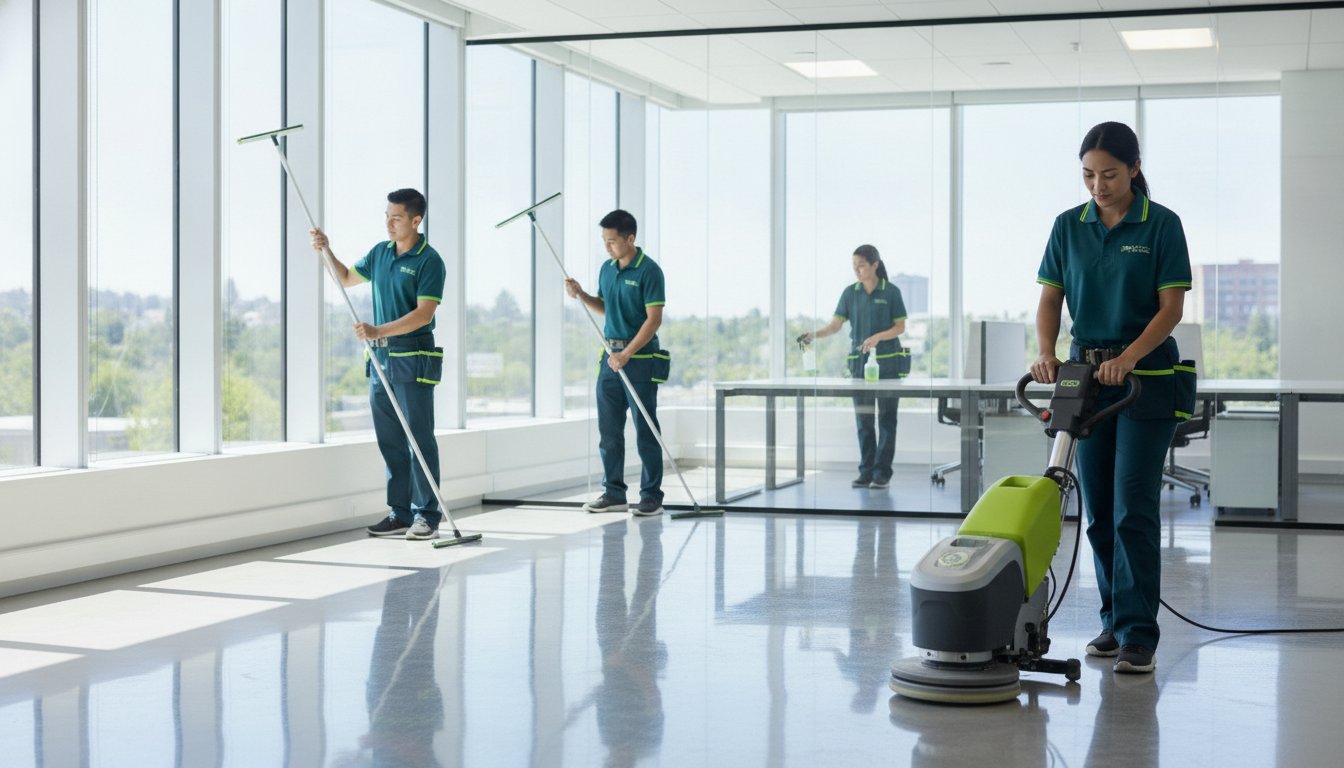
Routine cleaning removes everyday dirt and addresses shared surfaces employees touch often, such as meeting-room tables, door handles, and shared counters. A cleaning plan should reflect actual use: a frequently shared space may need different attention from a rarely used room. The service scope also matters, so clarify which tasks are included and how often they’re performed.
A tidy appearance can reassure staff, but it doesn’t establish that an indoor environment is healthy or free from infection risks. Occupational hygiene offers a broader framework for identifying and managing workplace hazards, including biological ones. Cleaning contributes to that effort, but it isn’t the whole system.
Why sick days have more than one cause
Illness can spread through different routes depending on the pathogen. Some germs may transfer through contaminated hands or surfaces; others can spread through the air. Wiping shared surfaces alone won’t address every potential route. Ventilation, hand hygiene, and staying home when ill also support workplace health, each in a different way.
These measures shouldn’t be treated as interchangeable. Cleaning practices are shaped by the office layout and service responsibilities; ventilation is a building consideration; and employee behavior and organizational health policies influence how people respond when they feel unwell. If absence rates change, don’t attribute the difference to cleaning without reliable evidence that accounts for these other factors. A more grounded goal is a clear, consistent cleaning program that supports the broader health practices in place.
How Workplace Cleaning Fits Into Infection Prevention
A useful cleaning plan starts by distinguishing what each task is meant to do. The terms cleaning , sanitizing , and disinfecting describe different processes, so they shouldn’t be used as though they’re interchangeable. For offices considering office cleaning to reduce employee sick days , clear definitions help managers set a sensible scope and discuss expectations with a cleaning provider.
Cleaning, sanitizing, and disinfecting serve different purposes
Cleaning removes dirt and many germs from a surface, usually with a cleaning product and physical action such as wiping. Sanitizing reduces germs on a surface to a level considered acceptable under applicable guidance. Disinfecting uses an appropriate product to kill or inactivate germs listed on its label. Disinfecting doesn’t replace cleaning when a surface is visibly dirty.
For disinfection, the product must be suitable for the surface and intended use. Follow label directions, including how long the surface needs to remain visibly wet and any instructions about preparation or safe use. Don’t assume a product works against every germ or in every setting. Check the label to confirm its intended use and any relevant claims.
Office cleaning also sits within broader workplace sanitation. OSHA's sanitation standard (1910.141) addresses workplace sanitation topics such as restrooms and waste disposal. Reviewing the standard can help employers understand relevant requirements, while a cleaning scope should still reflect the specific workplace and applicable rules.
Prioritize areas by use and layout
High-touch surfaces are a practical starting point, but the right priorities depend on how people move through and share the office. Consider:
- Shared desks and meeting rooms: Include commonly used work surfaces and shared equipment in the scope, with clear responsibility for items employees handle.
- Door handles and shared counters: Assess how often staff and visitors touch them, especially in busy areas.
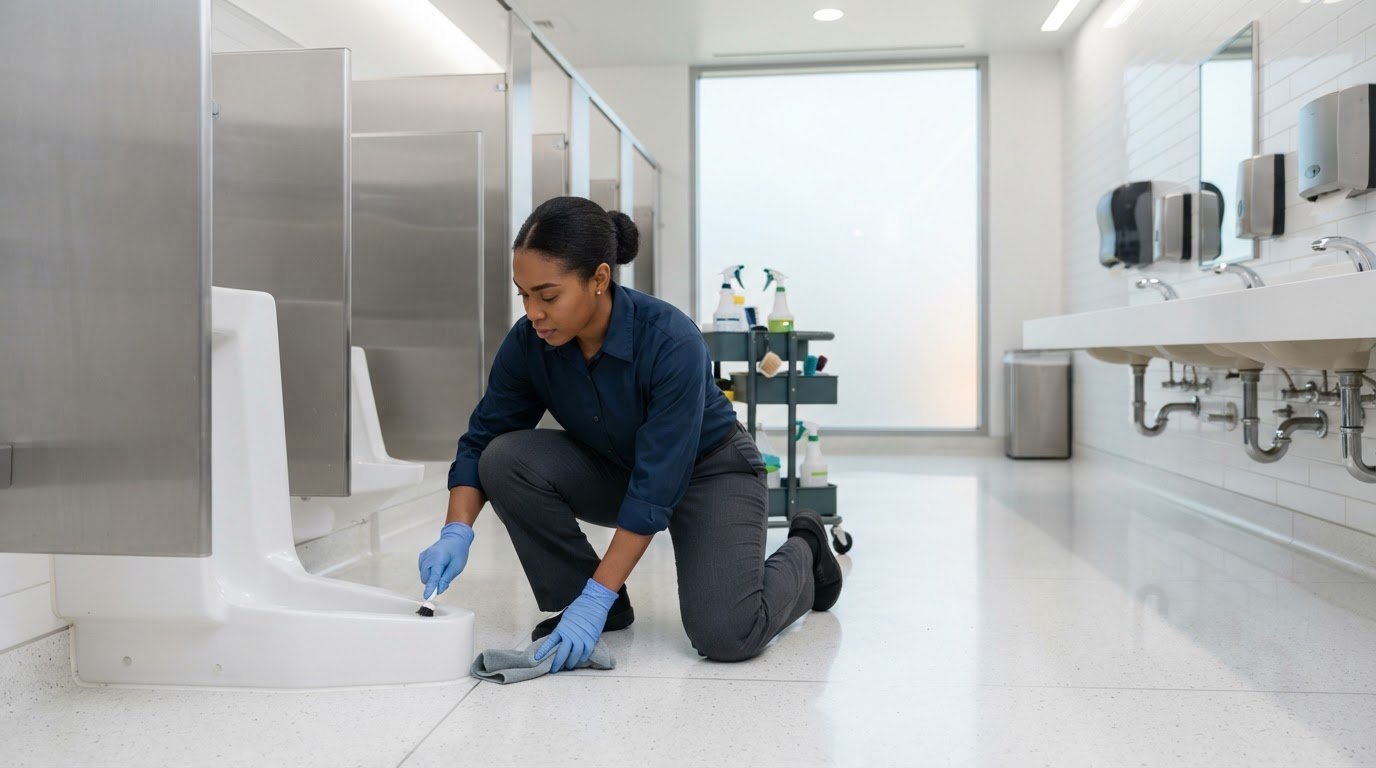
- Break areas and restrooms: Account for shared surfaces, fixtures, and waste as part of a complete facility plan.
Set frequency and task details according to actual use rather than applying the same routine everywhere. A desk used by several people may need a different plan from a private workspace. For service-scope context, review daily office cleaning services and identify which areas and tasks your workplace needs covered.
Cleaning works best as one layer of prevention, alongside suitable ventilation, hand hygiene, and clear expectations for staying home when ill. Keeping those responsibilities distinct makes it easier to see what a cleaning program can reasonably contribute and where other workplace measures are needed.
Office Cleaning Strategies Compared: What Helps and What Has Limits
No single cleaning approach covers every workplace risk. A practical plan combines routine care for shared spaces with targeted disinfection when appropriate, while employees and employers support hygiene in ways cleaning staff can’t provide. The right mix depends on how the office is used, the surfaces involved, and current public-health guidance, not on treating every surface as equally risky.
| Approach | Purpose and suitable use | Limit |
|---|---|---|
| Routine janitorial cleaning | Maintains shared areas and addresses everyday dirt and frequently used surfaces on a planned schedule. | Doesn’t eliminate every germ or address risks that spread through routes other than surfaces. |
| Targeted disinfection | May be considered for specific situations or surfaces, based on the setting, relevant guidance, and product-label directions. | Not every surface needs the same treatment or frequency. Product suitability and instructions must be verified. |
| Employee-led hygiene | Supports day-to-day care through hand hygiene, responsible shared-space habits, and following workplace illness policies. | Can’t replace professional cleaning, ventilation measures, or clear organizational policies. |
Match cleaning to the situation
Routine cleaning provides ongoing care for shared spaces. Targeted disinfection is a separate decision, not an automatic extension of every cleaning visit. Consider the area’s use, the reason for disinfection, and applicable public-health guidance. Before selecting a product or making claims about what it can do, check its label and confirm it’s appropriate for the surface and intended use. Avoid fear-based overuse: a consistent, well-defined scope is more useful than applying identical treatment everywhere.
For decision-makers assessing office cleaning to reduce employee sick days , evaluate whether the service tasks reflect actual office needs. You can review office cleaning services and compare the scope with your shared spaces, operating patterns, and cleaning responsibilities.
Keep the wider prevention picture in view
Cleaning can’t set building ventilation, establish an illness policy, or remind every employee to practice hand hygiene. Those measures need separate attention. Employers should also consult qualified professionals about building-specific indoor-air concerns and use relevant public-health guidance when reviewing workplace practices. Together, these layers support a more considered prevention plan, without treating cleaning as a substitute for broader measures.
Build an Office Cleaning Plan That Is Consistent and Measurable
A dependable cleaning plan makes expectations visible: what gets cleaned, when, who is responsible, and how concerns are handled. That structure helps an office assess whether its cleaning program is being delivered consistently, without assuming that cleaning alone will change employee absence rates.
Use this process to build a plan around your workplace:
- Assess the spaces. Map shared desks, meeting rooms, break areas, restrooms, and other commonly used spaces. Consider staff movement, occupancy patterns, shared equipment, and how the office operates throughout the day.
- Define the scope. List the tasks, areas, and timing expected for each visit. Note exceptions, such as spaces that need a different approach or areas outside the cleaning provider’s responsibilities. For a site-specific discussion, compare your needs with office cleaning services in Sacramento.
- Assign responsibilities. Clarify which tasks belong to the cleaning provider and which are handled by employees or facility staff. In shared work areas, make responsibility for desks and equipment clear.
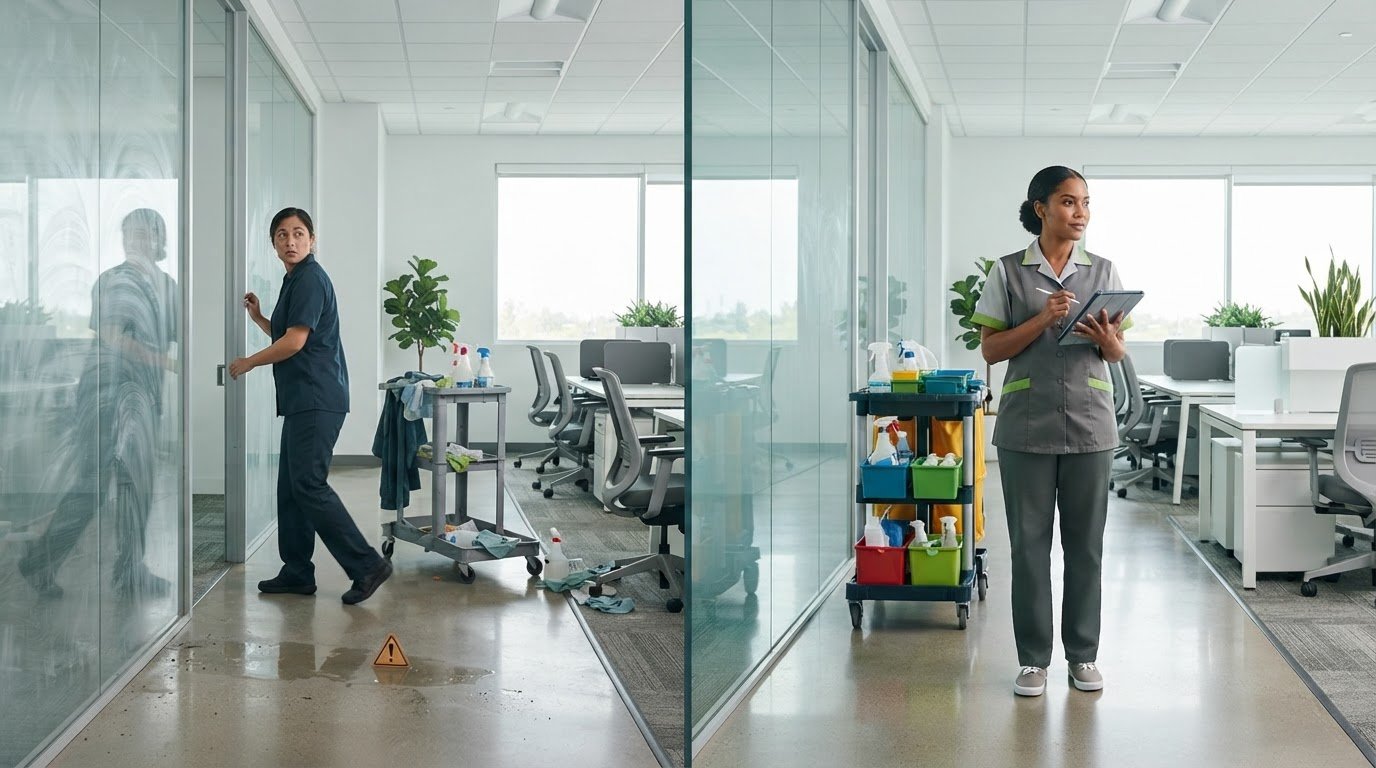
- Communicate the plan. Give staff and the cleaning contact a straightforward way to report missed tasks, changing needs, or service concerns. Record who receives issues and how they’re followed up.
- Review and adjust. Revisit the scope when occupancy, room use, or workplace routines change. Keep the plan current rather than relying on assumptions about how the space is used.
Set priorities around your office’s use
Prioritize areas based on actual use, not just appearance. A shared conference table used throughout the day may need different attention from a seldom-used office. Consider visitor traffic, shared equipment, and changes in how teams use the space. Clinics have distinct operational needs, so don’t apply a general-office plan without checking relevant, setting-specific standards.
Review performance without overstating health outcomes
Track service delivery separately from health outcomes. Completion checks, records of reported issues and their resolution, and staff feedback can help show whether the agreed scope is being followed. Sick-day patterns may also be monitored, but interpret them cautiously: seasonality, community illness, ventilation, employee practices, and workplace policies can all influence absences.
If absence rates shift, that alone doesn’t establish that cleaning caused the change. A sound review asks whether tasks were completed consistently and whether the overall workplace plan needs adjustment. To discuss a cleaning scope suited to your office, review Cleanit Maintenance Systems office cleaning services.
Choosing a Sacramento Office Cleaning Partner for Long-Term Consistency
A cleaning plan only works as intended when its scope is clear and its delivery is dependable. As you compare providers, look beyond a general promise to keep the office clean. Ask how tasks are defined, how changes are communicated, and how your team can raise a concern and confirm it has been addressed. These details make it easier to manage expectations over time.
Questions to ask before choosing a provider
- What’s included? Ask for a clear description of the spaces and tasks covered, along with any exclusions or responsibilities that remain with your staff.
- How is the schedule set? Discuss how the proposed schedule accounts for occupancy, shared-space use, and your office’s operating hours. Confirm that the provider can address the spaces and timing your workplace requires.
- How are issues handled? Ask who receives service concerns, how they’re communicated, and how follow-up is recorded.
- What relevant experience does the provider bring? Look for experience with commercial offices and the type of facility you manage. Broader facility-care considerations can also help you frame questions about scope and consistency.
For an office evaluating office cleaning to reduce employee sick days , a suitable provider should be clear about the service they deliver and realistic about what cleaning can accomplish. A reliable cleaning relationship supports workplace upkeep; it shouldn’t be presented as a guarantee of fewer absences or protection from every illness.
When daily cleaning or day porter service may fit
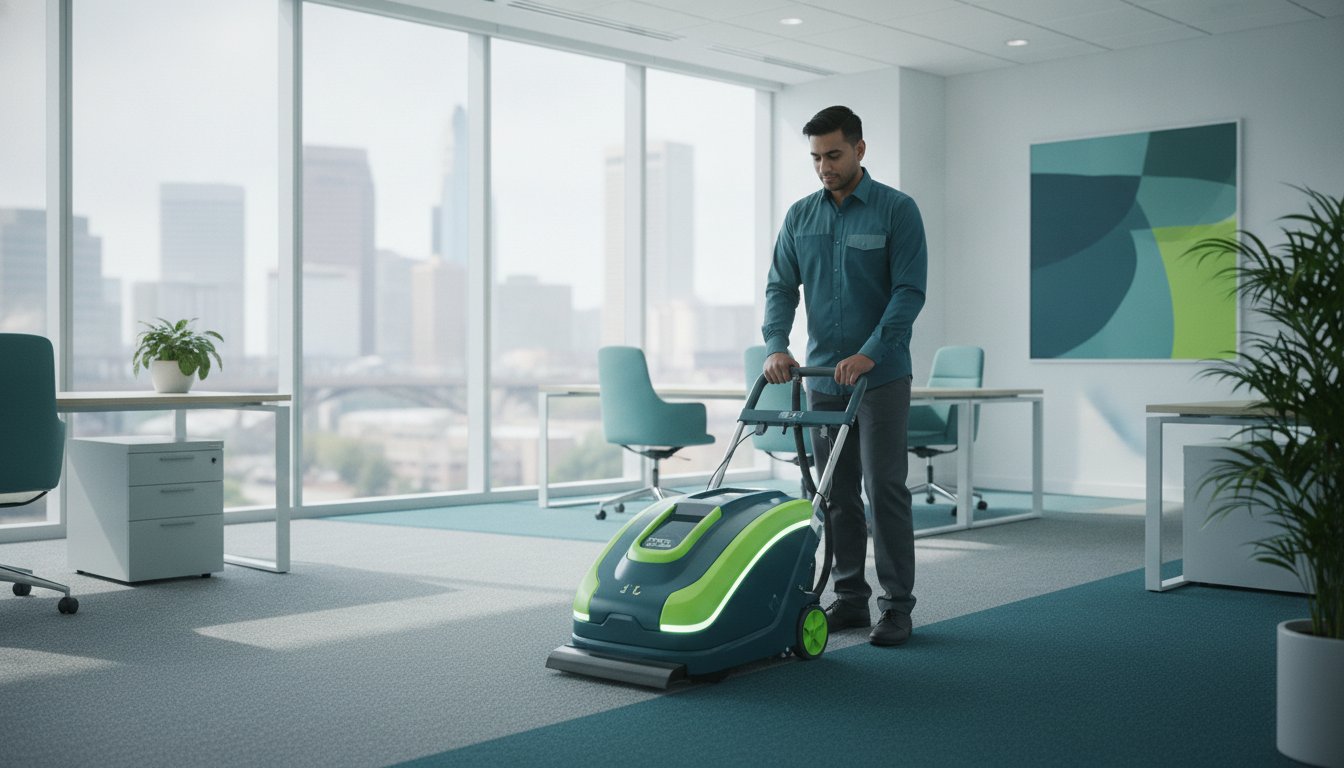
The right arrangement depends on how your office functions. Daily cleaning services may suit workplaces that need regular attention to shared areas and routine tasks. Day porter services may be worth discussing if busy spaces need attention during business hours. Neither option is a universal fit, and no single frequency suits every Sacramento office. Consider how many areas are shared, when they’re busiest, and which needs arise during the workday.
Cleanit Maintenance Systems provides commercial janitorial services in the Greater Sacramento area, including daily office cleaning and day porter services. These services offer a basis for discussing your facility’s needs, not a promise of health outcomes. Review Cleanit Maintenance Systems’ commercial cleaning services and consider how they align with your workplace’s scope and operating patterns.
A practical next step is to prepare a list of your spaces, priorities, schedule needs, and communication expectations. Then discuss whether Cleanit’s commercial cleaning services may suit your office.
Build a Healthier Workplace With a Consistent Plan
Consistent cleaning can support workplace hygiene, but it can’t guarantee fewer employee sick days. The most practical approach is to set a clear scope for shared spaces, keep cleaning responsibilities and communication consistent, and treat cleaning as one part of a broader health plan that includes ventilation, hand hygiene, and staying home when ill.
For Sacramento employers considering office cleaning to reduce employee sick days , assess what your workplace needs and how those needs can be addressed reliably. Cleanit Maintenance Systems provides commercial office cleaning and day porter services in the Greater Sacramento area. Discuss your spaces, operating patterns, and priorities when considering a plan, without expecting cleaning alone to prevent illness.
Frequently Asked Questions
Can office cleaning reduce employee sick days?
Consistent office cleaning can support workplace hygiene, but it can’t guarantee fewer sick days or prevent every infection. A well-defined scope may include shared desks, meeting-room surfaces, and other frequently touched areas. Employee absences can also be influenced by ventilation, exposure outside work, personal health practices, and workplace policies. For Sacramento employers, cleaning is best treated as one practical layer of a broader approach to workplace health.
How often should an office be professionally cleaned?
There’s no single cleaning schedule that fits every office. Frequency depends on occupancy, how rooms and shared surfaces are used, operating hours, and the tasks included in the service scope. A busy shared workspace may have different needs from a lightly used office. Work with your provider and workplace manager to set a practical plan, then review it if staffing, room use, or business operations change.
Does disinfecting an office prevent employees from getting sick?
No, disinfecting doesn’t guarantee employees will avoid illness. It may be appropriate for certain surfaces or situations, but it doesn’t address every route through which an illness may spread. Select products for their intended use and follow label directions, including any required contact time. Consider applicable public-health guidance alongside routine cleaning, ventilation, hand hygiene, and workplace policies for employees who feel unwell.
What office surfaces should be cleaned most often?
Prioritize surfaces based on how frequently they’re touched and how many people use them. Common examples include door handles, shared desks, meeting-room tables, break-area counters, and restroom surfaces. The right cleaning scope depends on your office layout and daily activities, so avoid assuming every surface needs identical attention. A site assessment can help Sacramento workplaces identify shared areas that deserve priority and set tasks that fit actual use.
Can office cleaning alone stop viruses from spreading at work?
No, office cleaning alone can’t stop every virus from spreading. Cleaning addresses dirt and contamination on surfaces, but transmission routes vary by pathogen. Ventilation, hand hygiene, staying home when ill, and relevant public-health guidance may also be important parts of workplace prevention. Employers should define how these responsibilities fit together rather than relying on cleaning as a guarantee against infection. A clear plan helps staff understand what cleaning can and can’t do.
How can a Sacramento business evaluate an office cleaning company?
Ask for a clear scope, a defined schedule, a practical way to report missed tasks, and relevant experience with commercial spaces like yours. Confirm that the provider can address your office’s areas and operating hours, and ask how service concerns and scope changes are communicated. Cleanit Maintenance Systems provides commercial office cleaning and day porter services in the Greater Sacramento area.
Should we track sick days after changing our cleaning plan?
You can review absence trends, but don’t treat a change as proof that cleaning caused it. Sick days can vary with seasonality, community illness, staffing, workplace policies, and other factors. Track cleaning completion, service concerns, and employee feedback separately from absence data. This gives managers a clearer view of whether the agreed cleaning scope is being delivered and how staff experience the workplace, without overstating the health impact of the program.
Contact Cleanit Maintenance Systems to discuss a cleaning plan for your Sacramento workplace.