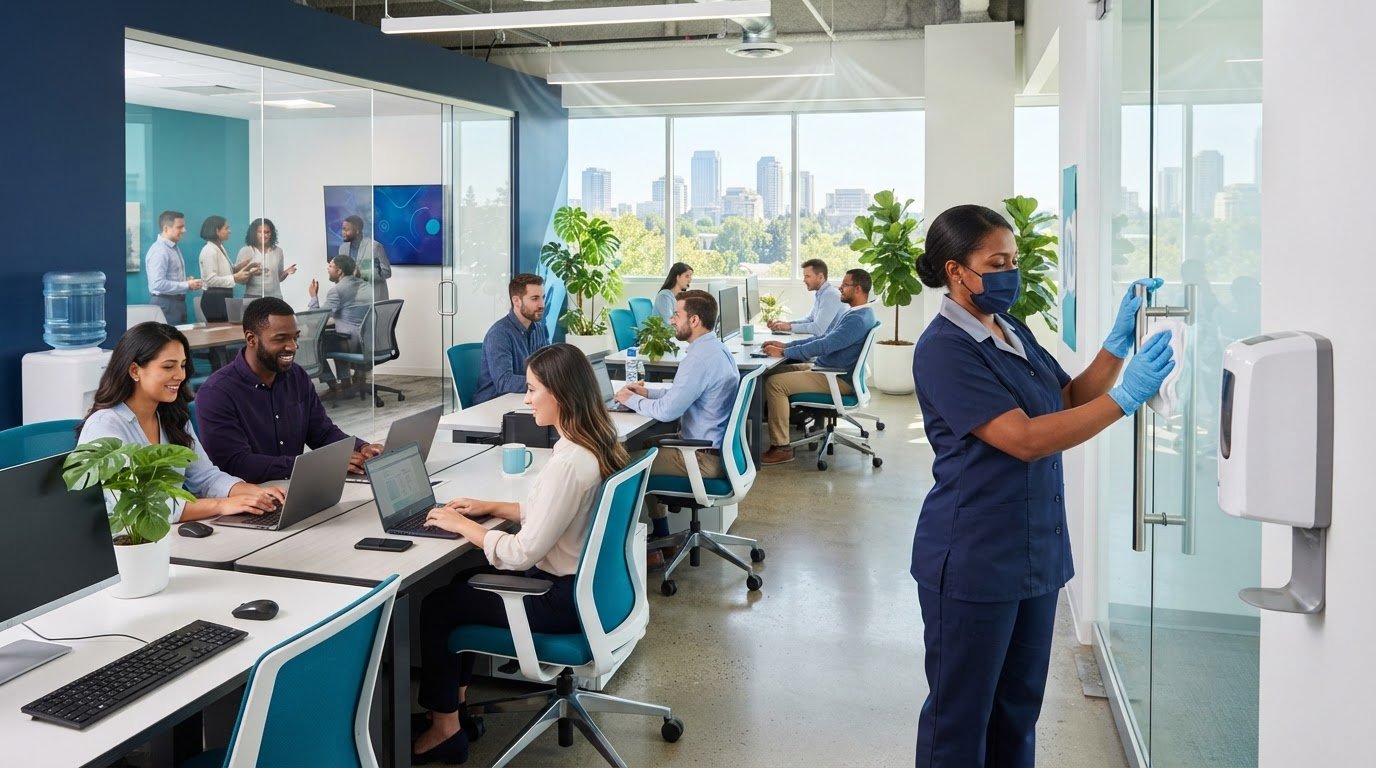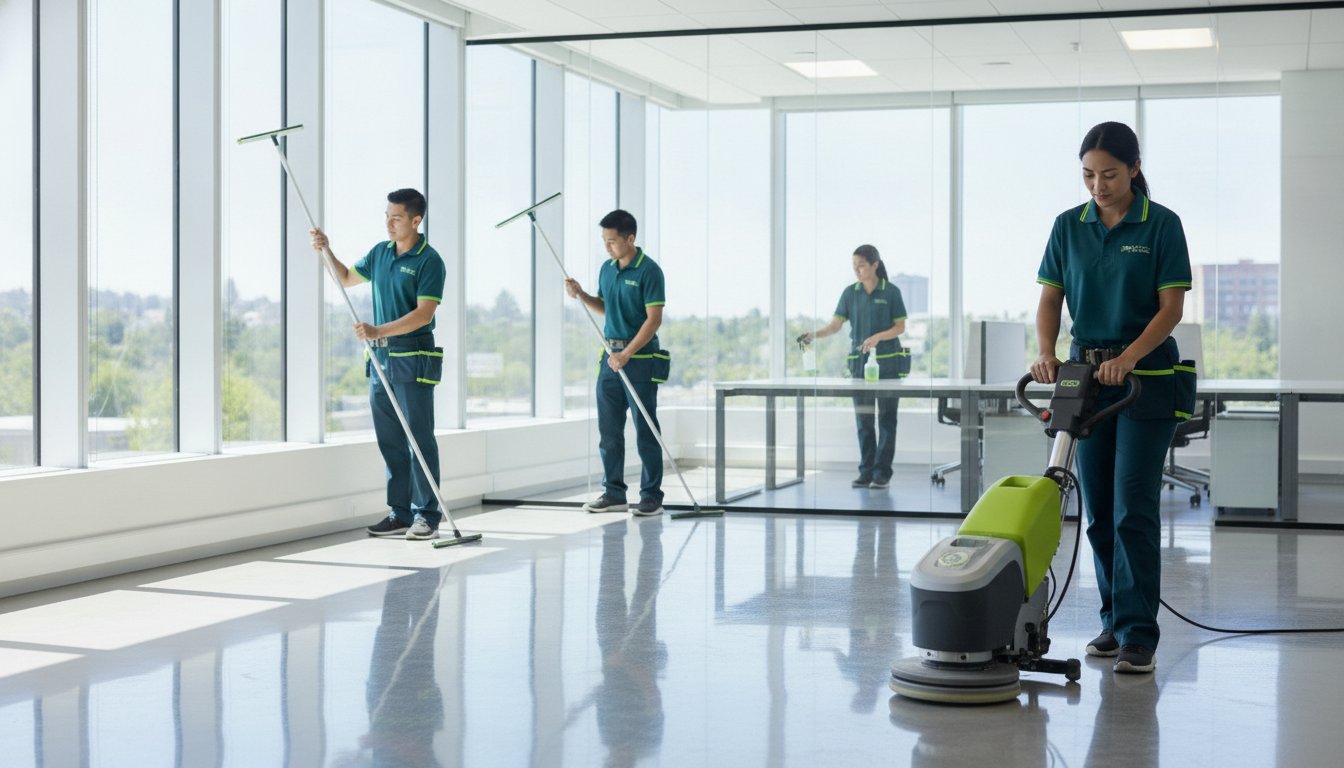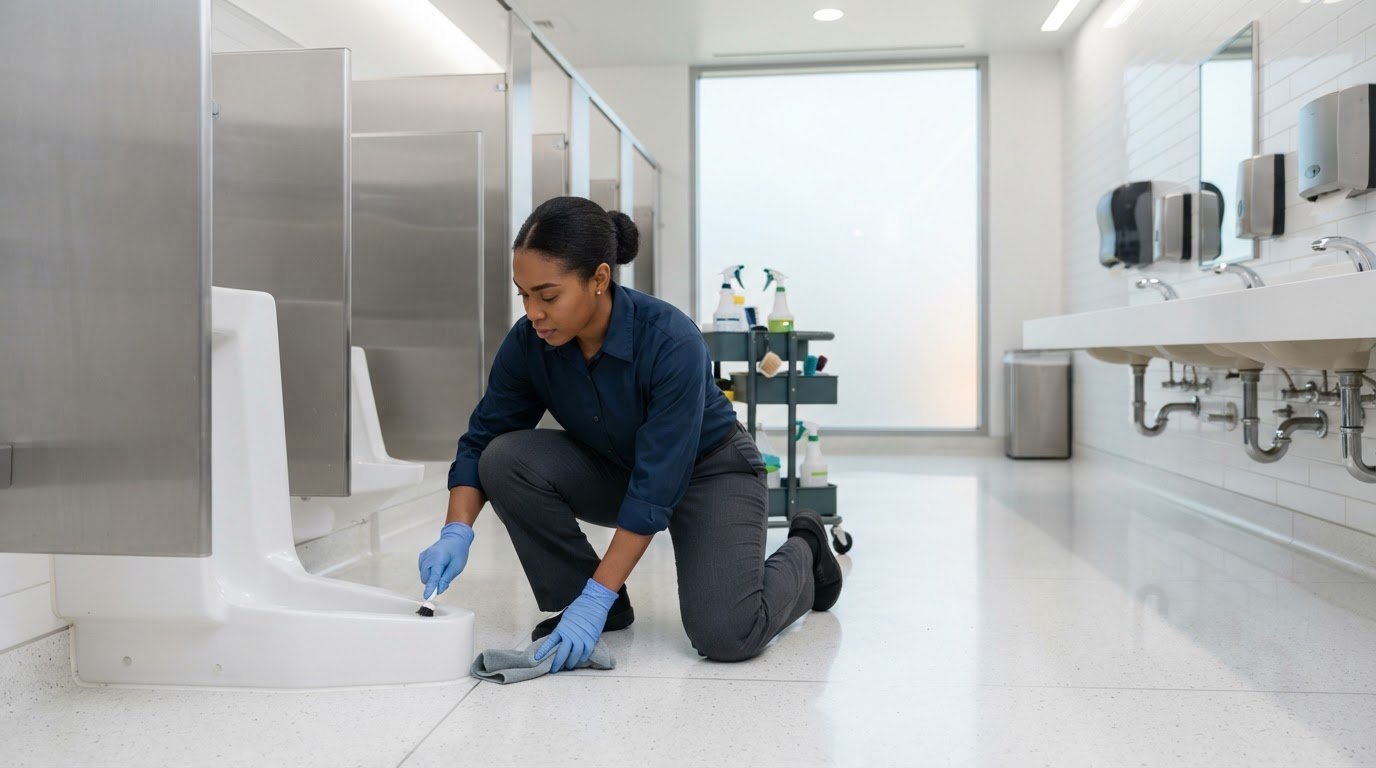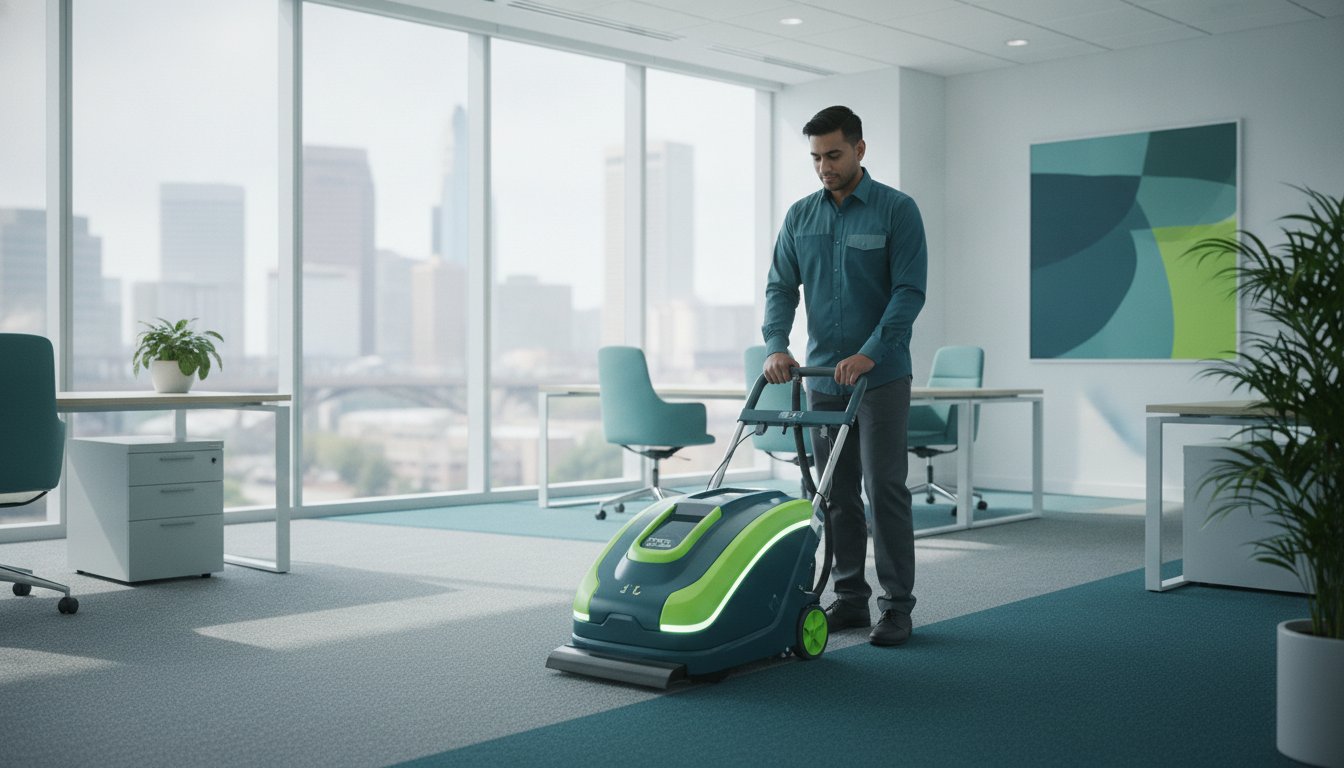
What if a cleaner-looking office still has the same overlooked tasks each week? For Sacramento managers, the problem is often not a lack of effort but unclear ownership and no consistent way to check results. A practical cleaning checklist for office managers Sacramento teams can share makes expectations visible, from restocking shared kitchens to tracking when floors or windows need attention.
It’s understandable to want a simple way to know what staff should handle, what belongs to cleaning personnel, and whether each area is receiving the right level of care. This guide will help you build a repeatable routine, set priorities, and assess cleanliness without relying on guesswork. You’ll find daily, weekly, and periodic tasks, along with steps for assigning responsibility and inspecting shared spaces. You’ll also see how a documented checklist can support a useful conversation with a janitorial provider about service scope, including whether daily cleaning or day porter support fits your office routine.
Key Takeaways
- Make the cleaning checklist for office managers Sacramento teams use a shared record of tasks, frequency, ownership, and completion, not a substitute for training.
- Separate daily and weekly duties, then define visible completion standards for common areas and other frequently used spaces.
- Decide whether in-house staff or a janitorial provider should own each task by considering consistency, oversight, staff time, and equipment needs.
- Use brief inspection records to track observations, assign follow-up, and identify where cleaning routines need adjustment.
- Turn recurring findings into a practical service scope that may include daily cleaning, day porter support, or periodic specialty work.
What a Sacramento Office Cleaning Checklist Should Cover
Managers need everyday cleaning tasks to stay visible without checking up on every action. A shared checklist clarifies expectations by recording what needs attention, how often, who owns the task, and whether it’s complete. It supports training and communication, but it can’t replace either.
A cleaning checklist for office managers Sacramento teams can use should distinguish routine appearance checks, hygiene-sensitive tasks, and periodic maintenance. That structure helps staff and a cleaning provider agree on what “done” looks like. The broad scope of commercial cleaning also shows why duties and responsibilities should be agreed upon rather than assumed.
For a practical overview of office cleaning methods, watch this video:
Which office areas belong on the checklist?
Include spaces people use and areas that shape their first impression. Reception, workstations, meeting rooms, kitchens, restrooms, and shared touchpoints such as door handles or counters are useful starting points. Add entryways and corridors, where Sacramento dust, seasonal weather, and foot traffic can leave visible soil. For hygiene-sensitive tasks, specify the surface and expected result instead of relying on a broad instruction like “sanitize.”
Clinics, laboratories, and other specialized workplaces may need site-specific procedures beyond a general office checklist. Confirm those cleaning expectations with the people responsible for the space. See cleaning for laboratories and clinics for examples of specialized settings.
How should tasks be grouped by frequency?
Start with daily, weekly, monthly, and as-needed categories, then adjust them to match occupancy, room use, surface types, and observed conditions. A busy kitchen may need attention more often than a rarely used meeting room. Dry Sacramento summers can also contribute to dust accumulation, making entryways and exposed surfaces worth monitoring.
Keep periodic work separate from routine tasks. Carpet cleaning, floor restoration and protection, window washing, and exterior pressure washing each follow their own surface and condition needs. Don’t bury them in a daily task list. An actionable office cleaning checklist is a shared schedule of observable tasks, assigned owners, and completion records, adjusted to the way the site is actually used.
Daily and Weekly Cleaning Checklist for Sacramento Offices
A checklist works best when every task has a clear owner and an observable finish point. Use this framework as a starting place for a cleaning checklist for office managers Sacramento teams can adapt to their space. Add columns for task, assigned owner, frequency, completion, and notes so missed work or supply needs can be followed up without micromanaging.
Cleaning frequency should follow how people use a space, not a universal schedule. A busy kitchen, for example, may need more attention than a meeting room used occasionally. The ISSA Clean Standard can also help managers think in terms of consistent, defined cleaning outcomes.
Daily office cleaning checklist
- Waste: Remove waste from assigned shared areas and replace liners as needed. Record overflowing or unusual waste separately.
- High-use touchpoints: Clean agreed-upon shared touchpoints using the facility’s procedures and products.
- Visible spills and surfaces: Address visible spills promptly according to site procedures, and leave shared tables and counters visibly clean.
- Kitchen and restrooms: Check assigned surfaces and fixtures, remove waste, and note any restocking needs. Follow the facility’s procedures for hygiene-sensitive tasks.
- Entrances and common areas: Leave reception and entryways orderly, with floors and walkways free of visible debris.
For each task, provide a completion field for initials and time, plus space to note exceptions or supply needs. Cleaning staff can record cleaning work. Designate a separate owner for restocking, and ask employees to manage personal items and report spills or maintenance issues through the agreed process. Cleaning a surface doesn’t mean repairing a leak or replenishing every office supply.
Weekly office cleaning checklist
- Detail-clean reachable edges, ledges, and other surfaces that routine passes may miss.
- Refresh meeting rooms, including shared table surfaces and frequently handled items, according to site procedures.
- Review areas where buildup recurs, then adjust the task or frequency if observed conditions call for it.
- Note damage, maintenance concerns, and items needing follow-up rather than treating them as cleaning tasks.
Define completion in plain, visible terms: waste is cleared, common areas are orderly, and agreed surfaces look clean. Keep the schedule flexible as occupancy and use change. For Sacramento offices that need recurring professional support, daily office cleaning services can be considered alongside the tasks and standards documented in the checklist.
In-House Cleaning or a Sacramento Janitorial Provider?
Choosing who handles cleaning is less about finding one approach for every office and more about assigning work clearly. Employees may keep personal work areas orderly, while shared kitchens, restrooms, reception areas, and meeting rooms need named owners and defined standards. A cleaning checklist for office managers Sacramento workplaces can use helps reveal whether the current arrangement is consistent or leaves important tasks unclaimed.
When can an in-house checklist be enough?
In-house routines may suit a smaller, lower-traffic office when responsibilities are clear and staff can follow through without disrupting their main work. Before assigning shared-space duties, check that employees have time, appropriate supplies, and an agreed process for completing tasks and reporting concerns. Personal tidiness is a reasonable expectation. Specialized cleaning that calls for training or equipment shouldn’t be casually added to an employee’s role.
When should managers consider professional support?
Look at the pattern, not just a single missed task. Repeated gaps, a growing burden on office staff, changing occupancy, or surfaces that need specialist attention may signal that the internal routine needs support. Compare providers by their written task schedule, inspection and communication processes, and how the scope can reflect your building’s use. For background, see these commercial janitorial services in Sacramento.
Some cleaning work also involves safe handling practices. Managers can consult OSHA cleaning industry standards as a reference when reviewing relevant workplace safety requirements and responsibilities. Confirm which procedures apply to your facility and who is responsible for them.
| Consideration | In-house routine | Janitorial provider |
|---|---|---|
| Task ownership | Assign staff to specific shared areas; keep personal work areas separate. | Document which spaces and tasks are included in the agreed scope. |
| Staff time | Check that cleaning duties fit alongside employees’ primary responsibilities. | Review how recurring cleaning support may reduce the work assigned to office staff. |
| Consistency and oversight | Use a shared schedule and record exceptions for follow-up. | Ask how completion is documented, inspected, and communicated. |
| Specialist needs | Confirm staff have suitable training and equipment before assigning a task. | Discuss periodic needs such as carpet cleaning, floor care, or window washing. |
Day porter services may also be worth considering when an office needs cleaning attention during the workday. The right arrangement has clear ownership, a realistic schedule, and a reliable way to raise and resolve missed tasks.
How to Inspect, Document, and Improve Cleaning Consistency
A useful inspection checks agreed outcomes, not personal preferences. Keep the process brief and consistent so staff and a cleaning provider can understand what was observed, who owns the next step, and whether it was resolved. A cleaning checklist for office managers Sacramento teams can rely on becomes more useful when inspection notes reveal patterns, not just isolated misses.
A simple inspection routine
- 1. Walk the space. Follow a consistent route through the areas included in the cleaning scope, such as the entrance, shared work areas, kitchen, restrooms, and meeting rooms.
- 2. Check agreed criteria. Look for observable results listed on the checklist, such as cleared waste or visibly clean shared surfaces. Don’t add subjective standards during the inspection.
- 3. Record exceptions. Note the date, area, specific observation, responsible owner, and resolution status. Use “pass,” “needs attention,” or “not applicable” for each relevant item.
- 4. Follow up. Route the note to the person responsible, confirm the next step, and update the status when the issue is resolved.
Keep records concise and work-focused. For example, “Meeting room, table has visible marks, assigned cleaning team, follow-up pending” gives someone a clear next step. Avoid unnecessary personal information, and treat the notes as a practical management tool rather than implying they are regulatory records.
Responding to recurring gaps
One missed item may reflect a one-time condition. A repeated observation in the same area may point to a mismatch between the task, its frequency, and how the space is used. Before concluding that work was missed, confirm that the task is included in the agreed scope and schedule. Check whether occupancy, access, available supplies, or changing site needs affected the result.
Discuss a recurring pattern calmly with the responsible staff member or provider, using dated observations and the agreed completion criteria. Then decide whether expectations, task ownership, or frequency need adjustment. Consistent documentation makes that conversation specific and fair, while leaving room to correct misunderstandings before changing the routine.
If your inspection notes show a need to clarify recurring cleaning tasks or support, discuss office cleaning support with Cleanit Maintenance Systems.
Turn the Checklist into a Reliable Sacramento Cleaning Plan
A checklist becomes a practical cleaning plan when it connects observed needs to a clear scope, schedule, and communication routine. Use completed inspections to identify which tasks are consistently handled, where issues recur, and whether responsibilities or frequency need clarification. This gives managers a useful basis for discussing expectations with staff or a cleaning provider.
What information should managers prepare before requesting service?
Bring a concise picture of how the office operates. Include its size, operating hours, occupancy patterns, key spaces, and current pain points. Separate tasks that need daily attention from periodic needs such as carpet cleaning, floor restoration and protection, or window washing. Sharing the current checklist and inspection process helps both sides discuss what’s included, who owns each task, and how concerns will be communicated.
Different routines may call for different support. Office cleaning services can address recurring cleaning needs, while day porter services may suit workplaces that need cleaning support during the day. Periodic specialty work can be planned separately according to the surfaces involved and the conditions observed. Cleanit Maintenance Systems serves the Greater Sacramento area.
How can a cleaning plan stay useful over time?
Keep the plan current rather than treating it as a fixed document. Review completion records and recurring observations at an agreed interval, then revisit the schedule if occupancy, office layout, or use of shared spaces changes. A rarely used conference room may need a different routine than a busy kitchen, and changes in foot traffic can shift which areas need closer attention.
- Scope: Keep included spaces and tasks clearly listed, with daily work distinguished from periodic services.
- Ownership: Identify who completes each task and who handles restocking, maintenance reports, or follow-up.
- Communication: Make the reporting channel and escalation steps easy for staff and the provider to find.
A cleaning checklist for office managers Sacramento teams can maintain is a working tool. It should reflect actual use, make responsibilities clear, and give everyone a shared way to discuss results. For more perspective on organizing facility upkeep, explore a facility cleaning and maintenance guide alongside your site-specific records.
If you’re ready to discuss your office’s routine, priorities, and service scope, contact Cleanit Maintenance Systems to start a practical conversation.
Make Your Office Cleaning Plan Easier to Maintain
A reliable checklist turns cleaning expectations into routines people can follow and assess. Set clear task owners, group work by frequency, and use brief inspection notes to spot recurring gaps before adjusting the plan. The cleaning checklist for office managers Sacramento teams rely on should reflect how the office is actually used, not a one-size-fits-all schedule.
When in-house routines need support, Cleanit Maintenance Systems provides commercial janitorial and office cleaning services in the Greater Sacramento area. Its capabilities include daily cleaning, day porter services, carpet cleaning, floor restoration and protection, window washing, and pressure washing. A defined scope can help you discuss which support fits your office and which tasks remain with staff.
Start with your current checklist, occupancy patterns, and inspection findings. Then discuss a reliable cleaning plan for your Sacramento office with Cleanit. Clear expectations and steady communication can help you build a routine that keeps your workplace cared for and gives your team greater peace of mind.
Frequently Asked Questions
What should be included in an office cleaning checklist?
Include the spaces that need attention, the tasks for each space, how often they should happen, who owns them, and how completion is recorded. Common areas include reception, workstations, meeting rooms, kitchens, and restrooms. A cleaning checklist for office managers Sacramento teams can adapt should reflect occupancy, surface types, and site procedures. Specialized environments, such as clinics or laboratories, may need separate, site-specific instructions.
How often should an office be cleaned?
There’s no single schedule that fits every office. Set task frequency according to occupancy, foot traffic, shared-space use, surface conditions, and the service scope agreed with your provider. Daily checks may suit high-use areas, while other tasks can be reviewed weekly or scheduled periodically. Use inspection records to see whether the routine is working, then adjust it when office use or conditions change.
What should office managers check during a cleaning inspection?
Check the spaces and visible outcomes listed in the agreed checklist, such as cleared waste, shared surfaces, and kitchen or restroom condition. Use the same criteria each time rather than judging by personal preference. Record the date, area, observation, follow-up owner, and resolution status. Before marking a task as incomplete, confirm that it’s included in the service scope and was due at the time of inspection.
Should employees clean their own offices?
Employees can help keep personal work areas orderly, but managers should define what that means and separate it from shared-space cleaning. Before assigning staff cleaning duties, consider available time, supplies, training, and workplace procedures. A written checklist can distinguish individual responsibilities, such as keeping personal items organized, from tasks assigned to facilities staff or a cleaning provider. This clarity helps prevent shared duties from being overlooked.
When should a Sacramento office hire a janitorial service?
Consider professional support if routine tasks are repeatedly missed, cleaning takes staff away from core work, or the facility needs dependable recurring coverage. Compare providers by written scope, task frequency, communication practices, inspections, and relevant specialty services. Cleanit Maintenance Systems provides commercial janitorial and office cleaning services in the Greater Sacramento area, including daily cleaning and day porter services. A current checklist can help explain your office’s needs.
What is the difference between daily cleaning and day porter service?
Daily cleaning generally refers to scheduled tasks completed as part of a recurring service plan. Day porter service provides cleaning support during the workday for needs that arise while the office is occupied. The exact responsibilities depend on the facility and agreed scope. List your priorities, such as maintaining shared areas during business hours, then confirm which duties are included and who handles follow-up.
How can an office manager make sure a cleaning checklist is followed?
Assign each task to a responsible person or provider, set a practical frequency, and define what completion looks like. Use a simple record to note completed work and exceptions, then review recurring gaps with the responsible party. Confirm that the person has access and supplies, and check whether the task is part of the agreed scope. Update the checklist as occupancy or office use changes.
Does an office cleaning checklist cover carpet and floor maintenance?
A daily checklist can flag visible spills, debris, or floor concerns, but periodic carpet cleaning and floor restoration are separate maintenance tasks. Schedule them based on surface type, observed condition, and facility needs, rather than treating them as everyday duties. Record any recurring concerns and arrange appropriate support when routine cleaning isn’t enough. Cleanit Maintenance Systems provides carpet cleaning and floor restoration and protection for commercial facilities.