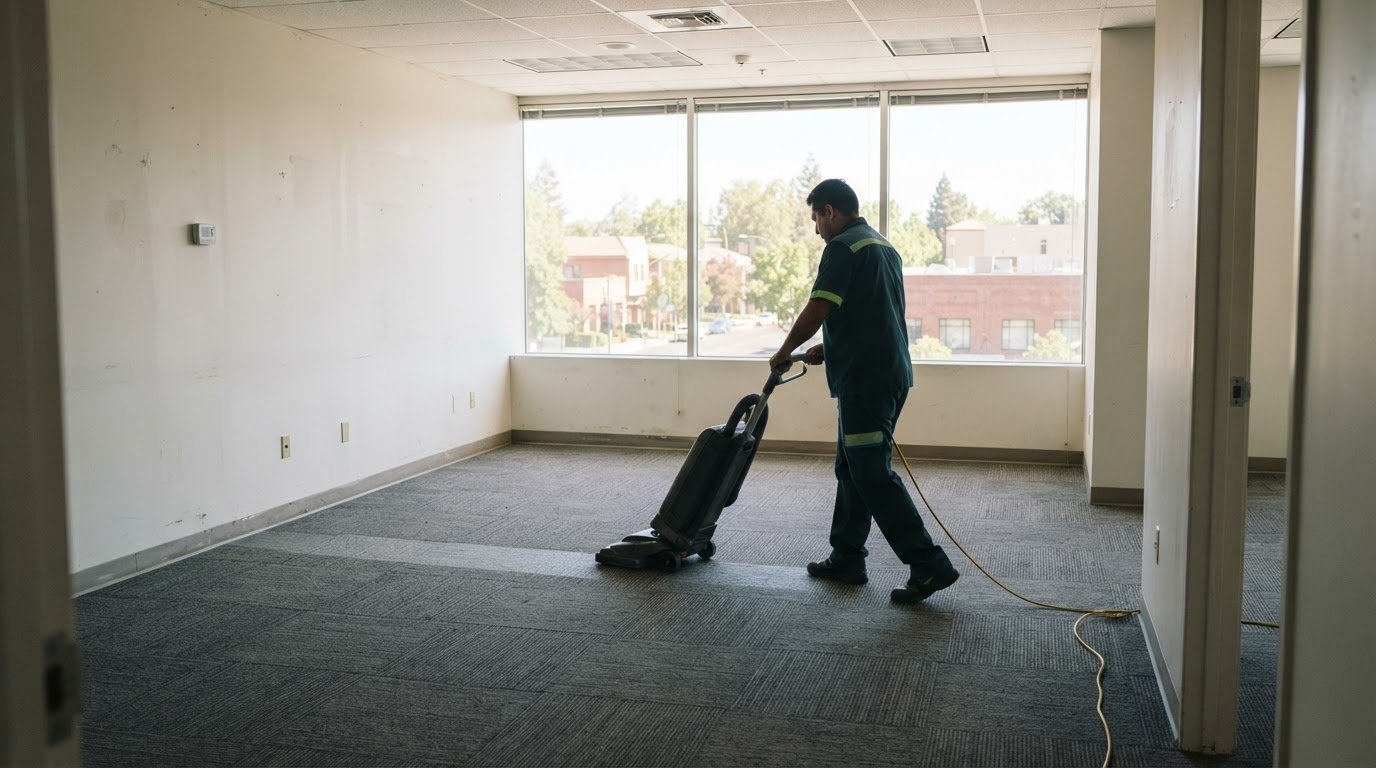
A clean classroom is only one part of a dependable daycare cleaning plan. Professional daycare and preschool cleaning services in Sacramento should account for the spaces children use throughout the day, from classroom tables and cubbies to low surfaces, restrooms, and play areas. It’s also reasonable to want clarity about who enters the facility and what screening standards apply to the cleaning crew. That concern belongs in the conversation alongside the cleaning schedule.
Room use, daily activity, and staff support between professional visits all shape a suitable cleaning plan. This guide explains how cleaning can address classrooms, cubbies, low surfaces, and play areas, and what to consider when setting a visit schedule. It also covers crew access, service expectations, and ways janitorial support can fit into a childcare center’s routines. A clear scope and schedule make it easier to understand what the service covers and how it supports your facility’s day-to-day needs.
Key Takeaways
- See how a cleaning scope can address changing stations, child-size restrooms, classrooms, cubbies, and play areas.
- Learn how facility use and daily staff routines help shape a practical schedule for a year-round childcare center.
- Understand how cleaning low surfaces and child-height play spaces can be included in a thorough plan.
- Find out what to consider when arranging professional service around a center’s operating hours and layout.
- Explore how consistent janitorial support can help maintain a cleaner, more orderly childcare environment.
How Do I Arrange Professional Daycare Cleaning Services?
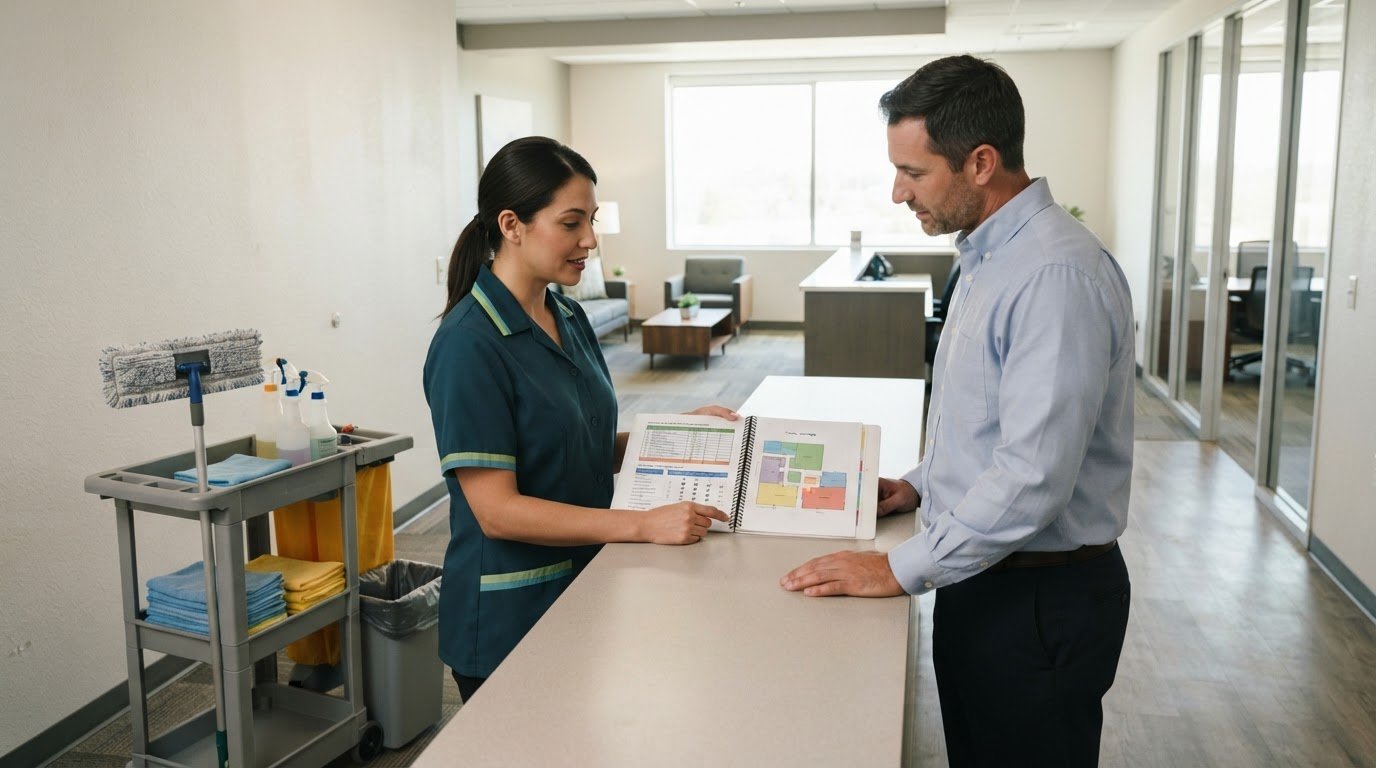
Start with a facility walkthrough, a room-by-room scope, and the center’s operating schedule. When comparing daycare and preschool cleaning services in Sacramento, document changing stations, child-size restrooms, classrooms, and shared areas before reviewing proposals.
Changing Station and Restroom Sanitation
During the walkthrough, identify each changing station, child-size toilet, sink, and diaper-area counter. A useful scope names the surfaces to be cleaned and explains how the team will handle waste bins, visible soil, and nearby floors. This makes it easier to see whether the service covers the full room, not just its most visible fixtures.
Restrooms need focused attention because frequent use can make them sources of germs and odors. A planning estimate allows 15 minutes of dedicated descaling and drain care for each restroom. Include the number and location of restrooms in the scope so the schedule accounts for these distinct tasks.
Classroom and Shared-Space Cleaning
List each classroom alongside common areas such as entryways, corridors, and shared counters. A room-by-room plan, for example, can distinguish classroom tables from reception counters and specify how carpeted areas are maintained. This detail aligns the service with how children and staff use each space, rather than treating the facility as one undivided area.
California child care centers are subject to Community Care Licensing Title 22, Division 12 regulations, according to the California Department of Social Services, Community Care Licensing Division. Use the walkthrough to identify the areas your facility needs covered, then make sure the proposed work describes those spaces plainly. Keep any facility procedures for staff-managed items separate from the cleaning scope.
Comparing Quotes, Schedules, and Insurance
Compare proposals by matching the same rooms, tasks, and visit frequency. Check whether changing areas, restrooms, classroom floors, and shared counters appear as distinct scope items. Then compare the proposed schedule with your opening hours and room-access needs. A lower quote may cover fewer tasks or visits, so compare the scope before weighing the total.
Review insurance information alongside the written schedule and scope. Check what coverage is documented and whether current proof is provided. Similarly worded proposals may not include identical protection. A scheduled walkthrough also lets the cleaning team note carpeted rooms, restroom locations, and access arrangements before preparing the plan.
Once the scope is set, align the cleaning frequency with the center’s routine and chosen access window. Daily cleaning services can be structured around the facility’s identified needs, with classrooms, restrooms, and shared spaces clearly listed for the scheduled visit.
How Often Should Daycares Schedule Professional Cleaning?
Year-round centers need a schedule that reflects attendance, room use, and staff routines. Weekly professional cleaning can be a starting point, with teachers handling daily upkeep and light sanitation. Set the frequency according to how each room is used rather than repeating the same calendar entry by default. A classroom used for meals and activities, for example, may need different attention from one used mainly for quiet play.
Professional visits are commonly arranged after operating hours or on weekends. Cleanit Maintenance Systems schedules Sacramento daycare and preschool cleaning after operating hours, when children aren’t present. This allows the team to work in classrooms, restrooms, and shared areas without interrupting children’s routines. Set an access window that fits closing time and clarifies when each room is available.
Weekly visits may suit a center where staff keep up with routine daily tasks. A busier facility may need more frequent professional service, depending on attendance, room use, and the upkeep staff manage between visits. The plan can separate routine work from tasks completed less often, so recurring needs and detailed cleaning are both accounted for.
For a year-round program, keep the core schedule steady through ordinary weeks, then revisit the scope when room use changes. A classroom used for meals may need attention to tables and floors, while a room used for quiet activities may have different priorities. The facility’s square foot layout, room count, and access arrangements help shape a practical plan without treating every area identically.
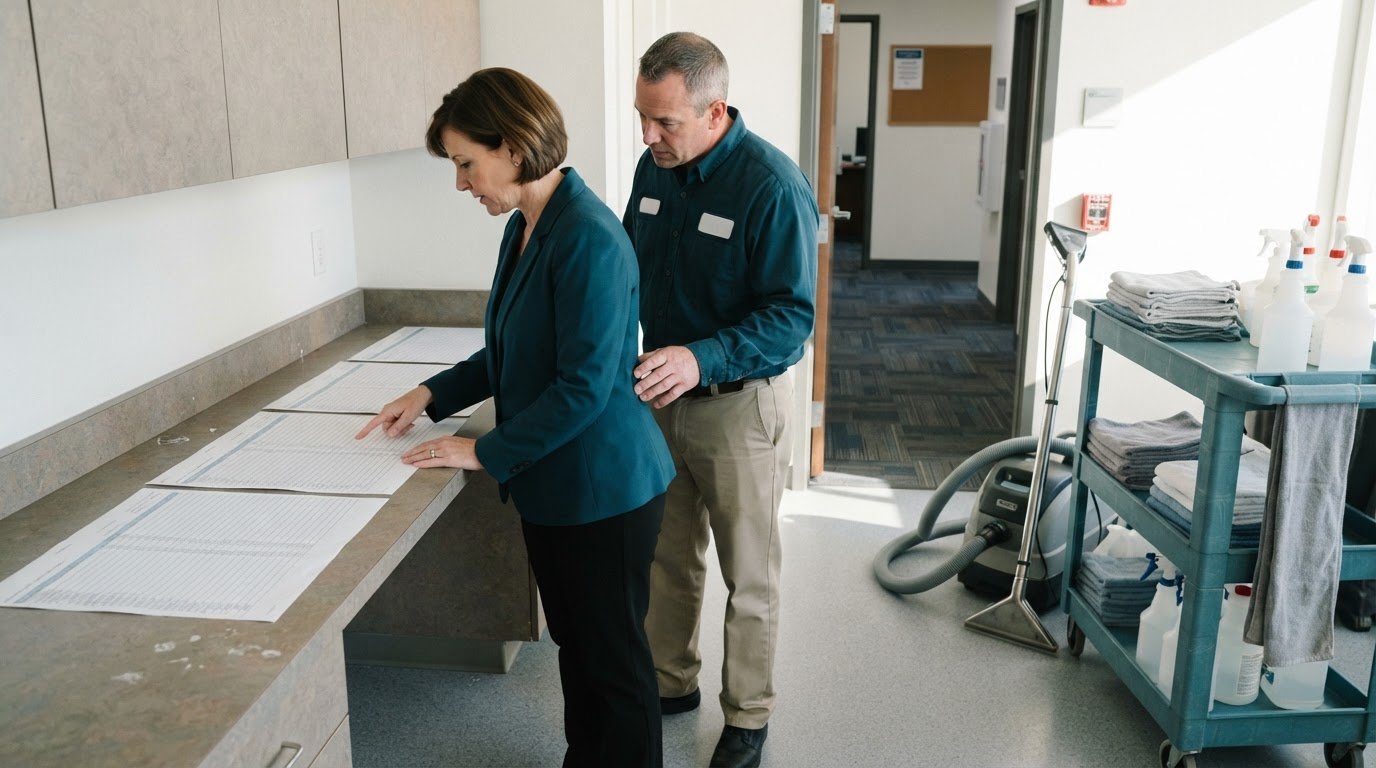
Preparation helps keep a scheduled visit focused. Before the team arrives, staff can clear clutter, gather toys, and store supplies so cleaners can reach cubbies, floor edges, and shared surfaces. A brief handoff can identify rooms still in use, areas needing attention, and supplies that must remain secured.
Review the plan when center routines shift. A changed nap schedule, rearranged classroom, or new shared activity can affect access and cleaning priorities. Update the relevant room notes and tasks rather than changing the entire schedule. This keeps the evening routine clear while directing attention to spaces whose use has changed.
To set a workable schedule, organize the decision around three points:
- Frequency: Start with weekly service, then account for room use and staff upkeep.
- Timing: Choose an evening or weekend window when children aren’t present.
- Preparation: Gather toys, clear clutter, and store supplies before the visit.
A clear schedule connects those decisions to the center’s daily flow. Discuss a cleaning schedule that fits your facility’s operating routine.
Classroom, desk, and cubby cleaning
A clear classroom scope names the surfaces and furnishings cleaned at each visit. Desks, activity tables, chair seats, cubby fronts, and accessible shelves collect different marks and classroom debris. A room used for art projects, for example, may need attention to table edges, while a reading corner may need floor care around cushions. Listing these areas makes the work easier to track.
Classrooms and play areas also need a defined cleaning route. A professional plan can cover open floor space, corners around furniture, and areas beneath movable chairs. Staff can gather toys and supplies before the visit so cleaners can reach otherwise blocked surfaces. In a nursery, the plan can distinguish sleep areas from activity spaces.
Between professional visits, staff can wipe tables after activities, store toys properly, and guide children through cleanup routines. These steps help keep the room orderly without replacing scheduled cleaning. Teachers might return blocks to their bins after play, then clear tables after a craft activity. That routine leaves fewer loose items on work surfaces and classroom floors.
Keep cubbies accessible during scheduled cleaning. When personal items and classroom supplies spread across the floor, it becomes harder to clean around each opening. Staff can gather loose materials and put supplies in their usual places before the team arrives. If cubbies are emptied for a seasonal classroom change, such as a summer reset, include the exposed shelves and surrounding floor in the scope.
Morning readiness depends on a practical handoff between closing routines and the next day’s classroom setup. A room-by-room note can identify which tables were used for meals, where play materials were left, and which areas need attention. This gives the team a clear sequence, from open surfaces to floor edges, without moving items teachers need for the morning.
- Activity tables: Include table surfaces and edges after classroom use.
- Cubbies: Clear access to fronts, shelves, and the floor below.
- Play areas: Gather toys and supplies so open floor space can be reached.
- Nursery rooms: Identify sleep and activity areas separately in the scope.
Review the room plan whenever furniture, supplies, or classroom use changes. A new art station, rearranged desks, or cleared cubby section can affect which surfaces are accessible. Keeping those details current supports a consistent cleaning routine while letting each classroom’s layout guide the work.
Cleaning low surfaces and play areas in child care centers
Low-surface cleaning should reflect children’s access and how each room is used. In Sacramento childcare centers, a walkthrough can map child-height surfaces, play zones, and floor-care needs.
Child-Height Surface Sanitization
Child-height cleaning covers surfaces from floor level to 48 inches. That range can include low shelves, chair backs, reachable counters, and play equipment. During a walkthrough, identify which surfaces children touch during regular activities. The facility can also specify acceptable cleaning products and identify items, such as toys and high chairs, that staff sanitize during the day.
Low Surfaces and Children's Room Floors
In children’s rooms, the scope should connect low surfaces with the floors beneath them. The team can inspect play-area edges, corners near low furniture, and spaces under movable chairs. A toy shelf, for example, may need attention on its reachable surfaces and on the floor where children gather toys. The room layout helps determine what needs to be moved for access.
Play areas differ across preschool classrooms, daycare rooms, and school-based childcare spaces. A shared activity area may have open floor space, while a nursery may contain sleep furnishings and low storage. Listing each zone separately helps the plan reflect how children use it and keeps smaller, frequently used surfaces from being overlooked.
Include product preferences in the facility’s written cleaning notes. Specify which products are acceptable for the site, then distinguish those choices from items staff handle during the day. For example, note whether staff sanitize toys and high chairs between professional visits. This gives the team clear boundaries and helps avoid confusion about who handles each item.
A useful inspection follows a consistent route through the room. Start with reachable furniture and play surfaces, then check the floor around each activity zone. Note blocked areas, loose supplies, and items that staff need to handle. For carpeted play areas, identify the location in the scope rather than treating every floor as the same surface.
Floor care should account for how play zones connect to entrances and shared paths. Dirt carried into a classroom can collect near doors before spreading toward activity areas. A walkthrough can identify these transition points and note where furniture limits access. This helps define the work without assuming every room needs identical attention.
Keep the plan current as room arrangements change. A moved shelf, new play station, or rearranged sleep area can expose new surfaces or hide floor edges. Updating room notes gives the team a practical reference and helps staff understand which items remain their responsibility between visits.
Daycare cleaning services in Sacramento
For daycare and preschool cleaning services in Sacramento, a written scope should connect each room with its cleaning tasks. Clear notes also help centers plan around children’s routines, parent arrivals, and campus access.
Daycare Cleaning Service Coverage
A facility walkthrough can map classrooms, restrooms, reception areas, and shared rooms. The scope should identify tables, chairs, play surfaces, and floors rather than relying on a general description of cleaning. A preschool campus with carpeted classrooms, for example, can list carpet care separately from hard-floor care. Room-specific notes make it easier to see which spaces are covered at each visit.
After-hours cleaning lets a team work through rooms when children aren’t present. A center can set priorities for restrooms, entrances, and shared areas based on its daily use. A designated supervisor can document access instructions and room changes, such as a rearranged classroom or a newly used activity space. Parents benefit from a clear routine that leaves the facility ready for the next day.
Disinfection Protocols
Disinfection planning should identify the included rooms and surfaces, such as restroom fixtures, doorknobs, and play surfaces. Many daycares schedule extra disinfecting visits during cold and flu season, focusing on these areas. When illnesses such as RSV, hand-foot-and-mouth, or stomach flu spread, daycares often arrange a one-time deep clean before reopening.
For a center requesting outbreak-related cleaning, the scope should distinguish routine tasks from the additional reset. COVID-19 cleaning protocols can be included when that service is needed. A written plan can list priority rooms, shared touchpoints, and any facility instructions for toys or classroom supplies. That gives staff a practical reference without treating every object as part of the same cleaning task.
Scheduling matters as much as the room list. The team can clean tables and chairs after classroom use, then vacuum carpeted areas and address shared paths. If children use a campus room for meals and play, the scope can reflect both activities. The center can also identify spaces that need staff attention during the day, keeping responsibilities clear between visits.
A strong local plan is specific about coverage, timing, and disinfection priorities. It accounts for classroom use, changing needs during illness periods, and the difference between routine service and a deeper reset. Discuss cleaning needs for your childcare facility and outline the rooms and priorities that matter most.
Cleanit Maintenance Systems: Pressure Washing Service
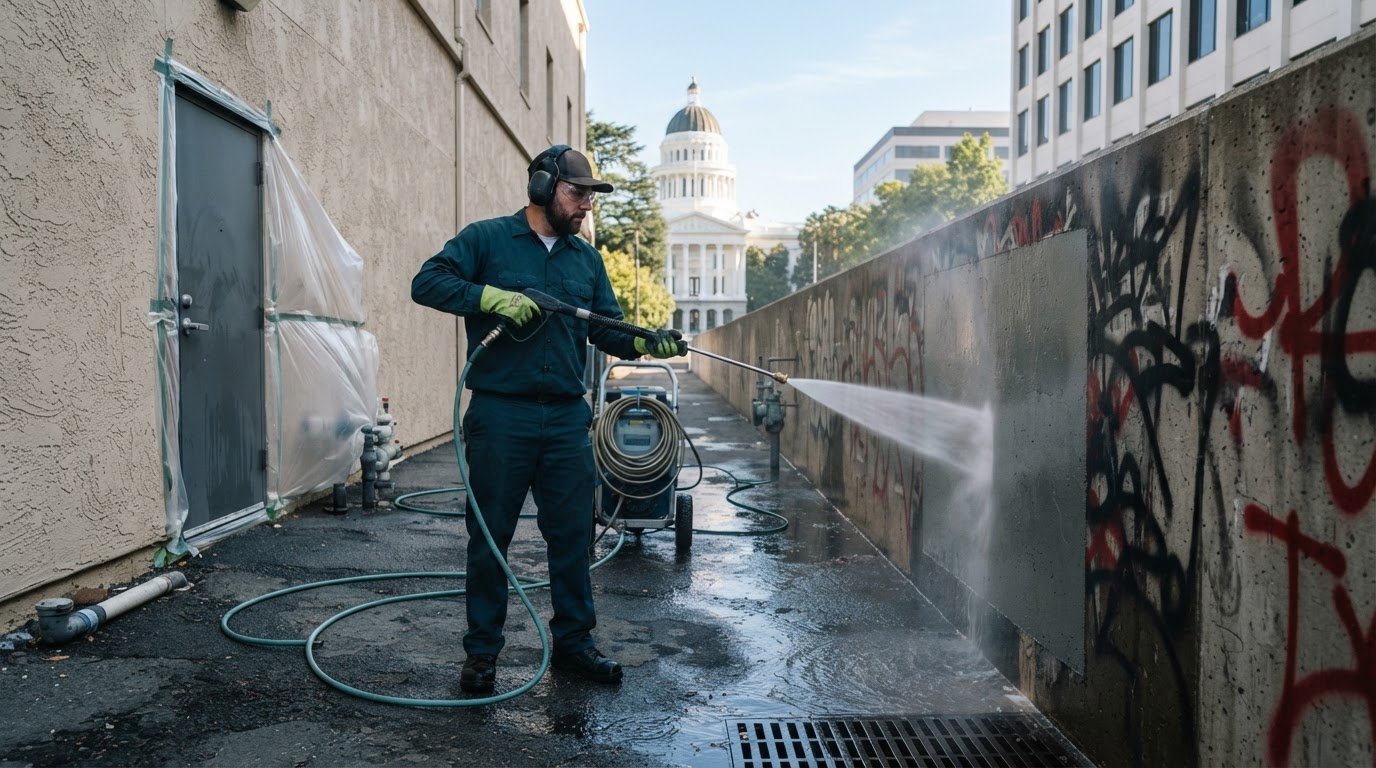
Cleanit Maintenance Systems supports childcare facilities with commercial janitorial care for indoor spaces and pressure washing for exterior areas. Pressure washing may suit hard outdoor surfaces around a campus, while daily cleaning helps maintain the interior routine. The right scope depends on which areas need attention and how the site operates.
For a center reviewing next steps, separate exterior maintenance from classroom and restroom cleaning needs. That makes it easier to identify whether pressure washing, recurring janitorial service, or both fit the facility’s priorities. Contact Cleanit Maintenance Systems to discuss your facility’s cleaning needs.
Set a Clear Plan for Your Childcare Facility
A dependable cleaning partnership starts with a scope that reflects how your facility operates. Daycare and preschool cleaning services in Sacramento should fit your rooms, routines, and priorities, not rely on a generic checklist. Identify what matters most to your center, then shape a service plan around it.
Cleanit Maintenance Systems provides commercial janitorial, office cleaning, and daily cleaning services. For a childcare facility, these services can organize ongoing cleaning around the spaces and schedule that need attention. A focused conversation can clarify your priorities and provide a practical starting point for planning.
Connect with Cleanit Maintenance Systems to discuss a cleaning plan for your facility. With clear expectations and a consistent approach, your team can focus more fully on the children and families who rely on your center.
Frequently Asked Questions
Are all members of your cleaning crew background-checked?
A cleaning agreement alone doesn’t establish whether every crew member has been background-checked. Childcare centers should rely on documented screening practices when evaluating who may enter their facility. Site-access arrangements, staff supervision, and rules for entering classrooms are separate considerations. Clear records help administrators explain access procedures to families and staff without making assumptions about individual cleaners.
Are your disinfectants safe for infants and toddlers who put their hands on floors and low tables?
Product suitability depends on the specific product and how it’s used, so no disinfectant should be described as universally safe for infants and toddlers. A facility can identify acceptable products and distinguish surfaces cleaned professionally from toys or high chairs staff handle during the day. For example, the plan can identify low tables and floor areas, then specify the facility’s product preferences for those surfaces.
Can you handle outdoor play-yard sand tracked into classrooms every afternoon?
Tracked-in sand can be included in a classroom floor-cleaning scope. A plan can note the classroom entrance, nearby floor area, and any carpeted section where grains collect. A consistent entry-area routine keeps this issue visible in the cleaning plan. Center staff can also report seasonal changes in how much sand reaches indoor rooms.
How do you help us stay ready for unannounced California Community Care Licensing (Title 22) inspections?
Consistent cleaning can help keep facility spaces orderly between inspections, but it can’t guarantee an inspection outcome or replace the center’s licensing responsibilities. A practical plan identifies covered rooms and recurring tasks, while facility staff maintain their own licensing records and operating procedures. Administrators can keep the current cleaning scope accessible alongside internal facility documentation.
What Happens If a Daycare Skips Regular Cleaning?
Without regular cleaning, visible soil, tracked-in debris, and odors can build up in busy rooms. Floors near entrances may collect grit, while classroom tables and shared areas can look untidy after repeated use. A missed visit can also leave staff with more work before the next opening. For example, the center may prioritize entryways and shared rooms during its next scheduled service.
What does school cleaning include?
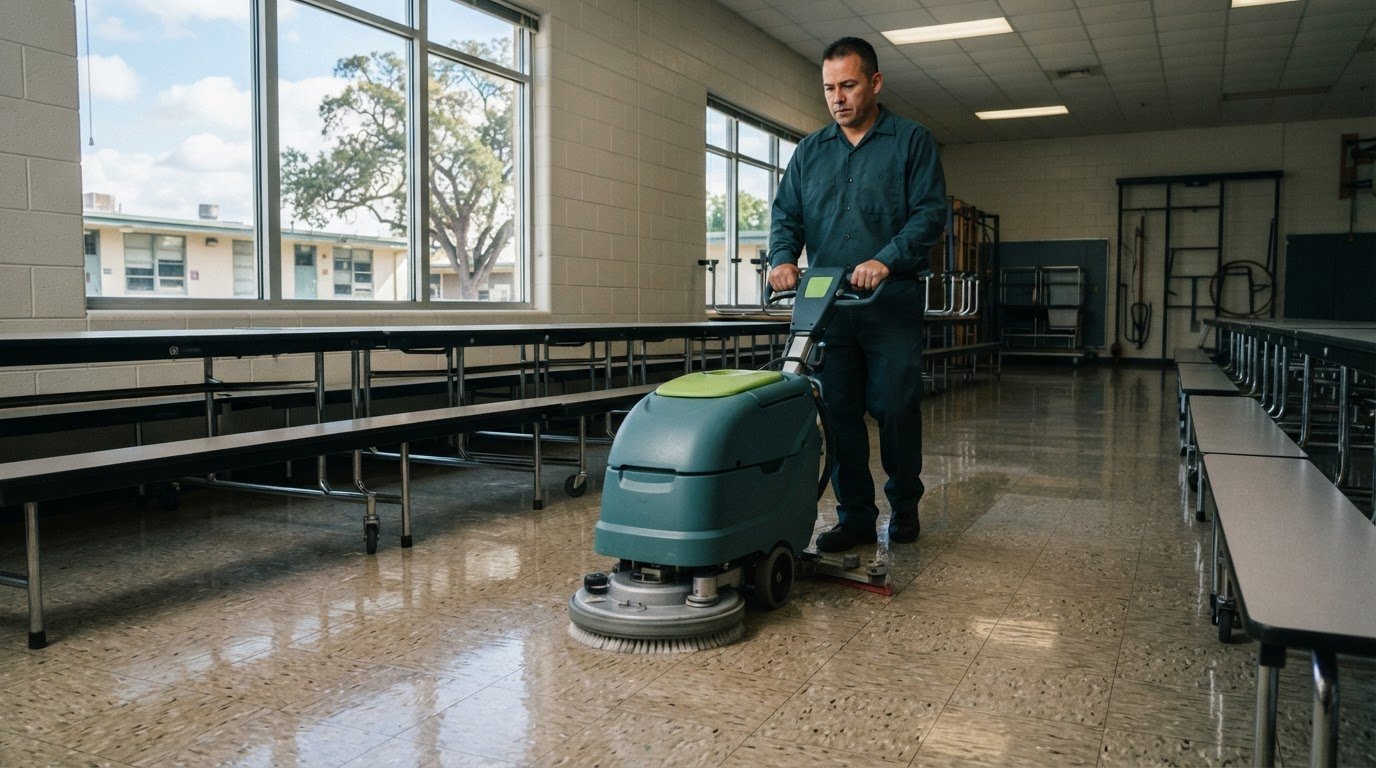
School cleaning can include recurring care for classrooms, restrooms, shared spaces, and floors, depending on the written scope. A plan might list classroom surfaces separately from carpeted areas or identify common entrances as their own zone. Commercial janitorial service can be organized around these facility needs. The scope should clarify which rooms and tasks are included at each visit.
What if a classroom has a norovirus, hand-foot-and-mouth, or flu outbreak?
When an illness spreads, centers often arrange a one-time deep clean before reopening. The service scope can identify affected rooms and high-priority shared areas, while center leadership determines reopening procedures. For example, the plan might distinguish the classroom from connected restrooms or common spaces. COVID-19 Cleaning is also available for facilities that need that specific cleaning service. For daycare and preschool cleaning services in Sacramento, a written scope can help define which areas need attention.
Where can Sacramento centers arrange professional daycare cleaning?
Cleanit Maintenance Systems provides commercial janitorial cleaning services in Sacramento. Daycare and preschool cleaning services in Sacramento can be planned around your facility’s rooms, access needs, and recurring schedule. An administrator can outline which spaces need routine attention and note carpeted areas or shared entrances, giving the conversation a clear starting point for a facility-specific scope.