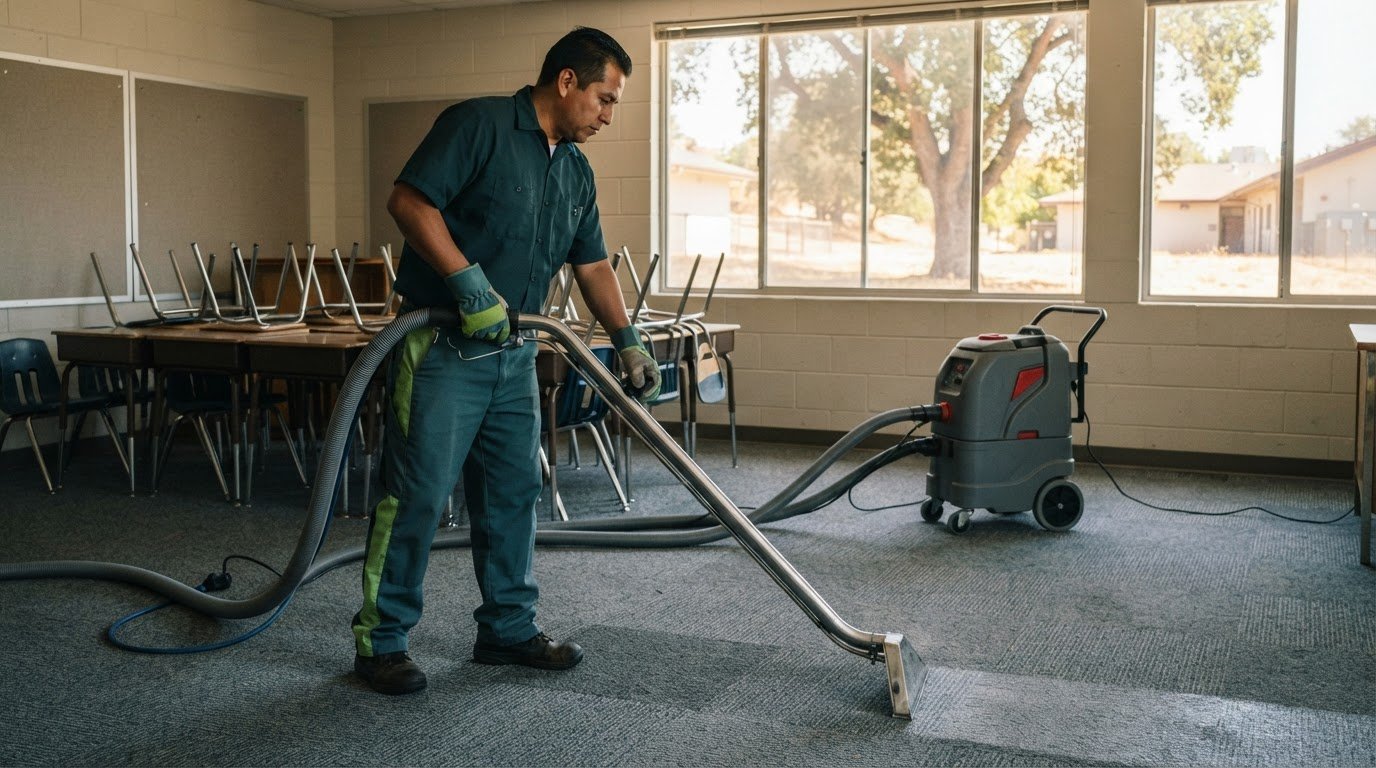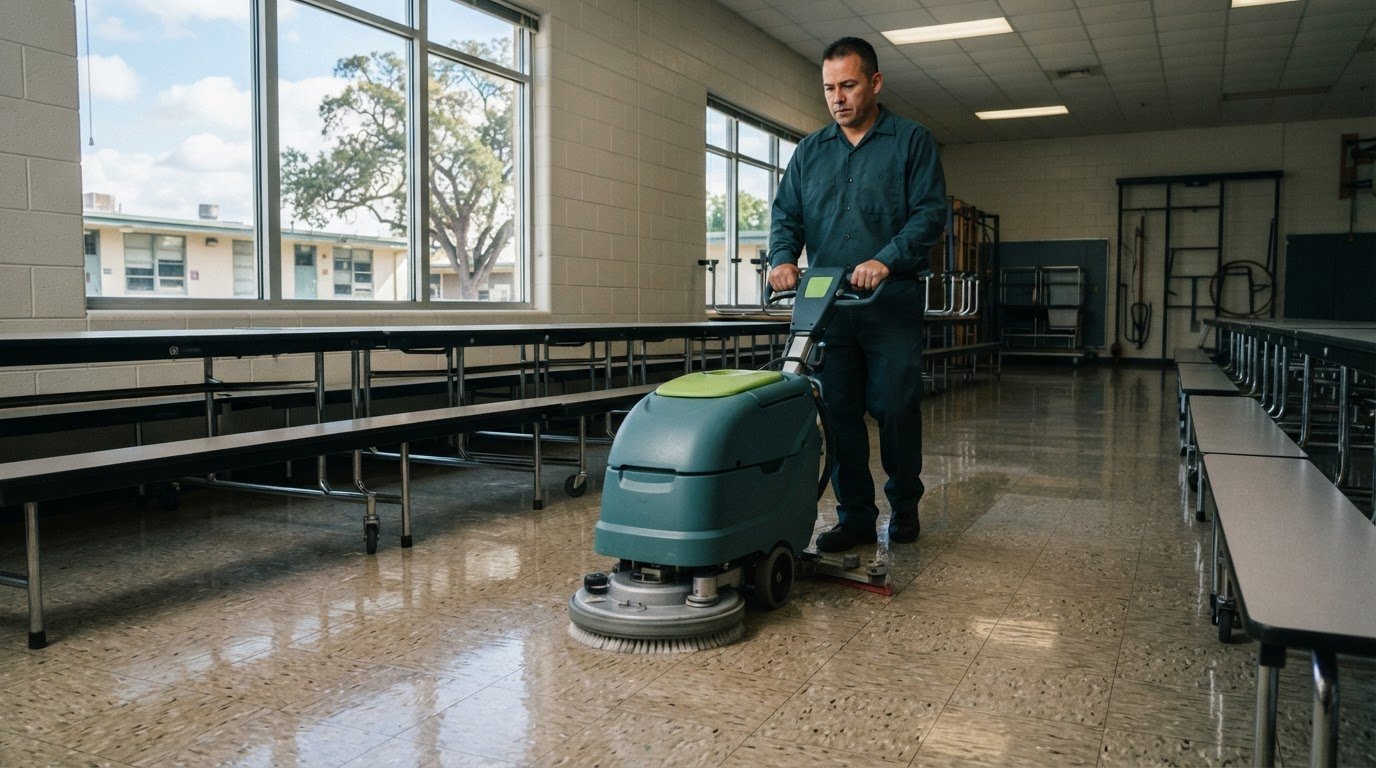


A clinic can look tidy and still need careful cleaning where animals are examined, housed, and welcomed. Effective veterinary clinic cleaning services address floors and pet hair as well as treatment areas, kennels, and waiting rooms, with disinfection carried out for the product’s required dwell time.
That detail matters: disinfectants must remain on a surface for the time specified on the product label, so cleaning involves a sequence of steps, not a quick wipe. A dependable plan also accounts for the different needs of high-traffic floors, animal spaces, and shared touchpoints.
This article explains how professional cleaning can support cleaner clinic spaces, including floor care, pet-hair removal, disinfectant dwell time, and cleaning treatment areas, kennels, and waiting rooms. You’ll see what the work involves and how a consistent approach helps keep daily operations orderly without adding another task for clinic staff.
Key Takeaways
- Disinfectant effectiveness depends on following the product label’s dwell time after surfaces are cleaned.
- Pet hair and dust need attention beyond floors, including elevated surfaces where debris can collect.
- Kennel cleaning follows an orderly sequence, from preparing the space to drying surfaces before animals and supplies return.
- Waiting-room care includes daily floor attention and thorough cleaning of frequently touched areas.
- A clinic’s cleaning schedule should reflect how its spaces are used and the needs of its daily operations.
EPA-registered disinfectants and label dwell time
Disinfection starts after visible soil and residue are removed. A disinfectant cannot work as intended through dirt, hair, or organic material. In an exam room, clean surfaces first and let them dry, then apply disinfectant and follow the label’s dwell time. Rinse when directed and dry again. Skipping a step can leave a surface wet with product but short of the contact time its label requires.
Product choice matters as much as timing. Quaternary ammonium compounds are suitable for everyday disinfection against basic pathogens. Tougher organisms call for a formula appropriate to the risk: parvo and calicivirus, for example, require different disinfectant formulas than routine cleaning, and ringworm also calls for a different formula. The product label is central to matching the disinfectant to its intended use and organism.
A consistent professional sequence helps keep the work clear:
- Prepare the surface. Remove debris and clean away visible soil before disinfection.
- Let it dry. Apply disinfectant only after the cleaned surface has dried.
- Keep it wet for the labeled dwell time. The surface must remain in contact with the product for the required period.
- Finish as directed. Rinse when the label requires it, then dry before the area returns to use.
Dwell time is not a standard number that applies to every product. It depends on the disinfectant’s label, so staff need to follow the instructions for the specific formula in use. Wiping a treated surface dry too soon can shorten the contact period. A written, product-specific process helps keep timing consistent across exam tables, counters, and other treatment-room surfaces.
The consequences of a lapse can reach beyond one room. The Centers for Medicare & Medicaid Services report said the likelihood of infection spread affected 11 of 11 patients who had surgery at the facility that day. That finding underscores why surface preparation, correct product selection, and complete dwell time belong together in a dependable cleaning process.
For clinics, the work is most reliable when product instructions and room routines align. A documented daily cleaning routine can help staff apply the right sequence consistently, while clinic-specific protocols guide which disinfectant is used in each area. Careful timing supports cleaner, ready-to-use surfaces without treating every pathogen or room as though it presents the same cleaning need.
Keep the order clear whenever exam-room surfaces are treated: clean them, allow them to dry, disinfect for the required dwell time, rinse, and dry again. Treat these as linked stages, not interchangeable actions. Disinfection follows the initial cleaning and drying, and continues for the required dwell time. Rinsing comes after disinfection, and the final drying step completes the sequence. A room-turnover routine can preserve this order from one surface to the next, helping staff avoid skipping a stage or moving on before the previous step is complete.
Pet-hair removal and high-surface dusting
Pet hair collects along kennel edges, under exam tables, around chair legs, and beside baseboards. Dust also settles on ledges, shelving, vents, and cabinet tops. Cleaning only the open floor leaves these areas untouched, while dry dusting after floor care can drop debris back onto cleaned surfaces. A room-by-room sequence helps control that transfer: address elevated surfaces first, then furniture and fixtures, and finish with floors and edges.
In treatment rooms, hair can cling to table bases, rolling stools, and equipment cords. Waiting areas have different collection points, including upholstered seating, reception counters, and corners beneath benches. Kennels may trap loose fur around gates and adjoining walls. A thorough service identifies these distinct surfaces before cleaning, rather than treating every room as an empty floor that needs a quick pass.
High-surface dusting should be deliberate and orderly. Staff can work from the highest reachable surface toward lower fixtures, following the room perimeter before moving equipment back into place. For example, dust a shelf above a counter before cleaning the counter, then address chair frames and floor edges. This sequence captures falling dust during the same visit and makes missed ledges easier to spot.
A professional cleaning plan can include steps such as these:
- Inspect the room. Note visible fur on baseboards, under furniture, and around kennel gates.
- Clear accessible surfaces. Move loose items as appropriate, then dust ledges, shelves, and fixture tops.
- Work around furnishings. Remove hair from table supports, chair legs, and equipment-adjacent spaces.
- Finish at floor level. Collect loosened debris from corners, edges, and open floor areas.
Surface type changes the method. Hair on a smooth tile floor behaves differently from fur caught in upholstery or gathered on a textured mat. A careful cleaner adjusts the approach to the material and available access, avoiding rough handling around clinic equipment. The result is more complete removal of visible debris throughout the room, not just from the center aisle.
Consistency matters most in repeat-use spaces. A documented room checklist can name the clinic’s recurring collection points, such as the kennel threshold or the underside of the reception bench. That makes routine cleaning easier to follow across different rooms and shifts. Clinics arranging a dependable cleaning plan for clinic spaces can include pet-hair collection and high-surface dusting in the scope, alongside floor care.
Kennel cleaning should begin by moving the animal to a separate, appropriate space and removing the food and water bowls for soaking, before addressing fur around gates and adjoining walls.
Treatment areas, wards, kennels and boarding rooms
Each clinic space needs a cleaning sequence suited to its use and surfaces. Treatment rooms call for attention to work surfaces and equipment, while animal housing requires a clear process before occupants return.
Treatment Area Cleaning
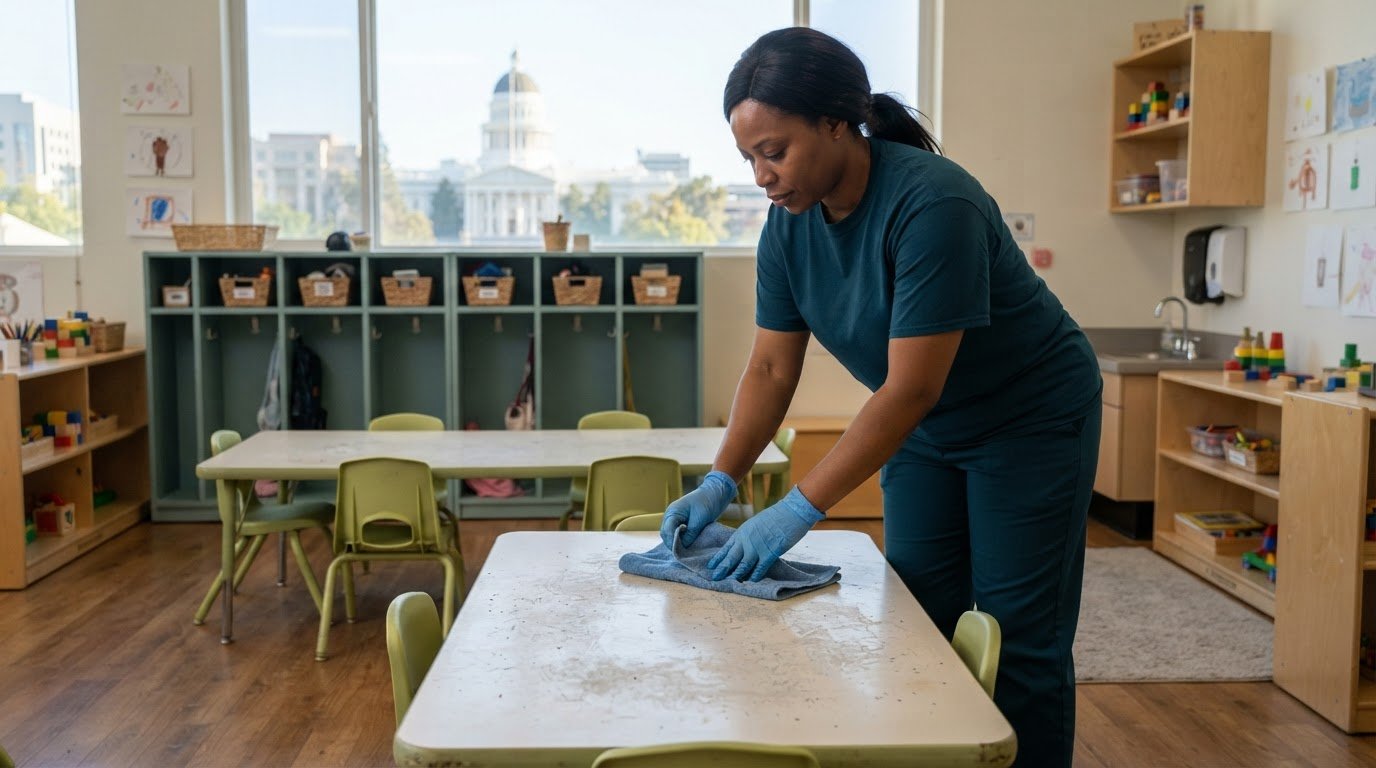
In an exam or treatment room, begin with surfaces used during patient care, such as examination tables, counters, and cabinet handles. Remove visible soil before disinfecting, and follow the product label for contact time and any required finishing steps. This keeps preparation and disinfection distinct, rather than treating a quick wipe as a complete process.
Equipment and room layout shape the work. A mobile cart can leave residue near its wheels, while cords and table supports create narrow spaces that are easy to miss. Cleaning staff should work around these fixtures methodically, including accessible touchpoints such as drawer pulls and switches. In wards, the same attention applies to frequently handled rails, ledges, and nearby surfaces.
When assessing a cleaning scope, a clinic should identify which treatment surfaces are covered, how staff move around equipment, and how clean areas are kept separate from surfaces still awaiting attention. A consistent room sequence also helps prevent an uncleaned item from being placed back on a cleaned countertop. The result is a more orderly handoff between room preparation and clinical use.
Kennel Cleaning
Kennel cleaning starts by moving the animal to a separate, appropriate space. Remove food and water bowls, then soak them while the kennel is cleaned. Scoop solid waste and remove bedding for washing and drying. These steps clear the enclosure before its surfaces are treated and prevent bowls or bedding from being returned before they are ready.
Next, clean the kennel surfaces and allow them to dry before applying disinfectant. Keep the product in contact for the label’s dwell time, then rinse or remove the solution as directed. Dry the surfaces fully before returning supplies or the animal. Gates, corners, and floor-to-wall edges also need attention because debris can collect outside the open center of the enclosure.
Boarding rooms and wards may contain several occupied spaces, so the cleaning sequence should account for each enclosure and its supplies. Bowls, bedding, and other items need to remain out of the cleaned area until their own cleaning is complete. Keeping the steps in order helps prevent freshly cleaned surfaces from being soiled again during room setup.
A clear kennel checklist can name each task: animal removal, bowl soaking, waste removal, bedding care, surface cleaning, disinfection, and drying. That sequence makes the process easier to follow across kennels and boarding rooms, while leaving room for the clinic’s established patient-care procedures.
Veterinary waiting-room cleaning
A veterinary waiting room needs thorough daily cleaning, with extra attention after sick or potentially sick animals visit. The room combines patient traffic, seating, reception workstations, and shared touchpoints. A reliable cleaning plan treats those areas as connected, rather than focusing only on visible marks or the open floor.
Floors require daily care because animals and people move between the entrance, chairs, and reception desk. Cleaning should reach edges and corners, including spaces beneath seating where hair and debris can gather. The entry area and routes between chairs deserve particular attention. A clean-looking center aisle alone doesn’t show whether perimeter areas or spots under furniture have been addressed.
Touchpoints need their own routine. Reception desks, computer workstations, light switches, and doorknobs should be cleaned every night. These surfaces are handled throughout the day, so leaving them out of the nightly sequence creates an obvious gap. A clear room checklist can name each item, helping cleaning staff cover workstations and door hardware alongside broader surfaces.
When a sick or potentially sick animal has visited, the waiting room should be disinfected. The response should cover surfaces the animal or its handler may have contacted, while maintaining the room’s usual cleaning sequence. Product directions determine application and contact time, as covered in the disinfectant section. Cleaning first helps remove visible soil before disinfection is completed.
A practical professional sequence can organize the room’s daily care:
- Clear and inspect. Identify visible debris around the entrance, chairs, and reception area.
- Clean touchpoints. Include the reception desk, computer workstations, switches, and doorknobs in the nightly routine.
- Care for the floor. Address the full floor, including edges and accessible spaces beneath seating.
- Respond to illness exposure. Disinfect the waiting room when sick or potentially sick animals have visited.
- Finish the room. Return moved items neatly and leave the reception area ready for clinic use.
Seating deserves attention beyond its most visible surface. Chair arms and frames can collect contact marks, while the floor beneath a bench may hold hair missed during a quick pass. Reception counters also need care around areas used for forms or routine transactions. Including these examples in the scope makes cleaning expectations specific and easier to review.
Daily care and nightly touchpoint cleaning serve different purposes within the same waiting-room plan. A written schedule can distinguish floor care from evening cleaning of desks, workstations, switches, and handles. That distinction helps maintain a consistent routine, while disinfection after illness exposure addresses a separate need. Together, these steps keep the waiting room orderly and ready for its next visitors.
How often should veterinary clinics be professionally cleaned?
There isn’t one schedule that fits every clinic. A practical plan combines daily care for high-traffic spaces with priorities shaped by room use, animal visits, and visible soil. Veterinary waiting rooms need thorough daily cleaning, and their floors require daily care. Reception desks, computer workstations, light switches, and doorknobs should be cleaned every night.
Other spaces need a schedule based on their purpose and activity. An exam room used throughout the day has different demands from a storage area with little foot traffic. Kennels and boarding rooms also need a clear process whenever an enclosure is cleaned, including preparation, surface cleaning, disinfection as directed, and drying before supplies or animals return. Veterinary clinic cleaning services should account for how each room is used and what accumulates there.
A useful professional plan distinguishes recurring tasks from event-based needs:
- Daily: Clean the waiting room thoroughly and care for its floors.
- Every night: Clean reception desks, computer workstations, light switches, and doorknobs.
- After illness exposure: Disinfect the waiting room if sick or potentially sick animals have visited.
- By room use: Set cleaning priorities for treatment rooms, wards, and animal housing according to activity and visible debris.
This structure addresses a common scheduling concern: routine professional cleaning isn’t a substitute for responding to a specific visit or spill. A waiting room may be cleaned daily, yet illness exposure can call for disinfection after an animal visit. Likewise, kennel cleaning follows its own sequence rather than relying only on a general room-cleaning calendar. A tailored veterinary clinic cleaning services schedule can distinguish these needs.
Clinic traffic can guide adjustments. If fur gathers near a kennel entrance or debris collects under waiting-room seating, those areas may need closer attention within the regular service plan. Changes in how rooms are used can also shift priorities. For example, a treatment space used for more appointments may need a different cleaning focus than one used less often.
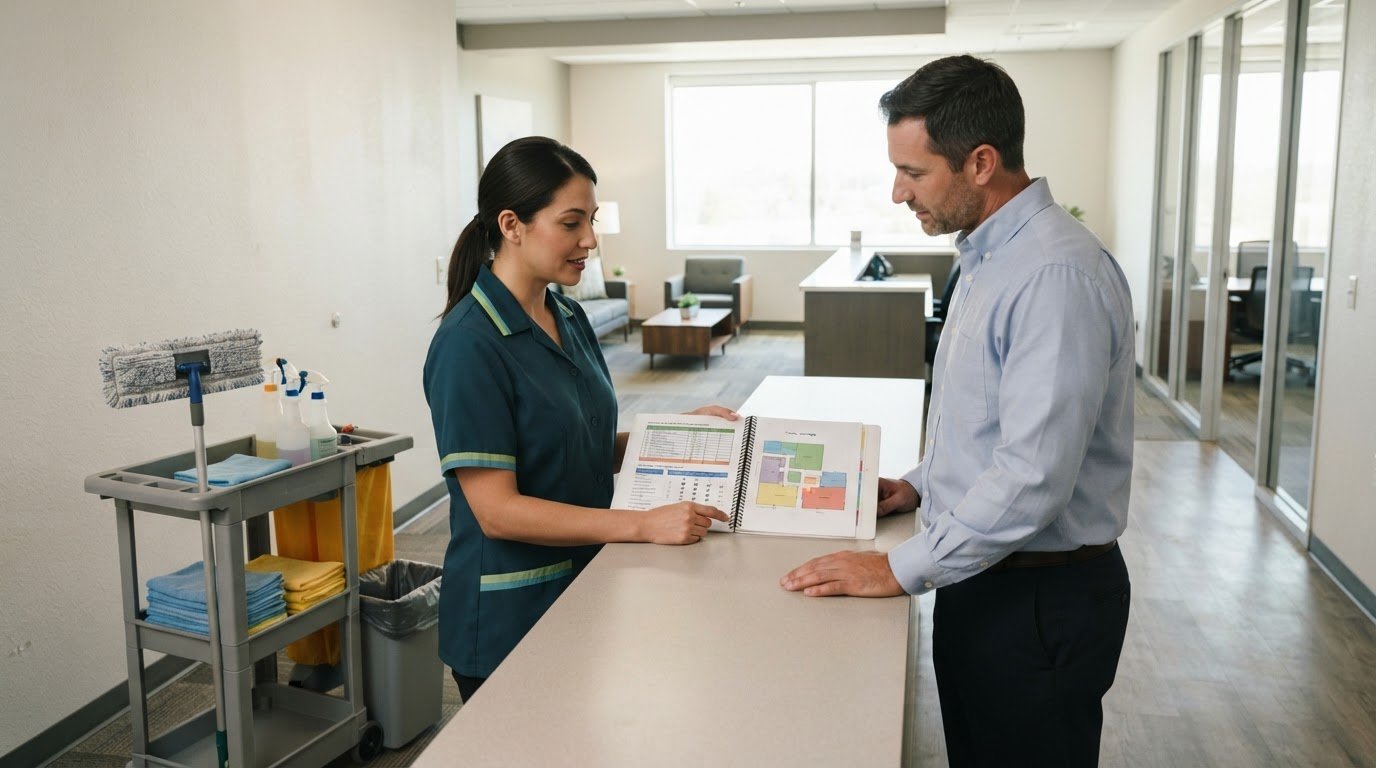
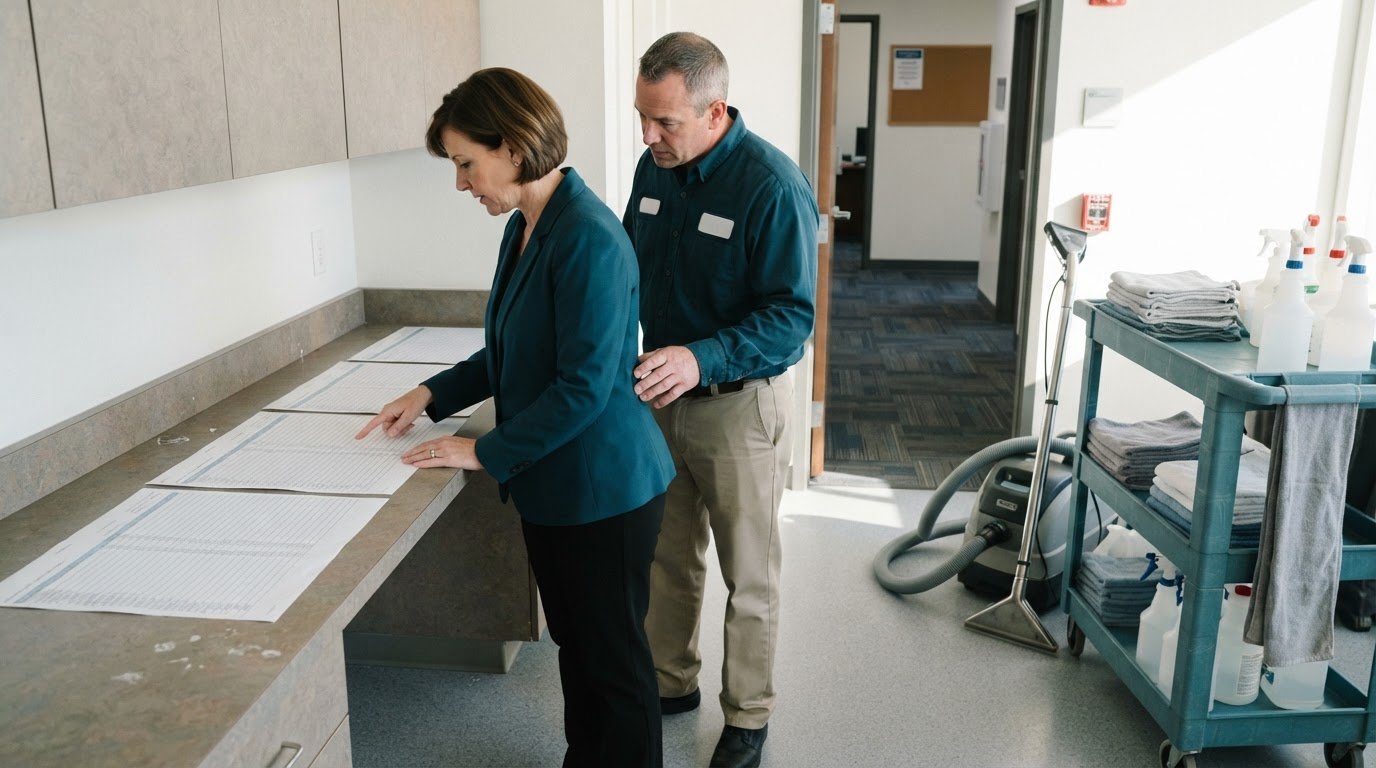
Review the schedule by room, not just by building. A written plan can name the waiting room, reception area, treatment rooms, wards, and kennels, then assign each space its recurring tasks and event-based responses. This makes gaps easier to identify and helps staff understand which jobs occur daily, nightly, or after a particular visit.
For a dependable routine, set the schedule around actual clinic operations and the needs of each space. Discuss a cleaning schedule for your clinic that addresses recurring tasks and room-specific priorities.
Cleanit Maintenance Systems: Pressure Washing Service
Cleanit Maintenance Systems offers pressure washing for exterior surfaces that need scheduled cleaning alongside a clinic’s interior maintenance. It can form part of a broader facility plan when entrances or other outdoor areas need attention. For recurring interior upkeep, commercial janitorial and daily cleaning services help maintain orderly workspaces through a planned routine.
The right scope depends on the areas your clinic wants maintained and how those spaces are used. Cleanit Maintenance Systems can coordinate exterior pressure washing with the broader cleaning needs of your commercial facility, while clinic-specific protocols for treatment rooms and animal housing remain in place.
For a practical next step, contact Cleanit Maintenance Systems to discuss your facility’s cleaning needs.
Build a Cleaning Plan That Fits Your Clinic
The next step is to turn your clinic’s priorities into a practical service scope. Consider which areas need routine attention, where foot traffic creates ongoing demands, and how cleaning fits around daily operations. A tailored plan makes it easier to coordinate veterinary clinic cleaning services with the wider upkeep of your commercial space, without treating every room or task as interchangeable.
Cleanit Maintenance Systems provides commercial janitorial, office cleaning, and daily cleaning services for commercial facilities in the Sacramento area. Discuss the areas you want maintained and the priorities your team needs the cleaning plan to support. Then identify a suitable next step for your facility.
Contact Cleanit Maintenance Systems to discuss your clinic’s cleaning needs. A clear plan can help your team focus on patient care while routine facility upkeep has a defined place in operations.
Frequently Asked Questions
What cleaning services do veterinary clinics need?
Veterinary clinics need a planned mix of routine cleaning and area-specific maintenance. A useful scope accounts for reception, waiting areas, exam rooms, staff offices, and animal housing, rather than covering only visible public spaces. In Sacramento, clinic managers can also consider whether carpet care or exterior maintenance belongs in their broader facility plan. The right schedule reflects how each space is used and the clinic’s operational priorities.
What disinfectants are safe and effective for veterinary clinic cleaning?
Use a disinfectant suited to the organism and surface, and follow its label directions. A product used for everyday disinfection may not be appropriate for tougher viruses such as parvo or calicivirus, or for ringworm. Compatibility with the surface and any label instructions for rinsing matter too. The clinic’s infection-control plan should guide product selection, while staff keep products clearly identified and avoid substituting formulas casually.
What should clinics look for when hiring a veterinary cleaning company?
Look for a clear written scope that names the clinic’s spaces, recurring tasks, and event-based cleaning needs. The plan should account for treatment rooms, animal housing, reception, and shared staff areas. A strong scope distinguishes general facility upkeep from clinical procedures handled by veterinary staff. It should also explain how service expectations are communicated, so the clinic can see what is covered and how changes are handled.
What infection-control and sanitation standards apply to veterinary clinics?
Clinics should base cleaning on their infection-control procedures and the directions on each disinfectant label. The appropriate approach depends on the room, surface, and organism of concern, so a single product or routine may not suit every situation. For example, routine disinfection and a response to a suspected infectious visit can require different product choices. Clinic leadership should align cleaning tasks with its established patient-care protocols.
How are exam rooms, kennels, surgical suites, and treatment areas cleaned differently?
Cleaning methods differ based on the surfaces and supplies in each space. Exam rooms contain patient-contact tables and frequently handled fixtures; kennels involve animal removal, bowls, bedding, and enclosure surfaces. Surgical suites have specialized clinical processes that must remain under the veterinary team’s direction. A cleaning plan should define which environmental tasks are included in each room and how staff coordinate access without disrupting clinical preparation.